

Navigating the Reefer FCL Container Shortage: Solutions for Electronics from China to UK
The global supply chain faces unprecedented challenges, with a significant Reefer FCL container shortage impacting the electronics sector. This scarcity, particularly for shipments from China to the UK, threatens delivery schedules and product integrity. Understanding these complexities is crucial for businesses aiming to maintain a competitive edge and ensure their sensitive electronics arrive safely.

What is Driving the Reefer FCL Container Shortage for Electronics?
The current Reefer FCL container shortage is a complex issue, stemming from a confluence of global factors. Increased demand for temperature-controlled goods, coupled with port congestion and equipment repositioning difficulties, has severely strained available capacity. This situation directly impacts the supply chain for electronics from China to the UK, where precise environmental control is paramount.
Moreover, imbalances in trade flows mean containers often get stuck in destination ports, unable to return to origin quickly. This logistical bottleneck exacerbates the scarcity, leading to higher freight rates and extended transit times for sensitive cargo. Consequently, securing a Reefer FCL container shortage solution for electronics from China to UK has become a top priority for many businesses.
Furthermore, the COVID-19 pandemic significantly disrupted shipping schedules and crew availability, creating a ripple effect across the entire logistics network. Therefore, understanding these root causes is the first step towards developing effective mitigation strategies for your valuable electronics shipments.
Why is Temperature Control Critical for Electronics Shipments?
Electronics, especially advanced components and devices, are highly susceptible to environmental fluctuations. Exposure to extreme temperatures or high humidity during transit can lead to irreversible damage, compromising product functionality and lifespan. This makes a Reefer FCL container shortage solution for electronics from China to UK particularly urgent.
For instance, integrated circuits, batteries, and display panels can suffer from condensation, corrosion, or thermal stress if not maintained within specified temperature and humidity ranges. Such damage not only results in significant financial losses but also tarnishes brand reputation and complicates warranty claims. Therefore, ensuring proper cold chain logistics is non-negotiable for these sensitive goods.
Ultimately, safeguarding the integrity of electronic components throughout the shipping journey is essential for product quality and customer satisfaction. Implementing robust temperature control measures helps prevent costly returns and maintains the high performance standards expected from modern electronics.
How Can Businesses Mitigate the Reefer FCL Shortage?
Addressing the Reefer FCL container shortage requires proactive and strategic planning. Early booking is paramount; reserving container space well in advance significantly increases your chances of securing the necessary equipment. This foresight is crucial for maintaining a reliable delivery schedule for your electronics from China to the UK.
Additionally, cultivating strong, long-term relationships with reputable freight forwarders can provide a competitive edge. These partnerships often grant access to priority allocations and better rates, especially during peak seasons. Flexible scheduling, including considering alternative sailing dates or less conventional routes, can also unlock available capacity.
Furthermore, exploring consolidation options, such as Less than Container Load (LCL) reefer services, might be viable for smaller shipments. Although FCL is often preferred, LCL can provide a lifeline when full containers are scarce, offering a partial Reefer FCL container shortage solution for electronics from China to UK.
Exploring Alternative Shipping Methods for Electronics to the UK
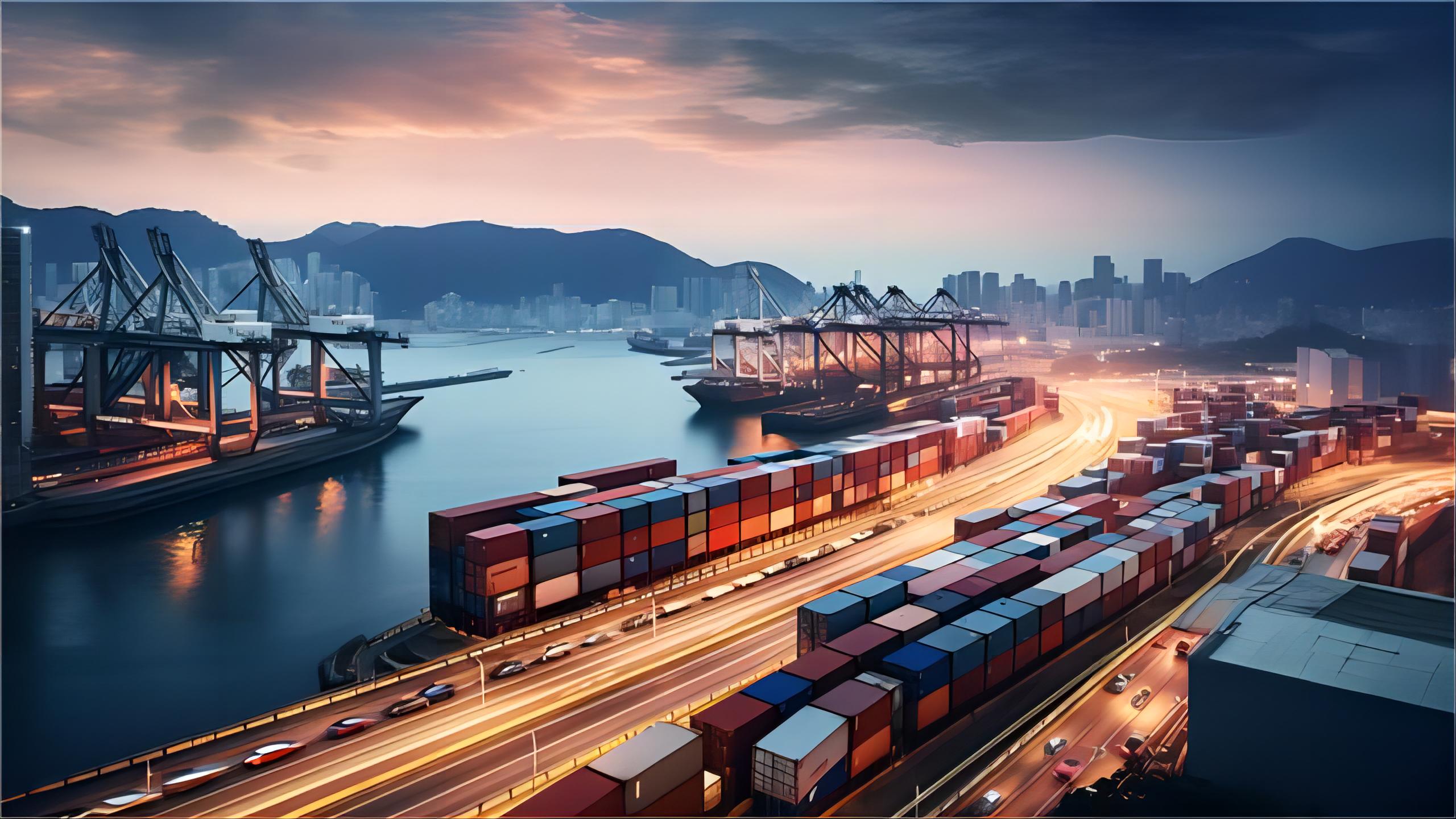
While Reefer FCL is ideal, the current shortage necessitates considering alternative shipping methods for electronics from China to the UK. Air freight, though more expensive, offers significantly faster transit times and robust temperature-controlled options. This can be a critical solution for high-value or time-sensitive electronics.
Another viable option is combining sea and air freight, often referred to as sea-air shipping. This hybrid approach leverages the cost-effectiveness of sea transport for the initial leg and the speed of air freight for the final stretch. It offers a balanced compromise between speed and cost, potentially easing the impact of the Reefer FCL container shortage.
Moreover, for smaller consignments, specialized LCL reefer services can provide temperature-controlled environments without requiring a full container. These services consolidate multiple shipments into one reefer container, making cold chain logistics accessible even during FCL shortages. Each method has distinct advantages and disadvantages, which must be weighed against your specific shipping needs.
| Shipping Method | Cost (Relative) | Transit Time (Relative) | Temperature Control | Suitability for Shortage |
|---|---|---|---|---|
| Reefer FCL (Sea) | Medium | Long (30-45 days) | Excellent | High demand, scarce |
| Air Freight | High | Short (3-7 days) | Excellent | Good for urgent, high-value |
| Sea-Air (Combined) | Medium-High | Medium (15-25 days) | Good | Balanced alternative |
| LCL Reefer (Sea) | Medium | Long (35-50 days) | Good | Good for smaller volumes |
Optimizing Your Supply Chain: Proactive Strategies for China-UK Routes
An optimized supply chain is essential for navigating the complexities of the Reefer FCL container shortage. Implementing strategies like vendor consolidation can significantly reduce the number of individual shipments, making it easier to secure container space. This approach streamlines logistics and minimizes administrative overhead.
Furthermore, enhancing inventory management practices, including safety stock levels and demand forecasting, helps buffer against potential shipping delays. A well-managed inventory can absorb short-term disruptions, ensuring continuous supply to the UK market. This proactive stance is vital for electronics businesses facing global shipping challenges.
Finally, fostering transparent and frequent communication with all logistics partners is critical. Regular updates on port conditions, carrier schedules, and potential delays enable quick adjustments and informed decision-making. These strategies collectively contribute to a more resilient and efficient supply chain for electronics from China to the UK.
| Strategy | Description | Benefit for Shortage |
|---|---|---|
| Vendor Consolidation | Combine shipments from multiple suppliers into one container. | Reduces need for multiple bookings, increases FCL utilization. |
| Advanced Forecasting | Use data to predict demand and plan inventory levels. | Minimizes urgent shipments, allows for longer booking lead times. |
| Diversify Carriers/Routes | Work with multiple carriers and explore varied shipping lanes. | Reduces reliance on single points of failure, offers more options. |
| Buffer Inventory | Maintain strategic stock levels at key distribution points. | Mitigates impact of transit delays, prevents stock-outs in UK. |
Navigating Customs and Compliance for Reefer Electronics from China to UK
Successfully moving electronics from China to the UK involves meticulous attention to customs and compliance regulations. The post-Brexit landscape has introduced new complexities, requiring thorough documentation and adherence to specific import procedures. A Reefer FCL container shortage solution for electronics from China to UK must always factor in these legal requirements.
Key documents include commercial invoices, packing lists, bills of lading, and certificates of origin. Additionally, specific electronics may require CE marking, RoHS compliance, or other regulatory certifications for entry into the UK market. Errors or omissions in documentation can lead to significant delays, fines, or even cargo seizure.
Engaging an experienced customs broker or freight forwarder with expertise in China-UK trade is highly recommended. They can ensure all paperwork is accurate, duties and VAT are correctly calculated, and any specific import licenses for electronics are obtained. This expert guidance streamlines the customs clearance process and prevents costly hold-ups.
| Document | Purpose | Notes for Electronics |
|---|---|---|
| Commercial Invoice | Details goods, value, and terms of sale. | Must accurately reflect value for duty/VAT calculation. |
| Packing List | Itemizes contents of each package. | Crucial for customs inspection and inventory verification. |
| Bill of Lading (B/L) | Contract between shipper and carrier, title to goods. | Essential for claiming cargo at destination port. |
| Certificate of Origin | Proves country of manufacture. | May impact duty rates under trade agreements. |
| CE Marking/RoHS Compliance | Indicates conformity with EU/UK health, safety, environmental protection standards. | Mandatory for many electronic products in the UK. |
The Role of Technology in Securing Temperature-Sensitive Cargo
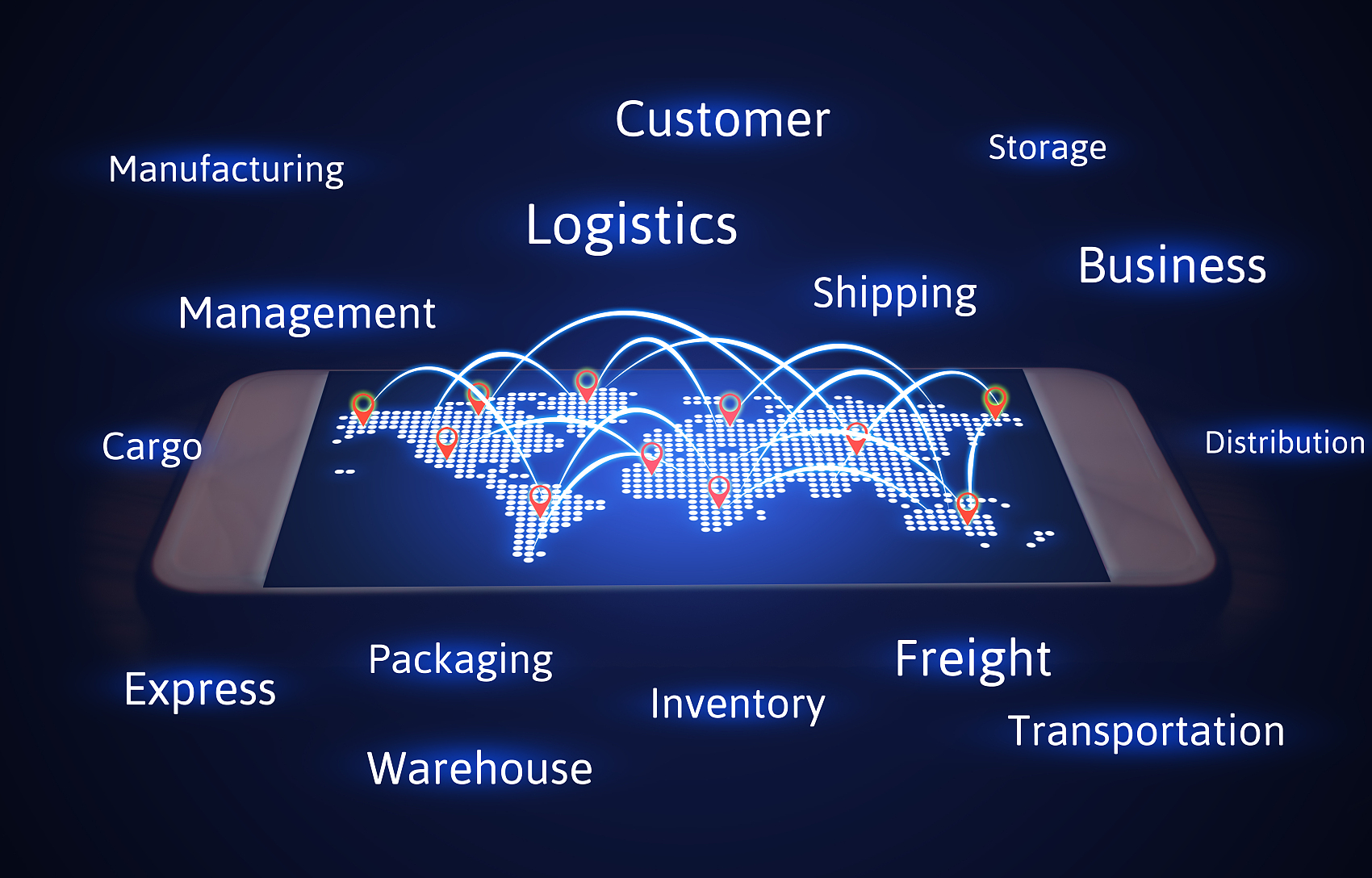
Technology plays a pivotal role in overcoming the Reefer FCL container shortage and ensuring the safe transport of electronics. Real-time tracking solutions, incorporating IoT sensors, provide continuous monitoring of temperature, humidity, and location within the container. This visibility is invaluable for preventing damage to sensitive electronics.
Furthermore, predictive analytics can forecast potential delays or temperature excursions based on historical data and current conditions. This allows logistics managers to take proactive measures, such as rerouting shipments or arranging for contingency cooling, minimizing risks. Such technological integration offers a significant Reefer FCL container shortage solution for electronics from China to UK.
Blockchain technology is also emerging as a tool for enhanced supply chain transparency and security. It creates an immutable record of a shipment’s journey, improving accountability and trust among all stakeholders. Leveraging these innovations helps protect your investment and ensures product integrity from origin to destination.
Cost Implications and Budgeting for Reefer Electronics Shipping
The Reefer FCL container shortage inevitably impacts shipping costs, making careful budgeting essential for businesses. Beyond standard freight rates, expect to encounter various surcharges, such as peak season surcharges, port congestion fees, and equipment imbalance charges. These can significantly inflate the overall cost of shipping electronics from China to the UK.
Negotiating rates with multiple carriers and freight forwarders can help secure the most competitive pricing, but flexibility is key during times of scarcity. Moreover, consider the total landed cost, which includes not only freight but also customs duties, VAT, insurance, and any potential storage fees. A comprehensive cost analysis is crucial for accurate financial planning.
Investing in robust cargo insurance is also a non-negotiable aspect of budgeting for temperature-sensitive electronics. Given the higher risks associated with potential temperature deviations or shipping delays, adequate insurance provides financial protection against unforeseen damages or losses. This foresight helps mitigate financial risks associated with the Reefer FCL container shortage.
| Cost Factor | Description | Impact on Budget |
|---|---|---|
| Base Freight Rate | Cost for container transport. | Fluctuates significantly due to market demand and shortage. |
| Peak Season Surcharge (PSS) | Extra charge during high demand periods. | Adds considerable cost during peak shipping seasons. |
| Port Congestion Surcharge | Fee for delays due to port congestion. | Unpredictable, can add unexpected costs. |
| Equipment Imbalance Surcharge | Charge for repositioning empty containers. | Common during shortages, increases overall freight cost. |
| Customs Duties & VAT | Taxes and tariffs on imported goods. | Varies by product type and value, must be accurately calculated. |
| Cargo Insurance | Protection against loss or damage. | Essential for high-value electronics, adds a small percentage of cargo value. |
Choosing the Right Logistics Partner for Your China-UK Electronics Shipments
Selecting an experienced logistics partner is paramount when facing a Reefer FCL container shortage for electronics from China to UK. Look for a freight forwarder with a proven track record in handling temperature-sensitive cargo and electronics specifically. Their expertise can make a significant difference in securing capacity and navigating complex logistics.
A reliable partner should possess a strong global network, offering diverse carrier options and routes to overcome capacity constraints. Furthermore, their ability to provide comprehensive services, including customs clearance, warehousing, and last-mile delivery in the UK, streamlines your entire supply chain. Transparency in communication and real-time tracking capabilities are also critical indicators of a trustworthy partner.
Ultimately, the right logistics partner acts as an extension of your business, offering strategic advice and proactive solutions to mitigate risks. Their insights into market conditions and regulatory changes are invaluable, ensuring your sensitive electronics reach their destination safely and efficiently, even amidst a challenging Reefer FCL container shortage.
Future Outlook: Long-term Solutions for Reefer Capacity
Addressing the Reefer FCL container shortage requires both immediate mitigation and long-term strategic solutions. The shipping industry is responding with investments in new container manufacturing, gradually increasing global reefer capacity. This expansion aims to alleviate persistent bottlenecks and support growing demand for temperature-controlled logistics.
Furthermore, port infrastructure improvements are underway in key global hubs, including those handling electronics from China to the UK. These upgrades focus on enhancing efficiency, reducing turnaround times, and improving cold storage facilities, which will collectively ease congestion. Such developments offer a sustainable Reefer FCL container shortage solution for electronics from China to UK in the coming years.
Moreover, there’s a growing emphasis on sustainable shipping practices and digitalization across the supply chain. Technologies like AI-driven route optimization and smart container management systems will contribute to more efficient use of existing resources. These collective efforts promise a more resilient and responsive logistics environment for temperature-sensitive electronics in the future.
Conclusion
The ongoing Reefer FCL container shortage solution for electronics from China to UK requires a multi-faceted approach. By embracing proactive planning, exploring diverse shipping methods, and leveraging technological advancements, businesses can overcome these hurdles. Ultimately, a strong partnership with an experienced freight forwarder is paramount to ensuring the safe and efficient delivery of your temperature-sensitive electronics.
Navigating this complex landscape successfully means safeguarding your product integrity and maintaining your competitive edge. Therefore, by implementing these strategies, you can mitigate risks and build a more resilient supply chain for your valuable cargo.
Need a tailored shipping solution?
The persistent Reefer FCL container shortage demands expert navigation to protect your valuable electronics. Don’t let supply chain disruptions compromise your business; partner with China Top Freight for tailored solutions. Contact us today to secure reliable, temperature-controlled shipping from China to the UK and ensure your sensitive cargo arrives intact.