

Navigating the Reefer FCL Container Shortage: Solutions for Machinery Shipping from China to USA
The global supply chain faces unprecedented challenges, particularly with the persistent reefer FCL container shortage, significantly impacting machinery shipments. This scarcity creates hurdles for businesses importing sensitive machinery from China to the USA, demanding innovative and robust logistical strategies. At https://chinatopfreight.com/, we specialize in overcoming these complex shipping dilemmas. This article explores comprehensive solutions to ensure your valuable machinery reaches its destination efficiently.
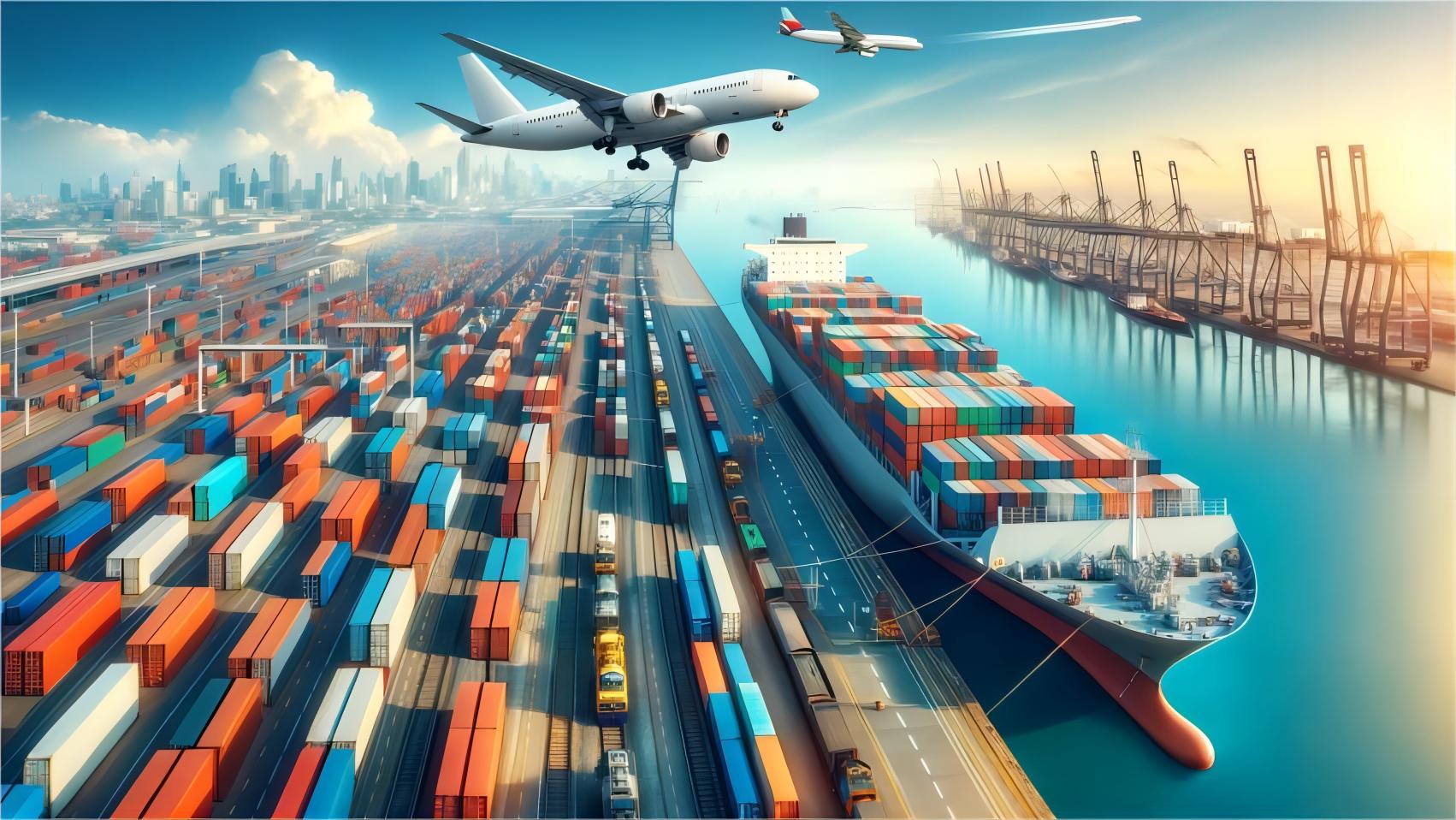
1. What is Causing the Reefer FCL Container Shortage?
The current reefer FCL container shortage stems from a confluence of factors, primarily driven by pandemic-related disruptions and shifts in global trade patterns. Port congestion, coupled with imbalanced trade flows, has left many specialized containers stranded in the wrong locations. Consequently, this has severely impacted the availability of temperature-controlled units essential for sensitive cargo.
Furthermore, increased demand for perishable goods and pharmaceuticals has prioritized reefer usage, leaving less capacity for other industries like machinery. This imbalance creates a challenging environment for businesses seeking to transport critical equipment from China to the USA. Understanding these root causes is the first step toward finding effective solutions.
2. Why is Reefer FCL Crucial for Machinery from China to USA?
Reefer FCL containers are vital for certain types of machinery, especially those containing sensitive electronic components, hydraulic systems, or precision parts susceptible to temperature and humidity fluctuations. Maintaining a stable environment prevents corrosion, condensation, and material degradation during transit. Therefore, neglecting proper temperature control can lead to costly damages and operational failures upon arrival.
Moreover, many high-value machines require specific environmental conditions to preserve their integrity and warranty. Using standard dry containers for such cargo poses significant risks. Thus, securing appropriate reefer capacity is not merely a preference but a critical requirement for successful machinery imports from China to the USA.
3. What are the Immediate Impacts of the Shortage on Machinery Imports?
The immediate impacts of the reefer FCL container shortage are manifold, ranging from significant shipping delays to escalating freight costs. Businesses face extended transit times, disrupting production schedules and delaying project completion in the USA. Consequently, this can lead to missed deadlines and a loss of market competitiveness.
Additionally, the scarcity drives up the cost-effective reefer shipping solutions, impacting overall project budgets. Importers might also encounter demurrage and detention charges due to port congestion, further increasing expenses. Managing reefer container delays for machinery effectively becomes paramount to mitigate these financial and operational setbacks.
4. How Can Businesses Secure Reefer FCL Containers Amid Scarcity?
Securing reefer containers for heavy equipment export requires proactive strategies and strong logistical partnerships. Early booking is absolutely crucial; planning shipments well in advance allows for better chances of securing available units. Furthermore, establishing long-term contracts with reliable freight forwarders can provide preferential access to limited reefer capacity.
Exploring different shipping lines and routes can also uncover hidden opportunities. Some carriers might have better equipment availability on specific lanes. Therefore, maintaining open communication with your logistics provider about your specific requirements and flexibility is key to navigating this challenging environment. This helps optimize supply chain for reefer FCL imports.
5. Are There Viable Alternative Shipping Methods for Machinery?
When reefer FCL containers are unavailable, businesses must explore alternative shipping methods for oversized machinery China to USA. Break bulk shipping is a viable option for large, non-containerizable machinery, offering flexibility for unique dimensions. However, it requires careful handling and specialized equipment at both origin and destination ports.
Air freight, while significantly more expensive, provides the fastest transit time China to USA reefer shipping, suitable for urgent or extremely high-value machinery. It also allows for greater control over environmental conditions, albeit at a premium. Each alternative presents its own set of pros and cons, which must be carefully weighed against cost and urgency.
For machinery with less stringent temperature requirements, insulated containers or specialized packaging within standard dry containers might offer a temporary solution, but these lack active temperature control. Below is a comparison to aid decision-making.
| Method | Cost | Transit Time | Temperature Control | Suitability for Machinery |
|---|---|---|---|---|
| Reefer FCL | Moderate to High | Moderate (25-45 days) | Active & Precise | Excellent for sensitive/perishable |
| Break Bulk | Moderate to High | Moderate to Long (30-60+ days) | Limited/Passive | Excellent for oversized/heavy |
| Air Freight | Very High | Fast (3-7 days) | Controlled (at premium) | Best for urgent/high-value |
| Dry FCL + Insulation | Low to Moderate | Moderate (25-45 days) | Passive/Limited | Limited for non-sensitive |

6. How Can Supply Chain Optimization Mitigate Reefer Shortage Risks?
Optimizing your supply chain for reefer FCL imports is crucial for mitigating shortage risks. This involves a holistic review of your logistics processes, from supplier selection to final delivery. Diversifying your supplier base, if feasible, can reduce reliance on a single origin point and potentially access different shipping routes.
Implementing advanced inventory management systems helps predict demand more accurately, allowing for earlier booking and better planning. Furthermore, considering multimodal transport solutions, combining sea and rail, for instance, can offer flexibility. These strategies contribute to better risk management in China-USA machinery logistics.
7. What Role Does Advanced Planning Play in Overcoming Delays?
Advanced planning is indispensable for overcoming delays associated with the reefer FCL container shortage. Developing a robust delivery schedule for your China to USA logistics for temperature-sensitive cargo is paramount. This includes factoring in potential port congestion, customs clearance delays, and extended transit times.
Moreover, establishing contingency plans for unforeseen disruptions is vital. This might involve pre-approving alternative carriers or having backup storage solutions in place. Proactive communication with all stakeholders, including suppliers, carriers, and customs brokers, ensures everyone is aligned and prepared for potential challenges.
8. How Do Customs and Regulations Affect Reefer Machinery Shipments?
Customs clearance for machinery imports from China can be complex, and the reefer shortage adds another layer of intricacy. Proper documentation is critical to avoid further delays at US ports. This includes accurate commercial invoices, packing lists, bills of lading, and any required permits for specialized machinery.
Staying informed about evolving international shipping regulations for machinery and import duties is also essential. A knowledgeable customs broker can streamline this process, ensuring compliance and preventing costly penalties. Their expertise helps navigate potential issues, especially when dealing with specialized or high-value equipment subject to strict import controls.
9. What are the Cost Implications of the Reefer Shortage?
The reefer FCL container shortage significantly impacts shipping costs, often leading to unexpected financial burdens. Increased freight rates are a direct consequence of reduced capacity and high demand. Moreover, additional surcharges for peak seasons or specific routes become more common. Understanding these factors is key to managing your budget.
Beyond direct shipping costs, businesses must also account for potential demurrage and detention charges, warehousing fees due to delays, and even increased insurance premiums for high-value cargo. Therefore, a comprehensive cost analysis, considering all potential variables, is essential for accurate budgeting and preventing financial surprises. Here—s a breakdown of key cost factors.
| Cost Factor | Description | Impact of Shortage |
|---|---|---|
| Freight Rate | Base cost for container transport | Significantly increased due to demand/supply imbalance |
| Surcharges | Additional fees (e.g., peak season, fuel) | More frequent and higher amounts |
| Demurrage/Detention | Fees for container/vessel delays | Increased due to port congestion and slower turnaround |
| Warehousing | Storage costs for delayed cargo | Potential for higher costs if goods cannot move immediately |
| Insurance | Cargo protection | May increase due to higher risk of delays/damage |
| Customs Broker Fees | Services for import clearance | Potentially higher for expedited or complex cases |
10. How Can a Professional Forwarder Provide a Comprehensive Solution?
A professional freight forwarder offers invaluable expertise and resources to overcome the reefer FCL container shortage solution for machinery from China to USA. They possess extensive networks with multiple carriers, allowing them to source containers and secure space even during periods of scarcity. Their industry insights help in navigating complex logistics trends and predicting potential bottlenecks.
Furthermore, a reliable forwarder can provide end-to-end solutions, including customs clearance, documentation, and real-time tracking for reefer machinery shipments. They act as a single point of contact, simplifying communication and streamlining the entire shipping process. Partnering with an experienced forwarder is crucial for mitigating risks and ensuring the timely, secure delivery of your valuable machinery.

Conclusion: Securing Your Machinery Shipments Amidst Shortages
The reefer FCL container shortage presents significant hurdles for importing machinery from China to the USA, demanding strategic planning and adaptable solutions. Understanding the causes and impacts is crucial, but more importantly, implementing proactive measures and exploring alternatives is key to maintaining supply chain integrity. From early booking to optimizing logistics, every step counts.
Ultimately, partnering with an experienced freight forwarder like China Top Freight is your most effective strategy. Their expertise in navigating complex routes, securing specialized containers, and managing customs ensures your valuable machinery arrives safely and efficiently. Overcome the challenges and keep your operations running smoothly with expert logistical support.
Get Your Shipping Quote Today
Don’t let the reefer FCL container shortage impede your machinery imports. Our team of experts specializes in crafting tailored logistics solutions for complex China to USA routes. Contact us today to receive a personalized quote and discover how we can streamline your shipping process, even in challenging times.
Request Quote