

Shipping goods overseas can be complex, especially when businesses need seamless ocean freight China to Italy solutions that balance cost, reliability, and compliance. Because global supply chains continue to evolve, importers must understand shipping methods, customs rules, container options, and timeline expectations to avoid delays and unexpected costs. This guide explains everything clearly, showing you how to ship efficiently while saving time and money.

What Is Ocean Freight China to Italy and Why Does It Matter?
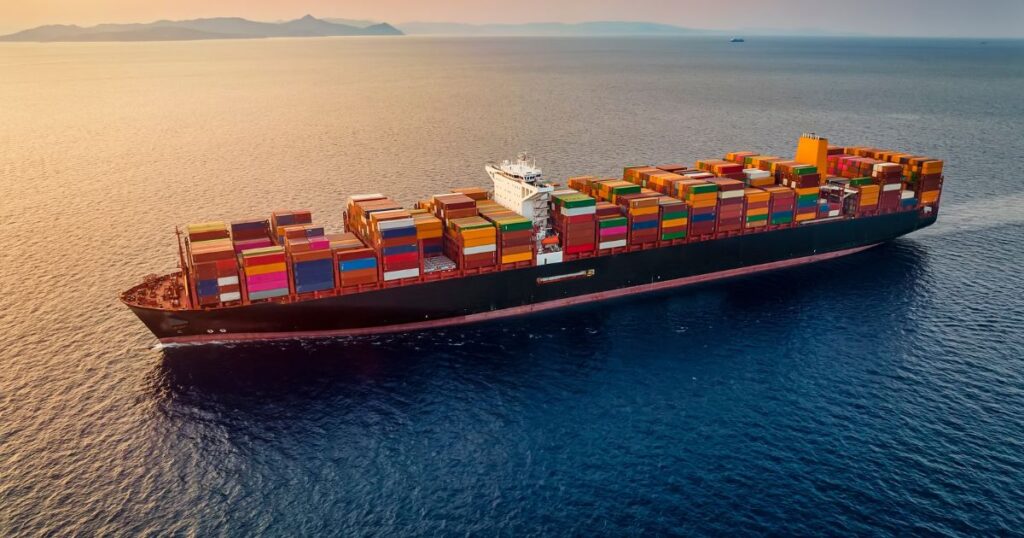
Understanding ocean freight China to Italy is essential because most importers rely on sea transport for bulk shipments, high-volume cargo, or cost-sensitive goods. Moreover, ocean shipping ensures more predictable pricing, wider container options, and flexible delivery schedules compared to air freight. Therefore, companies dealing with regular imports can reduce supply-chain risks through proper planning.
How Does Ocean Freight from China to Italy Work Step by Step?
Importers must follow a series of coordinated logistics steps. Additionally, each step requires accuracy to avoid customs delays.
Key Steps
- Supplier prepares export documents
- Freight forwarder books container space
- Cargo is picked up and transported to port
- Export customs clearance in China
- Ocean transport to Italy
- Import customs, taxes, and inspections
- Final delivery to warehouse or Amazon FBA
Because each step affects your delivery schedule, businesses must manage documents, packaging, and timing carefully.
What Are the Main Shipping Methods from China to Italy?
Choosing the right method significantly influences your shipping costs, transit time, and supply-chain stability.
| Shipping Method | Best For | Transit Time | Average Cost | Pros | Cons |
|---|---|---|---|---|---|
| FCL 20ft/40ft | Large-volume cargo | 28–38 days | Lower per CBM | Secure, fast, stable | Higher total cost |
| LCL | Small shipments | 32–45 days | Charged by CBM | Flexible, affordable | Longer time, more handling |
Long-tail keywords used: FCL shipping China to Italy, LCL shipping cost per CBM, sea freight container China to EU, 20ft container shipping price.
What are you waiting for?
Contact chinatopfreight for a fast, free quote.
Are you ready to book?
Access live instant freight quotes
How Long Does Ocean Freight from China to Italy Take?
Transit time depends on the port of origin, shipping lane, weather, customs inspections, and carrier schedules. However, most importers can expect fairly predictable delivery windows.
| China Port | Italy Port | Transit Time |
|---|---|---|
| Shanghai | Genoa | 28–35 days |
| Shenzhen | Venice | 30–38 days |
| Ningbo | Trieste | 28–36 days |
| Qingdao | La Spezia | 32–40 days |
What Are the Costs of Ocean Freight China to Italy?
Although sea freight is cost-efficient, prices fluctuate due to demand, fuel charges, container shortages, and seasonal trends. Therefore, businesses should prepare for changes.
Typical Cost Breakdown
- Ocean freight rates (FCL/LCL)
- Local charges in China (origin handling, trucking)
- Destination charges in Italy (terminal fees, delivery)
- Customs fees
- Duties and VAT
- Documentation fees
| Container Type | Approx. Cost |
|---|---|
| 20ft FCL | $1,000 – $2,000 |
| 40ft FCL | $1,800 – $3,000 |
| 40HQ | $2,000 – $3,200 |
Which Ports Should You Use for Shipping China to Italy?
Selecting the right port can reduce handling fees and speed up final delivery.
Major China Ports
- Shanghai
- Shenzhen
- Ningbo
- Qingdao
- Xiamen
Major Italy Ports
- Genoa
- Venice
- Trieste
- La Spezia
- Gioia Tauro
Because Italy connects to multiple EU markets, it provides efficient inland transportation options for cross-border distribution.
What Documents Are Required for Shipping from China to Italy?
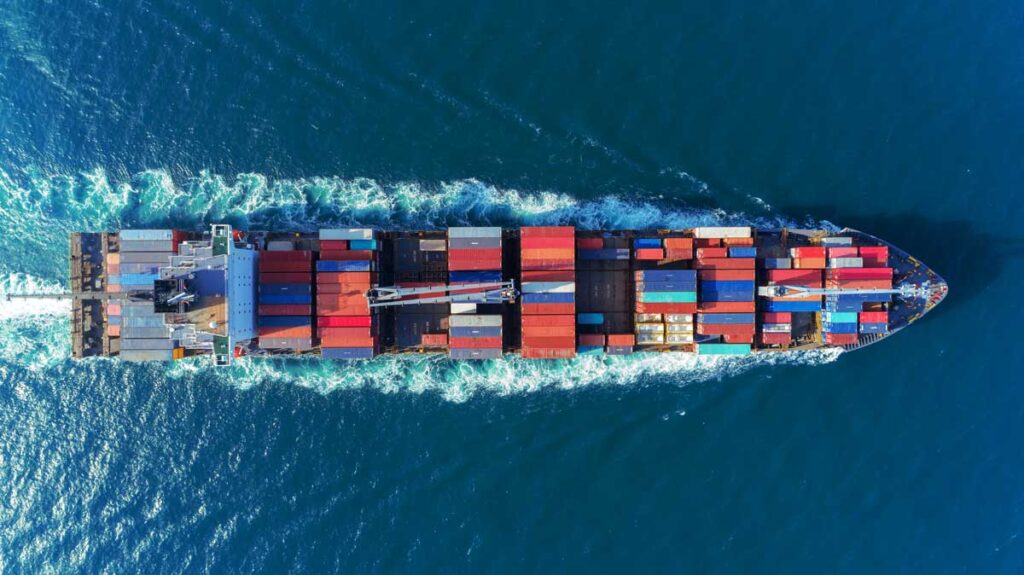
Preparing correct documentation is essential for smooth import processing. Additionally, missing paperwork may delay customs clearance.
| Document | Purpose |
|---|---|
| Commercial Invoice | Confirms product value and transaction |
| Packing List | Shows weight, dimensions, quantity |
| Bill of Lading (B/L) | Legal contract of carriage |
| Certificate of Origin | Required for duty calculation |
| HS Code List | Ensures accurate tariff classification |
| Import License (if required) | For restricted items |
Should You Choose FCL or LCL for Shipping to Italy?
Choosing FCL or LCL depends on cargo size, cost goals, timeline, and risk tolerance. Additionally, FCL reduces handling risks, while LCL provides flexibility.
Choose FCL When:
- You have more than 15–18 CBM
- You need faster transport
- You want fewer touch points
Choose LCL When:
- You ship small volumes monthly
- You want lower overall costs
- You are testing new products
What Are the Pros and Cons of Ocean Freight vs. Air
| Factor | Ocean Freight | Air Freight |
|---|---|---|
| Cost | Lower | Higher |
| Speed | Slower | Faster |
| Environmental Impact | Better | Higher emissions |
| Ideal For | Bulk cargo | Urgent shipments |
Because air freight is more expensive, ocean freight remains the preferred choice for furniture, electronics, machinery, and bulk goods.
How Do Customs, Duties & Taxes Work in Italy?
Italy follows EU customs regulations. Therefore, importers must comply with tariff rules and VAT requirements.
Common Duty Rates
Depends on HS code (0%–12% average)
VAT Rate
22% for most products
Additionally, inspections may occur during customs clearance for safety, compliance, or documentation issues.
Conclusion
Shipping through ocean freight China to Italy remains the most cost-effective and scalable option for companies moving bulk goods to the European market. Because the process involves documentation, customs compliance, and container selection, importers benefit from working with experienced freight forwarders who can manage every detail. Ultimately, choosing the right shipping method and planning ahead ensures smooth, timely, and stress-free delivery—helping your business grow in the competitive global market.
FAQ
1. How do I calculate ocean freight costs from China to Italy?
Costs depend on container size, route, fuel charges, and seasonal demand. Freight forwarders provide detailed quotes including origin fees, sea freight, customs, and delivery charges.
2. Do I need special documents for importing goods into Italy?
Yes, you must prepare a commercial invoice, packing list, bill of lading, HS codes, and sometimes certificates of origin or product-specific compliance documents.
3. How early should I book ocean freight before departure?
It’s best to book 1–2 weeks before cargo readiness, although peak seasons require earlier booking due to limited vessel space and higher container demand.
4. Can I ship fragile goods by sea freight to Italy?
Yes, but proper packaging, cushioning, palletizing, and clear labeling are essential to reduce handling risks during loading, unloading, and long ocean transit.
5. What factors affect transit time from China to Italy?
Carrier schedules, port congestion, customs inspections, weather conditions, and chosen shipping routes all influence delivery timelines and overall transportation speed.