

Ocean Freight China to Singapore: Your Complete Shipping Guide
Shipping goods from China to Singapore requires careful planning and a clear understanding of logistics. Consequently, choosing the right ocean freight strategy is crucial for efficiency and cost-effectiveness. This comprehensive guide, brought to you by China Top Freight, provides essential insights into navigating this vital trade route.
Understanding Ocean Freight from China to Singapore
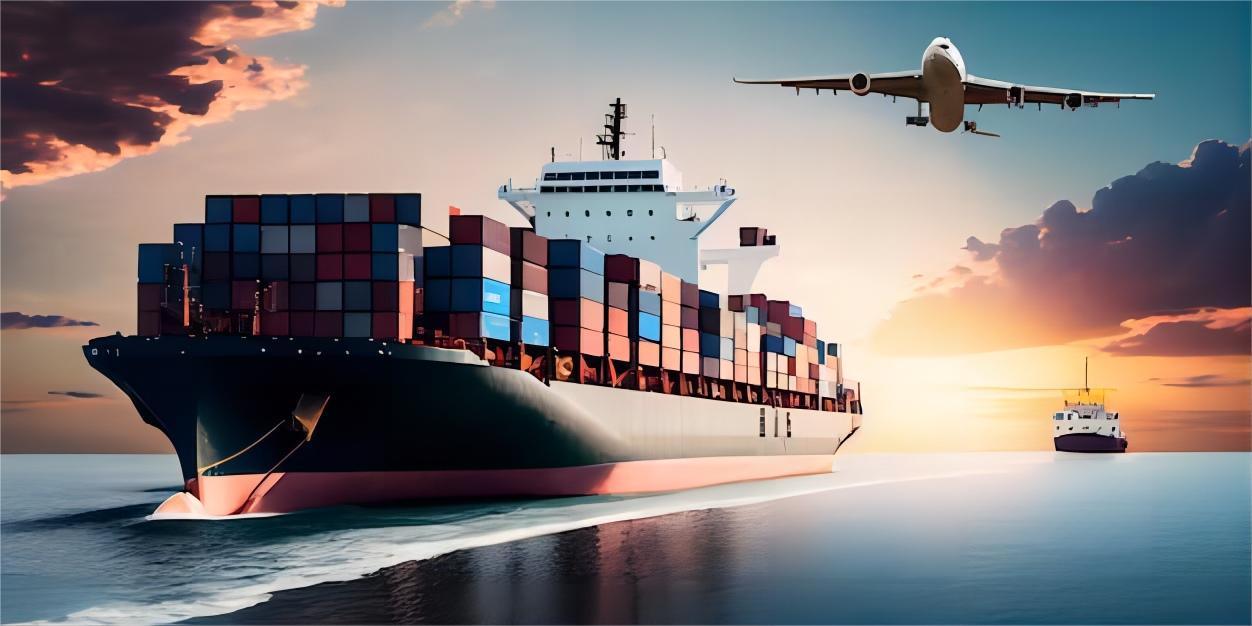
Ocean freight remains the cornerstone of international trade between China and Singapore. This method is particularly favored for its cost-effectiveness when shipping large volumes or heavy cargo. Moreover, it plays a critical role in the global supply chain, supporting various industries.
The maritime route connecting these two economic powerhouses is bustling, with frequent vessel departures from major Chinese ports. Consequently, shippers have numerous options for their cargo. Understanding the nuances of ocean freight from China to Singapore is therefore essential for successful importation.
Key Factors Influencing Ocean Freight Costs and Transit Times
Several variables directly impact the overall cost and delivery schedule of your ocean freight. Knowing these factors helps in budgeting and planning your shipments effectively. Ultimately, informed decisions lead to better logistics outcomes.
Moreover, market conditions, fuel prices, and seasonal demand can cause significant fluctuations in freight rates. Therefore, securing a current quote is always advisable. Understanding these elements is crucial for managing your shipping costs China to Singapore.
Cost Components of Ocean Freight
Ocean freight rates encompass more than just the vessel space itself. Typically, these costs include terminal handling charges (THC) at both origin and destination ports. Additionally, documentation fees, customs clearance charges, and potentially drayage expenses contribute to the total.
Furthermore, various surcharges, such as BAF (Bunker Adjustment Factor) and CAF (Currency Adjustment Factor), can be applied. These adjust for fuel price volatility and currency exchange rates, respectively. Consequently, a detailed breakdown from your freight forwarder is always beneficial.
Transit Time Factors for China to Singapore
The transit time for ocean freight from China to Singapore typically ranges from 5 to 15 days. However, this can vary significantly based on several factors. Direct services are generally faster than routes involving transshipment.
Port congestion, vessel speed, and weather conditions can also affect the delivery schedule. Furthermore, the specific origin port in China and the chosen shipping line influence the overall duration. Planning with realistic transit times is crucial for managing inventory.
FCL vs. LCL: Choosing the Right Container Option
When shipping via sea freight, one of the primary decisions is whether to opt for Full Container Load (FCL) or Less than Container Load (LCL). Each option offers distinct advantages and disadvantages, depending on your cargo’s volume and weight. Therefore, understanding the differences is paramount for optimizing your shipping strategy.
Your choice between FCL and LCL will directly impact your shipping costs and transit time. Ultimately, selecting the most suitable method ensures efficiency and cost-effectiveness for your ocean freight China to Singapore. Consider your cargo specifications carefully before deciding.
| Feature | FCL (Full Container Load) | LCL (Less than Container Load) |
|---|---|---|
| Cargo Volume | Large (15+ CBM) | Small (1-15 CBM) |
| Cost Efficiency | Lower per unit for large volumes | Higher per unit, but lower total for small volumes |
| Transit Time | Generally faster (direct route) | Potentially slower (consolidation/deconsolidation) |
| Cargo Security | Higher (less handling) | Moderate (more handling) |
| Flexibility | Less flexible (container size) | More flexible (pay for space used) |
Full Container Load (FCL)
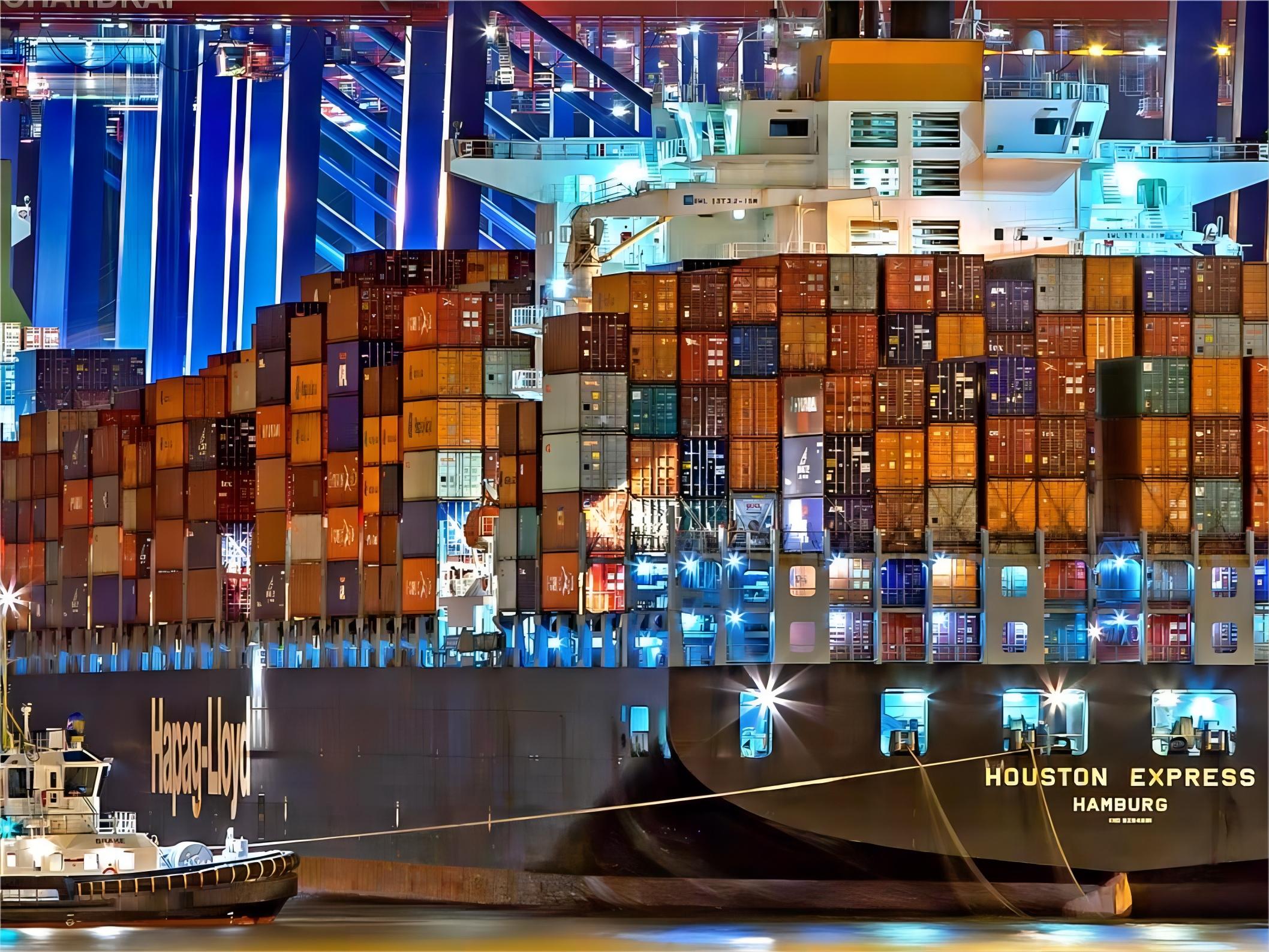
FCL means your goods occupy an entire shipping container, whether it’s a 20-foot or 40-foot unit. This option is ideal for larger shipments that can fill a container or when you require exclusive use of the container. Consequently, it often results in faster transit times.
Moreover, FCL shipments generally involve less handling, reducing the risk of damage. While the per-unit cost might be lower for larger volumes, the overall cost is higher than LCL. This method is particularly suitable for businesses with consistent, high-volume shipping needs.
Less than Container Load (LCL)
LCL shipping involves consolidating multiple shippers’ goods into one container. This is a cost-effective solution for smaller shipments that don’t require an entire container. Consequently, you only pay for the space your cargo occupies.
However, LCL shipments typically have longer transit times due to the additional consolidation and deconsolidation processes at origin and destination. There is also a slightly higher risk of handling damage. Nevertheless, it’s an excellent option for managing small-volume shipping costs China to Singapore.
Navigating Customs and Documentation for Singapore Imports
Successful import of goods from China to Singapore heavily relies on accurate customs procedures and comprehensive documentation. Therefore, understanding the requirements is paramount to avoid delays and penalties. Proper preparation ensures a smooth customs clearance China Singapore process.
Engaging a reliable customs brokerage service can significantly streamline this complex process. They possess the expertise to handle all necessary paperwork and ensure compliance with Singaporean regulations. This support is invaluable for both experienced and new importers.
Essential Documents Checklist
A range of documents is required for customs clearance in Singapore. Preparing these accurately and in advance is crucial. Incomplete or incorrect paperwork can lead to significant delays and additional costs.
Consequently, maintaining meticulous records for every shipment is a best practice. This proactive approach helps in expediting the import process and ensuring compliance.
| Document | Purpose | Notes |
|---|---|---|
| Commercial Invoice | Details of goods, value, seller, buyer | Crucial for customs valuation and duties |
| Packing List | Details of contents, weight, dimensions per package | Aids in cargo inspection and handling |
| Bill of Lading (B/L) | Contract of carriage, title to goods | Issued by the carrier, essential for cargo release |
| Certificate of Origin | Confirms goods’ country of manufacture | May qualify for preferential tariffs under FTAs |
| Import Permit (e.g., TradeNet) | Required for specific regulated goods | Obtained via Singapore’s TradeNet system |
| Insurance Certificate | Proof of cargo insurance coverage | Protects against loss or damage during transit |
Singapore Import Regulations
Singapore has specific import regulations, particularly for controlled goods such as food products, pharmaceuticals, and certain electronics. Importers must comply with these regulations to avoid legal issues. Therefore, checking for specific permit requirements well in advance is essential.
Additionally, Singapore operates on a Goods and Services Tax (GST) system, which is currently 9%. This tax is levied on the CIF (Cost, Insurance, Freight) value of imported goods. Understanding these financial obligations is key to accurate landed cost calculations.
How Does Ocean Freight Compare to Other Shipping Options?
While ocean freight from China to Singapore is often the most economical choice, it is not the only option available. Furthermore, various shipping methods cater to different priorities, such as speed, cost, and cargo type. Comparing these alternatives helps in making an informed logistics decision.
Understanding the trade-offs between speed and cost is fundamental. Consequently, businesses can select a strategy that best aligns with their operational needs and budget. This objective analysis is crucial for optimizing your supply chain China Singapore.
Sea Freight vs. Air Freight
Sea freight is undoubtedly the most cost-effective solution for bulk and heavy cargo. However, its main drawback is the longer transit time. For example, a container can take 5-15 days by sea.
Conversely, air freight offers significantly faster delivery, typically 1-3 days from China to Singapore. This speed comes at a much higher cost, making it suitable for high-value, time-sensitive, or perishable goods. Therefore, the choice depends on urgency and budget.
Hybrid Solutions and Express Services
For situations requiring a balance between speed and cost, hybrid solutions can be considered. Although not directly applicable for China to Singapore via rail, sea-air combinations are used for other routes. These blend the efficiency of sea travel with the speed of air transport.
Additionally, express service options, often utilizing air cargo networks, provide door-to-door delivery within days. While more expensive than standard air freight, they offer unparalleled speed and convenience for urgent, smaller parcels. These are crucial for fast-moving e-commerce.
Shipping Method Comparison
Here is a comparison of typical shipping methods from China to Singapore, highlighting their key characteristics. This overview helps in evaluating the best fit for your specific cargo and business needs. Therefore, review these points carefully.
| Shipping Method | Cost Range (per kg/CBM) | Transit Time | Best For | Limitations |
|---|---|---|---|---|
| Ocean Freight (FCL) | $0.05 – $0.15/kg (or per container) | 5-10 days | Large, heavy, non-urgent cargo | Slowest transit, port-to-port |
| Ocean Freight (LCL) | $0.10 – $0.30/kg (or per CBM) | 8-15 days | Smaller, non-urgent cargo | Slower, more handling, minimum charges |
| Air Freight | $3.00 – $8.00/kg | 1-3 days | Time-sensitive, high-value, perishable goods | Most expensive, volume/weight restrictions |
| Express Service | $5.00 – $15.00/kg | 1-2 days | Urgent, small parcels, e-commerce | Very expensive, strict weight/size limits |

Which Option Should You Choose?
The optimal shipping method largely depends on your priorities and cargo specifics. Consequently, a clear decision framework can guide your choice. Consider these points when evaluating your options.
If budget is your top priority, especially for large volumes, ocean freight is the clear winner. For instance, a 40HQ container via sea freight might cost $500-1000, while air freight for the same volume would be prohibitively expensive. Conversely, if speed is paramount, air freight or express service is indispensable, despite the higher cost. Cargo type also plays a role; delicate or high-value items often benefit from air freight’s faster transit and reduced handling. Additionally, volume thresholds are key: LCL is cost-effective up to about 15 CBM, after which FCL becomes more economical. Ultimately, balancing these factors is essential for effective logistics solutions China Singapore.
Streamlining Your Supply Chain: Services for China to Singapore
Efficient logistics are critical for any business importing from China to Singapore. Therefore, partnering with a reputable freight forwarder that offers comprehensive services can significantly streamline your operations. These services cover every stage of the shipping process.
From origin to destination, a full suite of services ensures smooth transit and delivery. Consequently, businesses can focus on their core competencies, knowing their cargo is in capable hands. This integrated approach is vital for robust supply chain management.
Comprehensive Logistics Solutions
A reliable freight forwarder provides end-to-end solutions, encompassing everything from cargo pickup to final delivery. This includes cargo consolidation, warehousing, and customs clearance. Ultimately, these services aim to simplify the complex import process.
For instance, door to door services offer maximum convenience, handling all logistical aspects. Furthermore, specialized services like Amazon FBA shipping ensure compliance with e-commerce platform requirements. These options are designed to meet diverse business needs.
Why Partner with a Professional Freight Forwarder?
Partnering with an experienced freight forwarder offers numerous advantages. They possess in-depth knowledge of international shipping regulations and optimize routes for cost and efficiency. Furthermore, they can negotiate competitive freight rates China to Singapore.
Moreover, a professional partner provides valuable insights into logistics trends and potential challenges. They act as a single point of contact, managing multiple carriers and customs procedures. This expertise saves time, reduces risk, and enhances overall shipping reliability.
Real-World Scenarios: Ocean Freight China to Singapore
Examining real-world examples helps illustrate the practical application of ocean freight strategies. These case studies highlight typical challenges and successful outcomes for shipments from China to Singapore. They provide tangible insights into transit times and shipping costs China to Singapore.
Based on typical rates as of early 2025, these scenarios offer realistic perspectives. Note that freight rates are subject to change based on fuel costs, carrier capacity, and seasonal demand. Always contact us for a current quote tailored to your specific shipment.
Case Study 1: Electronics Shipment (LCL)
This case involved a small business importing consumer electronics components. The focus was on balancing cost-efficiency with reasonable delivery speed for ongoing production. LCL was the chosen method due to the cargo volume.
| Detail | Description |
|---|---|
| Route | Shenzhen, China -> Singapore |
| Cargo | Electronics components, 3 CBM, 450 kg |
| Container | LCL 3 CBM |
| Shipping Details | |
| – Carrier/Service | Major carrier (e.g., COSCO) |
| – Port of Loading | Yantian, Shenzhen |
| – Port of Discharge | PSA Singapore |
| – Route Type | Direct service |
| Cost Breakdown (Estimated Q1 2025) | |
| – Ocean Freight | $150 |
| – Origin Charges (THC, documentation) | $80 |
| – Destination Charges (THC, D/O, customs handling) | $120 |
| – Customs & Duties (estimated) | $50 (GST on CIF value) |
| – Total Landed Cost | $400 |
| Timeline | |
| – Booking to Loading | 3 days |
| – Sea Transit | 7 days |
| – Customs Clearance | 2 days |
| – Total Door-to-Door | 12 days |
| Key Insight | LCL proved cost-effective for smaller volume, but required careful consolidation planning. |
Case Study 2: Industrial Machinery (FCL)
A manufacturing firm needed to import a piece of industrial machinery, which was too large for LCL. Speed was secondary to ensuring safe and secure transport. FCL was the optimal choice for this valuable and bulky cargo.
| Detail | Description |
|---|---|
| Route | Shanghai, China -> Singapore |
| Cargo | Industrial lathe, 25 CBM, 8,000 kg |
| Container | 20GP |
| Shipping Details | |
| – Carrier/Service | Major carrier (e.g., Maersk) |
| – Port of Loading | Shanghai |
| – Port of Discharge | PSA Singapore |
| – Route Type | Direct service |
| Cost Breakdown (Estimated Q1 2025) | |
| – Ocean Freight | $550 |
| – Origin Charges (THC, documentation) | $180 |
| – Destination Charges (THC, D/O, customs handling) | $250 |
| – Customs & Duties (estimated) | $120 (GST on CIF value) |
| – Total Landed Cost | $1,100 |
| Timeline | |
| – Booking to Loading | 5 days |
| – Sea Transit | 8 days |
| – Customs Clearance | 1 day |
| – Total Door-to-Door | 14 days |
| Key Insight | FCL offered better security and a predictable schedule for high-value, oversized goods. |
Case Study 3: E-commerce Goods (FCL)
An e-commerce retailer required regular shipments of various consumer goods to their Singapore warehouse. Consistency, cost-efficiency, and adherence to delivery schedules were top priorities. Utilizing FCL for consolidating diverse products proved most effective.
| Detail | Description |
|---|---|
| Route | Ningbo, China -> Singapore |
| Cargo | Mixed consumer goods, 60 CBM, 12,000 kg |
| Container | 40HQ |
| Shipping Details | |
| – Carrier/Service | Major carrier (e.g., MSC) |
| – Port of Loading | Ningbo |
| – Port of Discharge | PSA Singapore |
| – Route Type | Direct service |
| Cost Breakdown (Estimated Q1 2025) | |
| – Ocean Freight | $850 |
| – Origin Charges (THC, documentation) | $220 |
| – Destination Charges (THC, D/O, customs handling) | $300 |
| – Customs & Duties (estimated) | $180 (GST on CIF value) |
| – Total Landed Cost | $1,550 |
| Timeline | |
| – Booking to Loading | 4 days |
| – Sea Transit | 9 days |
| – Customs Clearance | 2 days |
| – Total Door-to-Door | 15 days |
| Key Insight | Optimized container loading and direct routes minimized costs and enhanced delivery predictability for e-commerce stock replenishment. |

Conclusion: Navigating Your Ocean Freight China to Singapore Successfully
Successfully managing ocean freight from China to Singapore involves understanding various factors, from cost components to customs regulations. By carefully considering FCL vs. LCL, comparing shipping alternatives, and preparing proper documentation, businesses can achieve efficient and cost-effective logistics. Ultimately, a well-planned strategy is key.
Partnering with a knowledgeable freight forwarder is crucial for streamlining your supply chain. This collaboration ensures compliance, optimizes transit times, and secures competitive shipping rates. Therefore, making informed decisions about your ocean freight China to Singapore is vital for sustained success in international trade.
Get Your Shipping Quote Today
Ready to optimize your ocean freight from China to Singapore? Contact us today for a personalized quote and expert guidance. Our team is prepared to help you navigate the complexities of international shipping with confidence and efficiency.
Request Quote