

Ocean Freight Rates from China to India: Your Comprehensive Guide
Understanding ocean freight rates from China to India is crucial for businesses engaged in international trade. Navigating the complexities of shipping costs, transit times, and regulations can be challenging; however, with the right information, you can optimize your supply chain and reduce expenses. Discover efficient and reliable logistics solutions for your cargo by visiting China Top Freight.
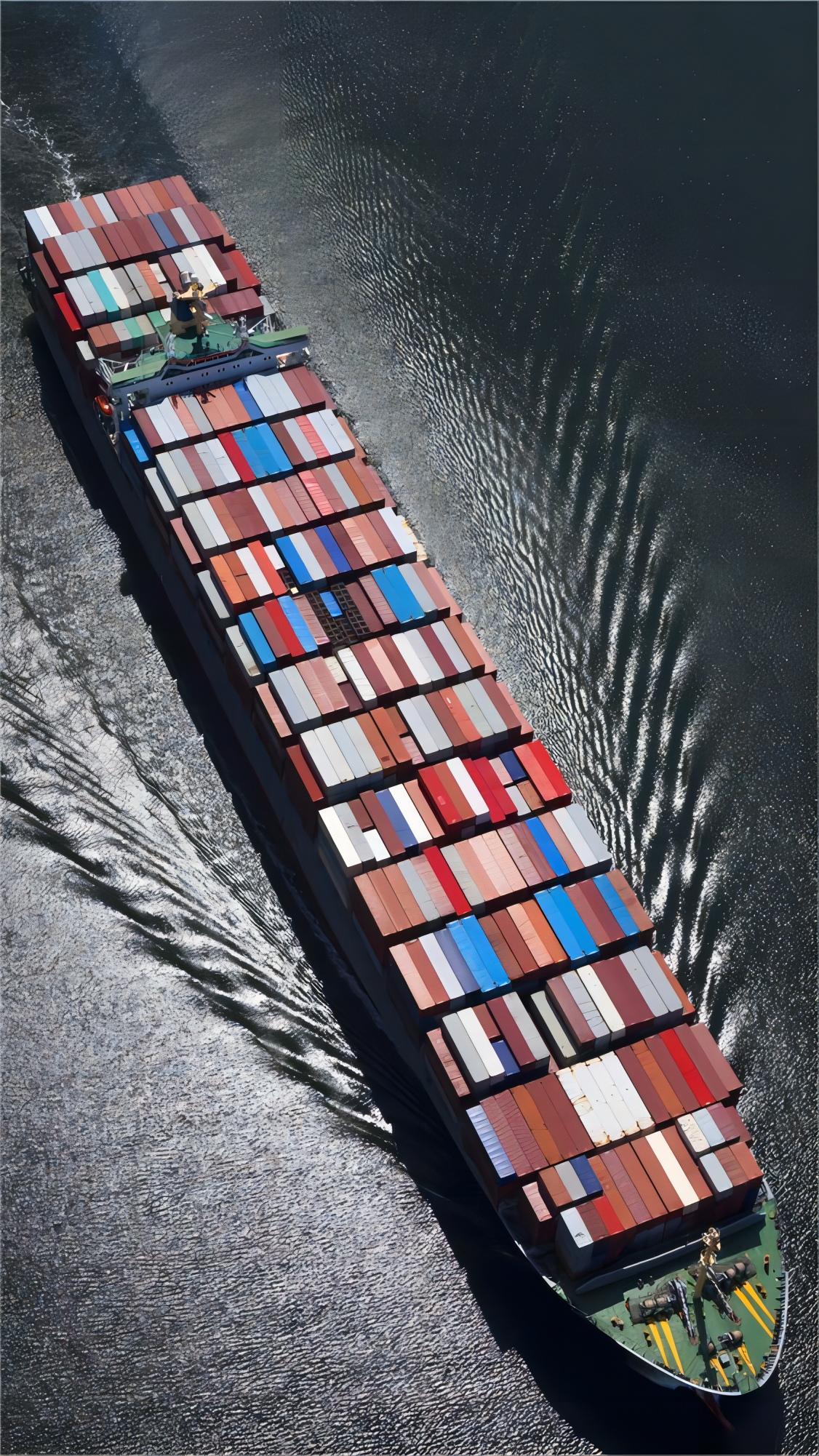
What Factors Influence Ocean Freight Rates from China to India?
Several key elements collectively determine ocean freight rates from China to India, impacting your overall shipping costs. Primarily, the type and volume of your cargo play a significant role, as larger or specialized goods often incur higher charges. Furthermore, the chosen shipping method, whether Full Container Load (FCL) or Less than Container Load (LCL), directly affects pricing.
Additionally, market dynamics, including fuel prices, carrier capacity, and seasonal demand fluctuations, heavily influence rates. For instance, peak seasons like before major holidays can see considerable price surges. Consequently, understanding these variables is essential for accurate budgeting and strategic planning for your imports.

Understanding Different Shipping Methods for China-India Routes
When shipping goods from China to India, selecting the appropriate freight method is paramount for efficiency and cost-effectiveness. The two primary options are Full Container Load (FCL) and Less than Container Load (LCL). Ultimately, your choice depends on your cargo volume, budget, and urgency requirements.
FCL involves booking an entire container, typically 20-foot or 40-foot, exclusively for your goods. This method is generally more economical for larger shipments, offering faster transit times and reduced handling. Conversely, LCL allows you to share container space with other shippers, making it ideal for smaller volumes. While LCL is more flexible, it may involve longer transit times due to consolidation and deconsolidation processes.
How to Get the Best Ocean Freight Rates to India from China?
Securing competitive ocean freight rates requires strategic planning and a clear understanding of the market. Firstly, comparing quotes from multiple reputable freight forwarders is always advisable to gauge current pricing. Moreover, booking in advance, especially during peak seasons, can help avoid last-minute surcharges and secure better deals.
Secondly, consider optimizing your cargo’s packaging and dimensions to maximize container space, thereby reducing per-unit shipping costs. Also, exploring flexible transit times can often lead to lower rates, as direct routes are typically more expensive. Partnering with an experienced logistics provider, such as those specializing in sea freight, can offer valuable insights and negotiation power.

Key Ports and Transit Times for China to India Shipping
The journey from China to India involves several major ports, each impacting transit times and overall logistics. In China, key loading ports include Shanghai, Ningbo, Shenzhen, and Qingdao, renowned for their extensive global connections and high cargo volumes. These ports serve as vital gateways for goods destined for the Indian subcontinent.
Upon arrival in India, prominent discharge ports include Nhava Sheva (Mumbai), Chennai, Mundra, and Kolkata. These Indian ports are strategically located to serve various industrial and commercial hubs across the country. The typical transit time for ocean freight from China to India usually ranges from 15 to 25 days, depending on the specific origin and destination ports, carrier, and route chosen. However, direct services often offer faster delivery schedules.
Here’s a general overview of transit times from major Chinese ports to key Indian destinations:
| Origin Port (China) | Destination Port (India) | Estimated Transit Time (Days) | Typical Route |
|---|---|---|---|
| Shanghai | Nhava Sheva (Mumbai) | 18-22 | Direct or via Singapore |
| Shenzhen | Chennai | 15-20 | Direct or via Colombo |
| Ningbo | Mundra | 20-25 | Direct or via Singapore |
| Qingdao | Kolkata | 22-28 | Via Singapore or Port Klang |
How Does Ocean Freight Compare to Other Shipping Options?
When importing from China to India, ocean freight is often the most economical choice for bulk cargo, yet other methods offer distinct advantages. Comparing these options helps shippers make informed decisions based on their specific needs for speed, cost, and cargo type. Therefore, understanding the trade-offs is crucial for effective supply chain management.
While air freight provides significantly faster transit times, it comes at a much higher cost, suitable for urgent or high-value goods. For less time-sensitive but substantial shipments, ocean freight remains unparalleled in cost-efficiency. Meanwhile, express services, often a blend of air and ground transport, cater to smaller, time-critical parcels, offering door-to-door convenience.
| Shipping Method | Cost Range (per kg/CBM) | Transit Time (Days) | Best For | Limitations |
|---|---|---|---|---|
| Ocean Freight (FCL) | $50-100/CBM (approx.) | 15-25 | Large volumes, heavy goods, non-urgent | Slower, port-to-port only |
| Ocean Freight (LCL) | $80-150/CBM (approx.) | 20-35 | Smaller volumes, cost-sensitive | Slower, more handling, potential delays |
| Air Freight | $4-8/kg (approx.) | 3-7 | Urgent, high-value, perishable goods | High cost, weight/volume restrictions |
| Express Service | $8-15/kg (approx.) | 2-5 | Small packages, documents, e-commerce | Very high cost, strict size/weight limits |
Which Shipping Option Should You Choose for Your China-India Shipments?
Selecting the optimal shipping method depends entirely on your specific business requirements and cargo characteristics. Consequently, a clear decision framework can guide your choice between the various freight options available. Ultimately, balancing cost, speed, and reliability is key to a successful import strategy.
If budget is your primary concern and you are shipping large volumes of non-perishable goods, ocean freight is undoubtedly the most cost-effective solution. Conversely, for time-sensitive or high-value items, air freight offers the necessary speed, despite its higher price point. Moreover, for smaller, urgent parcels, an express service provides unparalleled door-to-door delivery convenience. Always consider cargo type, volume thresholds, and required delivery schedule before finalizing your decision.
Navigating Customs and Documentation for India Imports
Successfully importing goods from China to India requires meticulous attention to customs procedures and documentation. Indeed, proper preparation can significantly expedite the customs clearance process and prevent costly delays. Therefore, understanding the necessary paperwork is crucial for smooth international trade.
Key documents typically include the Commercial Invoice, Packing List, Bill of Lading (for sea freight) or Air Waybill (for air freight), Certificate of Origin, and any required permits or licenses specific to your goods. Engaging a reliable customs brokerage service is highly recommended to ensure compliance with Indian import regulations and efficient cargo handling. This expertise minimizes risks and ensures a seamless transition of your goods across borders.
Real-World Scenarios: Case Studies in China-India Shipping
Examining actual shipping scenarios can provide practical insights into managing ocean freight rates from China to India. These case studies highlight typical challenges, cost structures, and successful strategies for various types of cargo. They illustrate how different factors influence the final logistics outcome.
Case Study 1: FCL Shipment of Textiles
This scenario demonstrates a typical Full Container Load (FCL) shipment for a textile importer in India, focusing on balancing cost and reasonable transit time.
| Detail | Description |
|---|---|
| Route | Shanghai, China -> Nhava Sheva (Mumbai), India |
| Cargo | Textile fabrics and apparel, 58 CBM, 9,500 kg |
| Container | 1 x 40HQ |
| Shipping Details | Carrier: COSCO, Port of Loading: Shanghai, Port of Discharge: Nhava Sheva, Route Type: Direct |
| Cost Breakdown | Ocean Freight: $2,800, Origin Charges: $450, Destination Charges: $600, Customs & Duties (estimated): $1,500, Total Landed Cost: $5,350 |
| Timeline | Booking to Loading: 5 days, Sea Transit: 19 days, Customs Clearance: 3 days, Total Door-to-Door: 27 days |
| Key Insight | Based on Q3 2024 market rates, direct service provided good balance of cost and speed. Efficient customs brokerage was key to quick clearance. |
Case Study 2: LCL Shipment of Electronics Components
This case study illustrates an Less than Container Load (LCL) shipment for a small electronics manufacturer, prioritizing cost-effectiveness for smaller cargo volumes.
| Detail | Description |
|---|---|
| Route | Shenzhen, China -> Chennai, India |
| Cargo | Electronics components, 8 CBM, 1,200 kg |
| Container | LCL 8 CBM |
| Shipping Details | Carrier: Maersk (LCL consolidated), Port of Loading: Shenzhen, Port of Discharge: Chennai, Route Type: Transshipment via Colombo |
| Cost Breakdown | Ocean Freight: $960, Origin Charges: $280, Destination Charges: $450, Customs & Duties (estimated): $800, Total Landed Cost: $2,490 |
| Timeline | Booking to Loading: 7 days, Sea Transit: 25 days, Customs Clearance: 4 days, Total Door-to-Door: 36 days |
| Key Insight | Typical rates as of early 2025 show LCL is economical for smaller volumes, but transshipment adds transit time. Consolidation efficiency impacted overall delivery schedule. |
Case Study 3: FCL Bulk Machinery Shipment with Seasonal Variance
This example highlights an FCL shipment of heavy machinery, noting the impact of seasonal rate fluctuations and the importance of timely booking.
| Detail | Description |
|---|---|
| Route | Ningbo, China -> Mundra, India |
| Cargo | Industrial machinery, 62 CBM, 18,000 kg |
| Container | 1 x 40GP |
| Shipping Details | Carrier: MSC, Port of Loading: Ningbo, Port of Discharge: Mundra, Route Type: Direct |
| Cost Breakdown | Ocean Freight: $3,200, Origin Charges: $500, Destination Charges: $700, Customs & Duties (estimated): $2,000, Total Landed Cost: $6,400 |
| Timeline | Booking to Loading: 6 days, Sea Transit: 21 days, Customs Clearance: 3 days, Total Door-to-Door: 30 days |
| Key Insight | Market data suggests Q4 2024 peak season rates were approximately 15% higher than off-peak. Booking early mitigated some of the seasonal increase, ensuring a predictable delivery schedule. |
Door-to-Door Service: Simplifying Your Logistics
For many importers, managing multiple logistics touchpoints can be a complex and time-consuming endeavor. Consequently, a comprehensive door-to-door service streamlines the entire shipping process from origin to final destination. This integrated solution provides unparalleled convenience and peace of mind.
A reliable door-to-door service handles everything from pickup at the supplier’s factory in China to customs clearance and final delivery to your warehouse in India. This approach significantly reduces administrative burden and coordination efforts on your part. Moreover, it often leads to greater cost predictability and improved efficiency across your entire supply chain.
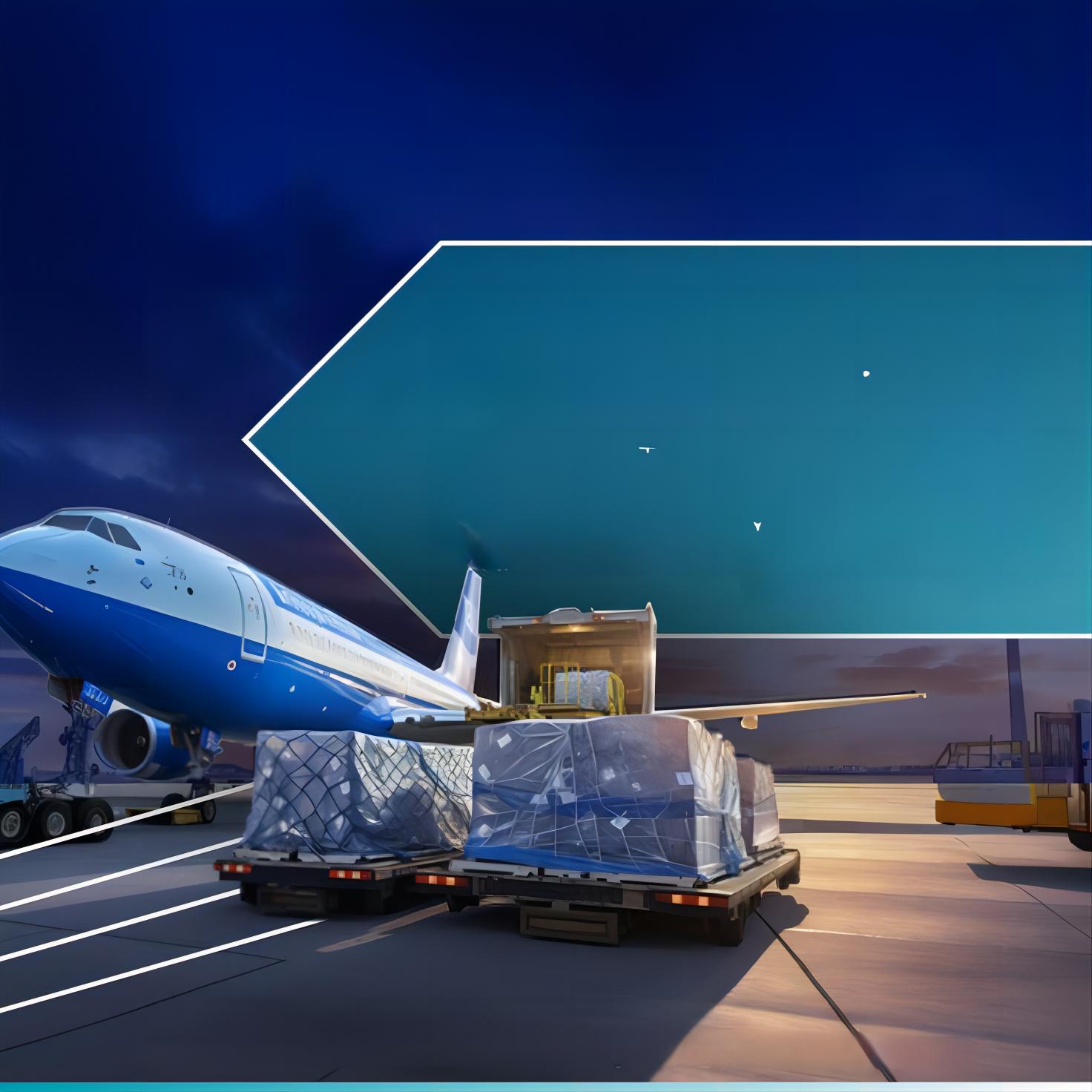
Market Trends Affecting China-India Ocean Freight Rates
The ocean freight market between China and India is constantly evolving, influenced by various global and regional trends. As of Q1 2025, freight rates have largely stabilized after periods of volatility, yet remain susceptible to geopolitical events and supply-demand imbalances. Industry benchmarks indicate a general softening of rates compared to the pandemic-induced highs.
Seasonal patterns also play a crucial role, with rates typically increasing by 10-20% during August-October due to holiday shipping rushes. Furthermore, port congestion at major Indian hubs can cause delays and additional surcharges, impacting overall shipping costs. Staying informed about these logistics trends is vital for forecasting and managing your import budget effectively. Note: Freight rates are subject to change based on fuel costs, carrier capacity, and seasonal demand. Contact us for a current quote tailored to your specific shipment.
Conclusion: Mastering Your Ocean Freight from China to India
Effectively managing ocean freight rates from China to India requires a comprehensive understanding of market factors, shipping methods, and regulatory requirements. By strategically planning your shipments, leveraging reliable logistics partners, and staying informed about market trends, businesses can significantly optimize their supply chain. Ultimately, informed decisions lead to cost savings and more predictable delivery schedules.
Whether you choose FCL or LCL, the goal is to find a solution that aligns with your budget, cargo volume, and urgency. For seamless and efficient import/export operations, partnering with an experienced freight forwarder is invaluable. They provide the expertise needed to navigate the complexities and secure the best possible rates for your specific needs.
Ready to streamline your logistics?
Ready to streamline your shipping from China to India? Contact China Top Freight today for a personalized quote and expert guidance on optimizing your ocean freight strategy. Our team is prepared to help you navigate the complexities of international logistics.
Request Quote