

Ocean Freight Time from China to USA: Your Ultimate Guide
Understanding the precise ocean freight time from China to USA is crucial for businesses aiming for efficient supply chain management. Many factors influence how long your goods spend at sea and in transit. This comprehensive guide will help you navigate these complexities, offering insights into typical durations and optimization strategies.

What Factors Influence Ocean Freight Time from China to USA?
Numerous variables collectively determine the overall sea freight duration from China to the USA. It is not merely the time a vessel spends at sea but a complex interplay of logistical elements. Consequently, understanding these factors allows for better planning and more accurate delivery schedule predictions.
Crucially, knowing these influencing elements helps businesses mitigate potential delays. By carefully considering each aspect, importers can make informed decisions to optimize their shipping process and improve supply chain efficiency.
Direct Routes vs. Transshipment
Essentially, direct routes offer the fastest transit times as vessels sail straight from the port of loading to the port of discharge. However, these services might be less frequent or more expensive. Therefore, many shipments involve transshipment, meaning cargo is transferred between vessels at an intermediate port, adding several days to the journey.
Often, transshipment hubs like Busan (South Korea) or Singapore are utilized for consolidation or to reach less common destinations. Consequently, this adds to the overall ocean freight time from China to USA, impacting your delivery schedule significantly.
Port Congestion and Delays
Inevitably, port congestion remains a significant factor affecting shipping times. Major ports in both China and the USA, such as Shanghai, Ningbo, Los Angeles, and Long Beach, can experience severe backlogs. Moreover, these delays occur due to high volumes, labor shortages, or adverse weather conditions.
Furthermore, unexpected events like equipment breakdowns or customs inspections can exacerbate these issues. Therefore, monitoring port conditions and choosing less congested ports when possible are vital strategies for reducing transit time.
Carrier Selection and Service Levels
Different shipping carriers offer varying service levels, impacting both speed and cost. For example, premium services often guarantee faster transit times at a higher price point. Conversely, standard services are more economical but might involve longer waits or less predictable schedules.
Accordingly, selecting the right carrier involves balancing your budget and urgency requirements. Researching carrier reliability and their specific route offerings is paramount for optimizing your ocean freight time from China to USA.
Customs Clearance Procedures
Without a doubt, customs clearance is a critical, yet often underestimated, component of total transit time. Delays can arise from incomplete documentation, inspection requirements, or regulatory changes. Moreover, the efficiency of your customs brokerage partner plays a crucial role here.
Consequently, ensuring all paperwork is accurate and submitted promptly can significantly reduce customs clearance time. Proactive communication with your broker is essential to avoid unnecessary hold-ups at the border.
Typical Ocean Freight Transit Times from China to USA
Generally, the ocean freight time from China to USA varies considerably depending on the specific origin and destination ports. Shipments to the West Coast are typically faster than those heading to the East Coast, due to geographical proximity. Therefore, planning your logistics around these differences is critical.
Ultimately, these are general estimates, and actual times can fluctuate. Market data suggests factors such as seasonal demand, vessel capacity, and unforeseen disruptions can alter these figures. Always consult with your freight forwarder for the most current sea freight schedules.
| Route (China to USA) | Typical Transit Time (Days) | Key Ports (China) | Key Ports (USA) |
|---|---|---|---|
| Shanghai/Ningbo to LA/Long Beach (West Coast) | 14-18 | Shanghai, Ningbo | Los Angeles, Long Beach |
| Shenzhen/Guangzhou to LA/Long Beach (West Coast) | 12-16 | Shenzhen, Guangzhou | Los Angeles, Long Beach |
| Shanghai/Ningbo to New York/Savannah (East Coast) | 30-35 | Shanghai, Ningbo | New York, Savannah |
| Shenzhen/Guangzhou to Houston/Miami (Gulf/South East) | 28-33 | Shenzhen, Guangzhou | Houston, Miami |
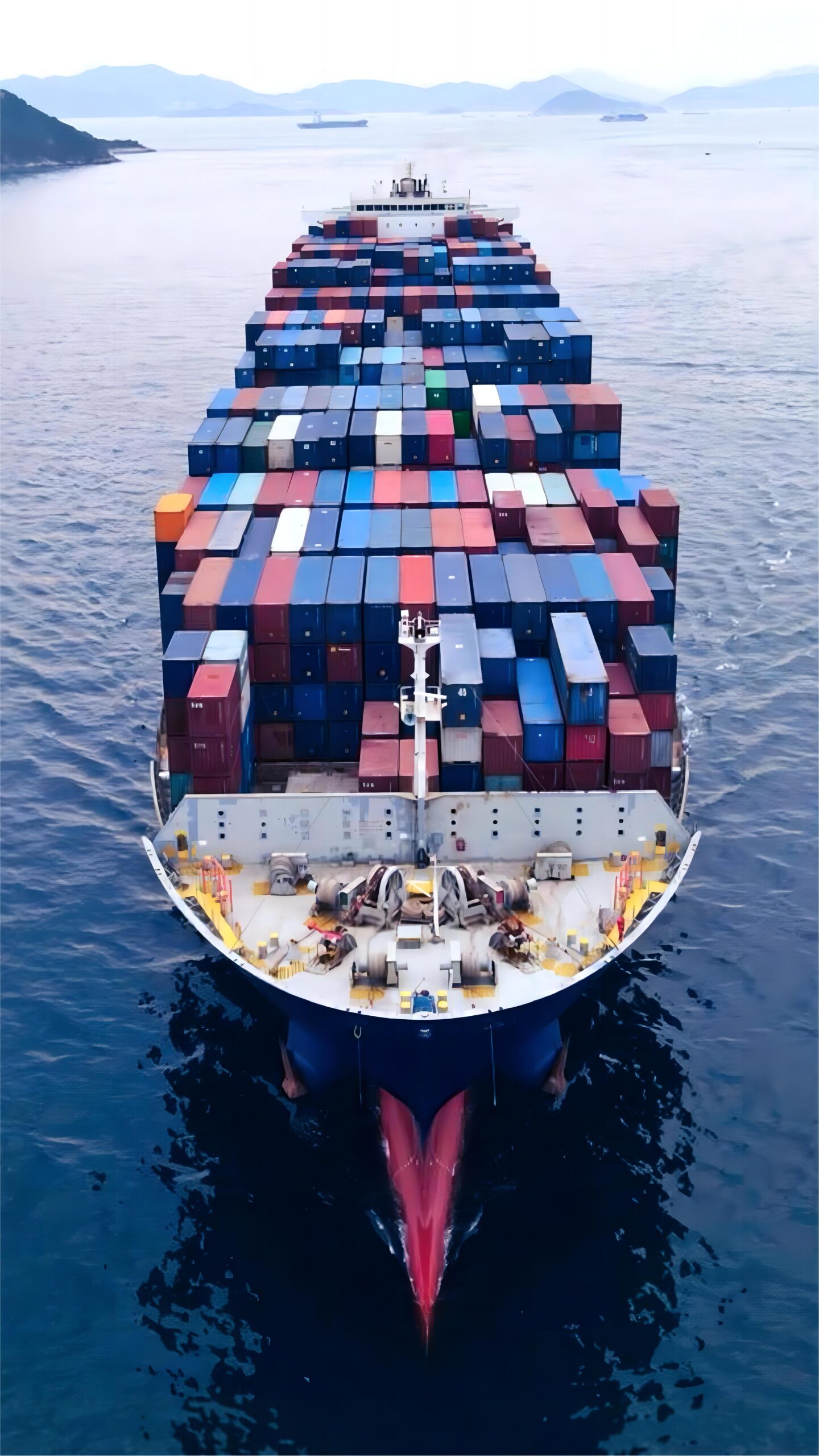
How Does Ocean Freight Compare to Other Shipping Options?
While ocean freight is often the most cost-effective solution for large volumes, it is also the slowest. Therefore, it is important to compare it with other shipping methods to determine the best fit for your specific needs. Each option presents distinct advantages and disadvantages, particularly concerning speed and cost.
Indeed, understanding these trade-offs is fundamental for making informed decisions about your international logistics. Based on current market rates, here’s a comparison of common shipping methods from China to the USA.
Comparison Table: Shipping Methods from China to USA
| Shipping Method | Cost Range (per kg) | Transit Time (Days) | Best For |
|---|---|---|---|
| Ocean Freight (FCL) | $0.05 – $0.15 | 14-35 | Large, heavy, non-urgent goods |
| Ocean Freight (LCL) | $0.10 – $0.30 | 20-45 | Smaller, non-urgent shipments (under 15 CBM) |
| Air Freight | $4.00 – $8.00 | 5-10 | Urgent, high-value, perishable goods |
| Express Service | $8.00 – $15.00 | 2-5 | Very urgent, small parcels, samples |
Alternative Strategies and Hybrid Solutions
For urgent yet large shipments, a sea-air hybrid solution can be considered. This involves shipping by sea to a transshipment hub (e.g., Dubai or Busan) and then by air to the final destination. Ultimately, this offers a middle ground between speed and cost, saving some ocean freight time from China to USA.
Furthermore, for smaller, time-sensitive goods, opting for express service is often the best choice, despite its higher cost. It guarantees rapid delivery, bypassing many of the delays associated with traditional freight methods. Conversely, for budget-conscious decisions, LCL (Less than Container Load) is suitable for volumes under 15 CBM.
Which Option Should You Choose?
Your decision heavily depends on your priorities. If budget is your primary concern, ocean freight is almost always the most economical choice. However, prepare for longer ocean freight time from China to USA.
Conversely, if speed is paramount, air freight or express service will deliver your goods much faster, albeit at a significantly higher cost. Cargo type also dictates the method; perishables or high-value items often necessitate faster air transport. Moreover, volume thresholds for switching methods are crucial; FCL is typically more economical for shipments over 15 CBM.
Real-World Shipping Scenarios: Case Studies
To illustrate the practical aspects of shipping, consider these real-world examples. These case studies highlight how various factors influence the overall ocean freight time from China to USA and the total landed cost. They offer valuable insights into typical logistics challenges and successful outcomes.
Based on Q3 2024 market rates, these scenarios provide a realistic view of international shipping operations. They demonstrate the importance of meticulous planning and reliable freight forwarding.
Case Study 1: Large Volume, West Coast Delivery
| Detail | Value |
|---|---|
| Route | Ningbo, China Los Angeles, USA |
| Cargo | Furniture components, 58 CBM, 15,000 kg |
| Container | 1 x 40HQ |
| Carrier/Service | COSCO |
| Port of Loading | Ningbo |
| Port of Discharge | Los Angeles |
| Route Type | Direct |
| Ocean Freight | $3,200 |
| Origin Charges (THC, documentation) | $350 |
| Destination Charges | $450 |
| Customs & Duties (estimated) | $1,800 |
| Total Landed Cost | $5,800 |
| Booking to Loading | 5 days |
| Sea Transit | 16 days |
| Customs Clearance | 3 days |
| Total Door-to-Door | 28 days |
| Key Insight | Direct route minimized sea transit, but port congestion added some initial delays at Los Angeles. |

Case Study 2: Smaller Shipment, East Coast Delivery
| Detail | Value |
|---|---|
| Route | Shanghai, China Savannah, USA |
| Cargo | Textile machinery parts, 8 CBM, 2,500 kg |
| Container | LCL 8 CBM |
| Carrier/Service | Major carrier (LCL Consolidation) |
| Port of Loading | Shanghai |
| Port of Discharge | Savannah |
| Route Type | Transshipment via Busan |
| Ocean Freight | $1,400 |
| Origin Charges (THC, documentation) | $280 |
| Destination Charges | $380 |
| Customs & Duties (estimated) | $750 |
| Total Landed Cost | $2,810 |
| Booking to Loading | 7 days |
| Sea Transit | 32 days |
| Customs Clearance | 4 days |
| Total Door-to-Door | 45 days |
| Key Insight | LCL consolidation and transshipment significantly increased total ocean freight time from China to USA compared to FCL. |
Case Study 3: Time-Sensitive E-commerce Goods
| Detail | Value |
|---|---|
| Route | Shenzhen, China Chicago, USA (via Los Angeles) |
| Cargo | Consumer electronics, 25 CBM, 6,000 kg |
| Container | 1 x 20GP |
| Carrier/Service | MSC |
| Port of Loading | Shenzhen |
| Port of Discharge | Los Angeles (then rail to Chicago) |
| Route Type | Intermodal (Sea + Rail) |
| Ocean Freight | $2,200 |
| Origin Charges (THC, documentation) | $300 |
| Destination Charges (Port + Rail) | $1,100 |
| Customs & Duties (estimated) | $1,200 |
| Total Landed Cost | $4,800 |
| Booking to Loading | 4 days |
| Sea Transit | 18 days |
| Customs Clearance | 2 days |
| Rail Transit to Chicago | 5 days |
| Total Door-to-Door | 32 days |
| Key Insight | Intermodal transport provided a balance, faster than all-water East Coast, but still economical for Amazon FBA delivery. |
Optimizing Your Supply Chain for Timely Deliveries
Achieving consistent and timely deliveries requires a holistic approach to supply chain management. Proactive planning and robust communication with your logistics partners are paramount. Moreover, understanding logistics trends and seasonal patterns can help you anticipate and mitigate potential disruptions.
Indeed, leveraging experienced freight forwarders, like China Top Freight, can significantly streamline your operations. Their expertise in managing complex routes and customs procedures ensures a smoother process, potentially reducing your overall ocean freight time from China to USA.
Proactive Planning and Communication
Developing a detailed shipping schedule well in advance is crucial. This includes accounting for production lead times, transit times, and potential buffer days for unforeseen delays. Furthermore, maintaining open lines of communication with suppliers and freight forwarders ensures everyone is aligned.
Consequently, this proactive stance helps in quickly addressing any issues that may arise. Regular updates on cargo handling and vessel status are invaluable for accurate inventory management and customer communication.
Leveraging Door-to-Door Services
For maximum convenience and reduced complexity, consider utilizing door-to-door shipping services. These comprehensive solutions manage the entire logistics chain, from your supplier’s factory in China to your final destination in the USA. Therefore, they minimize the need for multiple vendors and coordination efforts.
Ultimately, a single point of contact simplifies the process, often leading to more predictable delivery schedules and reduced administrative burden. This approach is especially beneficial for businesses without extensive in-house logistics teams.
Navigating Ocean Freight Time from China to USA with Confidence
In summary, managing the ocean freight time from China to USA involves understanding a multitude of factors, from port dynamics to carrier choices. While delays can occur, proactive planning, informed decision-making, and partnering with a reliable freight forwarder are key to success. Ultimately, optimizing your shipping strategy can lead to significant savings and improved efficiency.
By applying the insights shared in this guide, businesses can gain better control over their supply chains. Consequently, they can ensure their goods arrive efficiently and predictably, bolstering their market competitiveness. Partner with experts who understand the nuances of international shipping.

Get Your Shipping Quote Today
Ready to streamline your imports and get accurate ocean freight time from China to USA? Contact China Top Freight today for a personalized quote and expert guidance on your next shipment. Our team is here to help you navigate international logistics with ease.
Request Quote