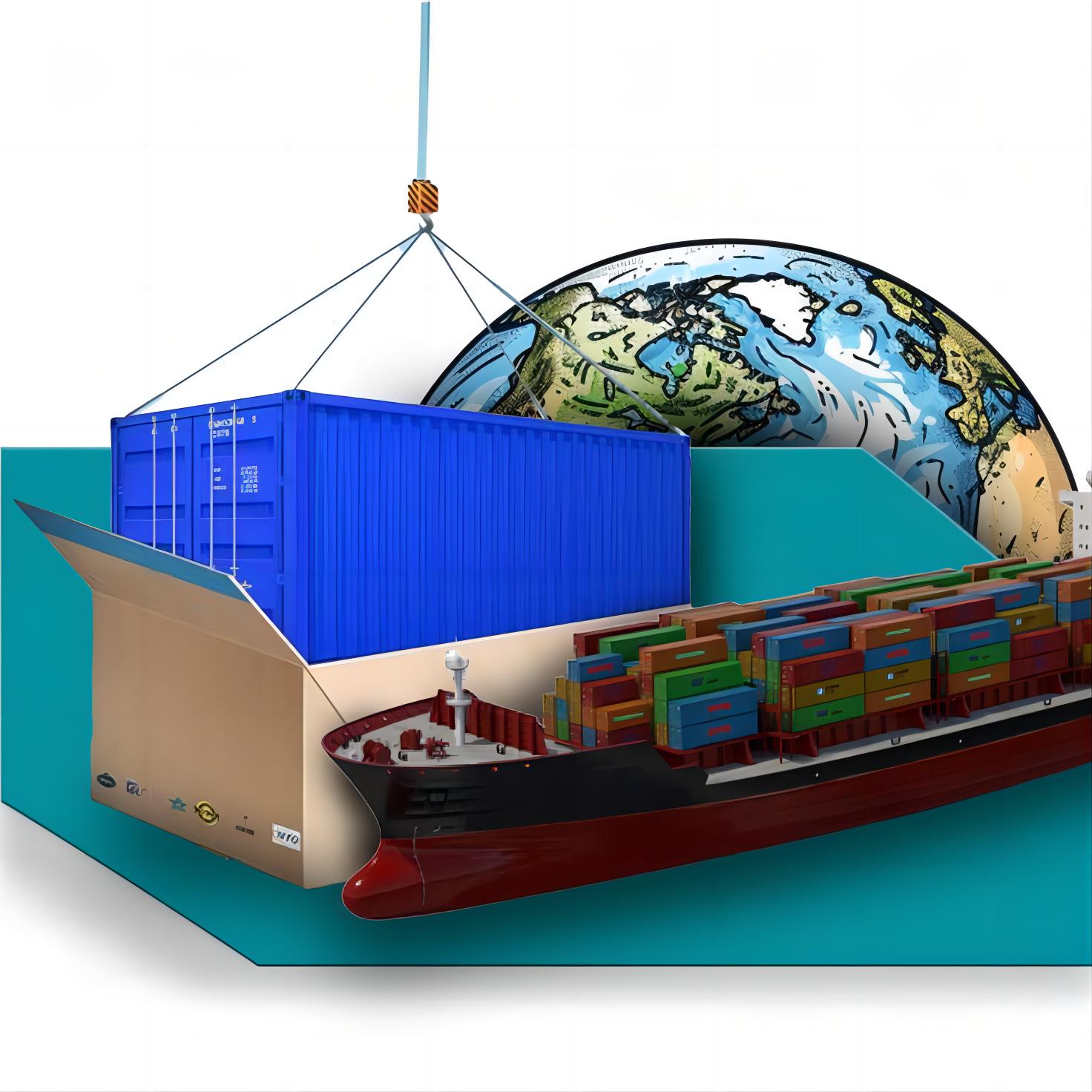
Open Top FCL: Best Route for Auto Parts China to Los Angeles
Shipping auto parts from China to Los Angeles presents unique logistical challenges, especially for oversized or heavy components. Navigating the complexities of international freight requires strategic planning to ensure efficiency and cost-effectiveness. This guide explores the Open Top FCL best route for auto parts from China to Los Angeles, providing insights into optimizing your supply chain for critical automotive components. We will delve into transit times, costs, and essential considerations for a seamless import process.
What is Open Top FCL and Why is it Ideal for Auto Parts?
Open Top FCL (Full Container Load) refers to a specialized shipping container with a removable top, typically covered by a tarpaulin or solid roof. This design facilitates loading oversized cargo from the top, which is impossible with standard containers. Consequently, it is an excellent choice for shipping large or irregularly shaped auto parts.
Crucially, for heavy machinery components, engine blocks, or specialized vehicle chassis, the Open Top container offers unparalleled flexibility. It allows for vertical loading by crane, streamlining the sea freight process and reducing handling risks. Moreover, it ensures your valuable auto parts are secured for their journey from China to Los Angeles.
Identifying the Best Route from China to Los Angeles
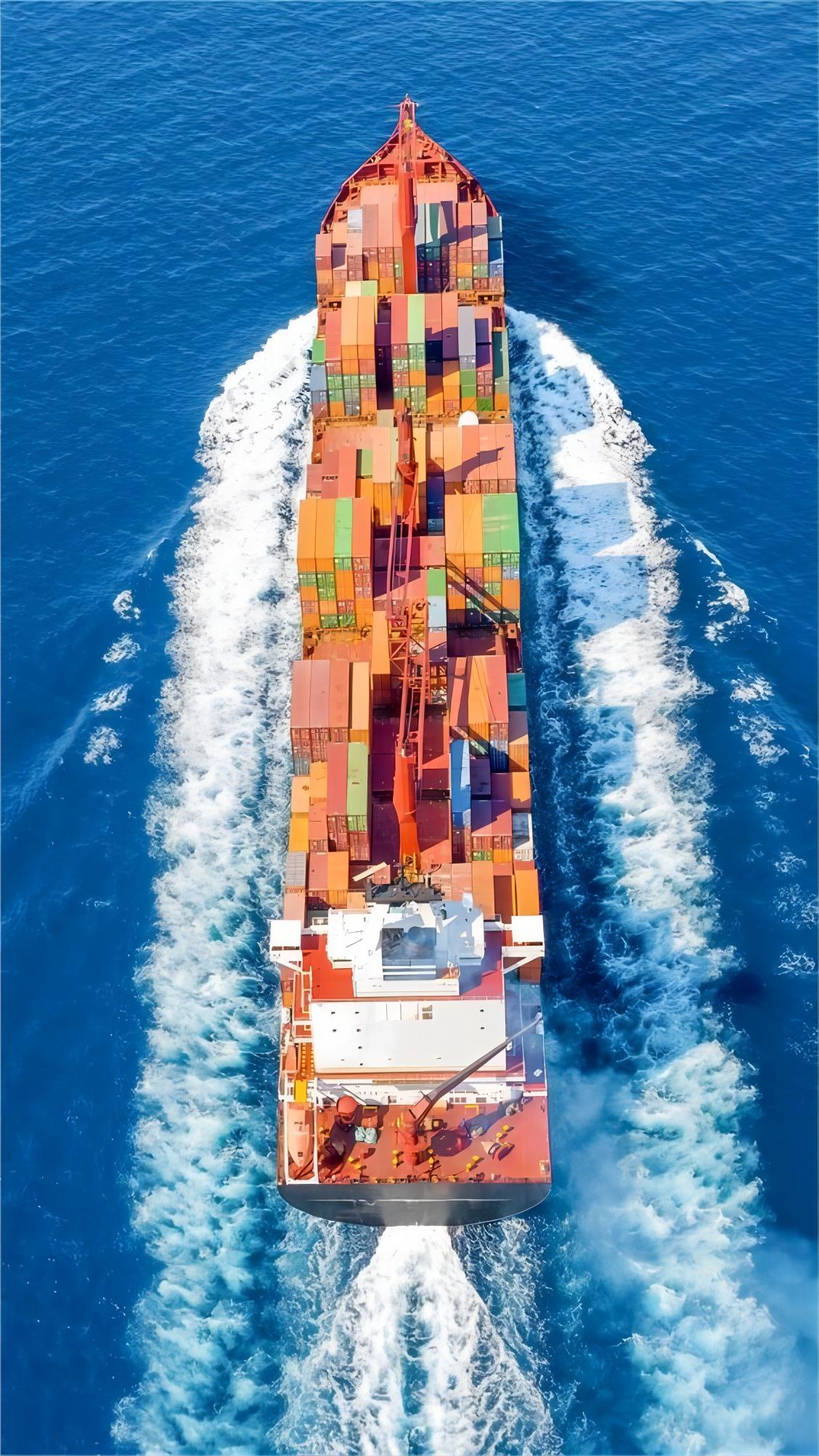
The primary route for shipping auto parts from China to Los Angeles involves direct trans-Pacific voyages. Major ports on China’s coast, such as Shanghai, Ningbo, Shenzhen, and Qingdao, serve as key loading points. These ports offer extensive connections to the Port of Los Angeles (POLA) and the Port of Long Beach (POLB).
Selecting the optimal port of loading in China depends on your supplier’s location and inland logistics. For instance, manufacturers in the Yangtze River Delta often use Shanghai or Ningbo. Meanwhile, those in Southern China typically ship from Shenzhen or Guangzhou. Efficient door-to-door services can integrate inland transport seamlessly.
Typical Transit Times and Factors Affecting Delivery Schedules
Typically, the sea transit time for an Open Top FCL from China’s major ports to Los Angeles ranges from 14 to 18 days. This duration, however, can fluctuate significantly. Factors like port congestion, vessel schedules, and weather conditions all play a role in the final delivery schedule.
Furthermore, peak shipping seasons, such as before Chinese New Year or during the Q3-Q4 holiday rush, often lead to increased transit times and potential delays. Therefore, planning your shipments well in advance is essential. Real-time tracking and proactive communication with your freight forwarder can help manage expectations.

Cost Considerations for Open Top FCL Auto Parts Shipping
Several elements contribute to the overall shipping costs for Open Top FCL auto parts from China to Los Angeles. These include ocean freight rates, terminal handling charges (THC) at both origin and destination, drayage, and customs brokerage fees. Moreover, specialized equipment like Open Top containers often incur a premium compared to standard dry containers.
Additionally, fuel surcharges, currency exchange rates, and any specific requirements for securing oversized cargo can impact the final price. It is always advisable to obtain a detailed quote that itemizes all potential charges. Transparent pricing helps in accurately budgeting your import/export operations.
Based on current market rates (Q1 2025), a 40HQ Open Top FCL from China to Los Angeles can range from $3,000 to $5,000, excluding duties and destination charges. This estimate is subject to change based on market dynamics and carrier availability. Note: Freight rates are subject to change based on fuel costs, carrier capacity, and seasonal demand. Contact us for a current quote tailored to your specific shipment.
How Does Open Top FCL Compare to Other Shipping Options?
While Open Top FCL is highly effective for large auto parts, it is important to consider alternative shipping methods for different cargo needs. Understanding these options helps in making informed decisions about your logistics strategy. Each method has distinct advantages and limitations regarding cost, speed, and cargo suitability.
For instance, smaller, high-value auto parts might benefit from faster transit times, despite higher costs. Conversely, very small shipments might not require a full container. Evaluating these alternatives ensures you choose the most efficient and economical solution for every shipment of automotive components.
| Shipping Method | Cost Range (40HQ/Equivalent) | Transit Time (China-LA) | Best For | Limitations |
|---|---|---|---|---|
| Open Top FCL | $3,000 – $5,000 | 14-18 days | Oversized, heavy auto parts; large volume | Higher cost than standard FCL; specialized handling |
| Standard FCL (40HQ) | $2,800 – $3,800 | 14-18 days | Standard-sized, high-volume auto parts | Cannot load oversized cargo; limited flexibility |
| LCL (Less than Container Load) | $50 – $80 per CBM | 18-25 days | Smaller volumes (under 15 CBM); cost-sharing | Longer transit times; more handling; potential delays |
| Air Freight | $5 – $10 per kg | 3-7 days | Urgent, high-value, lightweight auto parts | Significantly higher cost; volume/weight restrictions; emissions |

Which Option Should You Choose for Your Auto Parts Shipment?
The best shipping option for your auto parts from China to Los Angeles depends heavily on your priorities. Budget constraints, urgency, and the nature of your cargo are primary decision drivers. Carefully assess these factors before committing to a shipping method.
If budget is your top priority and your auto parts are standard size, standard FCL sea freight offers the most economical solution. For oversized or heavy components, the Open Top FCL best route is undoubtedly the superior choice, balancing cost and specialized handling. However, if speed is paramount for urgent automotive components, air freight is the only viable option, despite its higher cost.
For smaller, less time-sensitive shipments, LCL can be a cost-effective alternative. Hybrid solutions, such as express services for critical small parts while bulk items go via sea, can also optimize your logistics. Consider consulting with a freight expert to tailor a solution to your specific needs.
Real-World Case Studies: Open Top FCL for Auto Parts
Understanding how Open Top FCL works in practice provides valuable insights. These case studies highlight the process, costs, and timelines involved when shipping specialized auto parts. They demonstrate the practical application of this specialized container type.
Case Study 1: Large Engine Blocks to California
| Detail | Description |
|---|---|
| Route | Shanghai, China Los Angeles, USA |
| Cargo | Heavy-duty engine blocks, 25 CBM, 18,000 kg |
| Container | 1 x 40′ Open Top FCL |
| Shipping Details | Carrier: Major carrier; Port of Loading: Shanghai; Port of Discharge: Los Angeles; Route Type: Direct |
| Cost Breakdown | Ocean Freight: $3,800; Origin Charges: $450; Destination Charges: $600; Customs & Duties (estimated): $1,200; Total Landed Cost: $6,050 (Based on Q3 2024 market rates) |
| Timeline | Booking to Loading: 5 days; Sea Transit: 16 days; Customs Clearance: 2 days; Total Door-to-Door: 25 days |
| Key Insight | Open Top container allowed efficient crane loading, minimizing risk to sensitive engine components. |
Case Study 2: Oversized Vehicle Chassis Frames
| Detail | Description |
|---|---|
| Route | Ningbo, China Los Angeles, USA |
| Cargo | Custom vehicle chassis frames, 28 CBM, 12,000 kg |
| Container | 1 x 40′ Open Top FCL |
| Shipping Details | Carrier: Major carrier; Port of Loading: Ningbo; Port of Discharge: Long Beach; Route Type: Direct |
| Cost Breakdown | Ocean Freight: $4,100; Origin Charges: $500; Destination Charges: $650; Customs & Duties (estimated): $1,500; Total Landed Cost: $6,750 (Typical rates as of early 2025) |
| Timeline | Booking to Loading: 7 days; Sea Transit: 17 days; Customs Clearance: 3 days; Total Door-to-Door: 29 days |
| Key Insight | Securing the irregular frames required specialized dunnage, adding to origin handling time but ensuring safe transit. |
Case Study 3: Heavy Machinery Auto Parts with Express Service
| Detail | Description |
|---|---|
| Route | Shenzhen, China Los Angeles, USA |
| Cargo | Large industrial gearbox parts, 20 CBM, 15,000 kg |
| Container | 1 x 40′ Open Top FCL |
| Shipping Details | Carrier: Major carrier; Port of Loading: Shenzhen; Port of Discharge: Los Angeles; Route Type: Direct |
| Cost Breakdown | Ocean Freight: $3,950; Origin Charges: $480; Destination Charges: $620; Customs & Duties (estimated): $1,350; Total Landed Cost: $6,400 (Market data suggests average Q1 2025 rates) |
| Timeline | Booking to Loading: 6 days; Sea Transit: 15 days; Customs Clearance: 2 days; Total Door-to-Door: 26 days |
| Key Insight | Combined with express service for urgent smaller components in parallel, optimizing overall project timeline. |
Navigating Customs, Documentation, and Compliance
Importing auto parts into the US requires meticulous attention to customs brokerage and documentation. Key documents include the Commercial Invoice, Packing List, Bill of Lading, and potentially a Certificate of Origin. Furthermore, proper Harmonized Tariff Schedule (HTS) classification is crucial for accurate duty assessment. Mistakes can lead to delays and penalties.
Compliance with US import regulations, including safety standards and environmental laws, is non-negotiable for automotive components. Working with an experienced customs broker is highly recommended. They can ensure all necessary paperwork is correctly filed and that your shipment adheres to all federal requirements. This proactive approach helps avoid costly disruptions.
Consider the role of ISF (Importer Security Filing) which must be submitted at least 24 hours before vessel departure from China. Similarly, understanding Incoterms (International Commercial Terms) is vital for defining responsibilities and costs between buyer and seller. Proper management of these aspects is key to a smooth import process.
Optimizing Your Auto Parts Supply Chain to Los Angeles
To truly optimize the Open Top FCL best route for auto parts from China to Los Angeles, consider end-to-end supply chain efficiency. This includes not only ocean transit but also pre-carriage in China and post-carriage in the US. Furthermore, strategic warehousing and inventory management can significantly reduce overall logistics costs.
Implementing robust inventory management systems can help forecast demand accurately, preventing both overstocking and stockouts. Additionally, exploring options like Amazon FBA preparation services for certain auto parts can streamline distribution upon arrival. Overall, a holistic view of your supply chain ensures maximum operational effectiveness.
Conclusion: Securing Your Open Top FCL Best Route
Ultimately, choosing the Open Top FCL best route for auto parts from China to Los Angeles involves a careful balance of cost, transit time, and cargo specifics. This specialized container solution offers an optimal way to transport oversized and heavy automotive components securely and efficiently. By understanding the routes, costs, and regulatory requirements, businesses can significantly enhance their supply chain. Partnering with a knowledgeable freight forwarder ensures a smooth and compliant shipping experience for your valuable auto parts.
Indeed, strategic planning and expert execution are paramount for successful international shipping. Always seek up-to-date market information and professional advice to tailor the best shipping strategy for your unique needs.
Start Your Shipment
Ready to streamline your auto parts imports from China to Los Angeles with Open Top FCL? Contact China Top Freight today for a personalized quote and expert guidance. We help you navigate complex logistics efficiently.
Request Quote