

Open Top FCL: Best Route for Auto Parts from China to Texas
Shipping oversized or heavy auto parts from China to Texas presents unique logistical challenges. Finding the most efficient and cost-effective route, especially with specialized containers like Open Top FCL, is crucial for your supply chain. This comprehensive guide will navigate the complexities, ensuring your automotive components arrive safely and on schedule. To explore tailored solutions for your shipments, visit China Top Freight.

What is Open Top FCL and Why is it Essential for Auto Parts?
Full Container Load (FCL) shipping involves using an entire container exclusively for your cargo, offering security and efficiency. However, standard containers have height and access limitations. For large or irregularly shaped items, an Open Top FCL container provides an ideal solution.
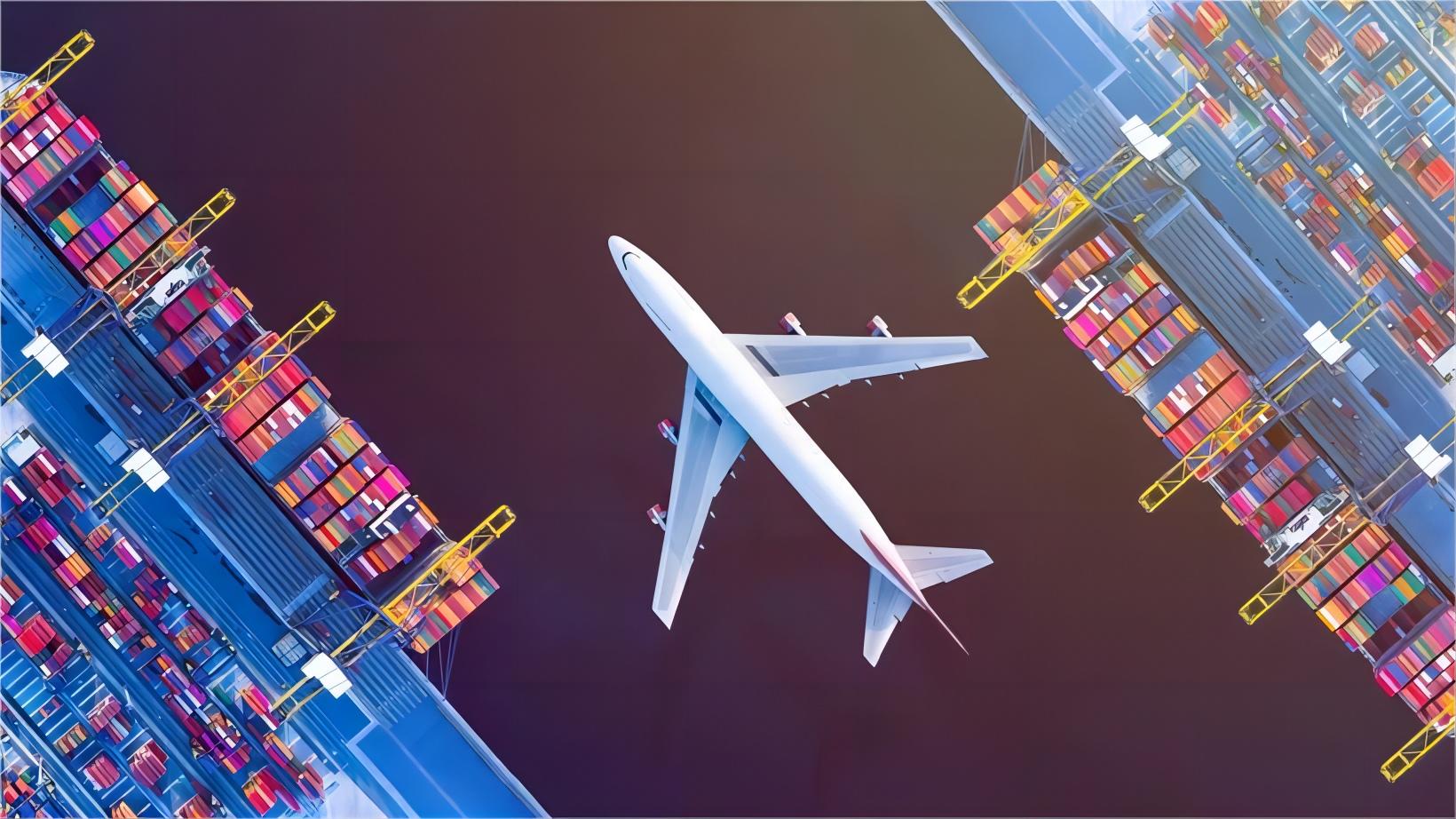
Specifically, an Open Top FCL features a removable tarpaulin roof instead of a fixed hardtop. This design allows for easy loading of oversized auto parts, such as engine blocks, chassis components, or heavy machinery, using cranes from the top. Consequently, it simplifies cargo handling and ensures proper securing during transit, making it indispensable for specialized auto parts logistics from China to Texas.
Key Ports and Routes for Auto Parts from China to Texas
Selecting the right port of origin in China and destination in Texas significantly impacts transit time and cost. Major Chinese ports like Shanghai, Ningbo, and Shenzhen offer extensive global connections and specialized equipment for handling Open Top containers. These ports are crucial hubs for exporting auto parts.
From China, vessels typically traverse the Pacific Ocean, often passing through the Panama Canal for East Coast destinations. For Texas, the primary port of discharge is the Port of Houston, a major gateway for automotive imports. Other options include Galveston, which may offer alternative routes or specialized handling capabilities depending on the cargo. Direct routes are preferred for speed, although transshipment routes via other major global hubs might sometimes offer cost advantages.
Understanding these routes and their implications for your sea freight strategy is paramount. A well-planned route minimizes delays and optimizes your delivery schedule. Furthermore, considering potential bottlenecks like canal congestion or port capacity is vital for accurate planning.
Navigating the Open Top FCL Shipping Process
The shipping process for Open Top FCL auto parts from China to Texas involves several critical stages. First, booking the appropriate container size and type is essential. Then, coordinating with the factory for cargo readiness and precise loading instructions is necessary to prevent damage during transit.
Once loaded, the container is transported to the port of loading, undergoes customs clearance in China, and is then loaded onto the vessel. Upon arrival at a Texas port, it faces U.S. customs procedures before final delivery. Effective communication and meticulous documentation are key throughout this journey.
For seamless operations, consider leveraging door-to-door services. This comprehensive approach manages every step from your supplier’s factory to your final destination in Texas, streamlining the entire process and reducing your administrative burden. Such services ensure a smooth transition of your auto parts across continents.
Proper Cargo Securing and Loading for Open Top Containers
Given the nature of Open Top containers, proper cargo securing is non-negotiable for auto parts. Items must be securely blocked and braced to prevent shifting during ocean transit. Moreover, the tarpaulin must be correctly fitted and lashed to protect the cargo from weather elements.
Specialized lifting equipment at both origin and destination ports is required for loading and unloading. Therefore, working with experienced logistics providers who understand these nuances is vital. This expertise minimizes the risk of damage and ensures compliance with shipping regulations.
Essential Documentation for Auto Parts Import
Importing auto parts into the U.S. requires a precise set of documents to clear customs smoothly. These typically include the Commercial Invoice, Packing List, Bill of Lading, and potentially a Certificate of Origin. Additionally, specific declarations or permits might be needed for certain auto parts, especially if they are regulated.
Accurate and complete documentation prevents delays and potential fines. Consequently, expert customs brokerage is indispensable for navigating these complex requirements. A skilled broker ensures all paperwork is in order, facilitating efficient clearance for your auto parts shipments.
How Does Open Top FCL Compare to Other Shipping Options?
Choosing the right shipping method for auto parts from China to Texas depends on several factors, including cargo dimensions, urgency, and budget. Open Top FCL excels for oversized items, but other options might be suitable for different scenarios. Understanding these alternatives is crucial for optimizing your logistics strategy.
For instance, standard FCL containers are more common and often less expensive for non-oversized auto parts. Conversely, Less than Container Load (LCL) is viable for smaller shipments that don’t fill an entire container. Air freight, while significantly faster, comes at a premium cost. Therefore, a careful comparison helps in making an informed decision.
| Shipping Method | Cost Range (40′ container equivalent) | Transit Time (China to Texas) | Best For | Limitations |
|---|---|---|---|---|
| Open Top FCL | $4,500 – $7,000 | 30-40 days | Oversized, heavy, or tall auto parts (e.g., engine blocks, chassis) | Higher cost than standard FCL, specialized handling needed |
| Standard FCL (40’HQ) | $4,000 – $6,000 | 30-38 days | Full container loads of standard-sized auto parts | Height restrictions, requires full container volume |
| LCL (Less than Container Load) | $80 – $150 per CBM (minimums apply) | 35-45 days | Small to medium-sized auto parts, low volume shipments | Longer transit, more handling, potential for delays |
| Air Freight | $8,000 – $15,000 (for critical, smaller loads) | 5-10 days | Urgent, high-value, small volume auto parts | Significantly higher cost, weight/volume restrictions |
Cost Factors and Transit Times for China to Texas Auto Parts
The cost of shipping Open Top FCL auto parts from China to Texas is influenced by numerous variables. These include the origin and destination ports, the specific shipping line chosen, and current market freight rates. Additionally, fuel surcharges, peak season demand, and port congestion can impact the final price.
Typical transit times for Open Top FCL from major Chinese ports to Houston, Texas, range from 30 to 40 days. This duration accounts for ocean transit, transshipment if applicable, and port handling. However, unforeseen circumstances like weather delays or customs inspections can extend these timelines. Always factor in buffer time when planning your supply chain.
For urgent needs, while Open Top FCL is a robust solution, you might consider express service or a combination of methods for smaller, critical components. This hybrid approach can balance speed and cost effectively for your overall auto parts inventory. Always obtain a detailed quote for accurate cost estimations.
Estimated Open Top FCL Costs (Q1 2025)
As of Q1 2025, freight rates for Open Top FCL from China to Texas have stabilized after recent global disruptions. However, rates remain dynamic due to various factors. The following table provides a general estimate for a 40′ Open Top container, but actual costs will vary based on specific requirements.
| Cost Component | Estimated Range (USD) | Notes |
|---|---|---|
| Ocean Freight (40′ OT) | $4,500 – $6,500 | Main carrier charge, subject to BAF, CAF, etc. |
| Origin Charges (THC, Docs, etc.) | $400 – $700 | Terminal Handling, documentation, local transport |
| Destination Charges (DDC, THC, ISF) | $600 – $1,000 | Destination Delivery Charge, Terminal Handling, ISF Filing |
| Customs & Duties (Estimated) | Varies (e.g., 2.5% – 25% of cargo value) | Depends on HTS code and trade agreements |
| Total Landed Cost (excl. duties, inland drayage) | $5,500 – $8,200 | Rough estimate; does not include inland transport in Texas |
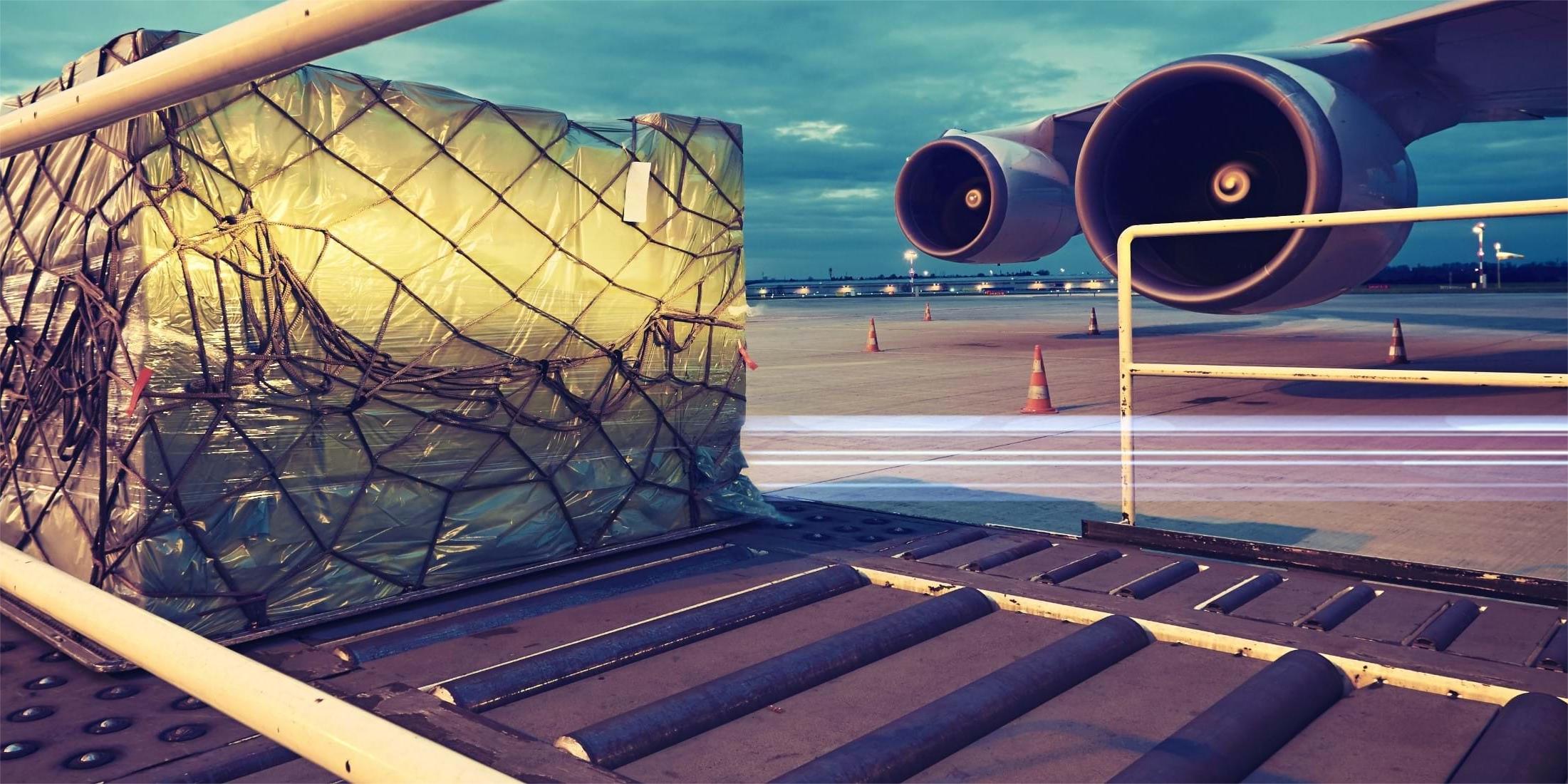
Real-World Scenarios: Open Top FCL for Auto Parts
Examining actual shipping cases highlights the practical applications and challenges of using Open Top FCL for auto parts. These examples demonstrate how specialized containers address specific cargo needs and logistical hurdles. Each scenario offers insights into planning and execution.
Based on Q3 2024 market rates, these case studies provide realistic cost and time estimates. They also illustrate the importance of choosing the right logistics partner. Understanding these scenarios can help you better prepare for your own shipments of heavy auto parts.
Case Study 1: Heavy Machinery Parts for Automotive Assembly
| Detail | Description |
|---|---|
| Route | Shanghai, China -> Houston, Texas, USA |
| Cargo | Assembly line machinery components, 28 CBM, 15,000 kg |
| Container | 40′ Open Top FCL |
| Shipping Details | Carrier: COSCO; Port of Loading: Shanghai; Port of Discharge: Houston; Route Type: Transshipment via Panama Canal |
| Cost Breakdown | Ocean Freight: $5,800; Origin Charges: $650; Destination Charges: $850; Customs & Duties (estimated): $1,200; Total Landed Cost: $8,500 |
| Timeline | Booking to Loading: 5 days; Sea Transit: 32 days; Customs Clearance: 3 days; Total Door-to-Door: 40 days |
| Key Insight | Specialized lifting equipment at both ends was crucial for safe handling of heavy, oddly shaped machinery parts. Careful coordination prevented delays. |
Case Study 2: Large Truck Body Panels
| Detail | Description |
|---|---|
| Route | Ningbo, China -> Houston, Texas, USA |
| Cargo | Oversized truck body panels, 45 CBM, 8,000 kg |
| Container | 40′ Open Top FCL |
| Shipping Details | Carrier: Maersk; Port of Loading: Ningbo; Port of Discharge: Houston; Route Type: Direct service |
| Cost Breakdown | Ocean Freight: $5,200; Origin Charges: $550; Destination Charges: $780; Customs & Duties (estimated): $900; Total Landed Cost: $7,430 |
| Timeline | Booking to Loading: 4 days; Sea Transit: 28 days; Customs Clearance: 2 days; Total Door-to-Door: 36 days |
| Key Insight | Direct service minimized transit time. Securing the panels carefully under the tarpaulin was paramount to avoid damage from moisture and shifting during transit. |
Case Study 3: Engine Blocks and Transmissions
| Detail | Description |
|---|---|
| Route | Shenzhen, China -> Galveston, Texas, USA |
| Cargo | Heavy engine blocks and transmissions, 25 CBM, 18,000 kg |
| Container | 20′ Open Top FCL |
| Shipping Details | Carrier: MSC; Port of Loading: Shenzhen; Port of Discharge: Galveston; Route Type: Transshipment via Busan |
| Cost Breakdown | Ocean Freight: $4,800; Origin Charges: $500; Destination Charges: $700; Customs & Duties (estimated): $1,500; Total Landed Cost: $7,500 |
| Timeline | Booking to Loading: 6 days; Sea Transit: 35 days; Customs Clearance: 4 days; Total Door-to-Door: 45 days |
| Key Insight | Utilizing a 20′ Open Top for dense, heavy cargo was cost-effective. However, transshipment added a few days to the overall transit, requiring earlier planning. |
Optimizing Your Supply Chain for Auto Parts Logistics
Effective supply chain management is crucial for businesses importing auto parts. Optimizing your Open Top FCL route for auto parts from China to Texas involves more than just selecting a shipping method. It requires a holistic approach to planning, execution, and risk mitigation.
Consider consolidating multiple smaller shipments into a single Open Top FCL when possible. This strategy can significantly reduce per-unit shipping costs and administrative overhead. Furthermore, establishing clear communication channels with your suppliers and freight forwarder is essential for smooth operations. Proactive planning helps avoid costly delays and ensures a reliable flow of goods.
Partnering with a freight forwarder specializing in shipping from China to North America can provide invaluable expertise. They can offer insights into optimal routes, customs regulations, and potential challenges. Such a partnership ensures your logistics are handled efficiently and professionally.
Overcoming Challenges in Auto Parts Shipping to Texas
Shipping auto parts, especially oversized components via Open Top FCL, can encounter several challenges. Port congestion, particularly at major hubs like Houston, can lead to unexpected delays. Similarly, stringent U.S. customs regulations and inspections require meticulous preparation and compliance.
Weather conditions, especially during hurricane season in the Gulf of Mexico, can also impact vessel schedules. Therefore, maintaining flexibility in your delivery schedule and having contingency plans are vital. A seasoned logistics partner can help navigate these complexities, offering alternative solutions if primary routes are disrupted.
Moreover, the specialized nature of Open Top container handling demands expertise. Ensuring that both origin and destination terminals have the necessary equipment and experience is critical to avoid damage or operational inefficiencies. This attention to detail safeguards your valuable auto parts throughout their journey.
Conclusion
Shipping Open Top FCL auto parts from China to Texas requires careful planning, specialized knowledge, and a robust logistics strategy. By understanding the nuances of Open Top containers, choosing optimal routes, and partnering with an experienced freight forwarder, businesses can overcome common challenges. This approach ensures efficient, cost-effective, and reliable delivery of critical automotive components.
Indeed, a well-executed Open Top FCL best route for auto parts from China to Texas is key to maintaining a competitive edge in the automotive supply chain. Proactive management and expert support are indispensable for success.
Ready to streamline your logistics?
Ready to optimize your Open Top FCL auto parts shipments from China to Texas? Contact us today for a personalized quote and expert guidance. Our team is prepared to streamline your logistics and ensure timely, secure delivery.
Request Quote