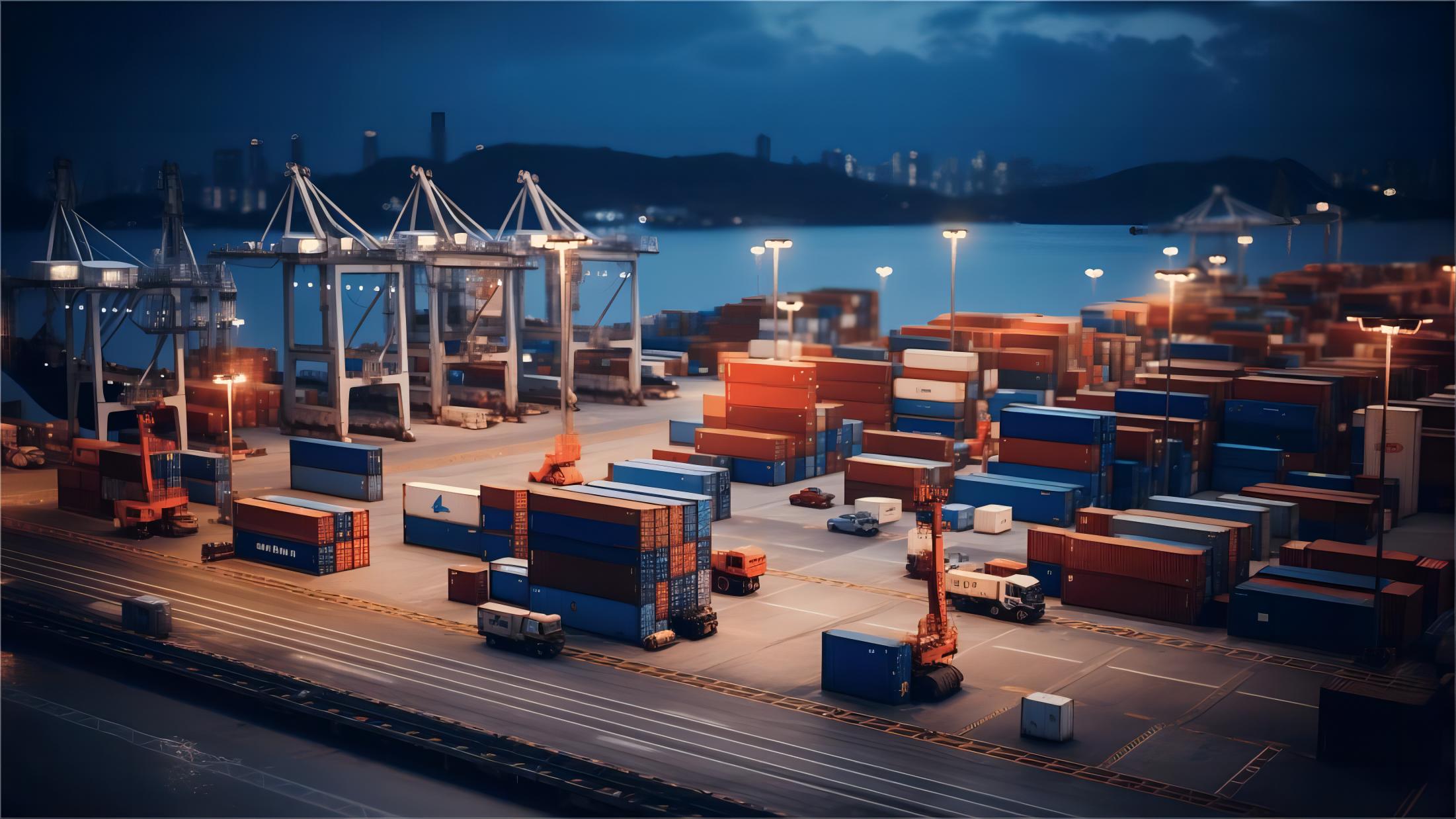
Open Top FCL Best Route for Textiles from China to Czech Republic
“Shipping textiles from China to the Czech Republic presents unique logistics challenges, especially for bulky or oversized items. Finding the Open Top FCL best route for textiles from China to Czech Republic is crucial for efficiency and cost-effectiveness. This guide will explore optimal shipping strategies, ensuring your textile goods arrive safely and on schedule. Learn more about our comprehensive logistics services at China Top Freight.”

What is Open Top FCL and Why is it Essential for Textiles?
❖An Open Top FCL (Full Container Load) container features a removable tarpaulin roof instead of a fixed hardtop. This design allows for easier loading of oversized or heavy cargo from the top, using cranes or overhead lifting equipment. Consequently, it is ideal for goods that cannot fit through standard container doors.
For textiles, particularly machinery, large rolls of fabric, or awkwardly shaped garment racks, an open top container becomes indispensable. It mitigates the risk of damage during loading and unloading, ensuring your valuable textile products maintain their integrity throughout transit. Moreover, this specialized container prevents costly delays at the port due to improper loading.

Advantages of Open Top FCL for Textile Shipments
Opting for an open top container provides several distinct benefits for the textile industry. Firstly, it accommodates cargo exceeding standard height limits, which is common for textile manufacturing equipment. Secondly, the top-loading capability significantly reduces manual handling, thereby minimizing potential damage to delicate fabrics or intricate machinery.
Furthermore, using an open top FCL ensures full utilization of container space for large volume textile orders. This approach often leads to better freight rates per unit compared to shipping multiple smaller consignments. Ultimately, it streamlines the logistics process for specialized textile goods.
Key Considerations for Shipping Textiles from China to Czech Republic
❖Navigating the complexities of international shipping requires careful planning, especially for a specific route like China to Czech Republic. Understanding the critical factors involved ensures a smooth and efficient supply chain. Consequently, focusing on these elements will prevent unexpected costs and delays.
Foremost among these considerations are port selection, customs regulations, and the overall transit time. Each plays a pivotal role in determining the success and cost-effectiveness of your textile import operation. Therefore, a comprehensive strategy is absolutely essential.
Strategic Port Selection and Inland Logistics
Choosing the right port of loading in China and the port of discharge in Europe is paramount. Major Chinese ports like Shanghai, Ningbo, and Shenzhen offer extensive connections to European hubs. In Europe, key ports such as Hamburg, Rotterdam, and Gdansk serve as primary gateways for onward transport to the Czech Republic.
From these European ports, goods typically move to the Czech Republic via rail or truck. Prague, Brno, and Ostrava are major distribution centers requiring efficient inland logistics. Therefore, selecting a freight forwarder with strong door-to-door delivery capabilities is highly advantageous for seamless delivery.
Navigating Czech Republic Customs for Textile Imports
Importing textiles into the Czech Republic, an EU member state, necessitates strict adherence to EU customs regulations. Proper documentation, including commercial invoices, packing lists, and certificates of origin, is crucial. Moreover, textile products often have specific tariff codes and may be subject to import duties and VAT.
Engaging experienced customs brokerage expertise can significantly simplify this process. They ensure compliance, minimize delays, and accurately calculate applicable duties and taxes. Without a doubt, professional guidance helps avoid costly penalties and accelerates clearance.
Primary Shipping Routes and Transit Times for Textiles
❖When considering the Open Top FCL best route for textiles from China to Czech Republic, two main options emerge: sea freight and rail freight. Each method offers distinct advantages regarding cost, speed, and capacity. Therefore, understanding these differences is vital for informed decision-making.
Sea freight remains the most economical choice for large volumes, albeit with longer transit times. Conversely, rail freight provides a faster, albeit more expensive, alternative. Meanwhile, hybrid solutions can also offer a balance between speed and cost.
| Shipping Method | Typical Transit Time (Days) | Cost Range (40HQ Open Top) | Best For |
|---|---|---|---|
| Sea Freight (to EU port + rail/truck) | 35-45 | $4,000 – $5,500 | Large volumes, lower urgency |
| Rail Freight (China-Europe Express) | 18-25 | $6,000 – $8,500 | Moderate volumes, higher urgency |
How Does Open Top FCL Compare to Other Shipping Options for Textiles?
❖Selecting the optimal shipping method for textiles involves weighing various factors beyond just cost. While open top FCL is excellent for specific needs, other options might be suitable depending on cargo characteristics, budget, and urgency. Consequently, a comparative analysis is essential for strategic logistics planning.
Consider the volume, dimensions, and value of your textile products carefully. Each shipping method has its sweet spot, and understanding these nuances will lead to more efficient and cost-effective transportation. Therefore, evaluating alternatives is always a smart move.
Comparison Table: Textile Shipping Methods
| Shipping Method | Cost Range (40HQ equivalent) | Transit Time | Best For | Limitations |
|---|---|---|---|---|
| Open Top FCL Sea Freight | $4,000 – $5,500 | 35-45 days | Bulky/oversized textiles, machinery, large volume | Long transit time, port congestion risks |
| Standard FCL Sea Freight | $3,000 – $4,200 | 35-45 days | Standard sized textile cartons, high volume | Cannot handle oversized cargo |
| LCL Sea Freight | $50 – $80/CBM | 40-50 days | Small to medium textile shipments (under 15 CBM) | Longer transit, higher handling risk, CBM based cost |
| Rail Freight | $6,000 – $8,500 | 18-25 days | Time-sensitive, moderate to high volume textiles | Higher cost than sea, limited capacity for oversized |
| Air Freight | $15,000 – $25,000 | 5-7 days | Urgent, high-value, small volume textile samples | Very high cost, lower weight/volume capacity |

Decision Framework: Which Option Should You Choose?
**Budget Priority:** If cost is the primary concern, standard sea freight services or LCL are generally the most economical, especially for non-urgent textile shipments. However, for oversized items, Open Top FCL sea freight offers the best value.
**Speed Priority:** For urgent textile collections or samples, air freight is unmatched in speed. Meanwhile, rail freight provides a good balance between speed and cost for moderately urgent, larger shipments. Consider transit times carefully for seasonal textile releases.
**Cargo Type Considerations:** Open Top FCL is specifically designed for textiles that are too tall or wide for standard containers. For regular cartons or palletized garments, standard FCL is sufficient. LCL suits smaller consignments perfectly.
**Volume Thresholds:** For shipments under 15 CBM, LCL may be more economical. For anything above that, FCL (standard or open top) becomes the more cost-effective option. Hybrid solutions, such as sea-rail combinations, can also optimize both cost and speed for specific textile logistics scenarios.
Optimizing Costs and Efficiency for Textile Imports
❖Beyond choosing the right shipping method, several strategies can further enhance cost-efficiency and streamline your textile supply chain. Proactive planning and leveraging expert services are key. Consequently, optimizing these areas can lead to significant savings and improved delivery schedules.
Therefore, consider comprehensive logistics management, from origin to final destination. This includes careful route planning, consolidation opportunities, and effective risk management. Ultimately, a holistic approach yields the best results.
Cost-Saving Strategies for Textile Logistics
Consolidating multiple smaller textile orders into a single Open Top FCL shipment can drastically reduce per-unit shipping costs. Furthermore, negotiating favorable terms with carriers or freight forwarders based on consistent volume can yield better freight rates. Planning shipments during off-peak seasons also helps avoid surcharges.
Additionally, optimizing packaging to maximize container space and minimize damage is crucial. Proper customs documentation, handled by a reliable partner, prevents expensive delays and penalties. These combined efforts contribute significantly to overall cost reduction for your textile imports.
Hybrid Transport Solutions for Textiles
For textiles requiring a balance of speed and cost, hybrid solutions offer an excellent alternative. A common option is sea-rail transport, where goods travel by sea to a European port (e.g., Hamburg, Gdansk) and then proceed by rail to the Czech Republic. This often cuts several days off an all-sea transit.
Another approach is sea-air, combining the cost-effectiveness of sea freight for the bulk journey with the speed of air freight for the final leg. This can be particularly useful for time-sensitive textile collections where the main production is shipped by sea, but a smaller, urgent portion goes by air. Such flexible approaches cater to diverse supply chain needs.
Real-World Textile Shipping Case Studies
❖Understanding how these strategies play out in practice provides valuable insights. These case studies illustrate the practical application of Open Top FCL for textiles from China to the Czech Republic, highlighting specific challenges and solutions. Based on typical rates as of early 2025, these examples offer realistic scenarios for textile importers.
Note: Freight rates are subject to change based on fuel costs, carrier capacity, and seasonal demand. Contact us for a current quote tailored to your specific shipment.
Case Study 1: Large Volume Textile Machinery Import
This scenario involved a Czech textile manufacturer importing new, oversized knitting machines from Shanghai. The machinery’s height exceeded standard container limits, making an Open Top FCL container the only viable option. Efficient planning ensured a smooth process.
| Detail | Description |
|---|---|
| Route | Shanghai, China -> Prague, Czech Republic |
| Cargo | Bulky textile machinery, 50 CBM, 8,000 kg |
| Container | 40HQ Open Top FCL |
| Shipping Details | Carrier: Major carrier; Port of Loading: Shanghai; Port of Discharge: Hamburg; Route Type: Sea to Hamburg, then rail to Prague |
| Cost Breakdown | Ocean Freight: $4,500; Origin Charges: $500; Destination Charges: $700; Customs & Duties (estimated): $1,500; Total Landed Cost: $7,200 |
| Timeline | Booking to Loading: 5 days; Sea Transit: 32 days; Rail Transit: 5 days; Customs Clearance: 3 days; Total Door-to-Door: 45 days |
| Key Insight | Open top container was essential for oversized machinery. Integrated sea-rail transport significantly reduced overall inland transit time to Prague, optimizing the delivery schedule. |
Case Study 2: Seasonal Garment Collection via Strategic Port
A fashion brand needed to import a new seasonal garment collection, packaged on pallets, from Shenzhen to Brno. The volume necessitated FCL, and an Open Top container was chosen for easier, faster loading of palletized goods. This approach ensured the collection arrived in time for market launch.
| Detail | Description |
|---|---|
| Route | Shenzhen, China -> Brno, Czech Republic |
| Cargo | High-volume garment collection (palletized), 60 CBM, 10,000 kg |
| Container | 40HQ Open Top FCL |
| Shipping Details | Carrier: Major carrier; Port of Loading: Shenzhen; Port of Discharge: Gdansk, Poland; Route Type: Sea to Gdansk, then truck to Brno |
| Cost Breakdown | Ocean Freight: $4,200; Origin Charges: $450; Destination Charges: $600; Customs & Duties (estimated): $1,800; Total Landed Cost: $7,050 |
| Timeline | Booking to Loading: 7 days; Sea Transit: 30 days; Truck Transit: 2 days; Customs Clearance: 2 days; Total Door-to-Door: 41 days |
| Key Insight | Strategic port choice (Gdansk) offered faster truck connections to Southern Czech Republic. The open top design facilitated quicker and safer loading of the palletized garment collection, preventing delays. |
Market Insights and Future Trends in Textile Logistics
❖The global logistics landscape is constantly evolving, with several trends impacting the shipping of textiles. As of Q1 2025, freight rates from China to Europe have largely stabilized after the Red Sea disruptions of 2024. However, market data suggests ongoing volatility in fuel prices and carrier capacity, which can influence freight rates.
Industry trends point towards increased demand for sustainable shipping options and greater transparency in supply chains. Additionally, seasonal patterns continue to affect pricing; rates typically increase 15-25% during the August-October peak season. Therefore, proactive planning is crucial to mitigate these fluctuations.
Streamlining Your Textile Supply Chain with Open Top FCL
In conclusion, securing the Open Top FCL best route for textiles from China to Czech Republic involves strategic planning, understanding specialized container benefits, and choosing reliable logistics partners. While sea freight offers cost advantages, rail provides a quicker alternative, and hybrid solutions balance both.
By carefully considering port selection, customs requirements, and leveraging expert services, businesses can significantly optimize their textile supply chain. Ultimately, informed decisions lead to efficient, cost-effective, and timely delivery of your valuable textile goods.
Ready to streamline your logistics?
Ready to optimize your textile imports from China to the Czech Republic? Our experts are here to help you navigate the complexities of international freight. Contact us today for a personalized quote and discover the Open Top FCL best route for textiles from China to Czech Republic tailored to your specific needs. Visit our contact page to get started.