

Open Top FCL Container Shortage Solution for Hardware Tools from China to Houston
The global supply chain presents unique challenges, especially when shipping specialized cargo like hardware tools. Businesses importing from China to Houston often face an ‘Open Top FCL container shortage,’ complicating logistics and increasing costs. This article explores effective strategies and solutions to navigate these disruptions, ensuring your valuable hardware tools reach their destination efficiently.
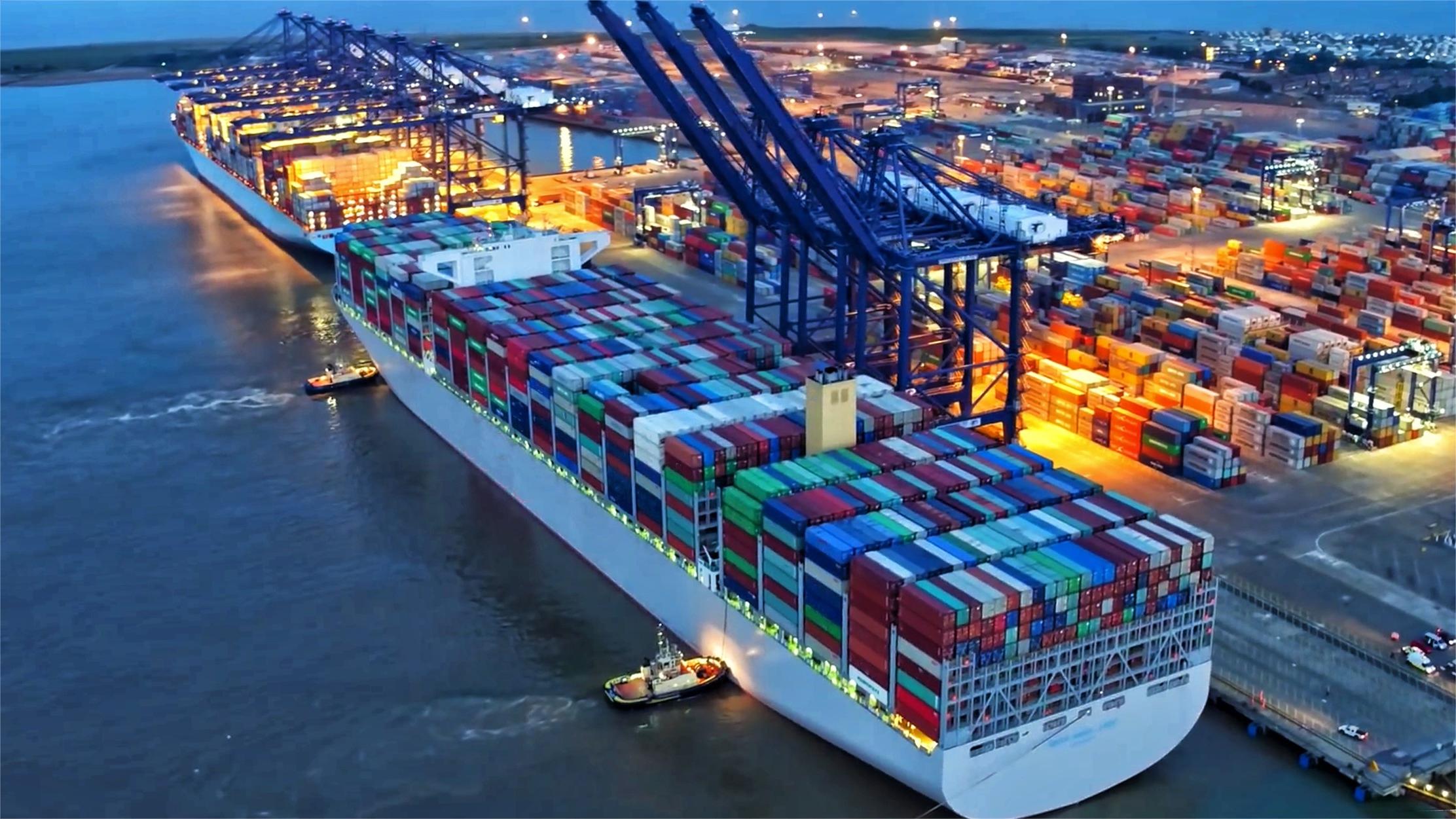
Understanding the Open Top FCL Container Shortage for Hardware Tools
Specifically, an Open Top Full Container Load (FCL) container is essential for oversized or heavy hardware tools that cannot be loaded through standard container doors. These containers lack a fixed roof, allowing for top loading by crane. However, a persistent shortage of these specialized containers has significantly impacted the import of industrial machinery and large tools from China to ports like Houston.
Several factors contribute to this scarcity, including global trade imbalances, port congestion, and increased demand for specialized equipment. Consequently, shippers face longer wait times, higher freight rates, and potential delays in their delivery schedules. This situation demands proactive and strategic planning for importing hardware tools to Houston.
Why is Shipping Hardware Tools to Houston Challenging?
Shipping hardware tools, especially large or irregularly shaped items, from China to Houston presents distinct logistical hurdles. These tools often require robust packaging and secure loading to prevent damage during transit. Furthermore, the sheer volume and weight can necessitate specialized handling equipment at both origin and destination ports.
Houston, being a major industrial hub, experiences high import volumes, which can lead to port congestion and drayage delays. Moreover, navigating U.S. customs for industrial tools involves specific tariffs and documentation requirements. Therefore, a comprehensive understanding of these challenges is crucial for successful import operations.
How Does Open Top FCL Compare to Other Shipping Options?
When considering shipping hardware tools from China to Houston, comparing Open Top FCL with other methods is vital. Each option presents different trade-offs in terms of cost, transit time, and suitability for specific cargo. Understanding these differences helps businesses make informed decisions to optimize their supply chain.
For instance, while standard FCL containers are common, they are unsuitable for oversized items. Less than Container Load (LCL) shipping offers flexibility for smaller volumes but may incur higher per-unit costs and longer transit times due to consolidation. Air freight, conversely, provides speed but at a significantly higher premium, often impractical for heavy hardware tools.
| Shipping Method | Cost Range (40′ Container Equivalent) | Transit Time (China to Houston) | Best For | Limitations |
|---|---|---|---|---|
| Open Top FCL | $4,500 – $7,000 | 30-38 days | Oversized, heavy tools (e.g., machinery) | Limited availability, higher cost than standard FCL |
| Standard FCL (40’HQ) | $4,000 – $6,000 | 30-38 days | Standard-sized hardware tools, large volumes | Cannot accommodate oversized cargo |
| LCL (per CBM) | $80 – $150 per CBM | 35-45 days | Smaller quantities of standard tools | Longer transit, potential for damage during consolidation |
| Air Freight | $15,000 – $30,000+ | 5-8 days | Urgent, high-value, light tools | Extremely high cost, not suitable for heavy machinery |

Key Strategies to Overcome Open Top FCL Shortages
Navigating the current Open Top FCL container shortage requires a multi-faceted approach. Proactive planning and flexibility are paramount for importers seeking to maintain their supply chain integrity. Furthermore, engaging with experienced freight forwarders can unlock alternative solutions and mitigate potential delays.
Exploring different port options in China, such as Ningbo or Shenzhen, might reveal better equipment availability than Shanghai. Similarly, considering alternative ports of entry in the U.S. like Savannah or New Orleans, followed by inland transportation, could be a viable workaround. These strategies demand careful cost-benefit analysis.
Early Booking and Flexible Scheduling
Booking Open Top FCL containers well in advance is a fundamental strategy to secure equipment. Given the high demand, last-minute bookings are increasingly difficult and expensive. Moreover, maintaining flexibility in your shipping schedule can allow you to capitalize on sudden availability or less congested shipping windows. This approach helps manage both shipping costs and transit time effectively.
Working closely with your sea freight provider for early forecasts and reservation requests is crucial. Therefore, this proactive communication minimizes the impact of equipment shortages. It also allows for better planning around potential port congestion at either end of the journey.
Alternative Equipment and Loading Solutions
When Open Top FCL containers are unavailable, exploring alternative equipment options becomes essential. Flat Rack containers, for example, are another specialized solution designed for oversized or heavy cargo. These platforms have end walls but no side walls or roof, providing flexibility for specific dimensions. However, they also face availability challenges.
Sometimes, breaking down larger machinery into smaller components that fit into standard FCL containers can be a solution. This approach, however, necessitates reassembly at the destination. It involves additional costs and labor, which must be factored into the overall project cargo logistics. Consequently, a thorough engineering assessment is often required.
Leveraging Hybrid and Specialized Services
For time-sensitive hardware tools, a hybrid approach combining different modes of transport can offer a strategic advantage. While direct air freight is often too costly for heavy tools, a sea-air combination might be viable. This involves shipping by sea to a transshipment hub (e.g., Dubai) and then by air to Houston. This method balances speed and cost more effectively.
Furthermore, specialized project cargo logistics services can manage complex shipments that do not fit standard container profiles. These services often include custom crating, heavy lift operations, and coordinated multimodal transport. They provide end-to-end solutions, simplifying the process for importers. Consider a reliable door to door service for complete peace of mind.
Real-World Case Studies: Shipping Hardware Tools to Houston
Examining actual scenarios provides practical insights into managing complex shipments of hardware tools. These case studies highlight the challenges faced and the solutions implemented by importers. They demonstrate the importance of meticulous planning and adaptive strategies in today’s dynamic shipping environment.
Based on Q3 2024 market rates and typical transit times, these examples illustrate common situations. Note: Freight rates are subject to change based on fuel costs, carrier capacity, and seasonal demand. Contact us for a current quote tailored to your specific shipment.

Case Study 1: Oversized Industrial Press to Houston
| Detail | Value |
|---|---|
| Route | Shanghai, China -> Houston, USA |
| Cargo | Industrial Hydraulic Press, 28 CBM, 15,000 kg (too wide for standard container) |
| Container | 40′ Open Top FCL |
| Shipping Details | Carrier: COSCO, Port of Loading: Shanghai, Port of Discharge: Houston, Route Type: Transshipment via Busan |
| Cost Breakdown (Estimated) | |
| – Ocean Freight | $6,200 |
| – Origin Charges (THC, documentation) | $450 |
| – Destination Charges (DDC, chassis, port fees) | $600 |
| – Customs & Duties (estimated) | $1,500 |
| – Total Landed Cost | $8,750 |
| Timeline | |
| – Booking to Loading | 10 days (due to shortage) |
| – Sea Transit | 35 days |
| – Customs Clearance | 3 days |
| – Total Door-to-Door | 48 days |
| Key Insight | Early booking was crucial. Transshipment added 5 days but secured equipment. Managed by China Top Freight. |
Case Study 2: Heavy Duty Machine Parts via Flat Rack
| Detail | Value |
|---|---|
| Route | Ningbo, China -> Houston, USA |
| Cargo | Heavy Duty Machine Parts, 35 CBM, 18,000 kg (oversized height) |
| Container | 40′ Flat Rack |
| Shipping Details | Carrier: Maersk, Port of Loading: Ningbo, Port of Discharge: Houston, Route Type: Direct |
| Cost Breakdown (Estimated) | |
| – Ocean Freight | $6,800 |
| – Origin Charges (THC, lashing/securing) | $700 |
| – Destination Charges (DDC, drayage, port fees) | $850 |
| – Customs & Duties (estimated) | $1,800 |
| – Total Landed Cost | $10,150 |
| Timeline | |
| – Booking to Loading | 7 days |
| – Sea Transit | 32 days |
| – Customs Clearance | 2 days |
| – Total Door-to-Door | 43 days |
| Key Insight | Flat rack provided solution when open top was unavailable. Direct route saved time. Special lashing and securing added cost but ensured cargo safety. Customs brokerage expedited clearance. |
Case Study 3: Urgent Small Tool Batch by Express Air
| Detail | Value |
|---|---|
| Route | Shenzhen, China -> Houston, USA |
| Cargo | Specialized Precision Tools, 2 CBM, 300 kg (urgent replacement parts) |
| Container | Air Cargo Pallet |
| Shipping Details | Carrier: FedEx Express, Airport of Loading: SZX, Airport of Discharge: IAH, Route Type: Direct Air |
| Cost Breakdown (Estimated) | |
| – Air Freight | $2,800 |
| – Origin Charges (handling, documentation) | $150 |
| – Destination Charges (airport fees, delivery) | $200 |
| – Customs & Duties (estimated) | $100 |
| – Total Landed Cost | $3,250 |
| Timeline | |
| – Booking to Loading | 1 day |
| – Air Transit | 3 days |
| – Customs Clearance | 1 day |
| – Total Door-to-Door | 5 days |
| Key Insight | For urgent, lighter cargo, express service is invaluable despite higher cost. Critical for avoiding production downtime. This example shows that not all hardware tools require FCL containers. |
Market Insights and Future Outlook for Shipping to Houston
As of early 2025, freight rates from China to the USA East Coast, including Houston, have seen some stabilization after the volatility of previous years. However, specific equipment like Open Top FCL containers remains in high demand. Geopolitical events and port labor negotiations continue to influence vessel capacity and overall logistics trends.
Industry experts predict continued pressure on specialized equipment availability through Q2 2025. Seasonal patterns, such as the pre-Chinese New Year rush and the August-October peak season, will likely cause rate increases of 15-25%. Therefore, maintaining strong relationships with reliable freight partners is more critical than ever for managing your import/export operations.
Which Shipping Option Should You Choose for Hardware Tools?
Selecting the optimal shipping method for your hardware tools from China to Houston depends on several critical factors. Each business has unique priorities, whether it is cost efficiency, speed, or specific cargo handling requirements. Carefully weighing these elements will guide your decision-making process.
Consider your budget, the urgency of the shipment, the dimensions and weight of your tools, and your tolerance for risk. A strategic approach involves balancing these aspects to find the most suitable logistics solution. Furthermore, partnering with a knowledgeable freight forwarder is invaluable for navigating these complexities.
Budget Priority
If cost-effectiveness is your primary concern, standard FCL or LCL sea freight is typically the most economical option. For oversized items, an Open Top FCL or Flat Rack will be necessary, but still generally more cost-effective than air freight. Securing bookings well in advance can also help mitigate rising freight rates.
Speed Priority
For urgent shipments of hardware tools or critical spare parts, air freight is unmatched in speed. While expensive, it minimizes transit time significantly, often reducing lead times from weeks to days. If air freight is too costly for heavier items, a sea-air hybrid solution might offer a compromise.
Cargo Type and Volume Thresholds
For standard-sized hardware tools in large volumes (over 15-20 CBM), a standard FCL container is ideal. Smaller volumes (under 15 CBM) might benefit from LCL, though transit times can be longer. Oversized or oddly shaped tools absolutely require Open Top FCL or Flat Rack containers. Always confirm cargo dimensions before booking.
Your Solution to the Open Top FCL Container Shortage
Effectively managing the Open Top FCL container shortage for hardware tools from China to Houston demands foresight, flexibility, and strong logistical partnerships. By understanding the challenges, exploring alternative shipping methods, and implementing strategic planning, importers can minimize disruptions. This ensures the timely and cost-effective delivery of their essential equipment.
China Top Freight offers comprehensive services designed to navigate these complexities. Our expertise in specialized cargo handling and strong carrier relationships provide reliable solutions for your unique shipping needs. We are dedicated to optimizing your supply chain, even amidst market fluctuations.
Get Your Shipping Quote Today
Ready to overcome the Open Top FCL container shortage for your hardware tools from China to Houston? Contact China Top Freight today for tailored shipping solutions and expert logistics support. We provide competitive quotes and reliable service to streamline your supply chain.
Request Quote