

Open Top FCL Container Shortage Solution for Hardware Tools from China to Netherlands
Shipping oversized or heavy hardware tools from China to the Netherlands can present unique challenges, especially with the current Open Top FCL container shortage. Many businesses struggle to find reliable and cost-effective logistics for their specialized cargo. This article provides comprehensive solutions, helping you navigate these complexities and ensure your valuable hardware tools reach their destination efficiently. Explore how China Top Freight can assist with your unique shipping needs.

Understanding the Open Top FCL Container Shortage from China to Netherlands
The global supply chain has experienced significant disruptions, consequently affecting the availability of specialized equipment like Open Top FCL containers. This shortage impacts businesses importing large or irregularly shaped hardware tools from China to the Netherlands. Therefore, understanding the root causes is crucial for developing effective shipping strategies.
Factors contributing to this scarcity include increased demand for project cargo, port congestion, and repositioning challenges for specialized equipment. Moreover, geopolitical events and unexpected surges in trade volumes exacerbate these issues. Businesses must adapt quickly to maintain their supply chain resilience and delivery schedules.
This situation necessitates exploring alternative shipping solutions and strategic planning. Furthermore, engaging with experienced freight forwarders becomes paramount to securing suitable cargo handling options. They possess the expertise to navigate complex logistics trends and find optimal routes.
Why is Open Top FCL Essential for Hardware Tools?
Open Top FCL containers are specifically designed for cargo that is too tall to be loaded through standard container doors. This often includes heavy machinery, industrial equipment, or large hardware tools. The removable tarpaulin roof allows for easy overhead loading, making it indispensable for certain types of shipments.
Additionally, these containers offer the full protection of an FCL shipment while accommodating oversized dimensions. This ensures cargo safety during transit, minimizing the risk of damage. Therefore, for many hardware tool manufacturers and distributors, Open Top FCL is the preferred choice for its combination of capacity and security.
Alternative Shipping Solutions for Oversized Hardware Tools
Given the persistent Open Top FCL container shortage, exploring viable alternatives is essential for maintaining your supply chain. Fortunately, several options exist, each with its own advantages and considerations. These solutions can help mitigate delays and manage shipping costs effectively.
Firstly, Flat Rack containers offer an excellent alternative for cargo that is not only oversized but also over-width. These containers have end walls but no side walls or roof, allowing for flexible loading from the top or sides. They are ideal for heavy equipment and very wide machinery.
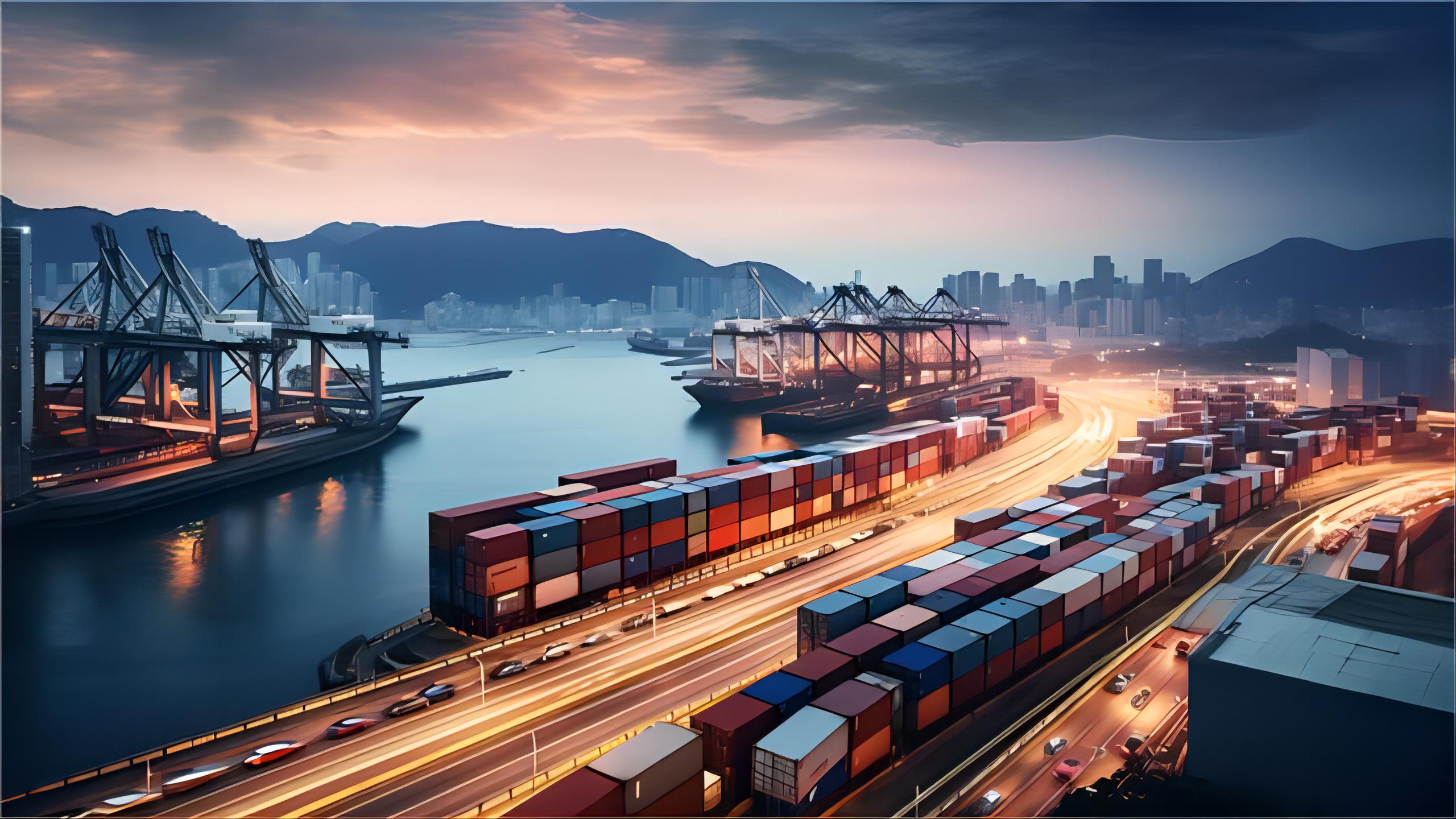
Secondly, Breakbulk shipping involves transporting cargo that cannot fit into standard containers, even open tops, directly in the ship’s hold. This method is often used for extremely large or heavy items, such as industrial plant components or massive construction tools. While it requires specialized cargo handling, it provides significant flexibility.
Thirdly, for slightly less oversized items, it might be possible to re-engineer packaging or partially disassemble items to fit into standard General Purpose (GP) containers. This approach requires careful planning and coordination with manufacturers. However, it can significantly reduce freight rates compared to specialized equipment.
How Does Specialized Container Shipping Compare to Other Options?
When shipping hardware tools from China to the Netherlands, selecting the right method is critical. The choice depends heavily on cargo dimensions, urgency, and budget. This comparison highlights the primary options available beyond standard FCL containers.
Moreover, understanding the trade-offs between cost, transit time, and cargo security is vital. For instance, while air freight offers speed, its cost for heavy hardware tools is often prohibitive. Conversely, sea freight provides economy but with longer transit times.
Consider your specific needs carefully, therefore, to make an informed decision. Partnering with a knowledgeable freight forwarder can provide tailored advice. They can help navigate the complexities of international shipping from China to Europe.
| Shipping Method | Cost Range (China-Netherlands) | Transit Time (Days) | Best For | Limitations |
|---|---|---|---|---|
| Open Top FCL (Standard) | $3,000 – $4,200 | 28 – 35 | Tall, heavy items needing overhead loading, full container volume | Availability issues, higher cost than GP FCL |
| Flat Rack Container | $3,500 – $5,000 | 28 – 35 | Oversized, over-width, heavy items; project cargo | Higher cost, limited availability, requires specialized lashing |
| Breakbulk Shipping | $4,000 – $8,000+ | 30 – 45 | Extremely large, heavy, or oddly shaped items; no container fit | Longer transit, higher handling risk, port-specific handling capabilities |
| Standard FCL (GP Container) | $2,800 – $3,800 | 28 – 35 | Standard-sized hardware tools, full container loads | Cannot accommodate oversized cargo, not a direct solution for shortage |
| LCL (Less than Container Load) | $50 – $80/CBM | 30 – 40 | Smaller batches of hardware tools, under 15 CBM | Longer transit, more handling, not suitable for oversized items |
| Rail Freight | $4,500 – $6,000 (40HQ) | 18 – 25 | Time-sensitive cargo, alternative to sea/air, standard containers | Not suitable for open top/flat rack dimensions, limited capacity for specialized cargo |
Optimizing Your Supply Chain: Strategic Planning and Cost-Saving Tips
Effective supply chain management is paramount, especially when facing an Open Top FCL container shortage. Strategic planning can significantly reduce both costs and transit times. Therefore, proactive measures are key to navigating these challenges successfully.
Firstly, consider consolidating smaller shipments. If you frequently ship various hardware tools, combining them into a single, larger shipment can optimize container space. This approach can also lead to better freight rates and reduced administrative overhead.
Secondly, explore the benefits of door-to-door delivery services. These comprehensive solutions manage the entire logistics process from origin to final destination, simplifying your operations. This often includes customs clearance, drayage, and final mile delivery.
Thirdly, negotiate contracts with multiple carriers or freight forwarders. This diversification can provide more flexibility and better pricing options during periods of high demand or equipment shortages. Always compare quotes and service levels.
Finally, invest in robust cargo insurance. While not a direct cost-saving measure, it protects against unforeseen damages or losses during transit. This peace of mind is invaluable, especially for high-value hardware tools.
Case Studies: Successful Shipments from China to Netherlands
These real-world examples illustrate how businesses successfully navigated the challenges of shipping hardware tools from China to the Netherlands, even amidst specialized container shortages. They highlight effective strategies and the importance of expert logistics partners. These cases demonstrate practical solutions for complex import/export scenarios.
Case Study 1: Large Machine Tools via Flat Rack
This case involved a manufacturer needing to ship a large CNC milling machine, which was too wide for a standard Open Top container. The Open Top FCL container shortage further complicated the situation. A Flat Rack solution was chosen for its flexibility in accommodating oversized cargo.
| Detail | Description |
|---|---|
| Route | Shanghai, China Rotterdam, Netherlands |
| Cargo | CNC Milling Machine, 28 CBM, 12,500 kg |
| Container | 1 x 40′ Flat Rack |
| Shipping Details | Carrier: COSCO, Port of Loading: Shanghai, Port of Discharge: Rotterdam, Route Type: Direct |
| Cost Breakdown | Ocean Freight: $4,800, Origin Charges: $450, Destination Charges: $550, Customs & Duties (estimated): $1,200, Total Landed Cost: $7,000 (Based on Q3 2024 market rates for specialized equipment) |
| Timeline | Booking to Loading: 7 days, Sea Transit: 30 days, Customs Clearance: 3 days, Total Door-to-Door: 45 days |
| Key Insight | Flat Rack containers provided the necessary width for the machine. Specialized lashing and securing were critical. Pre-booking was essential due to limited Flat Rack availability. |
Case Study 2: Heavy Industrial Pumps via Breakbulk
A client needed to transport several heavy industrial pumps that exceeded both Open Top and Flat Rack dimensions. With the Open Top FCL container shortage already a concern, breakbulk shipping emerged as the only viable option. This method required careful coordination at both ports.
| Detail | Description |
|---|---|
| Route | Ningbo, China Amsterdam, Netherlands |
| Cargo | 3 Industrial Pumps, 35 CBM (total), 18,000 kg (total) |
| Container | Breakbulk Cargo |
| Shipping Details | Carrier: Maersk (Breakbulk Service), Port of Loading: Ningbo, Port of Discharge: Amsterdam, Route Type: Transshipment via Singapore |
| Cost Breakdown | Ocean Freight: $6,500, Origin Charges: $700, Destination Charges: $850, Customs & Duties (estimated): $1,500, Total Landed Cost: $9,550 (Typical rates as of early 2025 for breakbulk) |
| Timeline | Booking to Loading: 10 days, Sea Transit: 38 days, Customs Clearance: 4 days, Total Door-to-Door: 55 days |
| Key Insight | Breakbulk offered the capacity for extremely large items. However, it involved longer transit times and higher handling costs. Detailed pre-planning with port authorities was crucial. |
Case Study 3: Consolidating Specialized Hand Tools for FCL
Despite the Open Top FCL container shortage, a client had multiple smaller, though still bulky, specialized hand tools for various projects. By consolidating these into a standard 40HQ container, they bypassed the need for an Open Top. This strategy required careful internal logistics planning.
| Detail | Description |
|---|---|
| Route | Shenzhen, China Rotterdam, Netherlands |
| Cargo | Assorted Specialized Hand Tools & Workbenches, 60 CBM, 15,000 kg |
| Container | 1 x 40′ High Cube (HC) FCL |
| Shipping Details | Carrier: MSC, Port of Loading: Shenzhen, Port of Discharge: Rotterdam, Route Type: Direct |
| Cost Breakdown | Ocean Freight: $3,500, Origin Charges: $380, Destination Charges: $420, Customs & Duties (estimated): $1,000, Total Landed Cost: $5,300 (Industry average for Q1 2025) |
| Timeline | Booking to Loading: 5 days, Sea Transit: 28 days, Customs Clearance: 2 days, Total Door-to-Door: 38 days |
| Key Insight | Careful internal packaging and strategic loading allowed the use of a standard HC container, saving costs and avoiding the shortage issue. This required precise coordination with the supplier. |

Which Solution is Right for Your Hardware Tools Shipment?
Choosing the optimal shipping solution for your hardware tools depends on several key criteria. Evaluating your priorities will guide you towards the most suitable method, especially during an Open Top FCL container shortage. Consider these factors carefully.
If **budget is your primary concern**, and your cargo can fit, a standard FCL or LCL (sea freight) is typically the most cost-effective. However, if your tools are truly oversized, a Flat Rack might be a more economical choice than breakbulk. Always seek competitive freight rates.
For **speed priority**, especially for critical spare parts or urgent project deadlines, rail freight offers a faster alternative to sea shipping. While not suitable for open top dimensions, it can accelerate standard containerized cargo. For extremely time-sensitive but smaller items, air freight remains an option, though costly.
**Cargo type considerations** are paramount. Very tall items might still necessitate an Open Top if available, or a Flat Rack. Extremely heavy or oddly shaped items that cannot be containerized are best suited for breakbulk shipping. Delicate or high-value items benefit from direct FCL routes and robust cargo insurance.
Consider **volume thresholds** for switching methods. For instance, if your cargo volume is less than 15 CBM, LCL might be more economical than a full container. However, for anything above 20 CBM, FCL (or its specialized alternatives) usually becomes more cost-effective. Consult with experts for precise recommendations.
Partnering with an Expert Freight Forwarder for Seamless Logistics
Navigating the complexities of international shipping, particularly with an Open Top FCL container shortage, requires specialized expertise. An experienced freight forwarder can be an invaluable partner in overcoming these challenges. They offer comprehensive services that simplify the entire process.
A reliable freight forwarder provides crucial insights into current logistics trends, vessel capacity, and port congestion. They can leverage their network to secure specialized equipment like Flat Racks or arrange breakbulk solutions when Open Top containers are scarce. This proactive approach saves you time and reduces stress.
Furthermore, they handle all necessary documentation and customs brokerage, ensuring compliance with both Chinese export and Dutch import regulations. This minimizes delays and avoids costly penalties. Their expertise in import/export procedures is indispensable.
Finally, a good partner offers end-to-end visibility of your shipment. This transparency allows you to track your hardware tools from origin to destination, providing peace of mind. Such comprehensive support is essential for maintaining a smooth and efficient supply chain.
Navigating the Open Top FCL Container Shortage with Confidence
The Open Top FCL container shortage for hardware tools from China to the Netherlands presents significant logistical hurdles, yet effective solutions are readily available. By understanding the alternatives like Flat Rack or breakbulk shipping, and strategically planning your supply chain, businesses can mitigate these challenges. Furthermore, leveraging the expertise of a seasoned freight forwarder is paramount for ensuring smooth and efficient delivery. Ultimately, proactive planning and a trusted logistics partner are key to overcoming specialized equipment shortages and maintaining robust international trade routes.
Ready to streamline your logistics?
Are you facing an Open Top FCL container shortage for your hardware tools shipment from China to the Netherlands? Don’t let logistics challenges delay your business. Contact us today for a personalized quote and expert solutions tailored to your unique cargo needs. We are ready to assist you.
Request Quote