

Open Top FCL Container Shortage Solution for Solar Panels from China to Miami
Shipping oversized cargo like solar panels from China to Miami often requires specialized equipment, such as Open Top FCL containers. However, recent global logistics trends have led to significant shortages, creating challenges for importers. This article explores practical solutions and alternative strategies to navigate these difficulties, ensuring your valuable solar panels reach their destination efficiently. Learn how China Top Freight can help mitigate these issues with expert freight forwarding.

Why is There an Open Top FCL Container Shortage for Solar Panels?
The demand for renewable energy, especially solar power, has surged globally, leading to increased shipments of solar panels. Consequently, the need for specialized containers like Open Top FCL (Full Container Load) units has also risen dramatically. This heightened demand, however, often outstrips the available supply.
Furthermore, various factors contribute to this persistent shortage. Global supply chain disruptions, port congestion, and imbalanced trade flows mean containers are frequently stuck in the wrong locations. Additionally, the repositioning of specialized equipment like Open Top containers is more complex and costly than standard dry containers.
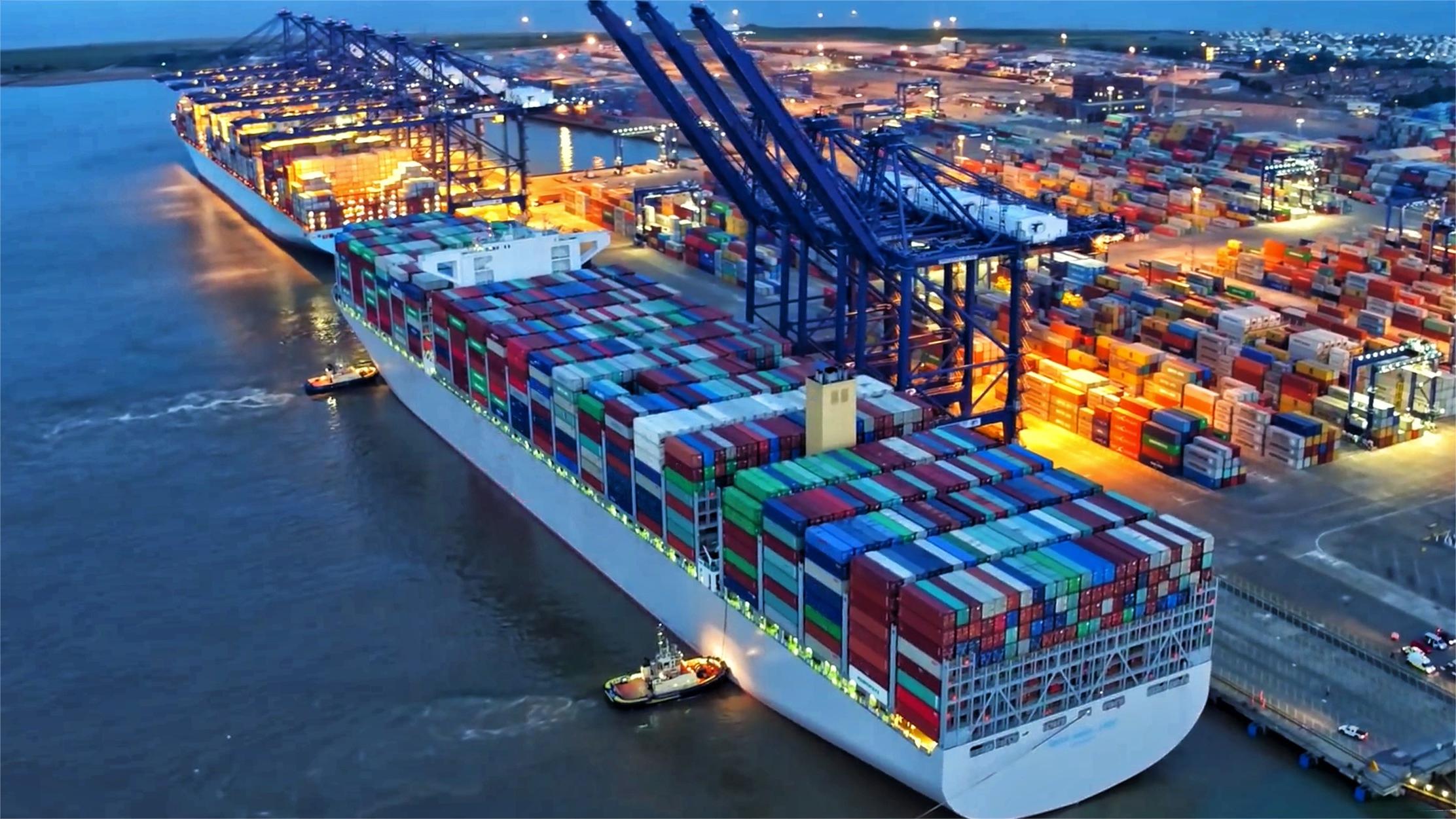
Moreover, carriers prioritize standard container types, making specialized equipment harder to secure. Market data suggests that Open Top container availability can fluctuate significantly, particularly during peak shipping seasons. This impacts the reliable transport of oversized cargo, including large solar panel arrays.
Therefore, understanding these underlying causes is crucial for developing effective shipping strategies. Importers must anticipate potential delays and consider alternative solutions well in advance of their planned shipment dates.
What Are the Challenges of Shipping Solar Panels from China to Miami?
Shipping solar panels from China to Miami involves several unique logistical hurdles. These panels are often fragile, oversized, and require careful handling to prevent damage during transit. The sheer volume and dimensions of large-scale solar projects necessitate specialized equipment.
Beyond container availability, other challenges include fluctuating sea freight rates and extended transit times. Port congestion at major Chinese hubs like Shanghai or Ningbo can cause significant delays. Similarly, congestion at the Port of Miami can impact final delivery schedules.
Additionally, regulatory compliance and customs clearance procedures for importing renewable energy products into the USA are complex. Importers must ensure all documentation is precise to avoid costly delays and penalties. Navigating these requirements demands expertise and meticulous attention to detail.
Thus, a comprehensive understanding of the entire shipping process, from origin to destination, is essential. Proactive planning and a robust logistics strategy are paramount for successful delivery to Miami.
How Do Open Top Containers Solve Solar Panel Shipping Needs?
Open Top containers are specifically designed for cargo that is too tall to be loaded through standard container doors. These units feature a removable tarpaulin roof, allowing for easy loading of oversized items from the top using cranes. This makes them ideal for large solar panel modules, which often exceed standard container height limits.
Moreover, the structural integrity of an Open Top FCL container ensures robust protection for sensitive cargo. Once loaded, the panels are secured, and the tarpaulin is fastened, safeguarding them from weather elements during the ocean voyage. This method minimizes the risk of damage compared to less secure alternatives.
Furthermore, their design facilitates efficient loading and unloading, reducing labor costs and potential handling damage. For project cargo like solar farms, where multiple large panels are shipped, Open Top containers provide a practical and secure solution. This specialized equipment is critical for many large-scale solar installations.
However, securing these containers, especially for routes like China to Miami, requires early booking and strong relationships with carriers. Their limited availability necessitates strategic planning and potentially higher costs.

What Are the Alternative Shipping Solutions for Oversized Solar Cargo?
When Open Top FCL containers are scarce, several viable alternatives exist for shipping solar panels from China to Miami. Each option presents different trade-offs in terms of cost, transit time, and cargo handling. Understanding these alternatives is crucial for maintaining supply chain resilience.
One common alternative is the Flat Rack container. These units have no side walls or roof, providing maximum flexibility for extremely wide or tall cargo. Solar panels can be securely lashed to the flat rack base, offering excellent stability. This option is particularly suitable for panels that might even exceed Open Top dimensions.
Another consideration is Breakbulk shipping. This method involves loading cargo directly onto the vessel’s deck or into its holds without using containers. Breakbulk is often used for exceptionally large or heavy project cargo that cannot fit into any standard container type. While flexible, it typically involves more handling and potentially longer transit times.
For urgent or smaller, higher-value shipments, air freight remains an option, albeit at a significantly higher cost. This method offers the fastest transit times, which can be critical for time-sensitive solar projects. However, it’s generally not cost-effective for large volumes of solar panels due to weight and size restrictions.
Lastly, utilizing standard dry containers with careful internal bracing and dunnage can sometimes be an option for panels that are just within height limits. This requires meticulous planning and specialized packing to ensure safety. This approach helps avoid specialized equipment shortages but adds complexity to loading.
| Shipping Method | Cost Range (40′ Equivalent) | Transit Time (China-Miami) | Best For | Limitations |
|---|---|---|---|---|
| Open Top FCL | $5,000 – $8,000 | 30-38 days | Oversized cargo (height), standard volumes | Limited availability, higher cost than standard FCL |
| Flat Rack Container | $6,000 – $9,500 | 30-40 days | Extremely wide/tall cargo, heavy machinery | Very limited availability, specialized handling, higher cost |
| Breakbulk | Quote-based (variable) | 35-50 days | Very large project cargo, non-containerizable items | More handling, longer transit, weather exposure risk |
| Air Freight | $15,000 – $25,000 (per 10 CBM) | 5-8 days | Urgent, high-value, small-to-medium volume shipments | Extremely high cost, strict weight/size limits |
| Standard FCL (with modifications) | $4,000 – $7,000 | 30-38 days | Panels just within height limits, cost-sensitive | Requires meticulous packing, potential for damage if not properly secured |
Which Shipping Method Should You Choose for Your Solar Panel Shipment?
Deciding on the optimal shipping method for your solar panels depends on several critical factors. Your budget, urgency, and the specific dimensions of your cargo will heavily influence the best choice. A careful assessment of these priorities will guide your decision-making process.
If budget is your primary concern and your panels fit within certain height constraints, a standard FCL container with specialized internal bracing might be most economical. This option avoids the premium associated with specialized equipment. However, it requires careful engineering of the loading plan.
Conversely, if speed is paramount for your project timeline, air freight is unrivaled. While significantly more expensive, it ensures the fastest delivery to Miami. This is often reserved for critical components or unforeseen shortages.
For oversized panels that exceed standard container height, Open Top FCL or Flat Rack containers are generally the most suitable. These options provide the necessary space and security for large modules. However, their availability must be confirmed well in advance, especially for high-demand routes.
Finally, for exceptionally large or non-standard solar infrastructure components, Breakbulk shipping becomes the go-to solution. This method offers the most flexibility for truly massive items. Consult with a specialized freight forwarder to evaluate the best fit for your unique requirements and to navigate the complexities involved.
How Can You Optimize Costs and Transit Times for Solar Panel Logistics?
Optimizing the logistics for shipping solar panels from China to Miami involves a multi-faceted approach. Strategic planning and leveraging expert freight forwarding services are key to reducing both expenses and delivery timelines. Proactive measures can significantly impact your bottom line.
Firstly, consider consolidating shipments whenever possible. If you have multiple suppliers, coordinating their cargo to fit into a single container type can reduce per-unit shipping costs. This requires careful scheduling and warehouse management at the origin port.
Secondly, explore different port options in China and Miami. Sometimes, slightly less congested ports can offer better rates or faster turnaround times. Flexibility in port selection can provide a competitive advantage, especially during peak seasons.
Furthermore, engaging in long-term contracts with carriers or freight forwarders can secure better rates and guaranteed space. This minimizes exposure to volatile spot market pricing. Building strong relationships with logistics partners is invaluable.
Moreover, effective customs brokerage ensures smooth clearance, preventing costly demurrage and detention charges. Pre-clearing documentation and understanding import duties for solar panels are crucial. This proactive approach saves both time and money.
Finally, for critical shipments, consider a hybrid approach. For instance, shipping the bulk via sea freight and a smaller, critical portion via air freight can balance cost and speed. This ensures project continuity without excessive overall expense. A reliable door-to-door service can manage these complexities seamlessly.
Navigating Customs and Documentation for Solar Panel Imports to Miami
Importing solar panels into Miami, Florida, requires meticulous attention to customs regulations and documentation. Proper preparation is essential to avoid delays, fines, and storage fees. Understanding the specific requirements for renewable energy products is a critical step in the supply chain.
Crucially, you will need a commercial invoice, packing list, and bill of lading (or air waybill). These fundamental documents provide details about the cargo, its value, and the shipping terms. Accuracy in these documents is paramount for smooth customs processing.
Additionally, solar panels may be subject to specific tariffs and duties, which can vary based on the country of origin and product classification. It is important to verify the Harmonized Tariff Schedule (HTS) codes for your specific solar panel type. Consulting with a customs broker is highly recommended for this.
Furthermore, compliance with U.S. import regulations, including any anti-dumping or countervailing duties, is mandatory. The importer of record is responsible for ensuring all regulations are met. This includes understanding any specific certifications or standards required for solar equipment.
Therefore, partnering with an experienced customs broker is invaluable for solar panel imports. They can navigate the complexities of U.S. Customs and Border Protection (CBP) requirements. Their expertise ensures timely clearance and adherence to all legal obligations for your cargo arriving in Miami.
| Document | Purpose | Key Information Required | Importance |
|---|---|---|---|
| Commercial Invoice | Proof of sale, customs valuation | Seller/Buyer info, product description, value, Incoterms | High – essential for duties & taxes |
| Packing List | Details of cargo contents | Number of packages, weight, dimensions, marks | High – for cargo handling & inspection |
| Bill of Lading (BOL) | Contract of carriage, title to goods | Shipper/Consignee, vessel, port of loading/discharge | High – legal document for cargo release |
| Certificate of Origin | Confirms country of manufacture | Country of origin, product details | Medium – may impact duties/tariffs |
| Import License/Permit | Specific government approval | Product-specific permits (if applicable) | Varies – check for specific solar components |
Real-World Solutions: Case Studies for Solar Panel Shipments
Examining real-world scenarios highlights how various challenges are overcome in shipping solar panels. These case studies illustrate practical applications of the strategies discussed. They provide tangible examples of successful logistics operations from China to Miami.
Case Study 1: Securing Open Top FCL for a Large Solar Project
| Detail | Description |
|---|---|
| Route | Shanghai, China Miami, USA |
| Cargo | 2,500 Monocrystalline Solar Panels, 85 CBM, 45,000 kg |
| Container | 2 x 40′ Open Top FCL (OOG cargo) |
| Shipping Details | Carrier: COSCO, Port of Loading: Shanghai, Port of Discharge: Miami, Route Type: Direct |
| Cost Breakdown | Ocean Freight: $11,500, Origin Charges: $1,200, Destination Charges: $950, Customs & Duties (estimated): $2,800, Total Landed Cost: $16,450 |
| Timeline | Booking to Loading: 10 days, Sea Transit: 32 days, Customs Clearance: 3 days, Total Door-to-Door: 40 days |
| Key Insight | Early booking (2 months in advance) and a flexible loading schedule secured the specialized containers during Q1 2025. This proactive approach avoided delays. |
Case Study 2: Flat Rack as an Alternative During Open Top Shortage
| Detail | Description |
|---|---|
| Route | Ningbo, China Miami, USA |
| Cargo | 1,800 Bifacial Solar Panels, 70 CBM, 38,000 kg |
| Container | 2 x 40′ Flat Rack (OOG cargo) |
| Shipping Details | Carrier: Maersk, Port of Loading: Ningbo, Port of Discharge: Miami, Route Type: Transshipment via Panama Canal |
| Cost Breakdown | Ocean Freight: $13,200, Origin Charges: $1,450, Destination Charges: $1,100, Customs & Duties (estimated): $2,500, Total Landed Cost: $18,250 |
| Timeline | Booking to Loading: 14 days, Sea Transit: 38 days, Customs Clearance: 4 days, Total Door-to-Door: 46 days |
| Key Insight | When Open Top FCLs were unavailable, switching to Flat Racks allowed the shipment to proceed. This required specialized lashing and securing, adding slightly to costs and transit time. Typical rates as of mid-2024. |
Case Study 3: Expedited Air Freight for Critical Solar Components
| Detail | Description |
|---|---|
| Route | Shenzhen, China Miami, USA |
| Cargo | 500 High-Efficiency Solar Inverters (critical component), 5 CBM, 2,500 kg |
| Container | Air Cargo Pallets |
| Shipping Details | Carrier: Cathay Pacific Cargo, Airport of Origin: SZX, Airport of Destination: MIA, Route Type: Direct Air Freight |
| Cost Breakdown | Air Freight: $9,500, Origin Charges: $400, Destination Charges: $300, Customs & Duties (estimated): $800, Total Landed Cost: $11,000 |
| Timeline | Booking to Loading: 3 days, Air Transit: 2 days, Customs Clearance: 1 day, Total Door-to-Door: 7 days |
| Key Insight | This urgent shipment of critical inverters necessitated air freight due to project deadlines. Despite the high cost, the speed was essential to prevent significant project delays. Based on Q3 2024 market rates for expedited service. |
| Note | Freight rates are subject to change based on fuel costs, carrier capacity, and seasonal demand. Contact us for a current quote tailored to your specific shipment. |

Why Partner with a Specialized Freight Forwarder for Open Top FCL Container Shortage Solution for Solar Panels?
Navigating the complexities of international shipping, especially with specialized cargo like solar panels, demands expert assistance. A professional freight forwarder offers invaluable knowledge and resources to overcome challenges like the Open Top FCL container shortage. Their industry connections and experience are crucial for successful outcomes.
A specialized forwarder possesses deep market intelligence regarding container availability and freight rates. They can source alternative equipment, negotiate with carriers, and manage complex documentation. This expertise ensures your solar panels are transported efficiently and compliantly.
Furthermore, they provide end-to-end logistics solutions, from factory pickup in China to final delivery in Miami. This comprehensive service minimizes your administrative burden and streamlines the entire shipping process. They act as a single point of contact for all your logistical needs.
Moreover, in times of shortage, a reputable forwarder can leverage their network to secure capacity that might be unavailable to individual shippers. Their proactive communication keeps you informed about your shipment’s status. This transparency builds trust and reduces uncertainty.
Ultimately, partnering with an expert freight forwarder is an investment in supply chain reliability and peace of mind. They are equipped to handle unforeseen issues, ensuring your Open Top FCL container shortage solution for solar panels from China to Miami is effective and economical.
Conclusion: Securing Your Solar Panel Supply Chain to Miami
The global demand for solar panels, coupled with ongoing supply chain disruptions, presents unique challenges for importers requiring Open Top FCL containers from China to Miami. While shortages can be daunting, a combination of proactive planning, exploring alternative shipping methods, and leveraging expert freight forwarding services offers viable solutions.
By understanding the nuances of specialized equipment like Flat Racks and Breakbulk, and meticulously navigating customs, businesses can ensure their valuable solar cargo reaches its destination efficiently. Ultimately, the right logistics partner is indispensable in overcoming the Open Top FCL container shortage solution for solar panels from China to Miami.
Prioritizing careful planning and informed decision-making will safeguard your investment and maintain the momentum of your renewable energy projects.
Need a tailored shipping solution?
Are you struggling with the Open Top FCL container shortage for your solar panel shipments from China to Miami? Don’t let logistical challenges delay your projects. Contact us today for a personalized quote and discover how our expert solutions can ensure seamless delivery.