

- By kelly
- December 1, 2025
- Tips or Guide
Open Top FCL Container Shortage Solution for Textiles from China to Norway
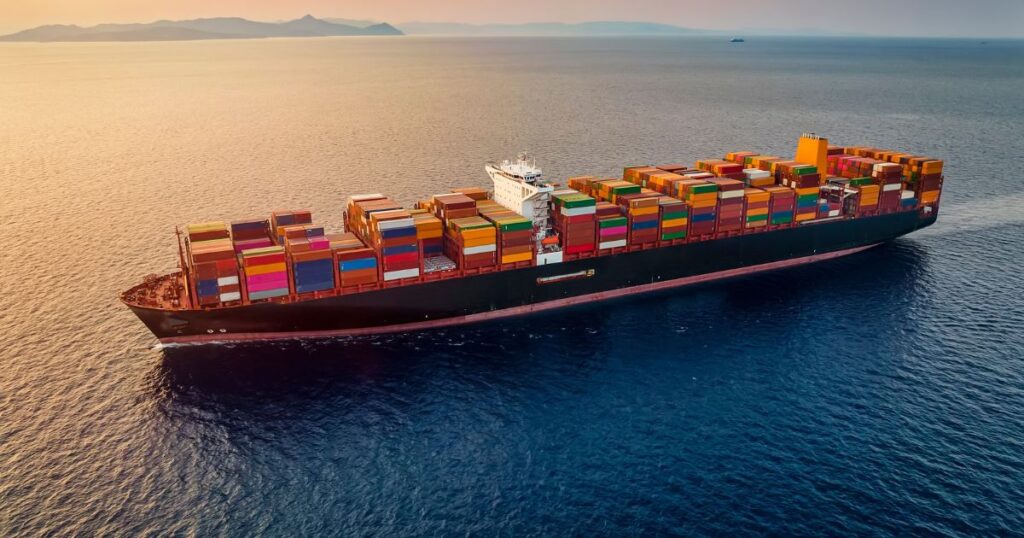
The global shipping crisis has impacted many industries, and textile importers are no exception. When it comes to moving oversized or voluminous cargo like textile machinery, rolls, or stacked pallets, Open Top FCL containers are the preferred choice. But what happens when these containers are in short supply? Finding an effective Open Top FCL container shortage solution for textiles from China to Norway is crucial to avoid delays, additional fees, and broken supply chains.
In this article, we’ll explore alternative strategies, port combinations, booking advice, and shipment planning to overcome container shortages efficiently.
1. Why Are Open Top FCL Containers Preferred for Textile Shipments?
Open Top containers are ideal for textile-related exports that are:
- Extra tall or oddly shaped
- Stacked vertically and difficult to load through standard container doors
- Packed in rolls or on industrial racks
- Loaded using overhead cranes or hoists
The open roof allows more flexibility for textile factories shipping heavy machinery or oversized fabric bundles.
2. What Is Causing the Container Shortage from China to Norway?
The shortage of specialized containers like Open Top FCL units stems from:
- Equipment imbalance in Asia and Europe
- Congestion at key Chinese ports (e.g., Shenzhen, Ningbo)
- Low return rates from destination ports like Oslo or Bergen
- Increased demand for outbound project cargo
Moreover, shipping lines prioritize standard 40HQ and 20GP containers due to faster turnover, sidelining Open Tops in allocation.
3. How Can Textile Shippers Secure Open Top FCL Containers Despite Shortages?
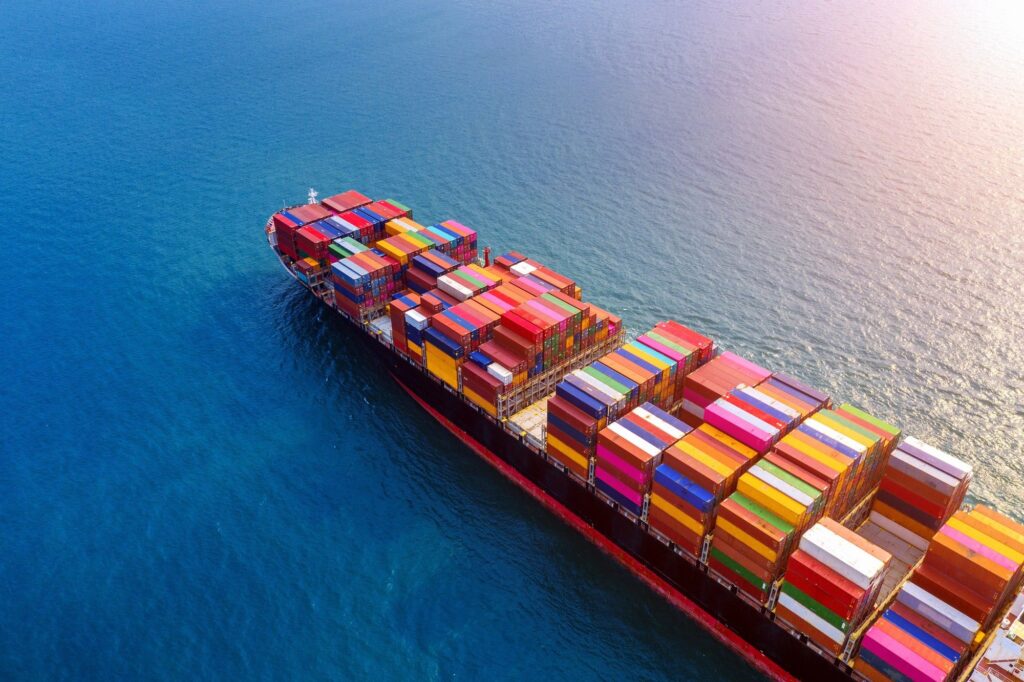
Despite challenges, textile exporters can still access Open Top FCLs by:
- Booking early (3–4 weeks in advance)
- Targeting less congested ports like Xiamen or Qingdao
- Negotiating priority allocations through long-term forwarder relationships
- Using shipper-owned containers (SOC) as a fallback option
Planning around peak seasons and avoiding tight cutoff dates significantly improves container availability.
4. What Are the Best Port Routes for Shipping to Norway?
Selecting the right route improves container availability and minimizes transshipment delays.
Table: Optimal Routes from China to Norway (Open Top FCL)
| China Port | Norway Port | Route Type | Transit Time | Notes |
|---|---|---|---|---|
| Shanghai | Oslo (via Rotterdam) | Transshipment | 31–36 days | Most reliable indirect route |
| Ningbo | Bergen (via Hamburg) | Transshipment | 33–38 days | Slightly longer, stable connection |
| Qingdao | Oslo (via Antwerp) | Transshipment | 34–40 days | Often has better container stock |
| Shenzhen | Oslo (via Bremerhaven) | Transshipment | 35–42 days | Delays possible during peak seasons |
Routing via major European transshipment hubs improves the chance of securing an Open Top container.
5. Are There Alternative Container Options for Shipping Textiles?
Yes, when Open Top FCLs are unavailable, consider:
Table: Alternative Container Options
| Container Type | Best For | Pros | Cons |
|---|---|---|---|
| Flat Rack FCL | Machinery, crated or awkward loads | Similar dimensions, side loading allowed | Requires extra securing and permits |
| 40HQ Standard FCL | Boxed textiles, palletized loads | Readily available, low cost | No top-loading, limited vertical space |
| LCL (Consolidation) | Small textile shipments | No full container needed | Higher per CBM cost, risk of delay |
Each option has trade-offs, so consult with your freight forwarder before booking.
6. What Are the Cost Differences Between Open Top and Other Container Types?
Open Top FCL containers are often priced higher due to limited availability and special handling needs.
Table: Estimated Pricing Comparison (China to Norway)
| Container Type | Estimated Cost (USD) | Handling Fees | Availability |
|---|---|---|---|
| Open Top FCL | $4,800–$6,200 | High | Low |
| Flat Rack FCL | $4,500–$5,900 | Medium-High | Moderate |
| 40HQ Standard FCL | $3,000–$3,800 | Standard | High |
Additionally, flat racks and open tops often incur surcharges for lashing and oversized cargo.
7. What Customs Documents Are Needed for Textile Imports into Norway?
Accurate paperwork avoids customs delays and container hold-ups.
Table: Norway Import Documents for Textile Cargo
| Document | Purpose | Issuing Party |
|---|---|---|
| Commercial Invoice | Declares product value and terms | Shipper |
| Packing List | Details volume, weight, packaging | Shipper |
| Bill of Lading | Shipping contract | Carrier |
| EUR.1 Certificate (if needed) | Tariff benefits under EEA rules | Chamber of Commerce |
| HS Code Declaration | Product classification | Shipper/Customs Broker |
| CE Label Compliance | Required for technical textile tools | Manufacturer |
Ensure all documents are submitted in advance for pre-clearance to avoid container delays at Oslo port.
8. How Can Freight Forwarders Help with Container Shortage Solutions?
Experienced freight forwarders can:
- Offer early allocation with carriers
- Propose routing via better-stocked ports
- Recommend alternative container types
- Arrange pre-lashing and special equipment
- Monitor container status in real time
ChinaTopFreight specializes in textile logistics and Open Top FCL sourcing, offering proactive solutions for Norwegian importers.
9. What Role Does Packaging Play in Container Optimization?
When containers are in short supply, intelligent packaging design can allow cargo to fit inside available equipment.
- Use collapsible racks for fabric rolls
- Consider partial disassembly of machinery
- Stack lighter materials vertically
- Use protective covers instead of wooden crates
Packaging flexibility can make standard FCL containers viable in urgent cases.
10. How Can Textile Companies Plan Ahead to Avoid Future Disruptions?
Textile companies can adopt several best practices:
- Work with multiple forwarders for redundancy
- Build lead time buffers into production
- Use long-term contracts with carriers to reserve equipment
- Plan shipping outside high-demand months (e.g., Jan–Feb, Sep–Nov)
- Create a pre-approved container strategy (Open Top vs Flat Rack fallback)
📦Get a Free Quote
If your textile shipment needs Open Top containers, but space is tight or unavailable, let ChinaTopFreight guide you. We provide alternative container solutions, reliable routing options, and priority equipment access for textile exports from China to Norway.
❓ Frequently Asked Questions
1. What is an Open Top FCL container?
It’s a container with a removable roof, allowing cargo to be loaded from the top—ideal for tall or bulky textile equipment.
2. Why are Open Top containers in short supply?
Because they are limited in number, often not returned promptly, and prioritized less by carriers than standard containers.
3. Can I use Flat Rack containers instead of Open Top?
Yes. Flat Racks are a great alternative when cargo can be side-loaded and secured properly using lashing and blocking.
4. Which port in Norway is best for receiving Open Top FCLs?
Oslo is the top choice due to infrastructure and customs clearance capacity for oversized or specialty containers.
5. How early should I book if I need an Open Top container?
At least 3–4 weeks in advance, especially during peak seasons like before Chinese New Year or in Q4.
Conclusion
Solving the Open Top FCL container shortage for textiles from China to Norway isn’t just about securing space—it’s about having flexible alternatives, the right partners, and real-time visibility. Whether your shipment includes textile machinery, rolled fabrics, or oversized crates, a strategic approach ensures your goods move on time, within budget, and without compromise. Leverage expert support and plan ahead to thrive despite global container challenges.