

Shipping bulky textile cargo across continents requires precision, timing, and compliance. The Open Top FCL demurrage prevention for textiles from China to Norway has become increasingly critical due to port congestion, stricter regulations, and rising logistics costs. Businesses exporting fabric rolls, garments, or machinery coverings can avoid costly demurrage fees through proactive planning, documentation accuracy, and optimized port operations.
This article explores how to minimize demurrage charges, secure space availability, and streamline Open Top FCL shipments to Norway efficiently.
1. What Is Open Top FCL Shipping and Why It Matters for Textiles?
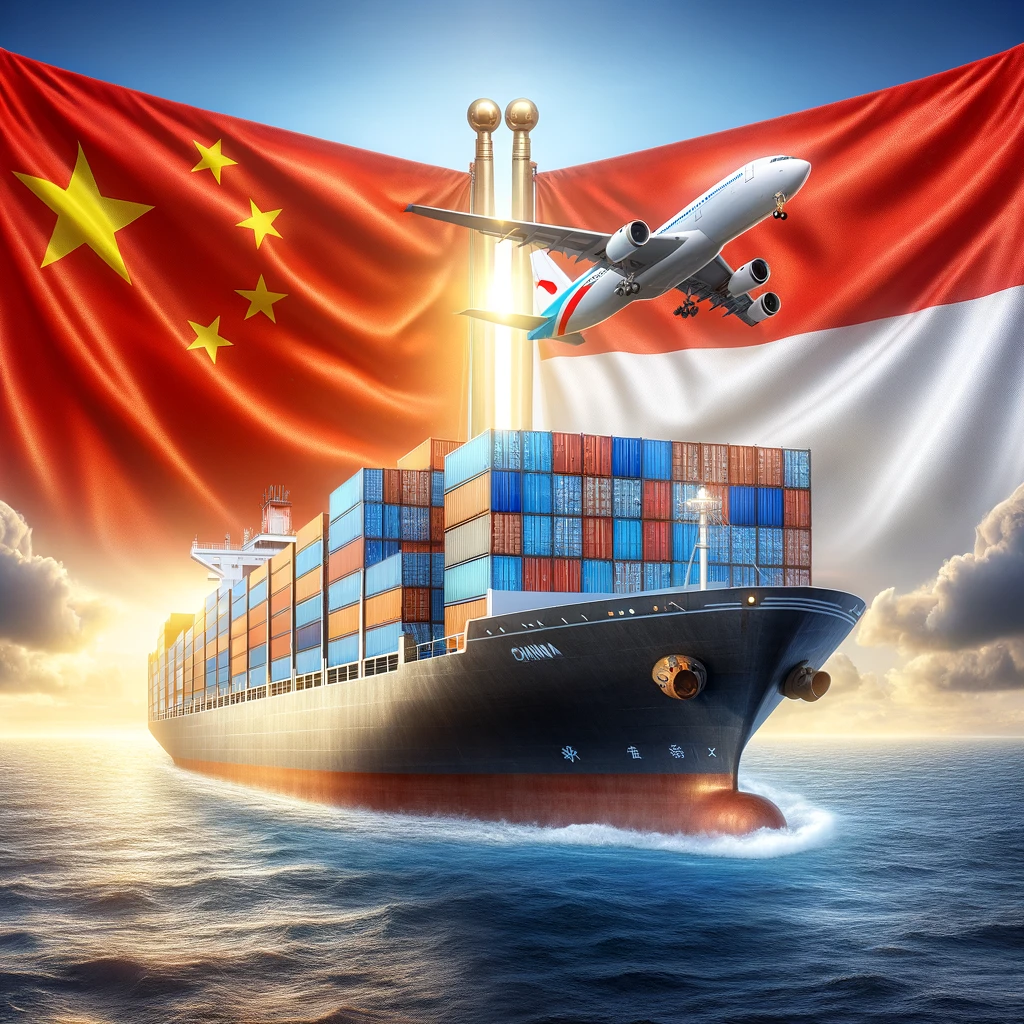
Open Top FCL (Full Container Load) shipping uses containers without a fixed roof, covered instead by a tarpaulin or removable frame. It’s ideal for oversized textile cargo such as large fabric rolls, machinery covers, or non-stackable goods.
Key Benefits:
- Easy top-loading for large textile batches.
- Suitable for odd-shaped cargo that can’t fit in standard containers.
- Ideal for export markets like Norway where textile machinery imports are common.
However, these shipments can face demurrage costs when cargo stays too long at ports—making prevention strategies essential.
2. What Causes Demurrage in Open Top FCL Shipments?
Demurrage refers to penalties charged by carriers when containers remain in the terminal beyond the free time allowance.
| Common Cause | Impact on Shippers | Prevention Tip |
|---|---|---|
| Customs Delays | Increases costs by $100–$200 per day | Pre-submit customs entries |
| Late Pickup | Warehouse or trucking coordination failure | Confirm inland transport early |
| Documentation Errors | Missing Bill of Lading or HS Code | Verify paperwork in advance |
| Port Congestion | Extended container holding time | Choose alternative Norwegian ports |
Table 1: Causes of Demurrage and Solutions
Proactive planning and digital shipment tracking can significantly minimize these risks.
3. Why Is Norway a Key Destination for Textile Imports?
Norway imports large quantities of industrial and consumer textiles from China for manufacturing and retail distribution.
Top Textile Products Imported:
- Synthetic fabrics
- Upholstery materials
- Technical textile machinery
- Clothing and fashion accessories
- China–Norway trade relies heavily on sea freight through Oslo, Bergen, and Stavanger ports, all capable of handling FCL Open Top shipments. However, efficient scheduling and customs readiness are crucial to avoiding delays.
What are you waiting for?
Contact chinatopfreight for a fast, free quote.
Are you ready to book?
Access live instant freight quotes
4. How Much Does Open Top FCL Shipping Cost from China to Norway?
| Origin Port (China) | Destination Port (Norway) | Estimated Cost (USD/20GP) | Transit Time (Days) |
|---|---|---|---|
| Shanghai | Oslo | 2,800–3,500 | 35–40 |
| Shenzhen | Bergen | 2,900–3,700 | 36–42 |
| Ningbo | Stavanger | 3,000–3,800 | 38–44 |
| Qingdao | Oslo | 3,100–3,900 | 39–45 |
Table 2: Estimated Open Top FCL Freight Rates to Norway
Prices fluctuate depending on fuel costs, container availability, and seasonality. Booking early reduces rate volatility and demurrage exposure.
5. What Are the Key Transit Routes from China to Norway?
| Route Type | Pathway | Average Duration | Remarks |
|---|---|---|---|
| Sea Freight (Direct) | Shanghai → Oslo via Rotterdam | 35–40 days | Most common route |
| Sea + Rail | Ningbo → Hamburg → Oslo | 30–35 days | Faster alternative |
| Sea + Truck | Shenzhen → Gothenburg → Oslo | 33–37 days | Efficient for inland delivery |
| Air Freight | Guangzhou → Oslo | 5–7 days | Expensive but fastest |
Table 3: Shipping Route Comparison
While air freight ensures speed, Open Top FCL sea freight offers the best cost-to-volume ratio for textile exporters.
6. How Can You Prevent Demurrage Charges Effectively?
Step-by-Step Demurrage Prevention Plan:
- Book Early: Reserve Open Top containers at least 2–3 weeks ahead.
- Pre-Clear Customs: Submit documents digitally before vessel arrival.
- Coordinate Trucking: Arrange immediate pickup from Norwegian ports.
- Monitor Vessel Schedules: Adjust plans for weather or port congestion.
- Negotiate Free Time: Request extended container detention periods in contracts.
Bonus Tip: Some freight forwarders offer “zero demurrage programs” with guaranteed free storage time under special agreements.
7. What Documents Are Required for Textile Shipping to Norway?
Accurate documentation ensures seamless customs clearance and avoids costly demurrage or inspection delays.
| Document | Purpose | Issued By |
|---|---|---|
| Bill of Lading | Proof of shipment | Carrier |
| Commercial Invoice | Declares product value | Exporter |
| Packing List | Specifies content and weight | Shipper |
| Certificate of Origin | Confirms Chinese origin | Chamber of Commerce |
| Import Declaration | Required by Norwegian Customs | Importer |
| Insurance Certificate | Cargo protection proof | Insurer |
Table 4: Essential Shipping Documents for Textiles
Always double-check HS codes and textile classification under Norway’s TARIC system to ensure accuracy.
8. What Are the Risks of Ignoring Demurrage Prevention?
Ignoring preventive measures can have serious financial consequences.
- Daily Fees: $100–$250 per container per day.
- Supply Chain Disruptions: Late deliveries affect production schedules.
- Reputation Damage: Missed delivery commitments can harm client trust.
- Legal Disputes: Prolonged container retention may violate port terms.
Timely container return not only avoids fees but also improves carrier relationships for future shipments.
9. What Are the Benefits of Working with Professional Freight Forwarders?
Partnering with an experienced logistics company like China Top Freight ensures efficiency and reliability.
Advantages:
- Priority access to Open Top containers during peak seasons.
- Dedicated support for customs and documentation.
- Advanced tracking for real-time cargo visibility.
- Cost negotiation and demurrage-free handling.
Expert forwarders leverage long-term contracts and carrier alliances to keep shipments smooth and compliant.
10. How Does Open Top FCL Compare to Other Freight Options?
| Mode | Average Cost (USD) | Transit Time (Days) | Best For | Pros | Cons |
|---|---|---|---|---|---|
| Open Top FCL | 2,800–3,900 | 35–45 | Oversized textiles | Flexible loading | Requires careful sealing |
| Standard FCL | 2,200–3,500 | 30–40 | General goods | Lower cost | Space limits |
| LCL | 300–700/CBM | 40–50 | Small batches | Cost sharing | Delays in consolidation |
| Air Freight | 8,000+ | 5–7 | Urgent goods | Fastest | Very expensive |
Table 5: Comparison of Freight Modes for Textile Exports
For large-volume textile shipments, Open Top FCL remains the optimal choice for flexibility and cargo safety.
Conclusion
The Open Top FCL demurrage prevention for textiles from China to Norway requires planning, accuracy, and professional execution. By organizing early bookings, verifying documentation, and partnering with reliable freight forwarders, exporters can eliminate unnecessary fees and ensure consistent supply chain performance. As the global textile market continues to expand, smart logistics solutions and timely container management will remain the cornerstone of successful China–Norway trade.
FAQ
1. How can I check demurrage free time for my container?
Review your Bill of Lading or shipping contract—most carriers offer 5–7 free days before demurrage starts.
2. Are Open Top containers available year-round?
Generally yes, but during export peaks, availability is limited. Booking at least three weeks in advance helps secure space.
3. Can I request additional free time from carriers?
Yes, negotiate longer free periods before shipment, especially for oversized cargo like textiles.
4. What happens if customs clearance is delayed in Norway?
You may incur storage and demurrage charges; always submit documents ahead of vessel arrival.
5. Are demurrage and detention charges the same?
No, demurrage is for terminal delays, while detention applies when containers are held outside the port.