

Shipping heavy, oversized, or irregular machinery can be challenging for importers, especially when they must manage costs, timelines, and port handling penalties. When businesses choose the Open Top FCL freight rate for machinery from China to Miami, they often need clarity on pricing, transit schedules, customs rules, and risk-control strategies. This article provides a full breakdown so you can ship machinery smoothly, efficiently, and confidently.
1. What Is the Open Top FCL Freight Rate for Machinery from China to Miami?
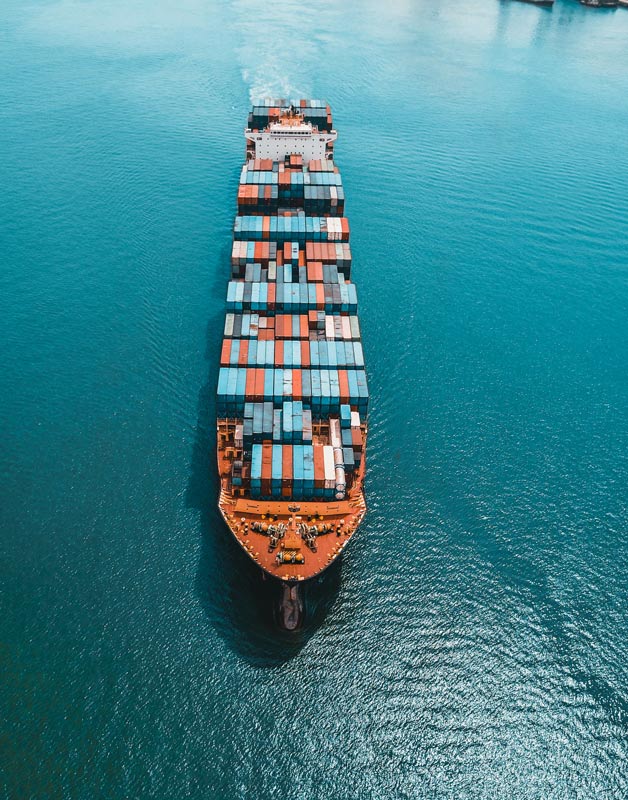
The Open Top FCL freight rate for machinery from China to Miami refers to the total cost of booking a full container load (FCL) using an open-top container. This container type allows machinery to be loaded from the top by crane, which is essential for cargo that cannot fit through standard doors.
Moreover, the rate typically includes base ocean freight, bunker adjustments, peak season charges, terminal handling, and sometimes equipment surcharges. Therefore, understanding each cost component is critical for accurate planning.
2. Why Do Shippers Choose Open Top Containers for Machinery?
Shippers prefer open-top containers because heavy machinery often exceeds the height or width limits of normal containers. Additionally, open-top units allow flexibility during loading, securing, and unloading.
Advantages of Open Top Containers
- Easy crane loading
- Ideal for oversized or tall equipment
- Safer maneuvering for irregular machinery
- Allows tarpaulin covering to protect cargo
- Reduces risk of cargo damage during handling
Disadvantages
- Higher container surcharge
- Limited availability during peak season
- Higher risk of moisture exposure
- Additional lashing required
3. How Much Does It Cost to Ship Machinery in an Open Top FCL to Miami?
The cost varies by port, carrier, container demand, and machinery type. However, most shippers notice that open-top containers cost more than standard 20GP/40GP units because they require special equipment.
Typical Cost Breakdown Table
Table: Estimated Open Top FCL Freight Rate Overview
| Cost Component | Description | Typical Range (USD) |
|---|---|---|
| Base Ocean Freight | Carrier rate from major China ports | $3,200 – $4,500 |
| Open Top Equipment Surcharge | Special container fee | $600 – $1,000 |
| Terminal Handling Charges | THC at origin & destination | $280 – $380 |
| Lashing & Securing Fee | Required for heavy machinery | $150 – $300 |
| Documentation Fee | Bill of lading, AMS, etc. | $50 – $120 |
| Customs Brokerage | Clearance at Miami | $150 – $250 |
Note: Rates fluctuate weekly based on demand, season, and market trends.
What are you waiting for?
Contact chinatopfreight for a fast, free quote.
Are you ready to book?
Access live instant freight quotes
4. Which China Ports Offer the Best Rates When Shipping Machinery to Miami?
Transit time, carrier schedules, and handling efficiency differ from port to port. Consequently, choosing the right port can significantly reduce total shipping costs.
Table: Transit Time and Rate Comparison by Port
| Origin Port | Avg Transit Time | Relative Cost | Recommended For |
|---|---|---|---|
| Shanghai | 32–36 days | $$ | General machinery |
| Ningbo | 33–37 days | $ | Heavy equipment |
| Qingdao | 36–40 days | $$ | Oversized cargo |
| Shenzhen (Yantian) | 30–34 days | $$$ | Fast delivery |
| Tianjin | 38–42 days | $$ | Large-volume shipments |
Shippers should also consider terminal congestion levels, as Miami can experience peak-season slowdowns.
5. What Factors Affect the Open Top FCL Freight Rate for Machinery?
Multiple variables influence the total freight rate, and understanding these factors helps businesses negotiate better or adjust shipping schedules.
Key Factors
- Machinery dimensions: Oversized cargo increases lashing and equipment fees
- Weight: Heavy machinery may require reinforced flooring
- Seasonality: Peak seasons raise freight prices and reduce space availability
- Port congestion: Can cause detention and demurrage
- Carrier choice: Premium carriers offer faster, more reliable service
- Global fuel prices: Affect bunker adjustment factors
- Supply chain volatility: Sudden changes impact overall logistics costs
Additionally, early booking helps avoid last-minute space shortages.
6. What Documents Are Required for Machinery Shipments to Miami?
Correct documentation avoids customs delays and prevents demurrage charges. Because machinery often contains steel, engines, or electronics, additional compliance might be required.
Table: Machinery Import Documents Checklist
| Document | Required? | Notes |
|---|---|---|
| Commercial Invoice | Yes | Must list machinery model and value |
| Packing List | Yes | Include dimensions & weight |
| Bill of Lading | Yes | Master BL or House BL accepted |
| HS Codes | Yes | Must match invoice |
| Importer Security Filing (ISF) | Yes | Submitted before departure |
| EPA Compliance | Conditional | Needed if machinery has engines |
| FCC Declaration | Conditional | Applies to electronic machinery |
| Certificate of Origin | Sometimes | Required for trade agreements |
Therefore, preparing documents early can significantly reduce clearance time.
7. How Do Open Top Containers Compare to Other Shipping Methods?
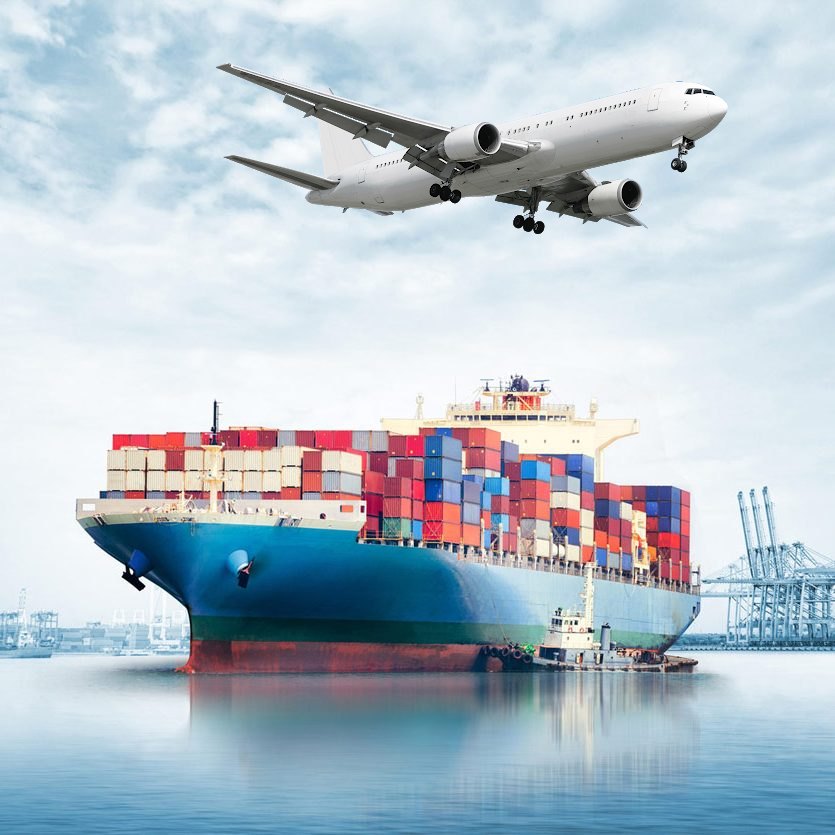
When considering shipping machinery to Miami, businesses often compare open-top FCL with flat rack, standard FCL, or even air freight.
Table: Comparison of Shipping Methods
| Method | Cost | Transit Time | Best For | Pros | Cons |
|---|---|---|---|---|---|
| Open Top FCL | $$ | 30–40 days | Tall/oversized machinery | Easy loading, secure | Higher surcharges |
| Flat Rack FCL | $$$ | 30–40 days | Very wide/heavy machinery | Extreme flexibility | Exposed cargo |
| Standard FCL | $ | 30–40 days | Regular equipment | Cheapest FCL option | Not suitable for oversized cargo |
| Air Freight | $$$$ | 3–7 days | Small high-value machines | Fastest | Extremely expensive |
| Breakbulk | $$$ | 25–35 days | Very large cargo | Flexible | Requires specialized terminals |
Because machinery is often oversized or tall, open-top FCL usually offers the most cost-effective solution.
8. How Can You Reduce the Freight Rate for Open Top FCL Machinery Shipments?
Although open-top containers cost more than standard units, several strategies can help reduce total shipping expenses.
Cost-Saving Strategies
- Book early to secure lower base freight rates
- Consolidate machinery parts to reduce volume
- Provide accurate dimensions to avoid re-measurement fees
- Ship off-peak (February–April or Aug–Oct)
- Choose nearby China ports to reduce inland transportation
- Negotiate with multiple carriers for competitive quotes
- Minimize lashing material by engineering secure crate designs
Moreover, businesses should monitor global logistics trends to predict rate changes.
9. What Are the Common Challenges When Shipping Machinery to Miami?
Shippers face several operational risks during machinery transport, especially when using specialized containers.
Key Challenges
- Container shortage: Open-top units are limited
- Port delays: Miami experiences peak-season congestion
- Customs inspections: Machinery often triggers x-ray or intensive exams
- Weather-related delays: Hurricanes can disrupt schedules
- Incorrect packaging: Leads to cargo damage
- Tarpaulin exposure: Risk of rain or saltwater damage
Thankfully, partnering with an experienced freight forwarder minimizes these risks significantly.
10. How to Prevent Demurrage, Detention, or Storage Fees in Miami?
Even though this article focuses on freight rates, preventing unexpected penalties is equally important.
Effective Prevention Tips
- Submit ISF at least 48 hours before vessel departure
- Pre-clear customs before cargo arrives
- Arrange trucking in advance
- Avoid late container return
- Prepare machinery for quick unloading
- Maintain real-time communication with port agents
Since demurrage can exceed $200–$350 per day, proactive planning is essential.
Conclusion
Shipping machinery requires precise planning, cost control, and reliable execution. By understanding the Open Top FCL freight rate for machinery from China to Miami, businesses can better forecast expenses, prevent operational disruptions, and optimize transit schedules. With proper documentation, early booking, and strategic cost-saving measures, importers can ensure smoother logistics and avoid unnecessary penalties. Partnering with an experienced freight forwarder remains the best way to secure competitive rates while keeping machinery shipments safe and on schedule.
FAQ
1. How early should I book an open-top container from China to Miami?
You should book at least two to three weeks in advance because open-top containers are limited and often reserved quickly, especially during peak shipping periods.
2. Do open-top containers require additional packaging for machinery?
Yes, machinery typically needs reinforced crating, moisture protection, and extra lashing to secure oversized parts. Proper packaging reduces damage and simplifies customs inspection significantly.
3. Are there height restrictions when using open-top FCL containers?
While open-top containers allow more vertical space, cargo height must still comply with carrier and port safety rules. Oversized machinery may require special approval or routing adjustments.
4. Can machinery shipments face customs delays in Miami?
Yes, machinery often undergoes x-ray or manual inspection because of engines, electronics, or metal parts. Preparing documentation early helps reduce clearance time and inspection delays.
5. Is insurance recommended for open-top machinery shipments?
Insurance is strongly recommended because machinery is high-value and open-top shipments face greater exposure risks. Marine cargo insurance protects against damage, loss, and handling incidents.