

Open Top FCL insurance for machinery from China to Portugal: 2025 Guide
Shipping industrial equipment across the ocean presents significant logistical challenges and financial risks for global businesses. Choosing Open Top FCL insurance for machinery from China to Portugal ensures that your high-value assets remain protected against transit damage or unforeseen maritime accidents. At China Top Freight, we specialize in managing complex logistics to safeguard your supply chain integrity. Consequently, securing a comprehensive insurance policy is the most effective way to mitigate the inherent dangers of international trade.

Why Open Top FCL insurance for machinery from China to Portugal is Essential?
Machinery often exceeds the height of standard containers, necessitating the use of specialized open-top equipment. Because these containers use tarpaulin covers instead of solid steel roofs, the cargo remains more vulnerable to environmental factors and handling risks. Therefore, Open Top FCL insurance for machinery from China to Portugal provides a critical safety net for importers. It specifically addresses the unique vulnerabilities associated with oversized cargo and specialized lashing requirements.

Utilizing sea freight for heavy machinery is the most common method due to its cost-efficiency for large volumes. However, the long transit times and multiple handling points increase the likelihood of structural damage or corrosion. Without a robust insurance policy, a single incident could result in devastating financial losses for your company. Furthermore, maritime law often limits carrier liability, making private insurance indispensable for full value protection.
Significant investments in industrial equipment deserve the highest level of security during their journey from Chinese manufacturing hubs to Portuguese ports. Specifically, all-risk insurance policies cover a wide range of scenarios, including theft, natural disasters, and loading mishaps. By choosing the right coverage, you ensure that your business operations in Lisbon or Porto can proceed without costly delays or capital depletion.
Understanding the Risks of Shipping Heavy Machinery to Portugal
Shipping routes from China to Europe involve navigating busy maritime corridors and potentially turbulent weather. Heavy machinery is particularly susceptible to shifting if the lashing and securing protocols are not strictly followed. Consequently, transit damage claims often arise from improper weight distribution within the open-top container. Insurance providers evaluate these risks when determining your premium and coverage terms.
Moreover, the exposure to salt air and moisture can lead to oxidation on sensitive mechanical parts if protective coatings fail. Open-top containers, while versatile, do not offer the same hermetic seal as standard dry vans. Therefore, your insurance policy should ideally include clauses for moisture damage and atmospheric corrosion. This ensures that your machinery arrives in Portugal in peak operational condition.
Port handling at major hubs like Lisbon or Leixoes also introduces risks during the offloading process. Cranes must carefully lift oversized units that might have irregular centers of gravity. In addition, any delays in customs clearance can lead to extended exposure at the terminal. Having comprehensive insurance allows you to manage these variables with greater confidence and financial security.
How Does Open Top Shipping Compare to Other Options?
Evaluating different transport methods is vital for optimizing your logistics budget and risk profile. While open-top containers are ideal for tall machinery, other options like flat racks or breakbulk might be necessary for wider loads. Each method carries distinct insurance requirements based on how the cargo is exposed to the elements. Below, we compare the primary shipping methods used for heavy equipment on the China-Portugal route.
Standard FCL is often cheaper but only works if your machinery can be dismantled to fit standard dimensions. In contrast, air freight offers maximum speed and safety but is prohibitively expensive for heavy industrial units. Most businesses find that open-top sea freight provides the best balance of capacity and cost. Nevertheless, the insurance premiums will vary significantly depending on the chosen method and the total value of the goods.
| Shipping Method | Cost Range | Transit Time | Best For | Limitations |
|---|---|---|---|---|
| Open Top FCL | $3,000 – $5,500 | 30-40 Days | Tall Machinery | Height limits apply |
| Flat Rack | $4,500 – $8,000 | 30-40 Days | Oversized Width | Fully exposed cargo |
| Air Freight | $15,000+ | 5-8 Days | Urgent Parts | Weight restrictions |
| Breakbulk | Custom Quote | 35-45 Days | Massive Units | Complex loading |
Cost Factors for Open Top FCL Insurance
Determining the cost of Open Top FCL insurance for machinery from China to Portugal involves several key variables. Primarily, the total declared value of the machinery serves as the baseline for premium calculations. Additionally, the specific type of equipment and its sensitivity to environmental factors influence the risk assessment. Most insurers charge a percentage of the total CIF (Cost, Insurance, and Freight) value, typically ranging from 0.3% to 0.7%.
The route and carrier reputation also play a role in pricing your insurance policy. For instance, direct shipments to Portugal might attract lower premiums compared to routes involving multiple transshipments. Furthermore, the quality of the lashing and securing performed at the Chinese port can affect your eligibility for certain coverage types. Investing in professional packing services often leads to more favorable insurance terms and lower overall risk.
Market conditions in 2025 suggest that insurance rates have remained relatively stable despite fluctuations in ocean freight pricing. However, peak seasons or geopolitical tensions in transit zones can lead to temporary surcharges. To summarize, you should always request a detailed quote that breaks down the premium, deductible, and specific exclusions. This transparency helps you avoid unexpected costs during the claims process.
Essential Documentation for Portugal Import Compliance
Navigating the administrative requirements for importing machinery into Portugal requires precision and foresight. You must provide a detailed commercial invoice, a packing list, and a bill of lading to the authorities. Moreover, specialized machinery often requires CE certification to prove compliance with European safety standards. Failure to provide these documents can result in customs delays and increased storage fees at the port.
Utilizing a professional customs brokerage service is highly recommended for complex machinery shipments. These experts ensure that your HS codes are accurate and that all necessary duties are calculated correctly. In addition, they can assist in verifying that your insurance certificate meets the specific requirements of Portuguese customs. This proactive approach minimizes the risk of cargo being held or penalized upon arrival.
Specifically, the insurance certificate must clearly state the coverage period and the parties involved. It should also specify that the machinery is being transported in an open-top container. Consequently, having all paperwork ready before the vessel departs China is the best way to ensure a smooth transition through the Port of Lisbon. Clear documentation is the backbone of a successful international logistics strategy.
Real-World Case Studies: Machinery Shipments to Portugal
Examining past shipments provides valuable insights into the practicalities of Open Top FCL insurance for machinery from China to Portugal. These examples highlight the costs, timelines, and challenges faced by importers in the current market. By learning from these scenarios, you can better prepare your own logistics plan and avoid common pitfalls.
Case Study 1: CNC Machine Export Route: Shanghai, China to Lisbon, Portugal Cargo: Industrial CNC Milling Center, 14 CBM, 5,200 kg Container: 40ft Open Top FCL Shipping Details: – Carrier: Maersk – Port of Loading: Shanghai – Port of Discharge: Lisbon – Route Type: Direct Cost Breakdown: – Ocean Freight: $3,850 – Origin Charges: $450 – Destination Charges: $600 – Insurance Premium: $210 – Total Landed Cost: $5,110 Timeline: – Booking to Loading: 5 days – Sea Transit: 34 days – Customs Clearance: 3 days – Total Door-to-Door: 42 days Key Insight: Professional lashing prevented damage during a storm in the Bay of Biscay.
Case Study 2: Construction Excavator Route: Shenzhen, China to Leixoes, Portugal Cargo: Hydraulic Excavator, 22 CBM, 12,000 kg Container: 40ft Open Top FCL Shipping Details: – Carrier: MSC – Port of Loading: Shenzhen – Port of Discharge: Leixoes – Route Type: Transshipment via Sines Cost Breakdown: – Ocean Freight: $4,200 – Origin Charges: $520 – Destination Charges: $750 – Insurance Premium: $350 – Total Landed Cost: $5,820 Timeline: – Booking to Loading: 7 days – Sea Transit: 38 days – Customs Clearance: 4 days – Total Door-to-Door: 49 days Key Insight: All-risk insurance covered minor hydraulic line damage caused during transshipment handling.
Which Option Should You Choose for Your Equipment?
Choosing the right shipping and insurance strategy depends on your specific priorities regarding budget, speed, and safety. If your primary concern is cost, sea freight in an open-top container is usually the most viable path. On the other hand, if the machinery is needed urgently for a project in Portugal, a hybrid sea-air solution might be worth the investment. Evaluating these trade-offs is a fundamental part of supply chain management.
For shipments with a value exceeding $100,000, we always recommend ‘All-Risk’ coverage rather than ‘Total Loss Only’ policies. While the premium is slightly higher, the peace of mind provided by comprehensive protection is invaluable. Additionally, ensure that your freight forwarder has experience with oversized cargo to minimize the risk of procedural errors. Ultimately, the best choice is one that aligns with your long-term business goals and risk tolerance.
Consider the following criteria when making your decision: – Budget priority: Choose Open Top FCL with standard all-risk insurance. – Speed priority: Explore air freight or express sea services. – Cargo sensitivity: Invest in high-grade lashing and moisture-resistant packaging. – Volume thresholds: For multiple units, consider chartering or breakbulk options.
Logistics Trends and Market Intelligence for 2025
As of early 2025, the shipping industry has adapted to the disruptions seen in previous years. Freight rates from China to Europe have stabilized, though environmental regulations are beginning to influence fuel surcharges. Consequently, businesses must stay informed about these trends to maintain competitive pricing. Our door to door services now integrate more real-time tracking features to enhance transparency.
Market data suggests that demand for Chinese machinery in Portugal’s manufacturing and construction sectors remains strong. This steady flow of goods has led to more frequent vessel departures and improved port efficiency in Lisbon. However, seasonal peaks in late Q3 can still lead to container shortages. Planning your shipments at least 6-8 weeks in advance is highly recommended to secure the best rates and equipment.
Furthermore, digital insurance platforms are making it easier to obtain instant quotes and file claims. This technological shift reduces administrative overhead and speeds up the resolution of transit disputes. By leveraging these tools, you can streamline your import process and focus on growing your business in the Portuguese market.
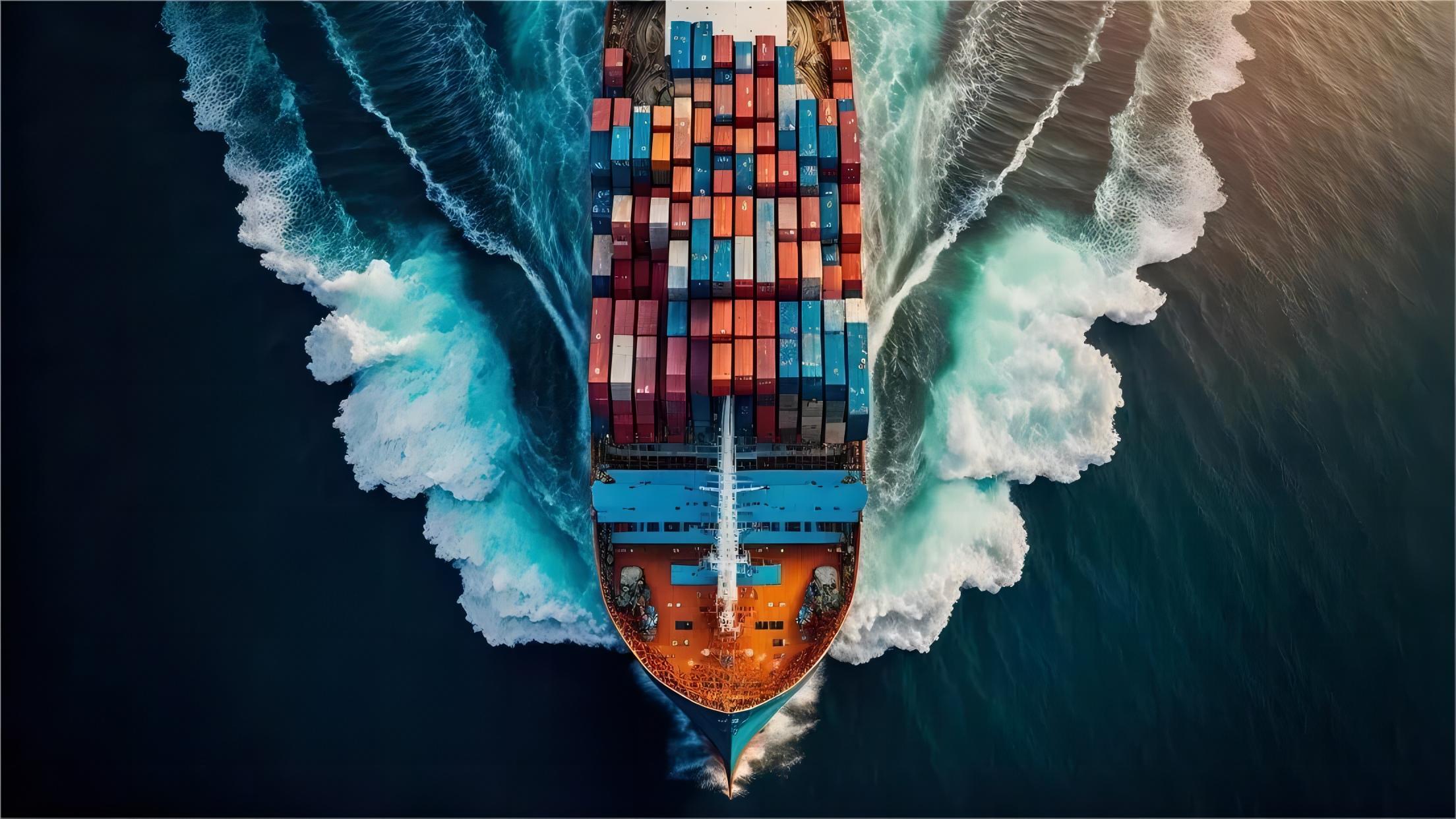
Securing Your Machinery Investment
In conclusion, obtaining Open Top FCL insurance for machinery from China to Portugal is a non-negotiable step for any serious importer. The unique risks associated with oversized cargo and long-distance sea transit require specialized protection that standard carrier liability cannot provide. By understanding the cost factors, documentation requirements, and shipping alternatives, you can make informed decisions that safeguard your financial interests.
Furthermore, partnering with an experienced freight forwarder ensures that your machinery is handled with the utmost care from the factory floor to the final destination. Whether you are shipping a single CNC machine or a fleet of construction equipment, the right insurance policy provides the foundation for a resilient supply chain. Take the time to evaluate your options and choose a partner that prioritizes the safety and security of your cargo.
Ready to streamline your logistics?
Protect your valuable machinery today by securing a comprehensive insurance policy for your next shipment. Our team at China Top Freight is ready to provide you with a tailored quote and expert logistics advice. Visit our website to learn more about our specialized services for the China-Portugal route. Visit https://chinatopfreight.com/ to get started with your Open Top FCL insurance for machinery from China to Portugal. Send Inquiry link: Visit chinatopfreight.com/contact/
Request Quote