

Open Top FCL Sailing Schedule: Auto Parts from China to Poland
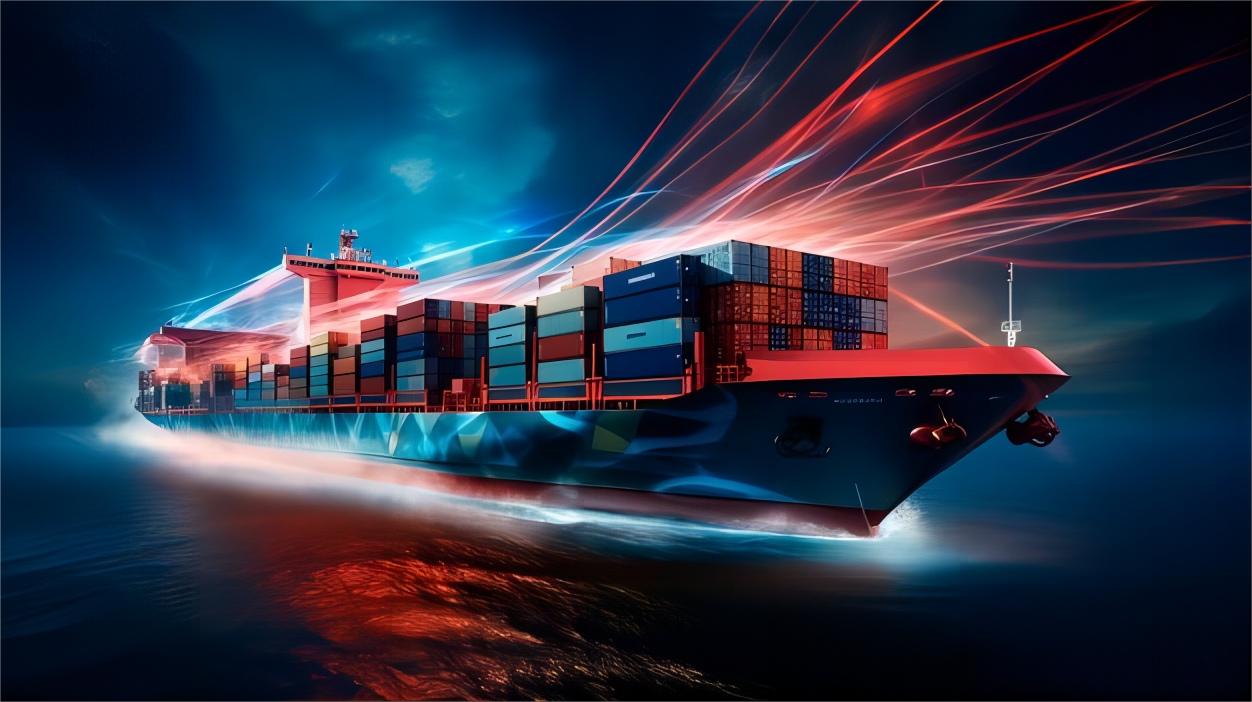
Shipping oversized or uniquely shaped auto parts from China to Poland presents distinct logistical challenges, often necessitating specialized container solutions like Open Top FCL. Securing an optimal China Top Freight Open Top FCL sailing schedule for auto parts from China to Poland is therefore crucial for maintaining efficient supply chains and minimizing costs. This comprehensive guide provides invaluable insights into navigating these complexities, ultimately ensuring your cargo arrives safely and punctually.
What is Open Top FCL and Why Choose It for Auto Parts?
Open Top FCL (Full Container Load) refers to a standard shipping container designed without a fixed hard roof. Instead, it features a removable tarpaulin cover, offering unparalleled flexibility for cargo loading. This design is specifically beneficial for goods that are too tall or cumbersome to fit through the doors of conventional containers, such as large machinery or oversized auto components.
Choosing Open Top FCL for auto parts shipping, particularly for items like engine blocks, chassis frames, or industrial vehicle bodies, provides significant advantages. It allows for vertical loading via crane, which is often the only viable method for heavy or irregularly shaped items. Moreover, it ensures your sensitive cargo receives dedicated container space, thereby reducing handling and potential damage during transit.
Key Considerations for Shipping Auto Parts from China
When planning your shipment, understanding the specific characteristics of your auto parts is paramount. Cargo dimensions and weight directly influence container selection and lashing requirements. Oversized items may require specific bracing techniques to prevent movement during the sea voyage, ensuring their integrity upon arrival in Poland.
Furthermore, proper packaging is essential for protecting auto parts from environmental factors and physical damage. Weather-resistant coverings and robust internal supports are critical. Additionally, familiarizing yourself with Incoterms (International Commercial Terms) is vital, as they define the responsibilities and costs between the buyer and seller. Consequently, clarity on these terms can prevent disputes and ensure a smoother shipping process.
Lastly, considering comprehensive cargo insurance is a prudent step for high-value auto parts. This protection safeguards against unforeseen events like damage, theft, or loss during transit. Therefore, it provides peace of mind throughout the entire supply chain journey.
Understanding the China to Poland Shipping Route
The maritime route from China to Poland typically involves major Chinese ports such as Shanghai, Ningbo, Shenzhen, and Qingdao. These hubs offer extensive connectivity and frequent sailing schedules. In Poland, the primary ports of entry are Gdansk (DCT) and Gdynia, both equipped to handle a wide range of cargo, including specialized containers like Open Top FCL.
Transit times for sea freight from China to Poland generally range from 30 to 40 days, depending on the specific origin and destination ports, as well as the chosen carrier and service route. This duration includes the sea leg via the Suez Canal. However, total door-to-door delivery will encompass additional time for origin logistics, customs clearance, and inland transport within Poland. Therefore, comprehensive planning is essential.
Geographical factors, including potential congestion at key transshipment points or the Suez Canal, can influence the overall transit duration. Consequently, staying updated on global shipping conditions and working with an experienced freight forwarder is crucial for accurate scheduling and avoiding delays.
Optimizing Your Open Top FCL Sailing Schedule for Auto Parts
Effective optimization of your Open Top FCL sailing schedule begins with proactive planning. Booking your container space well in advance is highly recommended, especially during peak shipping seasons like pre-Chinese New Year or the Q3/Q4 holiday rush. Early booking helps secure preferred sailing dates and often results in more favorable freight rates, thereby avoiding last-minute surcharges.
Carrier selection plays a pivotal role in schedule reliability. Opt for carriers known for their consistent service, frequent sailings on the China-Poland route, and experience with specialized cargo. Their ability to handle Open Top containers efficiently is paramount. Moreover, consider the flexibility offered by different carriers regarding departure days and transit times. This allows you to align the schedule with your production and inventory management needs.
Maintaining open communication with your freight forwarder is another critical aspect. They can provide real-time updates on vessel movements, potential delays, and alternative solutions if disruptions occur. Therefore, a responsive logistics partner is invaluable for managing your supply chain effectively. Furthermore, exploring options for efficient port-to-port connections can also shave days off transit times. This contributes to a more predictable delivery schedule for your auto parts.
Seasonal variations significantly impact sailing schedules and freight rates. For example, demand surges around major holidays can lead to increased prices and reduced availability. Consequently, understanding these patterns allows for strategic planning, potentially shifting shipments to off-peak periods to achieve better pricing and guaranteed space.
How Does Open Top FCL Compare to Other Shipping Options?
Choosing the right shipping method for auto parts from China to Poland depends heavily on cargo specifics, urgency, and budget. While Open Top FCL excels for oversized items, other options might be more suitable for different scenarios. Understanding these alternatives is key to making informed logistics decisions.
For instance, standard FCL (Full Container Load) is ideal for auto parts that fit within conventional container dimensions and require dedicated space. It generally offers a lower cost per unit compared to LCL. Conversely, LCL (Less than Container Load) is a cost-effective solution for smaller volumes of auto parts that do not fill an entire container. However, LCL often involves longer transit times due to consolidation and deconsolidation processes at various ports. For urgent, smaller, or high-value components, air freight provides unparalleled speed, albeit at a significantly higher cost. This method is typically reserved for critical parts where downtime is expensive.
Rail freight, offering a balance between sea and air in terms of speed and cost, is also a viable option for the China-Europe route, including Poland. It can reduce transit times compared to sea freight while being more economical than air. However, rail freight has limitations on cargo size and weight, and direct routes for oversized Open Top cargo might be less frequent. Ultimately, the best method hinges on a careful evaluation of your specific requirements.
| Shipping Method | Cost Range (40′ Container Equivalent) | Transit Time (China to Poland) | Best For | Limitations |
|---|---|---|---|---|
| Open Top FCL Sea Freight | $3,500 – $5,500 | 30-40 Days | Oversized, heavy auto parts (engines, chassis) | Higher cost than standard FCL, specialized handling |
| Standard FCL Sea Freight | $3,000 – $4,500 | 30-40 Days | Standard-sized auto parts, large volumes | Cannot accommodate oversized cargo, longer transit |
| LCL Sea Freight | $50 – $80 per CBM | 35-45 Days | Smaller volumes of auto parts, cost-sensitive | Longer transit, more handling, higher risk of damage |
| Rail Freight | $8,000 – $12,000 | 18-25 Days | Medium-sized auto parts, faster than sea, cost-effective vs air | Capacity limits, specific rail routes, less flexible for oversized |
| Air Freight | $15,000 – $25,000 | 5-7 Days | Urgent, high-value, small/medium auto parts | Very high cost, strict size/weight limits |

Which Option Should You Choose for Auto Parts?
Deciding on the optimal shipping method for your auto parts requires a clear decision framework based on your priorities. If budget is your primary concern and transit time is flexible, sea freight, whether Open Top FCL, standard FCL, or LCL, will be the most economical choice. Conversely, for shipments where speed is paramount, especially for critical components causing production downtime, air freight is the undeniable preference, despite its higher cost. Consider express service for very small, urgent parcels.
Cargo type considerations are equally important. Open Top FCL is specifically designed for oversized or heavy auto parts that cannot be loaded through conventional container doors. For standard-sized, high-volume parts, a regular FCL offers the best balance of cost and dedicated space. However, for smaller, consolidated shipments, LCL provides a viable, cost-effective alternative. Furthermore, for a balance between speed and cost, rail freight offers a compelling option for many types of auto parts, bridging the gap between sea and air. Therefore, a careful assessment of your inventory and delivery requirements is essential for making the right choice.
Real-World Shipping Scenarios: Auto Parts to Poland
Examining real-world examples helps illustrate the practical application of different shipping strategies for auto parts from China to Poland. These scenarios highlight how various factors, from cargo type to urgency, influence the choice of shipping method and overall logistics planning. Each case demonstrates a unique approach tailored to specific needs and market conditions.
These case studies reflect typical market rates as of late 2024 / early 2025. Note: Freight rates are subject to change based on fuel costs, carrier capacity, and seasonal demand. Contact us for a current quote tailored to your specific shipment.
Case Study 1: Large Engine Blocks via Open Top FCL
This scenario demonstrates the effectiveness of Open Top FCL for heavy, oversized cargo. The client needed to transport several large engine blocks, which were too tall for standard containers, from Shanghai to Gdansk. The specialized handling and dedicated container space ensured safe and efficient delivery.
The total landed cost reflects ocean freight, origin/destination charges, and estimated duties. The timeline highlights the typical duration for such a specialized shipment, including customs clearance and final delivery to the factory in Poland.
| Detail Type | Value |
|---|---|
| Route | Shanghai, China -> Gdansk, Poland |
| Cargo | 5 Large Engine Blocks, 25 CBM, 12,000 kg |
| Container | 1 x 40′ Open Top FCL |
| Carrier/Service | Major carrier (e.g., COSCO) |
| Port of Loading | Shanghai |
| Port of Discharge | Gdansk (DCT) |
| Route Type | Direct |
| Ocean Freight | $4,800 |
| Origin Charges | $650 (THC, documentation, lashing supervision) |
| Destination Charges | $750 (THC, customs entry) |
| Customs & Duties (estimated) | $1,200 |
| Total Landed Cost | $7,400 |
| Booking to Loading | 7 days |
| Sea Transit | 32 days |
| Customs Clearance | 3 days |
| Total Door-to-Door | 45 days |
| Key Insight | Open Top FCL was essential for vertical loading; early booking secured space during peak season. |
Case Study 2: Assorted Standard Auto Parts via Standard FCL
A client regularly imports a mix of standard-sized auto parts, including brake pads, filters, and small electronic components, from Ningbo to a distribution center near Warsaw. For these types of goods, a standard 40′ HQ container was the most economical and efficient choice, providing ample space and minimizing per-unit shipping costs.
The shipment utilized a reliable direct service, emphasizing consistency over extreme speed. The total door-to-door transit time was well within the client’s inventory management schedule, illustrating the efficiency of a well-planned standard FCL operation.
| Detail Type | Value |
|---|---|
| Route | Ningbo, China -> Warsaw, Poland |
| Cargo | Assorted Standard Auto Parts, 60 CBM, 15,000 kg |
| Container | 1 x 40′ HQ FCL |
| Carrier/Service | Major carrier (e.g., Maersk) |
| Port of Loading | Ningbo |
| Port of Discharge | Gdansk (DCT) |
| Route Type | Direct (then rail to Warsaw) |
| Ocean Freight | $3,500 |
| Origin Charges | $500 (THC, documentation) |
| Destination Charges | $600 (THC, rail to Warsaw) |
| Customs & Duties (estimated) | $1,500 |
| Total Landed Cost | $6,100 |
| Booking to Loading | 5 days |
| Sea Transit | 30 days |
| Customs Clearance | 2 days |
| Total Door-to-Door | 40 days |
| Key Insight | Standard FCL offered best cost-efficiency for high volume of standard parts; effective rail transfer reduced inland transit time. |
Case Study 3: Urgent Small Parts via Air Freight
In an emergency, a Polish auto manufacturer required a critical batch of specialized electronic control units (ECUs) to prevent a production line shutdown. Due to the urgency and relatively small volume, air freight from Shenzhen to Warsaw was the only viable option. This case highlights the trade-off between cost and speed for time-sensitive components.
The rapid transit time minimized potential losses from production delays, despite the significantly higher shipping cost. This demonstrates how express services can be indispensable for maintaining operational continuity, especially for high-value, low-volume auto parts.
| Detail Type | Value |
|---|---|
| Route | Shenzhen, China -> Warsaw, Poland |
| Cargo | Electronic Control Units (ECUs), 1.5 CBM, 300 kg |
| Container | Air Cargo (Consolidated) |
| Carrier/Service | Premium Air Cargo (e.g., Lufthansa Cargo) |
| Airport of Loading | Shenzhen (SZX) |
| Airport of Discharge | Warsaw (WAW) |
| Route Type | Direct Air Cargo |
| Air Freight | $3,800 |
| Origin Charges | $150 (Handling, documentation) |
| Destination Charges | $200 (Handling, customs entry) |
| Customs & Duties (estimated) | $300 |
| Total Landed Cost | $4,450 |
| Booking to Loading | 1 day |
| Air Transit | 2 days |
| Customs Clearance | 1 day |
| Total Door-to-Door | 5 days |
| Key Insight | Air freight was critical for preventing production line stoppage; speed justified the higher cost for urgent, high-value components. |
Navigating Customs and Documentation for Poland Imports
Successful import of auto parts into Poland from China hinges on meticulous customs compliance and accurate documentation. The required paperwork typically includes a Commercial Invoice, a detailed Packing List, the Bill of Lading (or Air Waybill for air freight), and often a Certificate of Origin. Each document must be precise to avoid delays and penalties. Therefore, careful preparation is non-negotiable.
Accurate classification of auto parts using Harmonized System (HS) codes is absolutely critical. Incorrect codes can lead to wrong duties, fines, or even seizure of goods. Poland, as part of the European Union, adheres to EU customs regulations, which include specific duties and VAT (Value Added Tax) on imported goods. Understanding these financial implications beforehand is crucial for budgeting. Consequently, consulting with a knowledgeable customs brokerage firm is highly advisable to navigate the complexities of EU import regulations and Polish specific requirements.
Engaging a professional customs broker ensures that all declarations are correctly filed and duties are accurately calculated. They can also assist with any necessary permits or licenses that might be required for certain types of auto parts. This expert assistance significantly streamlines the customs clearance process, minimizing potential disruptions to your supply chain. Furthermore, they can provide valuable insights into duty optimization strategies, helping to manage overall door-to-door shipping costs.
Market Insights and Future Trends in Auto Parts Logistics
The global logistics landscape for auto parts is constantly evolving, influenced by geopolitical events, economic shifts, and technological advancements. As of Q1 2025, freight rates from China to Europe have shown signs of stabilization after the significant volatility caused by Red Sea disruptions and capacity constraints in 2024. However, market data suggests that rates remain sensitive to sudden shifts in demand and global crises. Therefore, staying informed about these trends is vital for planning.
Industry benchmarks indicate that proactive shippers who engage in long-term contracts or utilize diversified shipping strategies often achieve greater cost predictability and supply chain resilience. Moreover, seasonal patterns continue to impact pricing; rates typically increase by 15-25% during the August-October peak season. Consequently, planning shipments outside these high-demand windows can lead to considerable savings.
Looking ahead, sustainability is becoming an increasingly important factor in logistics. Shippers are exploring greener shipping options, including optimized routes and more fuel-efficient vessels, to reduce their carbon footprint. Additionally, digitalization, through advanced tracking systems and AI-driven predictive analytics, is enhancing transparency and efficiency across the entire supply chain. These innovations are transforming how auto parts are moved globally, offering new opportunities for optimization.
Streamlining Your Auto Parts Supply Chain to Poland
Navigating the complexities of shipping auto parts, especially oversized components requiring an Open Top FCL sailing schedule for auto parts from China to Poland, demands expertise and meticulous planning. From selecting the right container to understanding customs regulations and market trends, every detail impacts the efficiency and cost-effectiveness of your supply chain. By leveraging specialized solutions, optimizing transit times, and partnering with a reliable freight forwarder, businesses can ensure smooth and timely delivery of critical auto components.
Ultimately, a well-executed logistics strategy is not just about moving goods; it’s about building resilience, reducing costs, and maintaining a competitive edge in a dynamic global market. Proactive planning and informed decision-making are paramount for success.
Need a tailored shipping solution?
Ready to optimize your Open Top FCL sailing schedule for auto parts from China to Poland? Contact us today for a personalized quote and expert logistics solutions. Our team is prepared to streamline your supply chain and ensure your cargo reaches its destination efficiently.