Open Top FCL Sailing Schedule for Solar Panels to Miami
The global demand for renewable energy continues to surge, making the efficient and secure transportation of solar panels from manufacturing hubs in China to key markets like Miami, USA, more critical than ever. Navigating the complexities of international shipping, especially for oversized and delicate cargo such as photovoltaic modules, requires specialized expertise. This comprehensive guide will illuminate the intricacies of the Open Top FCL sailing schedule for solar panels from China to Miami, ensuring you have the knowledge to optimize your logistics.
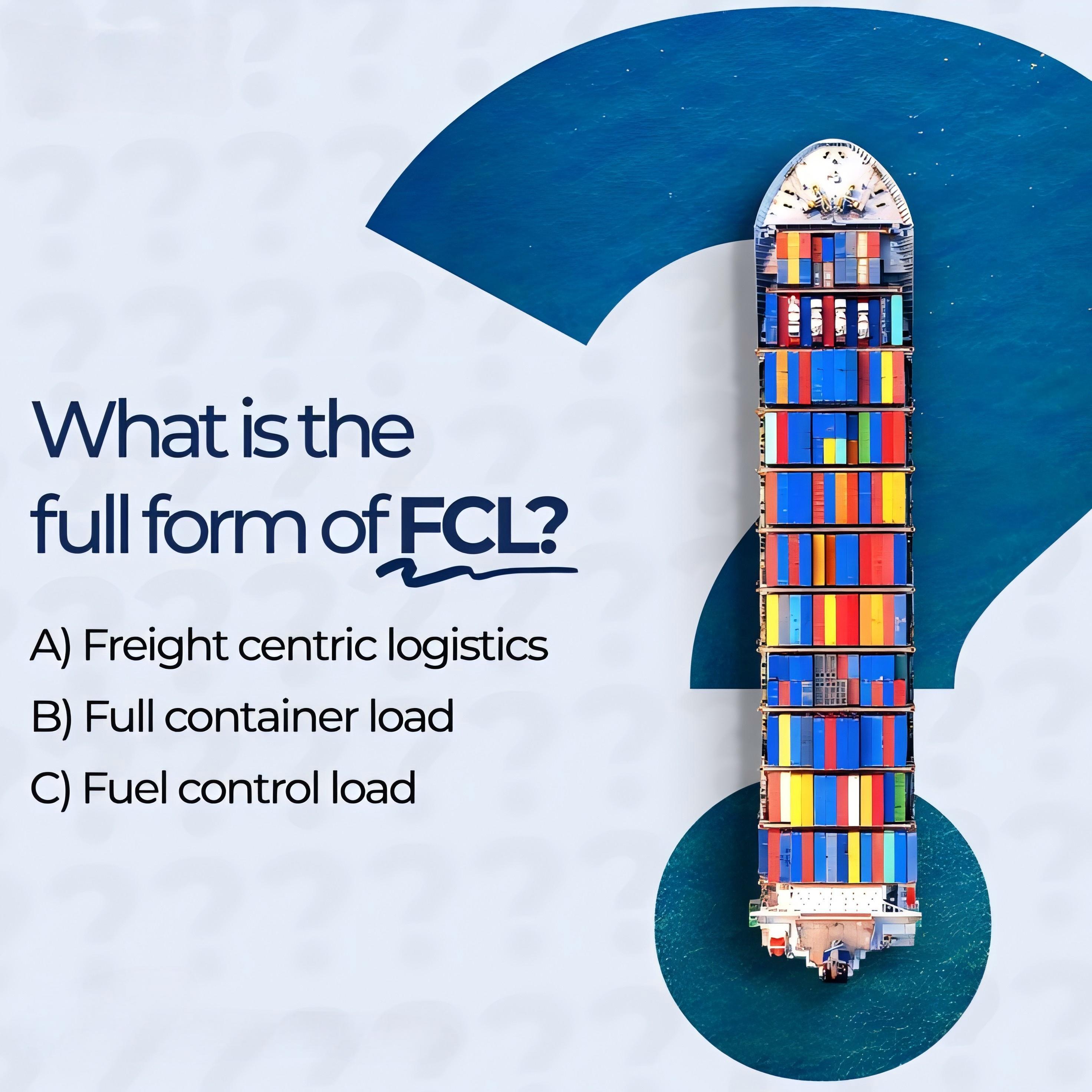
What is Open Top FCL Shipping for Solar Panels?
Open Top Full Container Load (FCL) shipping involves using a standard container with a removable tarpaulin roof instead of a solid one. This specialized container is particularly useful for cargo that is too tall to be loaded through the end doors of a conventional container. Consequently, it allows for vertical loading via crane, which is ideal for large or awkwardly shaped items.
For solar panels, especially larger industrial modules or palletized stacks, an open top container offers significant advantages. Their dimensions often exceed the height limits of standard containers, making vertical loading essential to prevent damage. Moreover, the secure lashing points within the container ensure the delicate photovoltaic modules are protected during transit across the ocean.
Navigating the Open Top FCL Sailing Schedule from China to Miami
Securing an efficient Open Top FCL sailing schedule for solar panels from China to Miami requires careful planning and understanding of key routes. Major Chinese ports like Shanghai, Ningbo, and Shenzhen offer extensive vessel services to the East Coast of the USA. Therefore, choosing the right port of loading can significantly impact transit times and overall efficiency.
Typical transit times for FCL shipments from China to Miami range from 30 to 38 days. However, these estimates can fluctuate due to various factors, including weather conditions, port congestion, and carrier vessel schedules. Many carriers offer direct services, while others may involve transshipment points, often through the Panama Canal, which can add a few days to the journey.
As of early 2025, market data suggests that while direct routes are generally faster, transshipment options can sometimes offer more competitive rates. Consequently, assessing the trade-off between speed and cost is crucial for optimizing your supply chain. We recommend always checking the latest schedules and discussing options with your freight forwarder.
| Origin Port (China) | Destination Port (USA) | Transit Time (Days) | Typical Route |
|---|---|---|---|
| Shanghai | Miami | 32-38 | Direct via Panama Canal |
| Ningbo | Miami | 30-36 | Direct or Transshipment |
| Shenzhen | Miami | 30-35 | Direct or Transshipment |
| Qingdao | Miami | 35-40 | Transshipment |
Key Factors Influencing Open Top FCL Freight Rates for Solar Panels
Open Top FCL freight rates for solar panels from China to Miami are influenced by a multitude of factors. Primarily, the base ocean freight cost depends on carrier capacity and demand for the specific route. Additionally, various surcharges like the Bunker Adjustment Factor (BAF) for fuel costs and Peak Season Surcharge (PSS) during busy shipping periods significantly impact the final price.
Furthermore, origin charges in China, including Terminal Handling Charges (THC) and documentation fees, contribute to the overall cost. Similarly, destination charges in Miami, such as THC, drayage, and customs clearance fees, must be accounted for. Geopolitical events and global logistics trends can also cause unpredictable rate fluctuations, making real-time quotes essential.
To optimize costs, importers should consider booking well in advance, especially during peak seasons like before Chinese New Year or the Q3 holiday rush. Moreover, consolidating orders to maximize container utilization can lead to better per-unit costs. Consequently, staying informed about market conditions helps in securing more favorable freight rates for your photovoltaic modules.
Essential Documentation and Customs Clearance for Solar Panel Imports to Miami
Importing solar panels into Miami requires meticulous attention to documentation and adherence to US Customs and Border Protection (CBP) regulations. Key documents include the Bill of Lading, Commercial Invoice, Packing List, and Certificate of Origin. Without a doubt, accurate and complete paperwork is crucial to avoid delays and penalties.
Upon arrival in Miami, your shipment will undergo customs clearance. This process involves declaring the goods, paying any applicable duties and tariffs, and ensuring compliance with all US import laws. For solar panels, specific tariffs, such as Section 201 and 301 duties, may apply, which can significantly impact the total landed cost.
Engaging a professional customs brokerage service is highly recommended for navigating these complexities. An experienced broker can ensure proper classification, calculate duties accurately, and expedite the clearance process. Ultimately, this expertise minimizes risks and ensures a smooth transition of your solar panels from port to destination.
Optimizing Your Supply Chain: Booking and Tracking Open Top FCL Shipments
Efficiently managing your Open Top FCL sailing schedule for solar panels from China to Miami involves more than just selecting a carrier; it requires a robust booking and tracking strategy. Booking container space well in advance, typically 2-3 weeks before the planned shipping date, is paramount, especially for specialized containers like open tops. This proactive approach helps secure preferred sailing dates and avoids premium rates.
Furthermore, maintaining clear and consistent communication with your freight forwarder is vital throughout the shipping process. They can provide real-time updates on vessel movements, potential delays, and estimated arrival times. Many reputable logistics providers offer advanced tracking systems, allowing you to monitor your cargo’s journey from origin to destination.
For a truly seamless experience, consider opting for door-to-door shipping services. This comprehensive solution handles all aspects, from pickup at the factory in China to delivery at your final site in Miami. Such services streamline the entire supply chain, reducing your administrative burden and ensuring efficient delivery of your photovoltaic modules.
Case Studies: Successful Open Top FCL Shipments of Solar Panels to Miami
These real-world examples illustrate the practical application of Open Top FCL shipping for solar panels from China to Miami, showcasing typical costs, transit times, and challenges overcome. Based on Q3 2024 market rates, these scenarios highlight effective logistics solutions for various needs.

Case Study 1: Large-Scale Solar Farm Project
This project involved a substantial quantity of oversized solar panels, requiring careful coordination and specialized handling. The client prioritized secure transport and a predictable schedule for their critical infrastructure development.
| Detail | Description |
|---|---|
| Route | Shanghai, China -> Miami, USA |
| Cargo | 1500 industrial solar panels, 65 CBM, 25,000 kg |
| Container | Two 40′ Open Top FCL |
| Shipping Details | Carrier: COSCO, Port of Loading: Shanghai, Port of Discharge: Miami, Route Type: Direct via Panama Canal |
| Cost Breakdown | Ocean Freight: $10,500; Origin Charges: $800; Destination Charges: $700; Customs & Duties (est): $1,600; Total Landed Cost: $13,600 |
| Timeline | Booking to Loading: 8 days; Sea Transit: 32 days; Customs Clearance: 3 days; Total Door-to-Door: 43 days |
| Key Insight | Efficiently handled complex oversized dimensions for a time-sensitive project, securing competitive rates for bulk volume. |
Case Study 2: Expedited Shipment for Commercial Installation
A client needed bifacial solar panels quickly for a commercial building installation with a tight deadline. Speed and reliable transit were paramount, despite potential seasonal rate increases.
| Detail | Description |
|---|---|
| Route | Ningbo, China -> Miami, USA |
| Cargo | 800 bifacial solar panels, 35 CBM, 14,000 kg |
| Container | One 40′ Open Top FCL |
| Shipping Details | Carrier: MSC, Port of Loading: Ningbo, Port of Discharge: Miami, Route Type: Transshipment (Panama) |
| Cost Breakdown | Ocean Freight: $5,800; Origin Charges: $450; Destination Charges: $400; Customs & Duties (est): $900; Total Landed Cost: $7,550 |
| Timeline | Booking to Loading: 6 days; Sea Transit: 38 days; Customs Clearance: 4 days; Total Door-to-Door: 48 days |
| Key Insight | Managed seasonal rate fluctuations during Q4 peak season and ensured timely delivery despite transshipment, minimizing project delays. |
Case Study 3: Cost-Effective Bulk Order for Distributor
A solar panel distributor aimed for the most cost-effective solution for a large recurring order, balancing transit time with budget constraints. This required securing optimal Open Top FCL sailing schedule options.
| Detail | Description |
|---|---|
| Route | Shenzhen, China -> Miami, USA |
| Cargo | 2000 standard solar panels, 80 CBM, 30,000 kg |
| Container | Two 40′ Open Top FCL |
| Shipping Details | Carrier: Maersk, Port of Loading: Shenzhen, Port of Discharge: Miami, Route Type: Direct |
| Cost Breakdown | Ocean Freight: $9,900; Origin Charges: $780; Destination Charges: $680; Customs & Duties (est): $1,700; Total Landed Cost: $13,060 |
| Timeline | Booking to Loading: 10 days; Sea Transit: 30 days; Customs Clearance: 3 days; Total Door-to-Door: 43 days |
| Key Insight | Secured favorable rates for high volume and coordinated multiple containers efficiently, supporting ongoing supply chain needs. |
How Does Open Top FCL Compare to Other Shipping Options for Solar Panels?
When considering the Open Top FCL sailing schedule for solar panels from China to Miami, it’s essential to evaluate alternative shipping methods. Each option presents unique trade-offs in terms of cost, speed, and suitability for specific cargo types. Understanding these differences helps in making informed logistics decisions for your photovoltaic module imports.
For instance, while standard FCL is generally more economical, it may not accommodate oversized solar panels. Air freight, conversely, offers unparalleled speed but at a significantly higher cost, typically reserved for urgent or high-value, small-volume shipments. Therefore, a comprehensive comparison is vital for optimizing your shipping strategy.
| Shipping Method | Cost Range (40′ Container Equivalent) | Transit Time (Days) | Best For | Limitations |
|---|---|---|---|---|
| Open Top FCL Sea Freight | $5,000 – $7,000 | 30-38 | Oversized, delicate, high-volume solar panels | Slower than air, subject to port congestion |
| Standard FCL Sea Freight | $4,500 – $6,500 | 30-38 | Standard-sized solar panels, high volume | Cannot accommodate oversized cargo, requires careful loading |
| LCL Sea Freight | $80 – $120/CBM (approx.) | 35-45 | Small volume, non-urgent solar panel samples or repairs | Higher per-unit cost, increased handling, longer transit |
| Air Freight | $15,000 – $25,000 (approx.) | 5-7 | Urgent, high-value, low-volume solar panel shipments | Extremely high cost, limited capacity for large panels |
Which Option Should You Choose for Your Solar Panel Shipments?
Selecting the optimal shipping method for your solar panels depends heavily on your specific business priorities. If budget is your primary concern and you have a large volume of standard-sized panels, a standard FCL sea freight solution will likely be the most cost-effective. However, for oversized or delicate photovoltaic modules, the Open Top FCL sailing schedule from China to Miami remains the superior choice, balancing cost with specialized handling capabilities.
Conversely, if speed is paramount for a critical project or urgent replacement parts, air freight, despite its higher cost, is the undeniable winner. Cargo type also plays a crucial role; oversized dimensions almost always necessitate an open top container. Volume thresholds further guide decisions; for example, LCL might suit shipments under 15 CBM, but FCL becomes more economical beyond that point.
Consider hybrid solutions for unique needs. For instance, you might use air freight for a small, urgent component while the main bulk of solar panels follows an Open Top FCL sea route. Additionally, a reliable freight forwarder specializing in North America logistics can help navigate these choices, offering tailored advice and services.
Partnering with an Expert Freight Forwarder for China to Miami Solar Panel Logistics
Navigating the complexities of international shipping for solar panels, particularly for oversized cargo, benefits immensely from the expertise of a specialized freight forwarder. A professional partner understands the nuances of the Open Top FCL sailing schedule from China to Miami and can offer invaluable insights. They streamline the entire process, from booking to final delivery, ensuring efficiency.
Indeed, expert freight forwarders specializing in sea freight provide more than just transportation; they offer comprehensive logistics solutions. This includes precise container selection, optimal route planning, and diligent cargo tracking. Moreover, they can advise on cargo insurance, warehousing, and distribution, creating a seamless supply chain for your renewable energy products.
Ultimately, choosing a reputable freight forwarder means entrusting your valuable solar panel shipments to capable hands. Their extensive network and experience in handling sensitive and oversized cargo ensure compliance with all regulations and minimize potential delays. This partnership allows you to focus on your core business, confident that your logistics are expertly managed.
Mastering Your Solar Panel Imports to Miami
Effectively managing the Open Top FCL sailing schedule for solar panels from China to Miami is pivotal for businesses in the renewable energy sector. This comprehensive guide has explored the specialized container requirements, critical transit times, influential cost factors, and essential documentation. Ultimately, understanding these elements empowers you to make informed decisions for your supply chain.
By partnering with an experienced freight forwarder, you can confidently navigate the complexities of international logistics, ensuring your valuable solar panels reach Miami efficiently and securely. Consequently, optimizing your shipping strategy for photovoltaic modules will contribute significantly to your project’s success and profitability. We are here to support your import needs every step of the way.
Start Your Shipment
Ready to secure your Open Top FCL sailing schedule for solar panels from China to Miami? Contact us today for a personalized quote and expert guidance. Our team is prepared to streamline your logistics and ensure the safe, efficient delivery of your photovoltaic modules. Get in touch to discuss your specific shipping requirements.
Request Quote