

Shipping oversized or irregularly shaped medical equipment requires specialized handling, predictable departure schedules, and guaranteed space allocation. Because demand for advanced hospital devices, imaging systems, and laboratory machinery continues to increase across the U.S. West Coast, importers rely heavily on Open Top FCL space availability for medical equipment from China to Seattle to ensure safe, compliant, and uninterrupted supply chain operations. Moreover, as medical facilities require reliable procurement without delays, understanding space constraints and carrier capacity becomes essential.
This guide explains everything you need to know about Open Top container availability, cost factors, transit times, loading requirements, and supply chain strategies for medical equipment headed to Seattle.
1. What Defines Open Top FCL Space Availability for Medical Equipment?
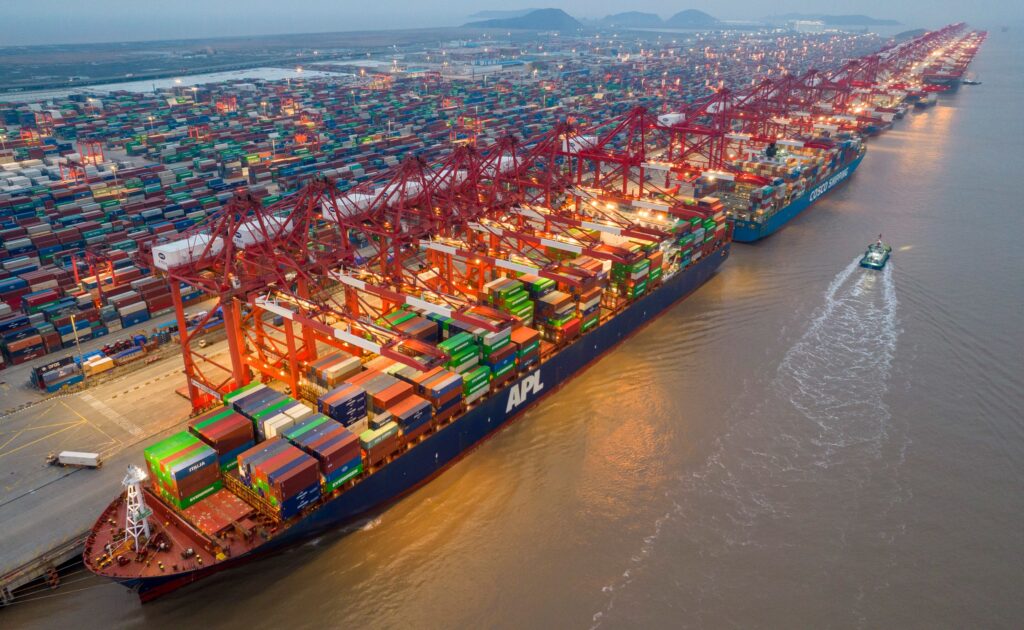
Open Top containers are designed for cargo too tall or bulky for standard containers. Medical equipment—such as X-ray gantries, CT scanner rings, hospital bed frames, and laboratory systems—often exceeds standard height limits. Therefore, securing Open Top capacity requires proactive booking.
Key Determinants of Availability
- Carrier equipment distribution
- Seasonality and peak demand periods
- Port congestion at Shanghai, Ningbo, Shenzhen
- U.S. West Coast equipment imbalances
- Special handling crew availability
- Pre-booking lead times
Because Open Top containers exist in limited numbers, planning is crucial for maintaining a consistent supply chain.
2. Why Is Open Top Equipment Essential for Medical Devices?
Many high-value medical systems cannot be tilted, compressed, or angled. Standard doors, ceilings, and container widths are often insufficient. Open Top containers provide:
- Over-height cargo accommodation
- Crane-loading for heavy hospital machines
- Flexible top entry for fragile equipment
- Stable securing points for sensitive machinery
- Compliance with medical device safety protocols
Additionally, Open Top protects oversized equipment from structural stress during loading and unloading.
3. What Are the Transit Times from China to Seattle?
Transit times depend on the port of loading, vessel rotation, and carrier routing. Seattle is a major entry point for medical equipment due to its strong inland distribution network and hospital infrastructure.
TABLE 1 — Transit Time Estimates (China → Seattle)
| Origin Port | Seattle Transit Time | Routing Type | Notes |
|---|---|---|---|
| Shanghai | 15–18 days | Direct | Very stable |
| Ningbo | 16–20 days | Direct | Peak congestion possible |
| Shenzhen | 17–22 days | Transshipment | Longer routing |
| Qingdao | 15–19 days | Direct | Widely used for machinery |
These timelines allow medical procurement teams to synchronize delivery with hospital installation schedules.
4. What Affects the Open Top FCL Capacity for Medical Equipment?
Several variables influence how many Open Top containers carriers allocate to the China–Seattle route.
Main Influencing Factors
- U.S. West Coast demand shifts
- Medical equipment seasonality (Q2–Q3 peak for hospital construction)
- Carrier repositioning plans
- Oversized cargo market trends
- Port labor and crane availability
- Customs inspection frequency
Because Open Top units are scarce, availability fluctuates weekly.
5. How Are Freight Costs Calculated for Open Top Medical Equipment?
Open Top pricing is higher than standard FCL due to special handling, equipment scarcity, and additional lifting fees.
Cost Components
- Base ocean freight
- Oversize surcharge
- Lifting and crane-loading fee
- Terminal handling charges
- Customs filing and documentation
- Premium insurance
- U.S. inland drayage
Understanding each component helps medical suppliers plan accurate procurement budgets.
TABLE 2 — Sample Cost Breakdown for Open Top Medical Equipment
| Cost Category | Estimated Range | Charged To | Notes |
|---|---|---|---|
| Ocean Freight | $5,500–$8,200 | Importer | Varies seasonally |
| Oversize Surcharge | $450–$900 | Importer | Height-dependent |
| Crane Loading | $250–$600 | Supplier | Lifting cost varies |
| Destination THC | $400–$650 | Importer | Seattle terminals |
This structure helps procurement teams anticipate total landed costs for hospital installations.
What are you waiting for?
Contact chinatopfreight for a fast, free quote.
Are you ready to book?
Access live instant freight quotes
6. What Documents Are Required for Medical Equipment Imports?
Medical devices require detailed certifications to clear U.S. customs smoothly.
Required Documentation
- Commercial invoice
- Packing list with equipment dimensions
- Bill of lading
- FDA compliance documentation (if applicable)
- Equipment manuals and labeling certificates
- HS code declaration
- Importer security filing (ISF)
Proper documentation prevents delays and minimizes demurrage exposure.
TABLE 3 — Documentation Checklist for Medical Equipment
| Document | Purpose | Issued By | Notes |
|---|---|---|---|
| Commercial Invoice | Duty Calculation | Supplier | Must match model specs |
| Packing List | Verification | Supplier | Include weight & size |
| Bill of Lading | Cargo Release | Carrier | Telex recommended |
| Compliance Certificates | Safety Validation | Manufacturer | Required for medical devices |
Accurate paperwork ensures timely delivery for critical healthcare operations.
7. How to Improve Open Top Space Availability for Seattle Shipments?
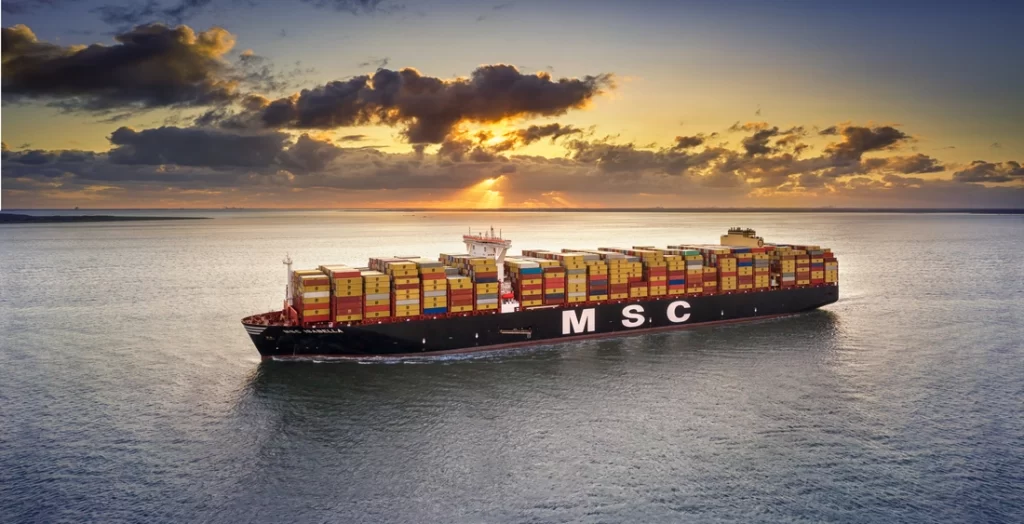
Because Open Top containers are scarce, importers must adopt proactive strategies to secure capacity.
Effective Approaches
1. Book 3–4 weeks in advance
Space fills quickly, especially during peak periods.
2. Provide precise cargo dimensions
Carriers prioritize cargo with accurate technical data.
3. Request multiple carrier options
Some carriers maintain larger Open Top fleets.
4. Load near major Chinese ports
Shanghai and Ningbo offer the most Open Top availability.
5. Avoid holiday congestion
Golden Week and year-end peaks reduce space sharply.
8. Should Medical Equipment Ship via Open Top or Flat Rack?
Both are used for oversized cargo, but each has specific advantages.
Open Top Advantages
- Better protection from weather
- Suitable for tall equipment
- Easier for sensitive devices
Flat Rack Advantages
- Ideal for extremely wide cargo
- Better for heavy-lift hospital machines
Choosing the right container maximizes safety and cost efficiency.
9. What Are the Risks of Not Reserving Open Top Space Early?
Failing to book early may lead to:
- Forced use of expensive air freight
- Production line delays
- Hospital project postponements
- Customs congestion exposure
- Equipment installation schedule disruptions
Early booking prevents unnecessary financial and operational stress.
10. How Can Supply Chain Planning Improve Delivery to Seattle?
Smart planning enhances reliability and reduces logistics bottlenecks.
Effective Planning Tactics
- Pre-arrange crane teams
- Coordinate delivery with hospital construction timelines
- Use pre-clearance customs programs
- Maintain buffer stock for medical installations
- Work with forwarders experienced in oversized cargo
These strategies help medical buyers ensure consistent equipment availability.
Conclusion
A well-planned Open Top FCL space availability for medical equipment from China to Seattle strategy ensures reliable capacity, safe handling, and consistent delivery for critical healthcare devices. By booking early, preparing accurate documentation, and coordinating with experienced oversized cargo specialists, importers can maintain predictable supply chains and support hospital operations without disruption. With strong planning, Open Top solutions become the most secure and efficient method to transport medical equipment to Seattle.
FAQ
1. How early should I reserve Open Top space for medical equipment?
Booking 3–4 weeks early ensures better space access and helps avoid delays during peak medical equipment procurement seasons.
2. Can fragile medical devices be loaded into Open Top containers?
Yes, when properly palletized, braced, and lifted with cranes. Open Top containers allow safer top-loading for delicate equipment.
3. Do I need special permits for medical device imports into Seattle?
Some devices require FDA clearance, labeling certificates, or technical documentation depending on their classification and intended hospital use.
4. How does weather affect Open Top shipments?
Open Tops include removable tarpaulin covers. Weather impacts handling schedules but not cargo safety when properly secured.
5. Are Open Tops more expensive than standard FCL containers?
Yes, due to equipment scarcity, lifting requirements, and oversized handling fees. However, they prevent damage to valuable medical machinery.