

- By kelly
- December 2, 2025
- Logistics, Tips or Guide
Open Top FCL Tracking for Machinery from China to Poland
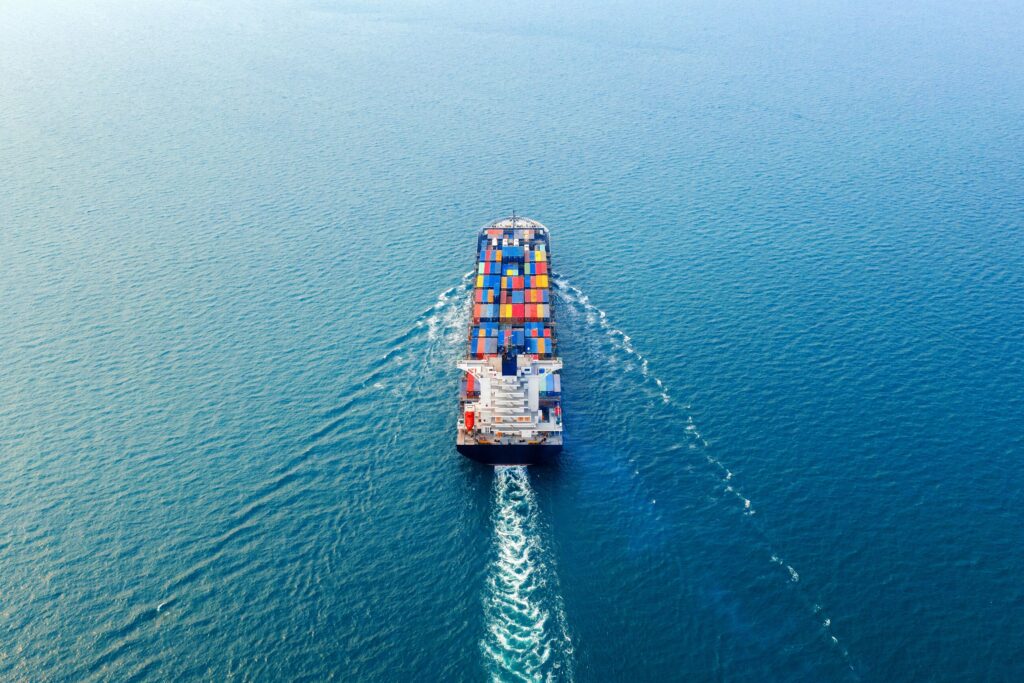
Managing oversized cargo requires precision, especially when moving heavy or irregular machinery across continents. Importers increasingly rely on Open Top FCL tracking for machinery from China to Poland to gain visibility, reduce transit risks, and maintain predictable delivery schedules. Because machinery is high-value and often time-sensitive, having real-time tracking data is essential for avoiding delays, planning inland transportation, and ensuring smooth customs clearance.
1. What Is Open Top FCL Shipping and Why Does Machinery Require It?
Open Top FCL containers are designed for oversized or over-height freight that cannot fit into standard containers. Machinery is frequently shipped in this format due to its dimensions, heavy weight, and unique loading requirements.
Key advantages of Open Top FCL for machinery:
- Allows crane loading for bulky or irregular machinery
- Protects cargo with tarpaulin while allowing vertical access
- Enables safe stowage for tall equipment, engines, and automation lines
- Reduces risk of damage compared to disassembly or LCL co-loading
Moreover, Open Top containers support secure lashing and bracing, essential for long ocean routes and inland transport across Europe.
2. Why Is Tracking Important for Open Top FCL Machinery Shipments?
Because machinery shipments involve multiple parties—carriers, terminals, trucking companies, brokers—tracking ensures visibility across the supply chain.
Open Top FCL tracking helps importers:
- Monitor loading and departure schedules
- Avoid transshipment delays
- Anticipate customs inspection times
- Prevent costly storage or demurrage
- Coordinate unloading equipment at destination
- Improve supply chain forecasting
Additionally, real-time tracking reduces communication gaps, ensuring timely decision-making to protect sensitive or fragile equipment.
3. What Tracking Tools Are Used for Open Top FCL Cargo from China to Poland?

Carriers and freight forwarders provide multiple tracking technologies to improve shipment visibility.
Common tracking tools:
- Vessel AIS tracking for real-time ship location
- Carrier online portals displaying milestones and status updates
- EIR (Equipment Interchange Receipts) for container handling
- Port community systems for customs and release notices
- GPS-enabled trucking tracking during inland transport
- Digital freight dashboards consolidating all events automatically
Therefore, combining these tools significantly improves reliability and reduces uncertainty in machinery supply chains.
4. How Much Does Tracking Add to the Total Shipping Cost?
Tracking itself is usually included in the freight or handling fees, though premium visibility platforms may cost extra.
Estimated Cost Breakdown for Machinery Shipping (Open Top FCL)
| Cost Component | Typical Price (USD) |
|---|---|
| Ocean Freight (China → Poland) | $3,800 – $6,500 |
| Open Top Container Surcharge | $600 – $1,000 |
| Lashing & Securing Costs | $350 – $700 |
| Tracking Systems / Platform Access | $0 – $120 |
| THC at Origin/Destination | $250 – $450 |
| Customs Clearance (EU) | $80 – $200 |
| Insurance | $150 – $450 |
Tracking adds minimal cost compared to the risk of delays, damage, or loss.
5. What Is the Transit Time for Machinery from China to Poland?
Transit times depend on origin port, carrier route, and final Polish destination (e.g., Warsaw, Poznań, Gdańsk).
Transit Time Estimates
| Origin Port | Polish Entry Port | Transit Time (Days) |
|---|---|---|
| Shanghai | Gdańsk | 32 – 38 |
| Ningbo | Gdynia | 34 – 40 |
| Shenzhen | Gdańsk | 30 – 36 |
| Qingdao | Gdynia | 35 – 42 |
Additionally, rail or truck transport from German ports (Hamburg, Bremerhaven) may shorten or extend inland delivery.
6. What Documents Are Required to Avoid Delays During Tracking?
Accurate documentation ensures cargo is released without administrative issues.
Customs Documents Checklist
| Document | Purpose |
|---|---|
| Commercial Invoice | Declares value and HS codes |
| Packing List | Describes machinery parts and weights |
| Bill of Lading | Confirms shipping contract |
| CE Certification | Required for many machinery types in the EU |
| Certificate of Origin | Determines duty rates |
| Insurance Certificate | Protects high-value items |
| Import Declarations | Mandatory for clearance |
Moreover, incorrect documentation can trigger inspections, delaying cargo and disrupting tracking timelines.
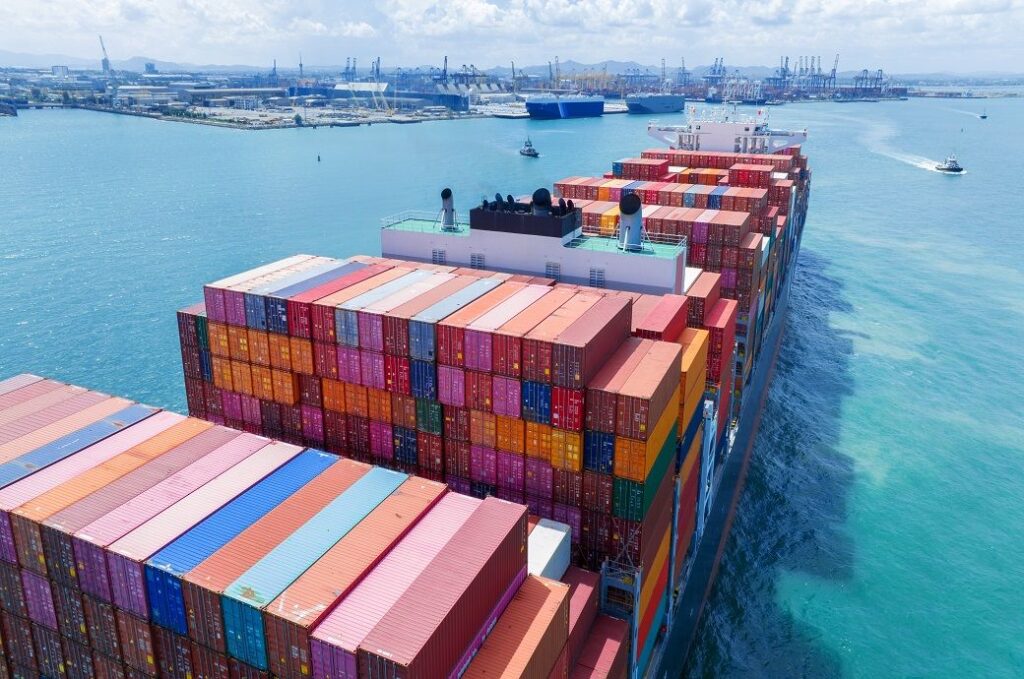
7. How Does Tracking Improve Supply Chain Efficiency for Machinery Imports?
Tracking enhances operational planning, allowing importers to prepare downstream tasks effectively.
Supply chain benefits include:
- Better warehouse scheduling
- Earlier coordination of cranes and unloading teams
- Predictive maintenance for production lines
- Reduced risk of emergency transport arrangements
- Improved communication with EU customers
Therefore, tracking is not merely informational—it drives financial and operational efficiency.
8. What Are the Challenges of Tracking Open Top Containers?
Open Top FCL containers pose unique challenges due to their structure and handling requirements.
Common tracking difficulties:
- Manual lashing and bracing may delay loading
- Tarpaulin coverage can complicate inspection processes
- Weather exposure at ports may cause operational delays
- Equipment shortages increase unpredictability
- Some carriers offer limited milestone updates for non-standard containers
However, working with an experienced freight forwarder minimizes these risks.
9. How Does Open Top FCL Compare with Other Shipping Options?
Machinery shippers must evaluate cost, speed, and safety when choosing transport modes.
Shipping Method Comparison
| Mode | Cost | Transit Time | Pros | Cons |
|---|---|---|---|---|
| Open Top FCL | $$–$$$ | 30–42 days | Ideal for oversized machinery | Higher surcharges |
| Standard FCL | $$ | 28–40 days | Cheaper if cargo fits | Size limitations |
| Flat Rack FCL | $$$ | 30–45 days | Best for extra-wide machinery | Even higher equipment surcharges |
| Air Freight | $$$$$ | 3–7 days | Fast for critical items | Too costly for heavy machinery |
| Rail Freight | $$$ | 15–22 days | Faster than sea, stable routes | Machinery may exceed rail limits |
Open Top FCL is the best option for tall, heavy, or irregularly shaped machinery.
10. How Can Importers Improve Tracking Accuracy?
The accuracy of tracking data depends on both technology and coordination.
Key ways to enhance tracking performance:
- Work with forwarders offering integrated digital logistics platforms
- Request automated vessel milestone alerts
- Use GPS-enabled trucking for EU inland delivery
- Ensure correct container numbers and seal numbers during documentation
- Maintain close communication with Polish customs brokers
Additionally, analyzing past tracking data helps improve future shipping schedules.
11. What Long-Tail Cost Savings Come from Effective Tracking?
Better tracking prevents costly inefficiencies.
Savings include:
- Reduced demurrage and detention
- Lower warehouse overtime costs
- Fewer production line stoppages
- Minimization of emergency freight charges
- Improved customer satisfaction
Therefore, tracking directly contributes to a healthier bottom line.
📦Get a Free Quote
If you need reliable Open Top FCL tracking for machinery from China to Poland, our logistics specialists at ChinaTopFreight are ready to support you. We provide real-time visibility tools, optimized routes, and professional handling for oversized machinery. Contact us today for a customized quotation and expert shipping support.
❓ Frequently Asked Questions
Q1: How does Open Top FCL tracking work for machinery shipments?
Tracking relies on vessel AIS, carrier milestone systems, and trucking GPS updates. These tools show loading, sailing, customs status, and arrival times.
Q2: Does tracking reduce delivery delays?
Yes. With real-time updates, importers can react quickly to port congestion, customs issues, or transshipment changes, preventing costly operational disruptions.
Q3: Can machinery be shipped partially disassembled to avoid Open Top FCL?
Sometimes. If disassembly brings dimensions within standard limits, regular FCL may work. Otherwise, Open Top is necessary for safety and compliance.
Q4: Which Polish ports handle machinery best?
Gdańsk and Gdynia are most suitable due to strong equipment capacity, inland rail links, and efficient customs processing for industrial cargo.
Q5: Are tracking services included in the freight cost?
Basic tracking is included. However, premium monitoring, automated alerts, and GPS tracking for inland transport may incur modest additional fees.
Conclusion
Effective Open Top FCL tracking for machinery from China to Poland is crucial for ensuring visibility, controlling risks, and protecting high-value shipments. With correct documentation, advanced tracking tools, optimized routing, and professional logistics partners, importers can streamline operations and avoid costly delays. By prioritizing transparency and coordination, businesses gain both confidence and competitive advantage in their global machinery supply chain.