

Optimize Your Open Top FCL Sailing Schedule: Hardware Tools from China to California
Shipping specialized hardware tools from China to California requires careful planning and a reliable logistics partner. Understanding the intricacies of an Open Top FCL sailing schedule for hardware tools from China to California is crucial for businesses aiming for efficiency and cost-effectiveness. This guide provides essential insights into optimizing your shipping strategy and managing potential challenges for your valuable cargo.
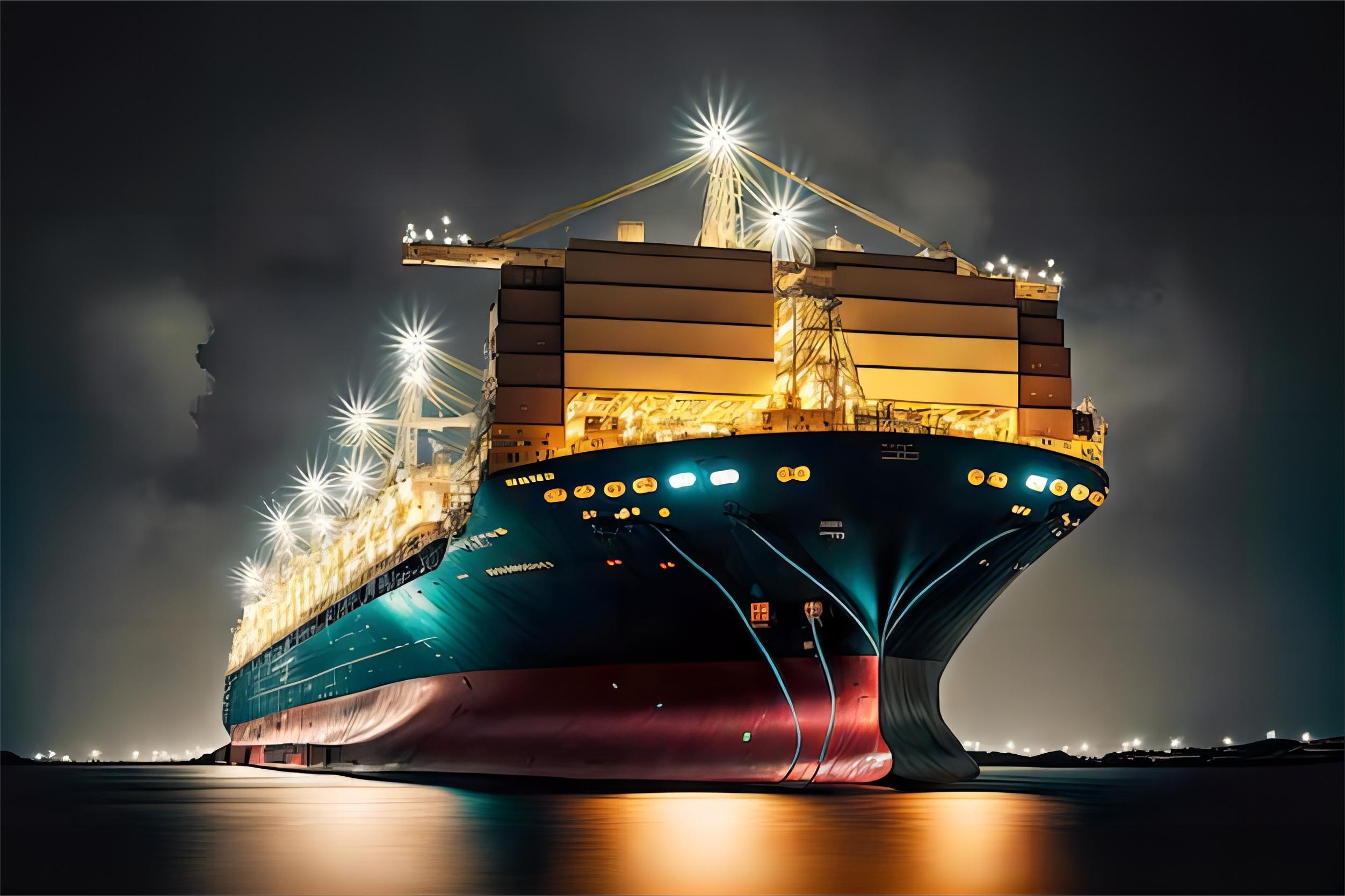
What is Open Top FCL Shipping and Why Choose It?
Open Top Full Container Load (FCL) shipping uses a standard container with a removable tarpaulin roof. This specialized design accommodates cargo too tall for standard container doors. It facilitates top-loading of oversized items using cranes, ensuring efficient handling.

Businesses frequently choose Open Top FCL for transporting heavy machinery, large industrial equipment, or bulky hardware tools. Consequently, this method simplifies loading for items like excavators or large manufacturing components. It ensures secure transit for cargo that cannot be tilted into a conventional container.

What Factors Influence Your Open Top FCL Sailing Schedule?
Several critical factors directly impact the sea freight schedule for Open Top FCL shipments from China to California. These include the specific port of loading in China, the destination port in California, and the chosen shipping carrier. Seasonal demand, port congestion, and available vessel space also play significant roles.

Understanding these variables is essential for accurate planning and managing your supply chain effectively. For instance, peak shipping seasons often lead to extended transit times and increased freight rates. Therefore, booking well in advance helps secure optimal sailing schedules.
The type of hardware tools you ship also influences specific handling requirements. Securing oversized cargo for sea freight demands specialized lashing and securing protocols. This attention to detail is vital for cargo safety and integrity, affecting the overall logistics and delivery schedule.
Navigating Transit Times and Routes from China to California
Transit times for Open Top FCL shipments from major Chinese ports like Shanghai, Ningbo, or Shenzhen to California ports such as Los Angeles or Long Beach typically range from 14 to 25 days. However, this duration only accounts for the ocean leg. The total door-to-door delivery schedule will include additional time for drayage, customs clearance, and final delivery.
Direct routes offer faster transit times compared to services involving transshipment through other Asian ports. For example, a direct vessel from Shanghai to Los Angeles might take around 15-18 days. In contrast, a route with an intermediate stop could extend the journey by an additional 5-7 days.
Port congestion in California, especially at the busy Los Angeles and Long Beach ports, can significantly impact the final delivery schedule. Such delays can add several days or even weeks to the estimated arrival time. Monitoring port operations and choosing a flexible freight forwarder are crucial for mitigating these potential disruptions.
What are the Costs Involved in Open Top FCL Shipping to California?
The cost of shipping an Open Top FCL container from China to California involves several components beyond just the base ocean freight. These include origin charges, such as terminal handling and documentation fees, as well as destination charges, which cover port fees and drayage. Additionally, customs duties and taxes are significant factors in the total landed cost.
Freight rates for Open Top containers can vary widely based on market conditions, fuel costs, and carrier availability. As of early 2025, a 40HQ Open Top container from China to the USA West Coast might range from $3,000 to $4,500 for the ocean freight component. However, these figures are subject to change due to economic fluctuations and seasonal demand.
It is important to account for specialized equipment surcharges when budgeting for Open Top FCL. These surcharges cover the unique handling requirements and equipment modifications associated with open top containers. Obtaining a detailed quote from a reputable freight forwarder ensures a transparent understanding of all potential expenses.
| Cost Component | Estimated Range (USD) | Notes |
|---|---|---|
| Ocean Freight | $3,000 – $4,500 | China Port to California Port (40HQ Open Top) |
| Origin Charges (THC, Docs) | $300 – $500 | Terminal Handling, Bill of Lading, etc. |
| Destination Charges (THC, Drayage) | $800 – $1,500 | Port fees, transport to warehouse |
| Customs Clearance | $200 – $400 | Brokerage fees for import process |
| Customs Duties (Estimated) | Varies | Based on HTS code and cargo value |
| Insurance (Optional) | ~0.5% of cargo value | Recommended for high-value hardware tools |
How Does Customs Clearance Work for Hardware Tools in California?
Importing hardware tools into California from China requires meticulous attention to customs clearance and documentation. Key documents include the commercial invoice, packing list, bill of lading, and potentially a certificate of origin. Furthermore, accurate Harmonized Tariff Schedule (HTS) codes are essential for correct duty assessment and compliance.
Engaging a professional customs brokerage service is highly recommended to streamline this process. Customs brokers ensure all regulations are met, minimizing delays and avoiding costly penalties. They also assist with any specific import licenses or certifications required for certain types of industrial tools.
The U.S. Customs and Border Protection (CBP) may conduct inspections, which can slightly extend the clearance timeline. Being prepared with all necessary documentation and providing clear cargo descriptions helps expedite the process. Proper compliance is key to a smooth and efficient entry of your hardware tools into the U.S. market.
Real-World Examples: Open Top FCL for Hardware Tools
Case Study 1: Large Industrial Press
This case highlights the successful transport of a heavy industrial press, demonstrating effective handling of oversized cargo. The client required a reliable solution for a time-sensitive project.
Pre-planning for specialized lashing and drayage significantly shortened the overall delivery time, preventing project delays.
| Detail | Value |
|---|---|
| Route | Shanghai, China Long Beach, USA |
| Cargo | Industrial Hydraulic Press, 18 CBM, 15,000 kg |
| Container | 40HQ Open Top |
| Carrier/Service | Major carrier (e.g., COSCO) |
| Port of Loading | Shanghai |
| Port of Discharge | Long Beach |
| Route Type | Direct |
| Ocean Freight | $3,850 |
| Origin Charges | $450 |
| Destination Charges | $1,200 |
| Customs & Duties (estimated) | $700 |
| Total Landed Cost | $6,200 |
| Booking to Loading | 7 days |
| Sea Transit | 16 days |
| Customs Clearance | 3 days |
| Total Door-to-Door | 28 days |
| Key Insight | Specialized lashing and drayage expertise ensured timely delivery. |
Case Study 2: Construction Equipment Components
This example illustrates shipping multiple large components for construction equipment using an Open Top container. The challenge was consolidating varied sizes efficiently.
Expert cargo handling and optimized space utilization reduced per-unit shipping costs for the client.
| Detail | Value |
|---|---|
| Route | Ningbo, China Los Angeles, USA |
| Cargo | Excavator Arms & Buckets, 22 CBM, 12,000 kg |
| Container | 40HQ Open Top |
| Carrier/Service | Major carrier (e.g., Maersk) |
| Port of Loading | Ningbo |
| Port of Discharge | Los Angeles |
| Route Type | Direct |
| Ocean Freight | $3,500 |
| Origin Charges | $400 |
| Destination Charges | $1,100 |
| Customs & Duties (estimated) | $650 |
| Total Landed Cost | $5,650 |
| Booking to Loading | 6 days |
| Sea Transit | 17 days |
| Customs Clearance | 4 days |
| Total Door-to-Door | 30 days |
| Key Insight | Efficient cargo consolidation significantly lowered per-unit shipping expenses. |
Case Study 3: Large CNC Machine Parts
This scenario involved transporting delicate, yet oversized, CNC machine parts that required top-loading and careful environmental control.
Choosing a port like Oakland, often less congested than LA/Long Beach, helped maintain the schedule for this critical shipment.
| Detail | Value |
|---|---|
| Route | Shenzhen, China Oakland, USA |
| Cargo | CNC Machine Gantry & Base, 15 CBM, 8,000 kg |
| Container | 20GP Open Top |
| Carrier/Service | Major carrier (e.g., MSC) |
| Port of Loading | Shenzhen |
| Port of Discharge | Oakland |
| Route Type | Direct |
| Ocean Freight | $2,200 |
| Origin Charges | $350 |
| Destination Charges | $900 |
| Customs & Duties (estimated) | $500 |
| Total Landed Cost | $3,950 |
| Booking to Loading | 5 days |
| Sea Transit | 20 days |
| Customs Clearance | 3 days |
| Total Door-to-Door | 32 days |
| Key Insight | Strategic port selection reduced potential delays and ensured smooth delivery. |
How Does Open Top FCL Compare to Other Shipping Options for Hardware Tools?
When shipping hardware tools from China to California, Open Top FCL is often the preferred choice for oversized or irregularly shaped cargo. However, it is beneficial to compare this method with other available shipping solutions. Understanding the pros and cons of each option helps in making an informed decision tailored to your specific logistics needs.
Other viable alternatives include standard FCL, Less than Container Load (LCL), breakbulk cargo, and air freight. Each method offers distinct advantages regarding cost, speed, and cargo handling capabilities. Therefore, a careful evaluation of your shipment’s characteristics and budget constraints is essential.
For instance, standard FCL is suitable if your hardware tools fit within conventional container dimensions and can be loaded through the door. Conversely, LCL is ideal for smaller volumes that do not require an entire container. Furthermore, air freight provides unparalleled speed but comes with significantly higher costs, typically reserved for urgent or high-value, low-volume shipments.
| Shipping Method | Cost Range (USD) | Transit Time | Best For | Limitations |
|---|---|---|---|---|
| Open Top FCL | $3,000 – $4,500 (40HQ Ocean Freight) | 14-25 days (Ocean) | Oversized/tall cargo | Higher specialized equipment costs |
| Standard FCL | $2,800 – $3,800 (40HQ Ocean Freight) | 14-20 days (Ocean) | Large volumes, standard dimensions | Not suitable for oversized cargo |
| LCL | $80 – $120 per CBM | 20-35 days (Ocean) | Smaller volumes (under 15 CBM) | Slower, more handling, potential delays |
| Breakbulk | Custom quote | 25-40 days (Ocean) | Extremely large/heavy cargo, Project cargo | Complex handling, port-dependent |
| Air Freight | $8 – $15 per kg | 3-7 days (Airport to Airport) | Urgent, high-value, light cargo | Very high cost, volume/weight restrictions |
Optimizing Your Logistics: Alternative Strategies and Cost Savings
Several alternative strategies can optimize the shipping of hardware tools and potentially reduce costs. One approach involves exploring different port pairs. Sometimes, using a slightly less congested port in China or California can result in quicker vessel turnaround and lower port charges, even with added overland transport.
Consider consolidating multiple smaller shipments into one Open Top FCL container if feasible. This strategy can significantly reduce per-unit shipping costs compared to sending them as separate LCL shipments. Moreover, coordinating with suppliers for optimized packaging maximizes container space.
A hybrid solution, such as sea-air, might be an option for parts of your supply chain if speed is critical for some components but not all. For example, essential replacement parts could go via air freight, while the bulk of the hardware tools travel by sea. This balances urgency with cost-effectiveness.
Furthermore, securing comprehensive freight insurance is a wise investment, especially for high-value hardware tools. Although an added expense, it protects against unforeseen damage or loss during transit. Without a doubt, proactive risk management contributes to overall cost efficiency by preventing potential financial setbacks.
Which Shipping Option Should You Choose for Your Hardware Tools?
Deciding on the best shipping method for your hardware tools depends on a clear understanding of your priorities. A structured decision framework can help streamline this process. Consider your budget, urgency, cargo specifications, and overall supply chain strategy.
If **budget is your primary concern** and your cargo is oversized, Open Top FCL is generally the most cost-effective solution for large volumes. However, for smaller volumes that are not oversized, LCL offers a more economical entry point.
When **speed is paramount**, especially for urgent orders or critical components, air freight is the undeniable choice, despite its higher cost. For less urgent, standard-sized shipments, direct standard FCL routes offer a good balance of speed and cost.
**Cargo type considerations** are crucial. Open Top FCL is specifically designed for items too tall to load through container doors. Conversely, if your items are extremely heavy or unusually shaped and cannot fit into any container, breakbulk shipping becomes necessary.
**Volume thresholds** also guide the decision. Generally, if your shipment exceeds 15-20 CBM, an FCL (Open Top or Standard) becomes more economical than LCL. Always compare landed costs, not just ocean freight, to make the most informed decision.
Partner with Experts for Your Open Top FCL Sailing Schedule
Navigating the complexities of international shipping, especially for specialized cargo like hardware tools, requires experienced logistics partners. China Top Freight offers comprehensive solutions for your Open Top FCL needs from China to California. Our expertise ensures smooth operations from origin to final destination.
We provide detailed insights into optimal Open Top FCL sailing schedules, competitive freight rates, and efficient customs clearance processes. Our dedicated team handles all aspects of cargo handling, ensuring your valuable hardware tools are secured and transported safely. We focus on delivering reliable and transparent service.
Whether you need door-to-door service or specific port-to-port solutions, our network and capabilities cover your requirements. We understand the nuances of shipping to North America and are committed to optimizing your supply chain for maximum efficiency. Partner with us for a hassle-free shipping experience.
Final Thoughts on Open Top FCL Shipping
Securing an optimal Open Top FCL sailing schedule for hardware tools from China to California is vital for any business dealing with oversized cargo. By understanding transit times, managing costs, and navigating customs, you can ensure a smooth and efficient supply chain. Partnering with an experienced freight forwarder like China Top Freight will undoubtedly simplify these complexities.
This comprehensive approach ensures your specialized hardware tools arrive safely and on schedule, supporting your business success. Note: Freight rates are subject to change based on fuel costs, carrier capacity, and seasonal demand. Contact us for a current quote tailored to your specific shipment.
Need a tailored shipping solution?
Ready to optimize your Open Top FCL sailing schedule for hardware tools from China to California? Contact China Top Freight today for a personalized consultation and a competitive quote. Our team of experts is prepared to assist you with all your specialized shipping needs, ensuring a seamless and efficient logistics solution.