

Optimizing Your 20GP FCL Best Route for Electronics from China to Italy
Shipping electronics from China to Italy demands a strategic approach to ensure efficiency and cost-effectiveness. Navigating the complexities of international logistics, especially with valuable goods, requires careful planning. This guide will reveal the 20GP FCL best route for electronics from China to Italy, helping you optimize your supply chain.
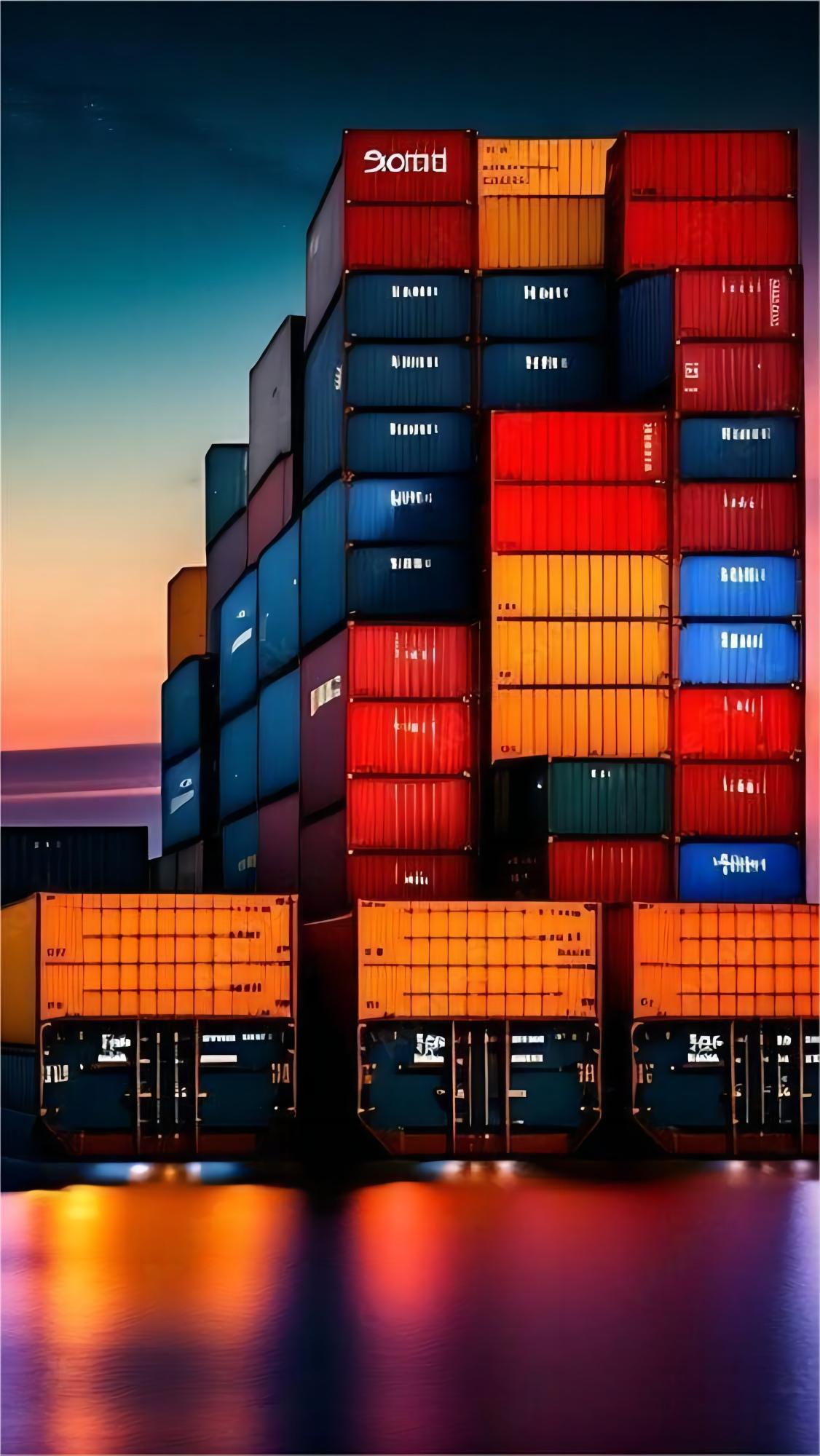
1. Why 20GP FCL is Ideal for Electronics from China to Italy?
For businesses importing electronics, a 20GP Full Container Load (FCL) offers significant advantages. It provides dedicated space, reducing handling and damage risks inherent with LCL shipments. This method ensures your sensitive cargo remains secure throughout its journey.
Furthermore, FCL shipping often results in faster transit times compared to less-than-container-load options. This dedicated service means fewer delays at various consolidation points, streamlining the delivery schedule for your valuable electronic goods.

2. Navigating the Best Sea Freight Route from China to Italy
The primary sea freight routes typically involve major Chinese ports like Shanghai, Ningbo, or Shenzhen heading to Italian ports such as Genoa, Livorno, or La Spezia. These direct routes minimize transshipment points, which is crucial for sensitive electronics.
Choosing the optimal port combination can significantly impact both transit time and FCL shipping costs to Italy. Therefore, understanding port capabilities and potential congestion is vital for a smooth logistics operation. A reliable freight forwarder China can provide critical insights.
3. Key Factors Influencing Your FCL Shipping Costs and Transit Times
Several elements dictate the overall cost and transit time for your 20GP FCL shipment. These include current ocean freight rates, fuel surcharges, and port handling fees at both origin and destination. Market fluctuations can significantly alter these figures.
Moreover, seasonal demands and global logistics trends also play a crucial role. For instance, peak shipping seasons or unexpected port congestion can extend transit times from China to Italy FCL. Planning ahead is essential for import duties electronics Italy.
| Factor | Impact on Cost | Impact on Transit Time |
|---|---|---|
| Ocean Freight Rates | High | Low |
| Fuel Surcharges | Medium | Low |
| Port Congestion | Medium | High |
| Customs Clearance | Medium | Medium |
| Cargo Insurance | Low | Low |

4. Essential Customs and Documentation for Electronics Import
Accurate customs clearance electronics Italy is paramount to avoid delays and penalties. Necessary documents typically include the commercial invoice, packing list, bill of lading, and certificate of origin. Inaccurate paperwork can halt your shipment.
Additionally, electronics may require specific certifications or conformity declarations for import into the EU. Ensuring all compliance requirements are met proactively prevents costly hold-ups at the Italian border. This is a critical step in your logistics solutions China to Italy.
Conclusion: Securing Your Electronics Supply Chain
Choosing the 20GP FCL best route for electronics from China to Italy involves more than just selecting a port; it requires strategic planning. Focusing on direct routes, managing costs, and ensuring meticulous customs compliance are paramount for success.
Partnering with an experienced freight forwarder simplifies these complexities, providing peace of mind and optimizing your entire import process. Secure your valuable cargo and maintain your competitive edge.

Need a tailored shipping solution?
Ready to streamline your electronics shipments? Contact China Top Freight today for a personalized quote and expert guidance on the 20GP FCL best route for electronics from China to Italy. We ensure efficient, secure, and cost-effective logistics solutions tailored to your business needs.