

Optimizing Your China FCL Supply Chain Solution to France: A Comprehensive Guide
Navigating international logistics can be complex, especially when importing full container loads (FCL) from China to France. Many businesses face challenges like unpredictable transit times, escalating costs, and intricate customs procedures. This guide offers a robust China FCL supply chain solution to France, ensuring your cargo arrives efficiently and cost-effectively. For more details, visit https://chinatopfreight.com/.
1. What is a China FCL Supply Chain Solution to France?
A China FCL supply chain solution to France involves shipping goods from China in a Full Container Load (FCL) directly to a French destination. This comprehensive service covers every step, from factory pickup in China to final delivery in France. Consequently, it offers businesses a streamlined and efficient import process.
Specifically, an FCL solution means your goods occupy an entire container, eliminating co-loading with other shippers’ cargo. This dedicated approach significantly reduces handling and potential delays. Therefore, it’s ideal for businesses with sufficient volume to fill a 20-foot or 40-foot container.
2. Why Choose FCL for Your Shipments to France?
Opting for FCL shipping from China to France offers numerous advantages for businesses. Primarily, it provides enhanced security for your cargo since the container remains sealed from origin to destination. Moreover, reduced handling minimizes the risk of damage or loss.
Additionally, FCL generally offers faster transit times compared to Less than Container Load (LCL) shipments. This is because there’s no need for consolidation or deconsolidation at various hubs. Ultimately, for larger volumes, FCL proves more cost-effective per unit, optimizing your overall shipping budget.
3. How Does FCL Shipping from China to France Work?
The FCL shipping process from China to France begins with container booking and pickup at the supplier’s factory. Subsequently, the loaded container is transported to the port of loading in China. Here, it undergoes customs clearance before being loaded onto a vessel bound for France.
Upon arrival at a French port, the container clears French customs. Following this, it is dispatched for final delivery to your specified warehouse or distribution center. Consequently, a well-managed FCL supply chain solution ensures seamless coordination across all these critical stages.
4. What Are the Key Considerations for China-France FCL Transit Times?
Transit times for FCL shipments from China to France vary depending on the origin port, destination port, and specific shipping line. Typically, direct routes through the Suez Canal are the most common. However, weather conditions and port congestion can sometimes impact schedules.
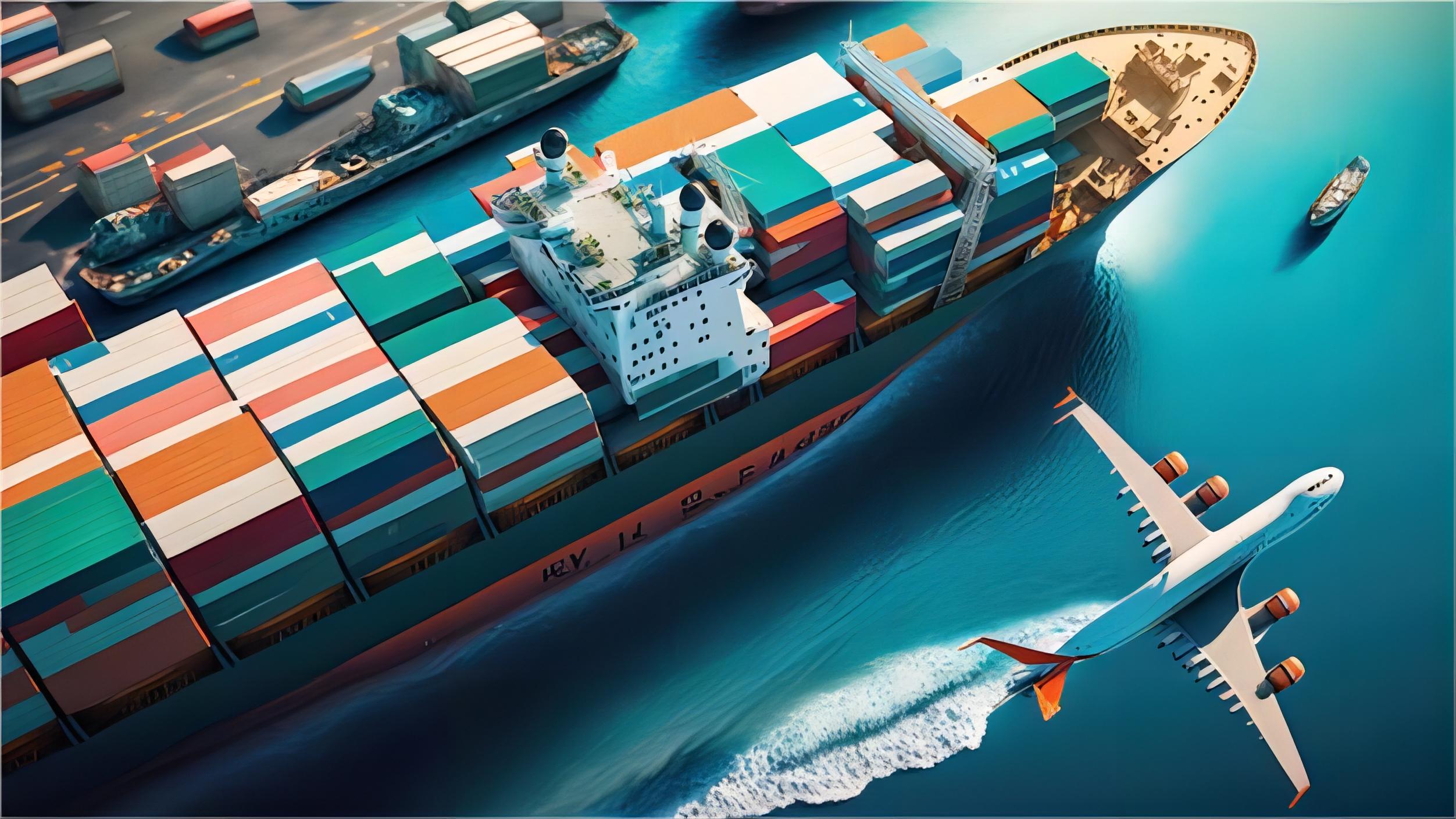
Moreover, choosing a reliable carrier with established routes can significantly improve predictability. Therefore, understanding these factors is crucial for effective supply chain planning. Below is an estimated transit time table for common routes.
| Origin Port (China) | Destination Port (France) | Estimated Transit Time (Days) |
|---|---|---|
| Shanghai | Le Havre | 28-35 |
| Ningbo | Marseille | 30-38 |
| Shenzhen | Le Havre | 25-32 |
| Qingdao | Marseille | 32-40 |
5. How Can You Optimize FCL Shipping Costs to France?
Optimizing FCL shipping rates China to France involves several strategies. Maximizing container utilization is paramount; ensure your container is packed efficiently to avoid paying for empty space. Additionally, consider booking in advance, as last-minute shipments often incur higher costs.
Furthermore, working with a freight forwarder who can negotiate competitive rates with multiple carriers is beneficial. Avoiding demurrage and detention charges by ensuring prompt pickup and return of containers is also crucial. Ultimately, a detailed cost analysis helps manage your China FCL supply chain solution to France effectively.
6. What Documentation is Required for FCL Imports into France?
Accurate and complete documentation is essential for seamless customs clearance for FCL shipments into France. Missing or incorrect documents can lead to significant delays and penalties. Therefore, meticulous preparation is key for managing FCL imports from China.
Specifically, several core documents are always required. Additionally, depending on the goods, specific licenses or certificates might be necessary. Ensuring all paperwork is in order streamlines the import process significantly. Here—s a checklist of common documents.
| Document Type | Purpose | Requirement |
|---|---|---|
| Commercial Invoice | Details goods, value, and terms of sale | Mandatory |
| Packing List | Itemizes contents of each package/container | Mandatory |
| Bill of Lading (B/L) | Contract of carriage and title to goods | Mandatory |
| Certificate of Origin | Proves country of manufacture for customs duties | Often required |
| Customs Declaration (e.g., SAD) | Formal declaration to French customs | Mandatory |
| Import Licenses/Permits | For specific regulated goods (e.g., textiles, chemicals) | As applicable |

7. How Do Customs Clearance Procedures Impact Your Supply Chain to France?
Customs clearance is a critical juncture for any China FCL supply chain solution to France. Proper handling ensures goods move swiftly through the border. Conversely, errors can cause substantial delays, storage fees, and even seizure of goods.
Moreover, engaging an experienced customs broker or freight forwarder is highly recommended. They possess expertise in French import regulations and tariff codes. Consequently, they can proactively address potential issues, ensuring your full container load Europe shipping is compliant and efficient.
8. What Value-Added Services Enhance Your China FCL Supply Chain?
Beyond basic FCL transport, various value-added services can significantly enhance your China to France logistics solutions. These services provide greater control and efficiency throughout the entire journey. For instance, cargo insurance protects against unforeseen risks during transit.
Additionally, services like warehousing, distribution, and last-mile delivery can create a seamless door-to-door FCL service France. Real-time tracking and online visibility tools further allow you to monitor your shipment’s progress. Ultimately, these services contribute to a more robust and responsive supply chain.
9. How Do You Select the Right Freight Forwarder for France FCL Shipments?
Choosing the right freight forwarder is paramount for a successful China FCL supply chain solution to France. Look for a partner with proven experience in the China-Europe trade lane. Their network and relationships with carriers can directly impact transit times and costs.

Furthermore, transparent pricing, excellent communication, and a strong track record of reliability are key indicators. A reputable freight forwarder for France imports will offer comprehensive services and proactive problem-solving. Hence, thorough vetting ensures a smooth and efficient shipping experience.
10. What Are the Benefits of a Fully Managed China FCL Supply Chain Solution to France?
A fully managed China FCL supply chain solution to France alleviates the administrative burden on your business. You gain a single point of contact for all logistics aspects, simplifying communication and oversight. This integrated approach reduces complexity and potential errors.
Moreover, it leads to improved efficiency, predictability, and ultimately, cost savings. By entrusting your FCL logistics to experts, you can focus on your core business operations. Consequently, this allows for strategic growth without getting bogged down in shipping intricacies.
Streamlining Your China-France FCL Logistics
Implementing an effective China FCL supply chain solution to France is crucial for businesses aiming for efficiency and cost-effectiveness. From understanding FCL benefits to navigating customs and selecting the right partner, every step contributes to a successful import operation. By prioritizing detailed planning and expert collaboration, you can ensure your cargo reaches France smoothly and on schedule.
Ultimately, a well-managed FCL strategy provides peace of mind and a competitive edge in the global marketplace. Partnering with experienced professionals simplifies the complexities of international freight, allowing you to focus on growth.
Need a tailored shipping solution?
Ready to streamline your imports and ensure reliable delivery? Contact us today for a personalized quote on your China FCL supply chain solution to France. Let our experts optimize your logistics and help your business thrive.