

As trade between Asia and Oceania continues to expand, overland freight from China to Australia has become a viable alternative for businesses seeking reliable, cost-effective logistics. While traditional sea and air routes dominate, innovative multimodal and land-sea freight corridors now provide faster, greener, and more flexible solutions for cross-border cargo.

1. What Is Overland Freight from China to Australia?
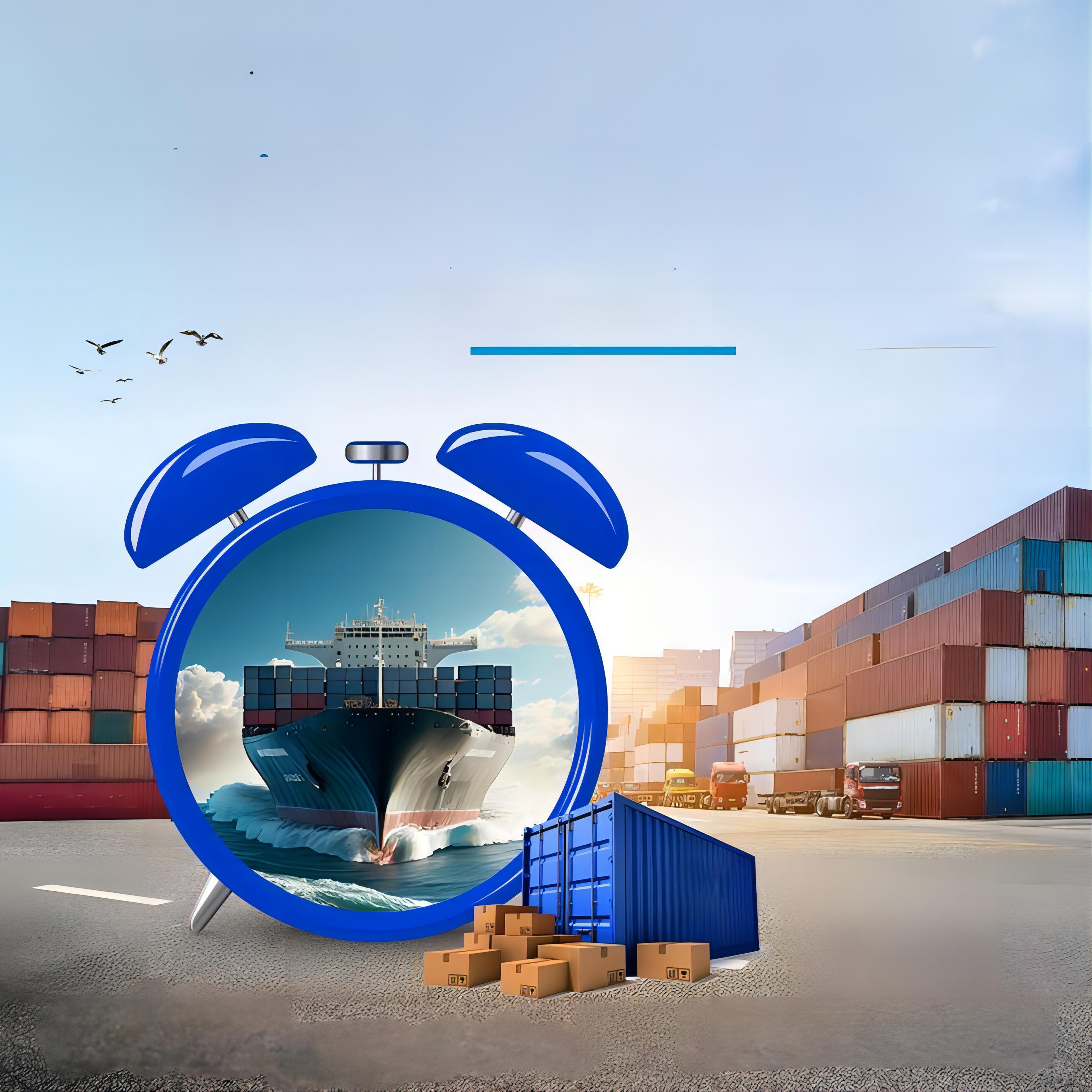
Overland freight refers to transporting goods via road, rail, and sea connections, combining land routes through Southeast Asia with short-sea shipping across the Timor or Arafura Seas. This multimodal approach connects major Chinese logistics hubs like Shenzhen, Guangzhou, and Chongqing to Australian ports such as Darwin, Brisbane, and Sydney.
2. Why Choose Overland Freight from China to Australia?
Choosing overland freight China to Australia allows importers to reduce costs, cut emissions, and gain schedule flexibility. It bridges the gap between fast but costly air freight and slow but affordable ocean shipping.
Key benefits include:
- Lower transport costs than air freight
- Faster delivery than traditional sea freight
- Greater routing flexibility
- Reduced carbon emissions
- Reliable scheduling for high-volume cargo
3. How Does Overland Freight Work?
Overland freight typically combines rail and truck transport through China–Vietnam–Thailand–Malaysia–Singapore, then connects to sea freight from Singapore or Indonesia to Australia.
| Stage | Mode | Key Hubs | Approx. Duration |
|---|---|---|---|
| 1. China Inland Transport | Rail/Truck | Chongqing, Chengdu, Shenzhen | 2–3 days |
| 2. ASEAN Transit | Truck | Hanoi → Kuala Lumpur → Singapore | 3–5 days |
| 3. Sea Leg | Short-sea Vessel | Singapore → Darwin/Sydney | 6–8 days |
| Total Estimated Time | — | — | 11–16 days |
This hybrid network integrates customs, warehousing, and tracking for seamless door-to-door delivery.
What are you waiting for?
Contact chinatopfreight for a fast, free quote.
Are you ready to book?
Access live instant freight quotes
4. What Are the Main Routes and Corridors?
| Route | Type | Key Stops | Total Distance | Notes |
|---|---|---|---|---|
| Chongqing–Hanoi–Singapore–Darwin | Land–Sea | China–Vietnam–Singapore–Australia | ~9,000 km | Fastest option for north-central China |
| Shenzhen–Bangkok–Jakarta–Sydney | Land–Sea | China–Thailand–Indonesia–Australia | ~8,500 km | Best for southern Chinese exporters |
| Chengdu–Kuala Lumpur–Melbourne | Land–Sea | China–Malaysia–Australia | ~9,200 km | Balanced for central logistics |
These corridors leverage ASEAN logistics cooperation and RCEP trade agreements to simplify customs and improve time efficiency.
5. How Does Overland Freight Compare to Air and Sea Shipping?
| Mode | Avg. Cost (USD/kg) | Transit Time | Ideal For | Pros | Cons |
|---|---|---|---|---|---|
| Air Freight | $5–$9 | 3–7 days | High-value goods | Fastest delivery | Expensive |
| Sea Freight | $0.5–$1.2 | 20–35 days | Bulk cargo | Cheapest | Long transit |
| Overland Freight | $1.5–$2.5 | 11–16 days | General/urgent cargo | Moderate cost, mid-speed | Route complexity |
Conclusion: Overland freight balances speed and cost, ideal for e-commerce, automotive, textiles, electronics, and FMCG goods.
6. What Documents Are Needed for Customs Clearance?
Proper documentation ensures smooth import/export customs clearance when shipping from China to Australia.
| Document | Purpose | Issued By |
|---|---|---|
| Commercial Invoice | Declares goods and value | Exporter |
| Packing List | Describes contents | Exporter |
| Bill of Lading / CMR | Transport contract | Freight Forwarder |
| Certificate of Origin | Proof of origin | Chamber of Commerce |
| Import Declaration | Import compliance | Australian Customs |
| Insurance Certificate | Coverage proof | Insurance provider |
7. What Are the Costs Involved in Overland Freight?

Pricing depends on distance, cargo type, mode mix, and fuel costs.
| Factor | Description | Example Impact |
|---|---|---|
| Cargo Type | Fragile or perishable goods require special handling | +10–20% |
| Route Distance | Longer or indirect routes increase fuel | +15% |
| Container Size | 20ft vs 40ft affects base rate | $300–$600 difference |
| Customs Duties | Based on HS Code and valuation | Variable |
| Warehousing | Temporary storage at hubs | $50–$200/day |
8. How Long Does Overland Freight Take from China to Australia?
Transit time varies by city and final destination:
| Origin City | Destination | Avg. Transit Time |
|---|---|---|
| Shenzhen → Sydney | 12–14 days | |
| Chongqing → Brisbane | 13–15 days | |
| Chengdu → Darwin | 11–13 days | |
| Guangzhou → Melbourne | 14–16 days |
Compared to ocean freight (30+ days), overland solutions save up to 50% time while maintaining lower cost than air freight.
9. What Are the Pros and Cons of Overland Freight?
| Pros | Cons |
|---|---|
| Moderate cost & time balance | Route complexity |
| Lower carbon footprint | Limited direct infrastructure |
| Flexible for multimodal shipping | Requires transloading |
| Ideal for medium-sized cargo | Dependent on ASEAN transit conditions |
This approach works well for companies seeking sustainable, mid-speed delivery options across Asia-Pacific.
10. How to Choose the Right Freight Forwarder?
Selecting a professional logistics partner ensures safety, compliance, and timely delivery. Consider:
- Experience in multimodal operations (road–rail–sea)
- Network coverage across ASEAN and Oceania
- Transparent pricing and real-time tracking systems
- Support for customs documentation and insurance
- Proven record for door-to-door freight from China
ChinaTopForwarder, for instance, provides tailored overland freight solutions combining flexibility, visibility, and cost efficiency.
Conclusion
In summary, overland freight from China to Australia bridges the gap between speed and affordability, making it a strategic option for global traders. Its multimodal connectivity, eco-friendly advantages, and flexible schedules empower businesses to strengthen their supply chains and reduce costs. For customized routing and expert assistance, partner with ChinaTopForwarder, your gateway to efficient logistics across Asia-Pacific.
FAQ
1. Is overland freight from China to Australia faster than sea freight?
Yes, it typically takes 11–16 days versus 25–35 days by sea, depending on routing and customs clearance.
2. Can overland freight handle refrigerated cargo?
Yes, temperature-controlled containers and reefers are available along major multimodal routes for perishables.
3. Do I need special permits for overland freight shipments?
Usually no, but hazardous goods or restricted commodities require additional permits and safety documentation.
4. What incoterms are recommended for overland freight?
CIF, DAP, and DDP are commonly used to simplify customs and ensure end-to-end delivery responsibility.
5. Can small businesses use overland freight services?
Absolutely. LCL (Less than Container Load) options allow SMEs to share container space and save costs.