

Managing overland freight China to Canada has become increasingly important for businesses seeking reliable, eco-friendly, and cost-efficient shipping alternatives. With evolving trade corridors across Asia, Russia, and North America, overland freight is emerging as a strategic link between Chinese manufacturers and Canadian importers. This guide covers everything from costs, transit times, and routes to customs procedures and key shipping strategies.
1. What Is Overland Freight from China to Canada?
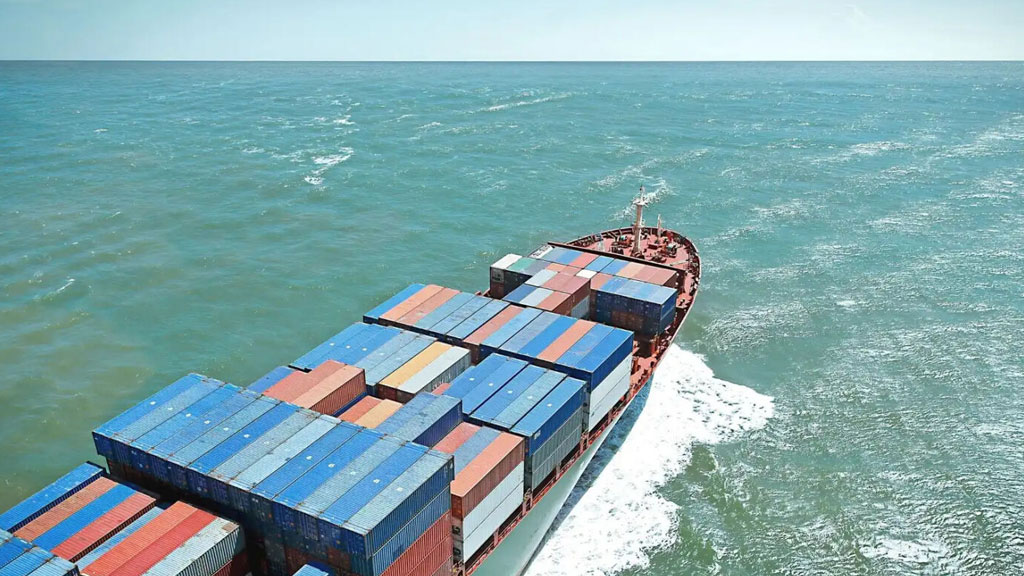
Overland freight refers to the transport of goods via land routes—typically by rail and truck—across multiple countries. It connects China’s industrial zones to Canada through a mix of rail freight, trucking corridors, and multimodal solutions that combine land, sea, and air routes.
This shipping mode is ideal for large volumes of cargo that don’t require air freight urgency but still demand faster delivery than sea freight.
| Shipping Mode | Transit Time | Average Cost (USD/kg) | Best For |
|---|---|---|---|
| Air Freight | 5–8 days | $5–$8 | Urgent, high-value cargo |
| Sea Freight | 25–35 days | $0.5–$1.0 | Bulk shipments |
| Overland Freight | 16–22 days | $1.5–$3.5 | Time-sensitive heavy goods |
Key takeaway: Overland freight strikes the perfect balance between speed and affordability, making it ideal for electronics, machinery, textiles, and automotive components.
2. Why Choose Overland Freight from China to Canada?
There are several compelling reasons to choose this shipping mode over traditional ocean or air freight.
- Faster transit times compared to sea freight
- Lower cost than air freight
- Reliable scheduling with fewer weather disruptions
- Eco-friendly transport option with reduced carbon emissions
- Enhanced security during inland transport
- Seamless customs processing with multimodal logistics partners
Moreover, the integration of the China–Europe–North America land-sea corridor has improved delivery efficiency and route stability.
3. What Are the Main Overland Freight Routes from China to Canada?
Overland routes from China to Canada primarily combine rail freight and truck transport, with transshipment through European or Pacific gateways.
| Route Type | Pathway Description | Estimated Transit Time |
|---|---|---|
| Trans-Eurasian Route | China → Kazakhstan → Russia → Europe → Atlantic port → Canada (via ocean) | 20–25 days |
| Pacific Multimodal Route | China → Russia (Vladivostok) → Ship to Vancouver → Truck to destination | 16–20 days |
| Northern Land Route | China → Mongolia → Russia → Alaska → Truck via Canada–US border | 18–22 days |
| China–Europe–Canada Hybrid | China → Poland (rail) → Ship to Montreal or Halifax | 22–28 days |
Note: The most efficient route is the Pacific Multimodal Route, combining rail to Russia and short-sea transit to Canada’s west coast.
What are you waiting for?
Contact chinatopfreight for a fast, free quote.
Are you ready to book?
Access live instant freight quotes
4. How Long Does Overland Freight Take from China to Canada?
Transit times depend on origin, destination, and customs clearance efficiency.
| Origin City (China) | Destination (Canada) | Transit Time (Days) |
|---|---|---|
| Shenzhen | Vancouver | 16–18 |
| Shanghai | Toronto | 18–22 |
| Chongqing | Montreal | 20–23 |
| Xi’an | Calgary | 19–21 |
| Qingdao | Edmonton | 17–20 |
Moreover, working with experienced freight forwarders helps minimize border delays and optimize route planning.
5. What Are the Costs of Overland Freight from China to Canada?
Costs vary based on cargo type, distance, and transport mode. Overland freight offers competitive pricing while maintaining faster delivery than sea freight.
| Cargo Type | Approx. Rate (USD/kg) | Transit Mode |
|---|---|---|
| General Cargo | $1.5 – $2.5 | Rail + Truck |
| Electronics | $2.5 – $3.5 | Secure truck or express rail |
| Machinery | $1.8 – $2.8 | Heavy cargo rail |
| Textiles | $1.2 – $2.0 | Consolidated rail or truck |
| Automotive Parts | $2.0 – $3.0 | Dedicated container service |
Costs vary based on cargo type, distance, and transport mode. Overland freight offers competitive pricing while maintaining faster delivery than sea freight.
6. What Documents Are Required for Overland Freight to Canada?
Proper documentation is essential for customs clearance and trade compliance.
| Document | Purpose |
|---|---|
| Commercial Invoice | Declares goods and value |
| Packing List | Lists shipment details |
| Bill of Lading (B/L) | Proof of transport contract |
| Certificate of Origin | Verifies production country |
| Import Declaration (B3 form) | Canadian customs entry form |
| Insurance Certificate | Protects cargo value |
| NAFTA/USMCA Certificate | Reduces duties under trade agreements |
Additionally, exporters must ensure compliance with Canada Border Services Agency (CBSA) requirements for import permits and labeling.
7. What Customs Procedures Apply to Overland Freight?
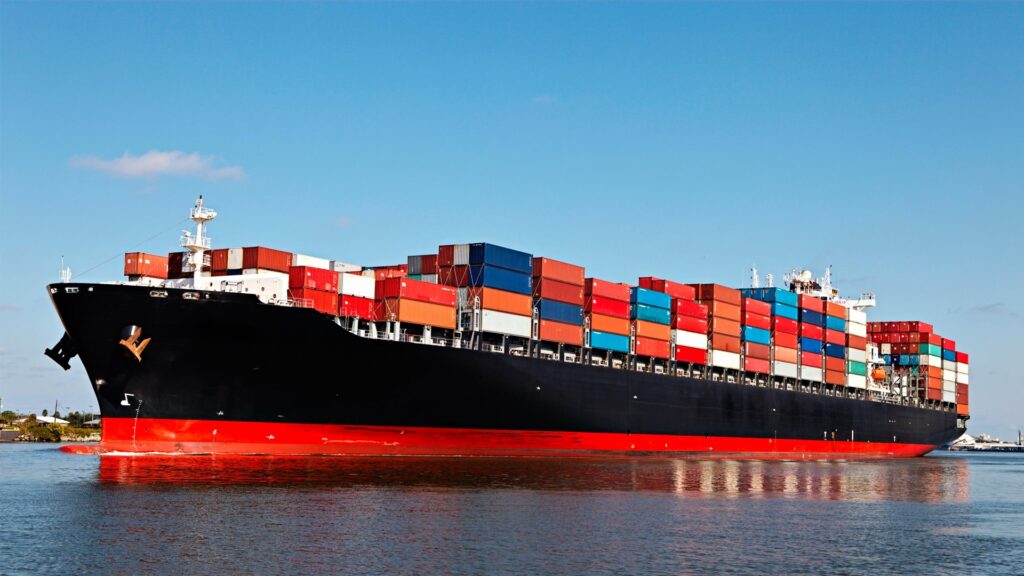
Overland freight entering Canada is subject to customs regulations similar to air or sea shipments.
Key Steps:
- Pre-submit commercial documents to CBSA.
- Pay applicable duties, GST, and taxes.
- Undergo inspection or verification if required.
- Receive clearance and proceed with inland delivery.
| Customs Duty Category | Rate (%) | Applicable Notes |
|---|---|---|
| General Merchandise | 5–9% | Standard rate |
| Electronics | 0–5% | Varies by HS code |
| Machinery | 3–8% | Based on type |
| Clothing/Textiles | 10–18% | May require textile permits |
Partnering with a customs broker or freight forwarder ensures documentation accuracy and compliance with import regulations.
8. Overland vs Air vs Sea Freight: Which Is Better?
| Criteria | Overland Freight | Air Freight | Sea Freight |
|---|---|---|---|
| Speed | 16–22 days | 5–8 days | 25–35 days |
| Cost | Moderate | High | Low |
| Reliability | High | Very high | Medium |
| Capacity | Medium | Limited | Very high |
| Eco-Friendliness | High | Low | High |
| Best For | Medium-to-large shipments | Urgent, small cargo | Large, non-urgent cargo |
Verdict: Overland freight provides the best balance of cost, time, and reliability, especially for businesses shipping mid-volume goods.
9. What Are the Advantages of Overland Freight from China to Canada?
- Reduced shipping time compared to sea routes
- Cost-effective alternative to air transport
- Sustainable logistics with lower emissions
- Flexible delivery options (door-to-door, DDP)
- Smooth customs integration with rail and truck services
- Year-round accessibility, avoiding port congestion
Moreover, recent infrastructure projects like the Belt and Road Initiative (BRI) are enhancing cross-border connectivity, benefiting Canada-bound shipments.
10. How to Optimize Overland Freight Efficiency
- Book early to secure favorable rates and space.
- Use multimodal transport (rail + sea + truck) for speed and flexibility.
- Prepare complete documentation to avoid customs delays.
- Work with experienced freight forwarders specializing in Asia–North America trade.
- Use cargo insurance to protect against transit risks.
- Track shipments digitally via GPS-enabled logistics systems.
Implementing these measures can cut transit delays by up to 15% and improve overall delivery reliability.
Conclusion
Efficient overland freight China to Canada provides a modern, balanced solution for businesses seeking faster delivery than sea freight and lower costs than air. With enhanced routes, stable transit times, and flexible multimodal logistics, it offers a strategic advantage for global trade.
Partnering with a professional freight forwarder like ChinaTopFreight ensures smooth customs clearance, reliable delivery, and cost optimization—making your supply chain stronger and more competitive.
FAQ
1. How long does overland freight take from China to Canada?
Typically, 16–22 days depending on the route, cargo type, and customs procedures at border crossings.
2. Is overland freight cheaper than air shipping?
Yes, it costs 40–60% less than air freight while maintaining faster delivery than sea freight.
3. Can overland freight handle heavy machinery?
Absolutely. Specialized rail and truck services can transport oversized or heavy equipment safely.
4. Do overland routes operate year-round?
Yes, but winter conditions in northern routes may slightly extend delivery times.
5. Are customs duties included in overland freight quotes?
Not always. It depends on the Incoterm (e.g., DDP includes duties, CIF does not).