

- By kelly
- December 4, 2025
- Logistics, Tips or Guide
Flat Rack FCL Demurrage Prevention for Medical Equipment from China to Los Angeles
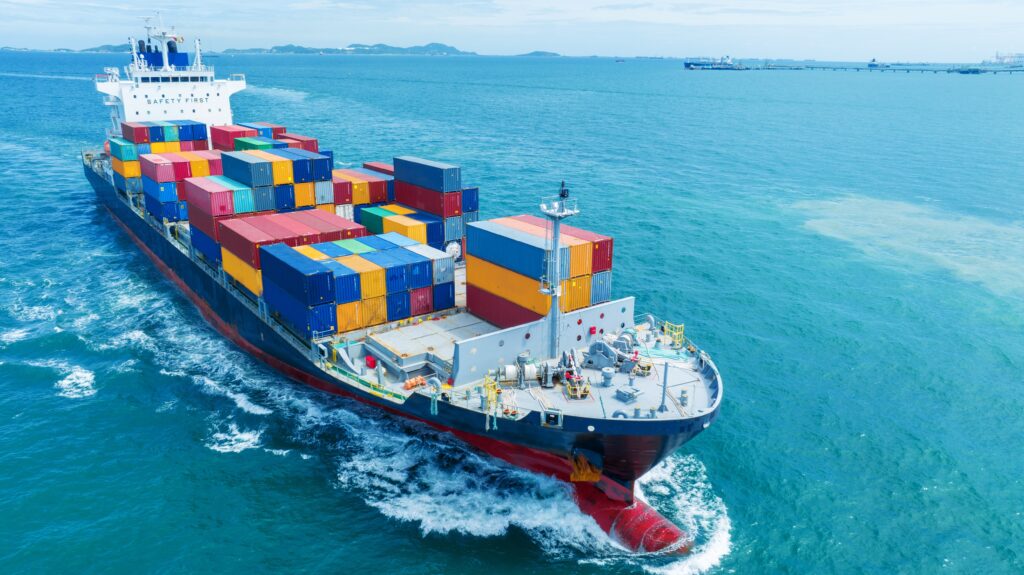
Shipping oversized or irregularly shaped healthcare machinery demands precision. Choosing the right strategy for Flat Rack FCL demurrage prevention for medical equipment from China to Los Angeles is essential because delays, compliance errors, or port inefficiencies can quickly turn into costly penalties. This guide explains how to prevent demurrage, optimize routing, reduce risks, and maintain control over valuable medical equipment shipments.
1. What Makes Flat Rack FCL the Right Choice for Medical Equipment?
Flat Rack containers are critical for transporting outsized medical machinery such as MRI modules, CT scanners, radiology components, hospital beds, sterilizers, and laboratory automation systems. These units cannot fit inside a standard container, yet they demand excellent cargo security.
Additionally, Flat Rack FCL:
- Ensures full control over shipment timing
- Reduces the risk of mishandling compared to LCL
- Supports crane loading, lift-on/lift-off transfers
- Helps maintain shipping schedule flexibility
Because medical equipment is expensive and often urgently needed, preventing demurrage is essential to keeping supply chain performance consistent.
2. Why Does Demurrage Happen When Shipping Medical Equipment?
Demurrage fees typically occur when cargo stays at the port longer than allowed. For medical equipment, this often results from:
- Customs document inaccuracies
- FDA or healthcare compliance delays
- Late trucking arrangements
- Incorrect HS codes or import classifications
- Missing OBL or delivery order
- Port congestion and carrier scheduling issues
Moreover, oversized cargo requires special lifting equipment. Therefore, delays may happen if unloading appointments are not booked in advance.
3. How Much Does Flat Rack FCL Shipping Cost from China to Los Angeles?

| Charge Category | Cost Range (USD) | Notes |
|---|---|---|
| Ocean Freight (Flat Rack) | $4,500 – $7,800 | Depending on origin port and carrier |
| OOG Surcharge | $500 – $1,800 | Applies to oversized medical equipment |
| Terminal Handling Charges | $250 – $450 | Varies by port and equipment |
| Chassis + Trucking in LA | $350 – $650 | Higher for overweight or wide loads |
| Demurrage (if incurred) | $180 – $350/day | Fees escalate quickly without prevention strategies |
Since Flat Rack FCL costs are higher than standard containers, avoiding demurrage is crucial to controlling total landed cost.
4. What Documents Are Required to Avoid Demurrage Delays?
Accurate documentation minimizes customs delays and ensures timely port clearance.
| Required Document | Purpose |
|---|---|
| Commercial Invoice | Declares equipment value, shipment terms, and product details |
| Packing List | Describes dimensions, weight, and securing details |
| Bill of Lading | Required for cargo release |
| Importer Security Filing (ISF) | Mandatory before loading in China |
| FDA Documentation | Required for regulated medical devices |
| OOG Cargo Handling Request | Ensures proper lifting, special equipment scheduling |
| Certificate of Origin | Supports tariff classification |
Therefore, preparing all documents before cargo departure significantly reduces demurrage risk.
5. What Is the Transit Time for Flat Rack FCL from China to Los Angeles?
| China Port | Transit Time (Days) | Routing Notes |
|---|---|---|
| Shanghai | 15–18 | Most direct sailings, consistent reefer/oversize support |
| Ningbo | 16–20 | Spacing for OOG cargo often available |
| Shenzhen/Yantian | 18–22 | Higher congestion; schedule reliability varies |
| Qingdao | 20–24 | Longer route but competitive rates |
Transit times affect demurrage because the earlier you schedule customs processing and inland trucking, the lower the risk of missing free days.
6. How to Prevent Demurrage for Flat Rack FCL Medical Equipment Shipments?
Here are the most effective strategies:
6.1 Pre-Book All Port Services
Oversized medical equipment requires special cranes, lashing teams, and terminal support. Additionally, booking early ensures equipment availability upon arrival.
6.2 Submit Customs and FDA Files Before Sailing
Medical devices often require:
- FDA Prior Notice
- Compliance certificates
- Radiation-emitting device paperwork (for X‑ray, MRI systems)
Therefore, early filing prevents inspection-related delays.
6.3 Arrange Trucking Before Vessel Arrival
Flat Rack cargo cannot wait on the terminal. Schedule:
- Heavy-haul trucking
- Escort vehicles (if needed)
- Crane unloading at consignee location
Failing to pre-arrange trucking is a common demurrage trigger.
6.4 Confirm Container Dimensions and Weight Limits
OOG (Out‑of‑Gauge) medical equipment must comply with:
- U.S. roadway weight restrictions
- Port equipment limits
- Carrier acceptance rules
Incorrect declarations lead to re-handling delays and immediate demurrage risk.
7. How Does Flat Rack FCL Compare to Other Shipping Methods?
| Method | Cost | Transit Time | Pros | Cons |
|---|---|---|---|---|
| Flat Rack FCL | $$$ | 15–24 days | Best for oversized equipment; flexible | Higher risk if improperly lashed |
| Standard FCL | $$ | 15–20 days | Great for crated equipment | Not suitable for extra-large machinery |
| Air Freight | $$$$$ | 2–5 days | Fast for urgent devices | Extremely expensive for oversized cargo |
| Breakbulk Cargo | $$$$ | 20–35 days | Ideal for ultra-heavy medical systems | More handling, more risk of demurrage |
Flat Rack remains the most balanced solution for oversized healthcare machinery.
8. How Do Packaging and Lashing Prevent Delays?
Medical equipment must be:
- Secured with industrial straps
- Protected with moisture barriers
- Loaded with engineer-approved weight distribution
- Lashed according to IMO standards
Poor lashing requires rework at the terminal, which almost always leads to demurrage fees.
9. Should You Insure Flat Rack Medical Equipment?
Absolutely. Medical equipment is extremely valuable, and open exposure on Flat Rack containers increases risk. Comprehensive coverage should include:
- Marine cargo insurance
- OOG cargo coverage
- Moisture, impact, and vibration protection
- All-risk clauses
Insurance does not prevent demurrage directly, but it protects financial exposure caused by delays.
10. How Can Working with a Freight Forwarder Reduce Demurrage?
Professional freight forwarders help by:
- Scheduling port handling teams
- Filing ISF and customs documents early
- Coordinating truckers and cranes
- Monitoring vessel schedules and port conditions
- Managing OOG approvals with carriers
- Providing demurrage alerts and deadline tracking
Therefore, using an experienced Flat Rack forwarder significantly reduces cost and operational risk.
📦Get a Free Quote
To avoid costly delays and maintain efficiency, our logistics experts specialize in Flat Rack FCL demurrage prevention for medical equipment from China to Los Angeles. We handle OOG approvals, documentation, port coordination, and trucking to ensure smooth clearance. Contact us today for a tailored logistics plan and competitive shipping quote.
❓ Frequently Asked Questions
1. How can I avoid demurrage for Flat Rack medical equipment shipments?
Book trucking early, prepare documents in advance, and monitor free-time deadlines closely to ensure smooth port clearance.
2. Do medical devices require special import documents?
Yes. Most require FDA filings, accurate HS codes, and compliance certificates to prevent inspection delays and added fees.
3. Why choose Flat Rack instead of Breakbulk for medical machinery?
Flat Rack offers faster handling, lower cost, and simpler coordination compared to Breakbulk, which often faces longer port stays.
4. How early should I arrange trucking for oversized medical cargo?
At least 7–10 days before vessel arrival to ensure permits, escorts, and equipment availability.
5. What causes most demurrage in Flat Rack medical shipments?
Incorrect documents, late trucking, customs delays, and inaccurate cargo dimensions are the most common triggers.
Conclusion
Preventing delays in Flat Rack FCL demurrage prevention for medical equipment from China to Los Angeles requires strategic planning, precise documentation, timely trucking arrangements, and coordinated port operations. Because medical equipment is high-value and often urgently needed, minimizing demurrage is essential for cost control and supply chain reliability. By partnering with knowledgeable logistics professionals and preparing in advance, companies can ensure seamless delivery and avoid unnecessary fees.