

Professional FCL Shipping from China to France: Your Comprehensive Guide
Navigating professional FCL shipping from China to France demands expertise and precision. Businesses importing goods need reliable, cost-effective solutions for their full container loads. This guide provides a comprehensive overview, ensuring your supply chain remains robust and efficient. Explore seamless logistics and secure your cargo’s journey with China Top Freight.
What is FCL Shipping and Why Choose it for China to France?
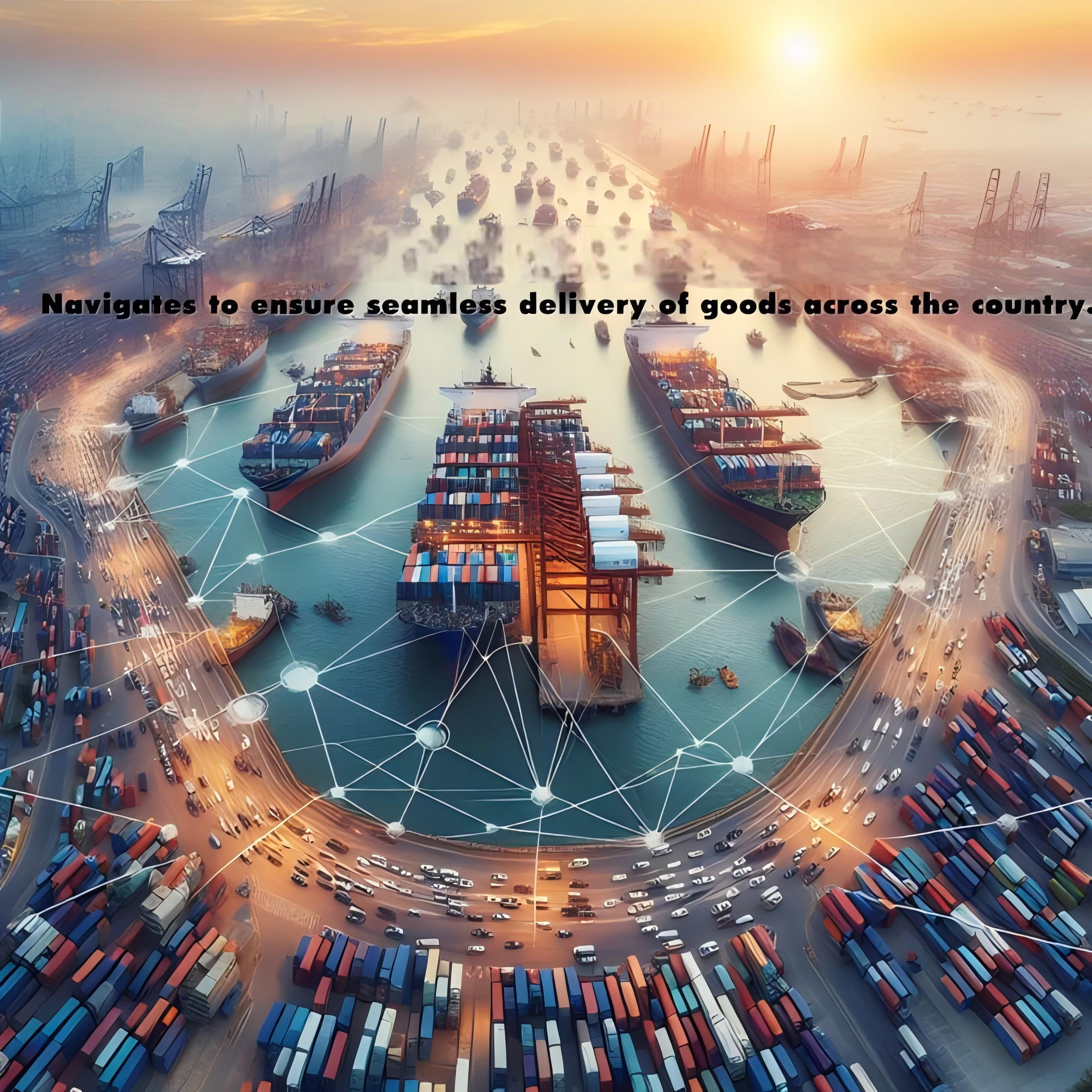
Full Container Load (FCL) shipping involves reserving an entire container exclusively for your cargo. Even if your goods do not fill the container completely, it is dedicated solely to your shipment. This method offers distinct advantages, particularly for high-volume imports from China to France.
Choosing FCL ensures greater security and reduced handling, consequently minimizing the risk of damage or loss. Moreover, it often provides faster transit times compared to shared container options. Therefore, FCL is the preferred choice for businesses prioritizing efficiency and cargo integrity for their international logistics.
Key Considerations for FCL Shipping from China to France
Several factors influence the success and cost-effectiveness of your FCL shipment to France. Understanding these elements is crucial for effective planning and execution. Consequently, careful consideration of each point can significantly optimize your supply chain.
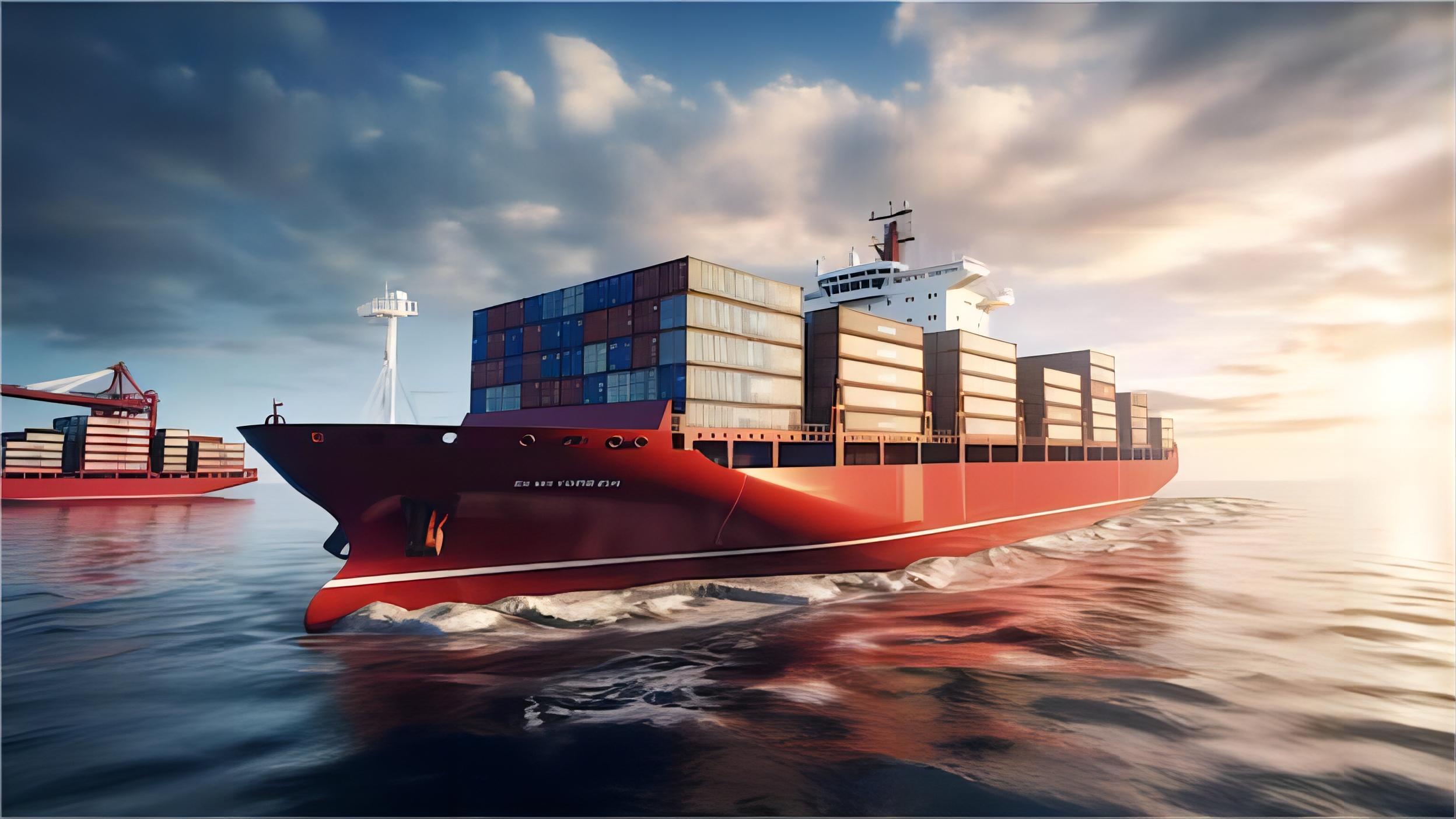
Firstly, selecting the right container size (20GP, 40GP, 40HQ) based on your cargo volume is essential. Secondly, port selection in both China and France impacts transit times and inland transportation costs. For instance, major Chinese ports like Shanghai, Ningbo, and Shenzhen connect efficiently with French ports such as Le Havre, Marseille, and Dunkirk. Finally, navigating customs regulations and ensuring proper documentation for French imports are paramount.
How Does FCL Shipping Compare to Other Shipping Options?
While FCL offers many benefits, it is important to compare it with other available shipping methods for the China-France route. Different scenarios may call for alternative solutions. Therefore, assessing your specific needs will guide your decision toward the most suitable logistics strategy.
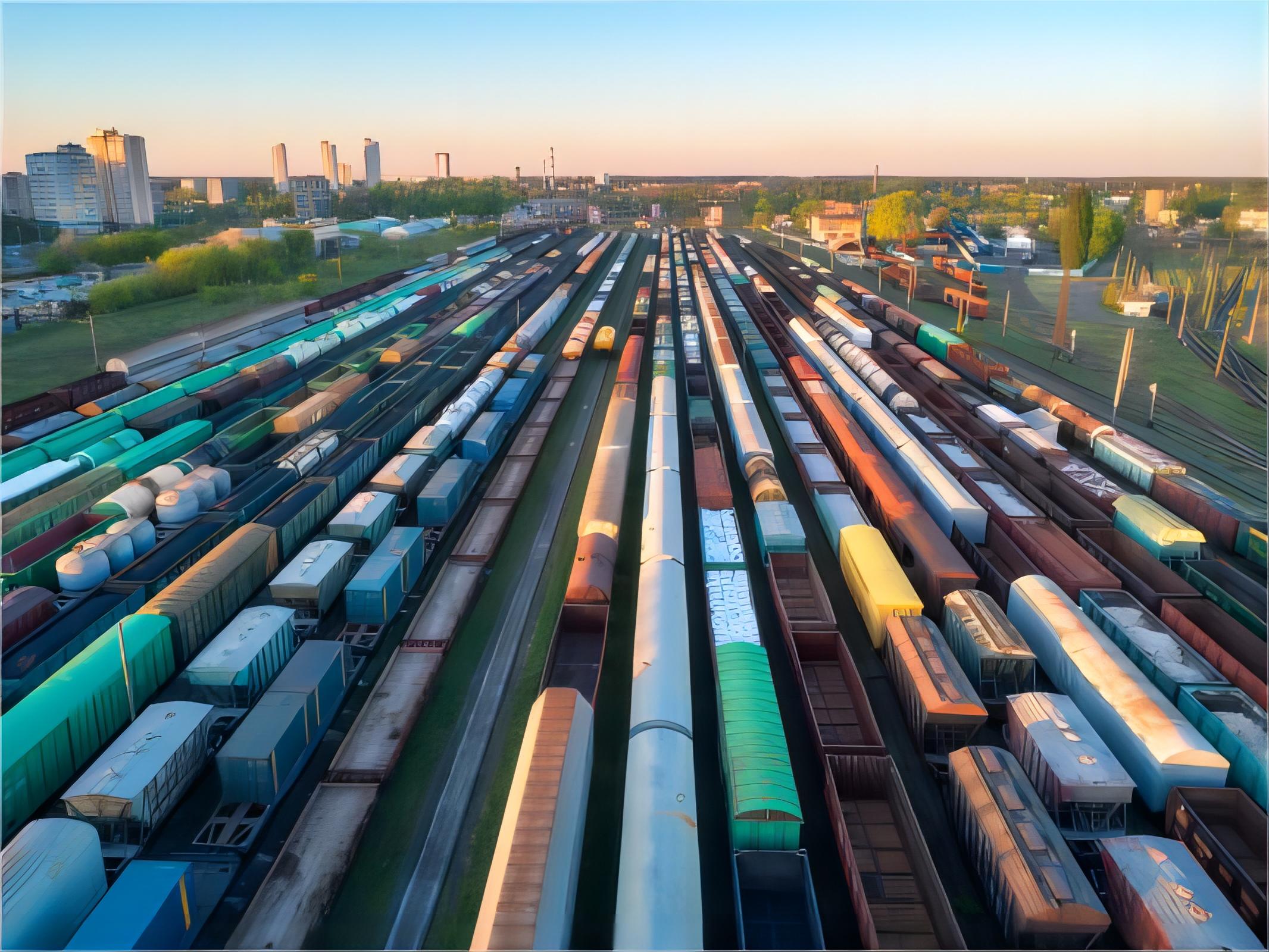
Less than Container Load (LCL) shipping, for example, consolidates multiple shipments into one container. This method is cost-effective for smaller volumes but generally has longer transit times due to consolidation and deconsolidation processes. In contrast, air freight provides unparalleled speed, ideal for urgent or high-value goods, but at a significantly higher cost. Furthermore, rail freight offers a balance between sea and air in terms of cost and speed, providing a viable option for inland European destinations.
Comparison of Shipping Methods: China to France
This table provides an objective analysis of viable alternatives for shipping from China to France. It highlights key differences in cost, speed, and suitability. Consequently, businesses can make informed decisions based on their specific requirements.
| Shipping Method | Cost Range (per 40HQ equivalent) | Transit Time (Port-to-Port) | Best For | Limitations |
|---|---|---|---|---|
| FCL Sea Freight | $3,000 – $4,200 | 28 – 35 days | Large volumes, non-urgent, cost-sensitive | Longer transit, port congestion risk |
| LCL Sea Freight | $50 – $80 per CBM | 35 – 45 days | Small volumes (under 15 CBM), flexible | More handling, potential delays, higher CBM rate |
| Rail Freight | $8,000 – $12,000 | 18 – 25 days | Mid-size volumes, faster than sea, cost-effective for central Europe | Limited rail terminals, capacity constraints |
| Air Freight | $15,000 – $25,000 | 5 – 7 days | Urgent, high-value, small volumes | Highest cost, volume/weight restrictions |
Alternative Shipping Strategies and Cost-Saving Tips
For optimizing your supply chain, consider hybrid solutions like sea-rail combinations. For instance, shipping by sea to a European hub and then by rail to France can balance cost and speed. Moreover, negotiating annual contracts with carriers or freight forwarders can secure better rates. Furthermore, consolidating orders to maximize container utilization for FCL shipments always reduces per-unit costs.
To save costs, booking well in advance and avoiding peak seasons (August-October) is advisable. Also, optimizing packaging to fit more goods into a container can prevent needing a larger or additional FCL unit. Additionally, exploring different port combinations may reveal more economical routes, even if slightly longer in transit. Always obtain multiple quotes to ensure competitive pricing for your `FCL logistics solutions`.
Which Option Should You Choose?
Your choice depends on your specific priorities. If budget is paramount and transit time is flexible, FCL sea freight is the ideal solution. Conversely, if speed is the highest priority, especially for high-value or perishable goods, air freight is indispensable.
For moderate urgency and a balance of cost and speed, particularly for shipments to central France, rail freight offers a compelling alternative. Ultimately, cargo type and volume thresholds are also critical. For example, if your cargo exceeds 15 CBM, FCL sea freight usually becomes more economical than LCL. Always evaluate these factors against your business needs.
Navigating FCL Freight Rates and Costs
Understanding the components of `FCL freight rates China France` is vital for budgeting and financial planning. These rates are dynamic, influenced by various global and local factors. Consequently, transparent pricing helps avoid unexpected expenses.
Typically, costs include ocean freight, BAF (Bunker Adjustment Factor), CAF (Currency Adjustment Factor), terminal handling charges (THC) at both origin and destination, and local charges like drayage. As of Q1 2025, freight rates from China to Europe have stabilized after the 2024 Red Sea disruptions, but remain susceptible to geopolitical events and seasonal demand. Rates typically increase 15-25% during the August-October peak season. For instance, typical rates for a 40HQ from China to France range from $3,000 to $4,200, based on current market rates. Always request a detailed quote to understand the full `total landed cost`.
Note: Freight rates are subject to change based on fuel costs, carrier capacity, and seasonal demand. Contact us for a current quote tailored to your specific shipment.
Essential Documentation and Customs Clearance for France
Proper documentation is non-negotiable for smooth `customs clearance France FCL`. Incomplete or incorrect paperwork can lead to significant delays and penalties. Therefore, meticulous preparation is key to efficient import/export operations. Customs brokerage services can greatly assist with this complex process.
Key documents typically include the Bill of Lading (B/L), commercial invoice, packing list, certificate of origin, and any required licenses or permits specific to your goods. For France, adherence to EU import regulations is mandatory, which includes VAT and duty calculations. Moreover, certain products may require specific certifications, such as CE marking for electronics or health certificates for food items. Ensuring all documents are accurate and submitted electronically via systems like ICS (Import Control System) for pre-arrival declarations is crucial.
Optimizing Your FCL Supply Chain: Expert Strategies
Achieving an optimized FCL supply chain involves more than just booking a container; it requires strategic planning and execution. Implementing best practices can significantly enhance efficiency and reduce overall costs. Consequently, a well-managed supply chain contributes to business success.

Firstly, partner with a freight forwarder who has extensive experience on the China-France route. They can offer valuable insights into carrier performance, route optimization, and potential challenges like `port congestion`. Secondly, utilize technology for tracking and real-time updates on your shipments, which improves visibility and allows for proactive problem-solving. Furthermore, consider door-to-door services to streamline the entire logistics process, from factory pickup in China to final delivery in France, reducing coordination complexities. Regularly reviewing your `delivery schedule` and `logistics trends` helps adapt to market changes.
Real-World FCL Shipping Scenarios to France
These case studies illustrate typical FCL shipping experiences from China to France, highlighting practical aspects and outcomes. They reflect `reliable FCL service China Europe` and the factors influencing transit time and cost. Based on Q3 2024 market rates, these examples provide realistic insights into international freight.
Case Study 1: Consumer Electronics from Shanghai to Le Havre
This shipment involved high-demand consumer electronics, requiring efficient and secure transport. The client prioritized a balance of cost and reasonable transit time. The direct route minimized transshipment risks, ensuring cargo integrity.
| Detail | Value |
|---|---|
| Route | Shanghai, China -> Le Havre, France |
| Cargo | Consumer Electronics, 60 CBM, 15,000 kg |
| Container | 1 x 40HQ |
| Carrier/Service | COSCO (Direct Service) |
| Port of Loading | Shanghai |
| Port of Discharge | Le Havre |
| Route Type | Direct |
| Ocean Freight | $3,850 |
| Origin Charges | $450 |
| Destination Charges | $380 |
| Customs & Duties (estimated) | $1,200 |
| Total Landed Cost | $5,880 |
| Booking to Loading | 5 days |
| Sea Transit | 30 days |
| Customs Clearance | 2 days |
| Total Door-to-Door | 37 days |
| Key Insight | Direct service minimized transit time and handling, crucial for sensitive electronics. |
Case Study 2: Textile Goods from Shenzhen to Marseille
A fashion brand needed to import a large volume of textiles for their upcoming season. Cost-efficiency was a primary concern, alongside a predictable delivery schedule. The chosen route balanced cost and a reasonable `transit time China France FCL`.
| Detail | Value |
|---|---|
| Route | Shenzhen, China -> Marseille, France |
| Cargo | Textile Goods, 65 CBM, 12,000 kg |
| Container | 1 x 40HQ |
| Carrier/Service | MSC (Transshipment Service) |
| Port of Loading | Shenzhen |
| Port of Discharge | Marseille |
| Route Type | Transshipment via Singapore |
| Ocean Freight | $3,500 |
| Origin Charges | $420 |
| Destination Charges | $360 |
| Customs & Duties (estimated) | $1,050 |
| Total Landed Cost | $5,330 |
| Booking to Loading | 6 days |
| Sea Transit | 32 days |
| Customs Clearance | 3 days |
| Total Door-to-Door | 41 days |
| Key Insight | Transshipment offered a competitive rate, acceptable for non-urgent textile imports. |
Case Study 3: Industrial Machinery from Ningbo to Fos-sur-Mer
An industrial client required shipping heavy machinery, demanding robust cargo handling and precise scheduling. The FCL solution provided the necessary capacity and security for oversized items. This shipment highlighted the importance of specialized freight services.
| Detail | Value |
|---|---|
| Route | Ningbo, China -> Fos-sur-Mer, France |
| Cargo | Industrial Machinery, 50 CBM, 25,000 kg |
| Container | 1 x 40GP (Heavy Payload) |
| Carrier/Service | Maersk (Direct Service) |
| Port of Loading | Ningbo |
| Port of Discharge | Fos-sur-Mer |
| Route Type | Direct |
| Ocean Freight | $3,950 |
| Origin Charges | $480 |
| Destination Charges | $400 |
| Customs & Duties (estimated) | $1,500 |
| Total Landed Cost | $6,330 |
| Booking to Loading | 7 days |
| Sea Transit | 31 days |
| Customs Clearance | 2 days |
| Total Door-to-Door | 40 days |
| Key Insight | Direct route and heavy payload container ensured safe and timely delivery for critical machinery. |
Choosing the Right FCL Partner for Your French Imports
Selecting a competent freight forwarder is paramount for successful `professional FCL shipping from China to France`. A reliable partner streamlines complex logistics, saving you time and potential headaches. Therefore, due diligence in choosing your logistics provider is crucial.
Look for a partner with extensive experience on this specific trade lane, strong relationships with major carriers, and a comprehensive understanding of both Chinese export and French import regulations. Furthermore, transparency in pricing, excellent communication, and proactive problem-solving are indicators of a quality service provider. A reputable forwarder like China Top Freight can offer end-to-end solutions, ensuring your goods arrive safely and on schedule, managing everything from `cargo handling` to final delivery.
Conclusion
In summary, `professional FCL shipping from China to France` offers a robust and efficient solution for businesses importing large volumes of goods. By understanding the nuances of FCL, comparing it with other modes, and navigating costs and documentation, importers can optimize their supply chains. Partnering with an experienced freight forwarder is essential for a seamless and successful shipping experience. Ultimately, informed decisions lead to significant advantages in the competitive global market.
Need a tailored shipping solution?
Ready to streamline your FCL shipments from China to France? Contact our experts today for a personalized quote and discover how our professional logistics solutions can benefit your business. Let us handle the complexities, so you can focus on your core operations.