

- By kelly
- October 30, 2025
- Logistics, Tips or Guide
Professional FCL Shipping from Shenzhen to Netherlands
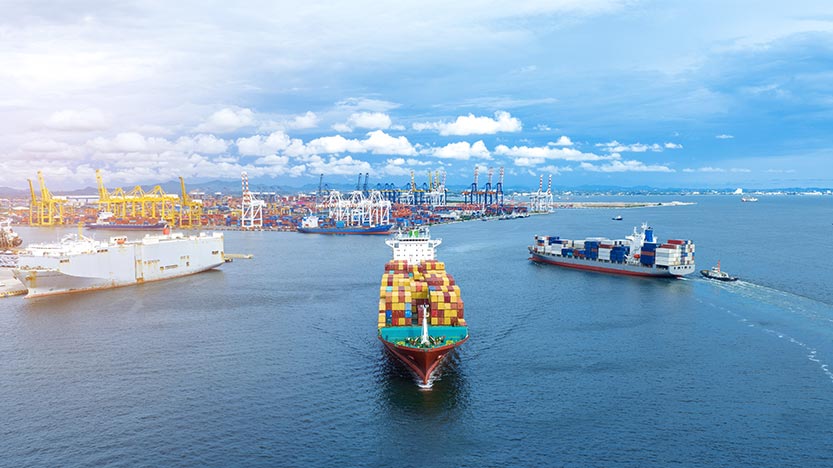
Shipping between China and Europe is a cornerstone of international trade. For businesses moving large volumes of goods, professional FCL shipping from Shenzhen to Netherlands provides a cost-effective, secure, and efficient solution. With Shenzhen’s robust export infrastructure and the Netherlands’ strategic gateway through Rotterdam, this route ensures smooth supply chain management and timely delivery across Europe.
1. Why Choose Professional FCL Shipping from Shenzhen to Netherlands?
Full Container Load (FCL) shipping offers exclusive use of a container, meaning your cargo is not shared with other shippers. This improves security, reduces handling, and provides predictable costs.
Key reasons to choose FCL:
- Lower per-unit cost for bulk shipments.
- Reduced risk of cargo damage or contamination.
- Faster processing at ports compared to LCL.
- Simplified customs procedures with complete documentation.
2. How Long Does FCL Shipping Take from Shenzhen to Netherlands?
Transit times vary depending on the port of departure in Shenzhen and final destination in the Netherlands, as well as customs clearance.
| Route | Estimated Transit Time | Notes |
|---|---|---|
| Shenzhen → Rotterdam | 28–35 days | Direct shipping route |
| Shenzhen → Amsterdam | 30–36 days | Often via transshipment |
| Shenzhen → Antwerp (via Rotterdam) | 32–38 days | Additional inland transport required |
3. What Are the Costs of Professional FCL Shipping?
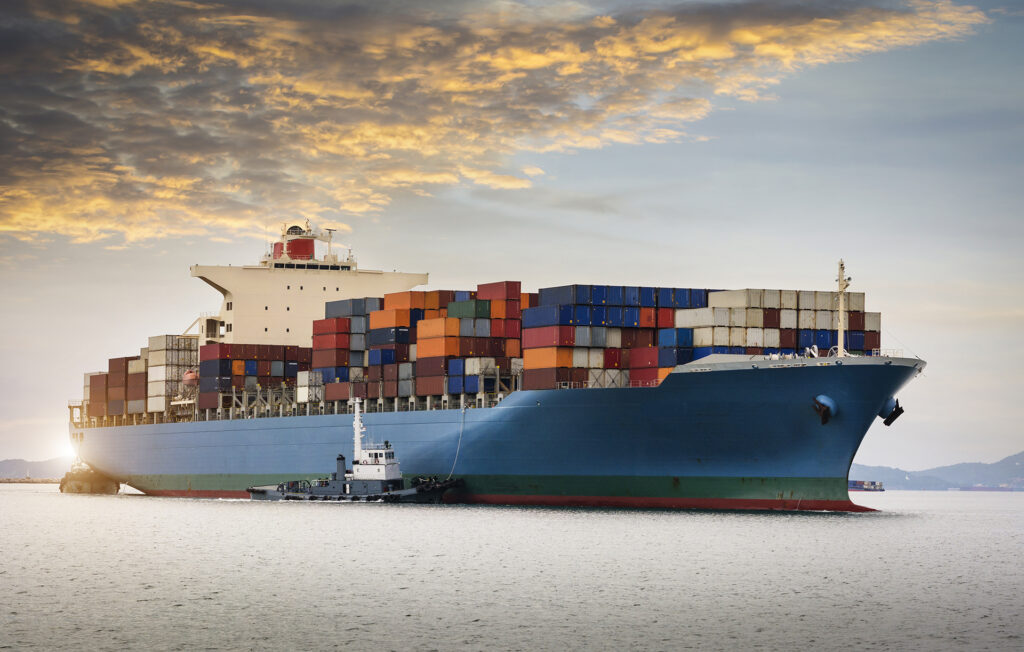
Costs depend on container size, shipping line, and seasonal surcharges.
| Container Type | Average Rate (USD) | Best Use Case |
|---|---|---|
| 20ft Standard | $2,200 – $3,000 | Small to medium loads |
| 40ft Standard | $3,800 – $5,200 | Larger cargo, cost-efficient |
| 40ft High Cube | $4,100 – $5,600 | Bulky, lightweight goods |
| Reefer 40ft | $5,500 – $7,500 | Perishable cargo requiring refrigeration |
4. What Documents Are Required for Customs Clearance?
Shipping from China to the EU requires detailed documentation to avoid delays.
| Document | Purpose |
|---|---|
| Commercial Invoice | Declares product value, HS codes, and terms of sale. |
| Packing List | Lists cargo dimensions, weight, and packaging details. |
| Bill of Lading (B/L) | Official contract between shipper and carrier. |
| Certificate of Origin | Verifies product origin for tariff classification. |
| Import Licenses | Required for restricted goods (chemicals, food, textiles). |
| EORI Number | Mandatory for EU importers to clear customs. |
5. How Does FCL Compare with Other Shipping Methods?
| Method | Cost Level | Transit Time | Pros | Cons |
|---|---|---|---|---|
| FCL Shipping | Low (per unit) | 28–35 days | Secure, cost-efficient for bulk cargo | Long lead times |
| LCL Shipping | Moderate | 32–40 days | Flexible for small shipments | Delays from consolidation |
| Air Freight | High | 5–8 days | Fastest, reliable | Expensive |
| Rail Freight | Medium | 18–22 days | Eco-friendly, faster than sea | Limited space, higher costs |
| Express Courier | Very High | 3–5 days | Door-to-door, fast | Not suitable for bulk cargo |
6. Which Ports Handle FCL Shipments to Netherlands?
- Shenzhen Port (Yantian, Shekou, Chiwan): Major origin hubs with strong FCL capacity.
- Port of Rotterdam: Europe’s largest seaport, main entry point for FCL cargo.
- Port of Amsterdam: Secondary entry point, ideal for specialized cargo.
- Inland Terminals: Antwerp or Duisburg may serve as alternative inland gateways.
7. What Types of Goods Are Commonly Shipped via FCL?
- Electronics: Consumer goods, computer hardware, and components.
- Machinery: Industrial equipment and auto parts.
- Textiles & Fashion: Garments and footwear.
- Furniture: Bulky shipments requiring full container space.
- Food Products: Shipped via reefer containers for freshness.
8. How Can Businesses Optimize FCL Shipping Costs?
- Book during off-peak seasons to avoid rate surcharges.
- Use 40ft containers for maximum space efficiency.
- Consolidate multiple orders into one shipment.
- Partner with experienced freight forwarders for contract rates.
- Ensure accurate documentation to prevent customs delays.
9. What Are the Customs Duties and Taxes for the Netherlands?
- Customs Duty: Based on HS codes (0–20% depending on product).
- VAT: Standard rate is 21%, applied to CIF (Cost + Insurance + Freight) value.
- Excise Duties: Applied on alcohol, tobacco, and fuel products.
10. What Are the Pros and Cons of FCL Shipping?
| Pros | Cons |
|---|---|
| Cost-effective for bulk cargo | Longer transit times |
| Secure and private container | Higher upfront costs than LCL |
| Predictable delivery schedule | Limited flexibility for small shippers |
| Simplified customs process | Requires warehousing for large loads |
📦Get a Free Quote
When your company needs secure and large-scale logistics solutions, professional FCL shipping from Shenzhen to Netherlands ensures reliability and long-term cost savings. A trusted partner can help you navigate customs, secure competitive rates, and deliver your cargo efficiently through Rotterdam or other EU entry points.
❓ Frequently Asked Questions
1. How long does professional FCL shipping from Shenzhen to Netherlands take?
Typically 28–35 days, depending on port congestion and customs clearance efficiency.
2. What is the cheapest way to ship bulk goods from China to Netherlands?
FCL shipping is the most cost-efficient option for large cargo volumes compared to LCL or air freight.
3. Do I need an EORI number to import goods into the Netherlands?
Yes, an EORI number is required for all EU imports to clear customs smoothly.
4. Can I ship refrigerated cargo via FCL to the Netherlands?
Yes, reefer containers are available for perishable goods like food, seafood, or pharmaceuticals.
5. Which shipping line is most reliable for this route?
Major carriers like Maersk, COSCO, MSC, and Hapag-Lloyd offer strong Shenzhen–Rotterdam connections.
Conclusion
The professional FCL shipping from Shenzhen to Netherlands route is one of the most reliable options for bulk exporters. With predictable costs, secure cargo handling, and access to Europe’s busiest port, this method is ideal for companies managing consistent supply chains. By preparing accurate documents, understanding customs requirements, and choosing the right logistics partner, businesses can streamline operations and achieve long-term efficiency.