

Handling import customs China to Italy can be complex due to strict EU regulations, documentation requirements, and duty calculations. However, with professional logistics planning and the right customs strategy, businesses can avoid delays, reduce costs, and ensure seamless clearance for their shipments between China and Italy.

1. What Does Import Customs China to Italy Mean?

Import customs refers to the procedures and taxes imposed by Italian authorities on goods entering from China. Every imported product must go through customs clearance, where duties, VAT, and inspection fees are assessed.
Key Customs Objectives:
- Verify product classification and value
- Ensure compliance with EU import laws
- Apply correct duties and VAT rates
- Prevent smuggling or under-declaration
Long-tail keywords: import clearance China to Italy, Italian customs process, EU import tax guide, VAT handling Italy import, freight compliance China Italy.
2. Why Is Customs Clearance Important for Importers?
Efficient customs clearance guarantees that goods enter Italy legally and without penalty. Moreover, importers who manage customs correctly save time, avoid fines, and maintain smooth supply chain operations.
Benefits of Proper Customs Handling:
- Prevent shipment delays and inspections
- Ensure accurate duty and VAT calculations
- Strengthen trade credibility
- Optimize logistics costs
Semantic keywords: supply chain optimization, customs regulation, import logistics, border control, duty management.
3. What Are the Main Import Duties and Taxes from China to Italy?
Italy, as part of the European Union, applies the EU Common Customs Tariff (CCT) on all imports. Duties are calculated based on the CIF value (Cost + Insurance + Freight).
| Charge Type | Rate | Description |
|---|---|---|
| Import Duty | 0–12% (depends on HS code) | Based on product classification |
| VAT | 22% | Applied on CIF value + duty |
| Customs Brokerage Fee | €25–€75 | Charged by customs agents |
| Anti-Dumping Duty | Case-specific | Certain products like steel, solar panels |
Example Calculation:
If your shipment’s CIF value is €10,000 and duty is 5%, then:
- Duty = €500
- VAT = 22% × (€10,000 + €500) = €2,310
- Total Import Cost = €12,810
Long-tail keywords: customs duty calculation Italy, import tax China Italy, HS code EU, tariff rates Italy, VAT import formula.
4. What Documents Are Required for Customs Clearance?
Accurate documentation ensures your goods clear customs quickly. Missing or incorrect documents often lead to costly delays.
| Document | Purpose |
|---|---|
| Commercial Invoice | Declares value and buyer/seller details |
| Packing List | Specifies cargo weight, dimensions, and contents |
| Bill of Lading / Air Waybill | Proof of transport |
| Certificate of Origin | Confirms goods’ origin for tariff purposes |
| Import Declaration (SAD Form) | Submitted electronically via EU customs portal |
| EORI Number | Unique ID for all EU importers |
Semantic keywords: customs paperwork, EU documentation, import license, shipping compliance, export documentation China.
5. What Are the Shipping Methods for Imports from China to Italy?
The choice of transport mode affects total cost, customs timing, and duty handling.
| Mode | Transit Time | Cost Level | Best For |
|---|---|---|---|
| Air Freight | 5–8 days | High | Urgent or high-value goods |
| Sea Freight (FCL/LCL) | 25–35 days | Low | Bulk or heavy cargo |
| Rail Freight | 16–22 days | Medium | Balanced time and cost |
| Express Courier | 3–7 days | Highest | Small parcels or eCommerce |
Long-tail keywords: sea freight China to Italy, air cargo import Italy, rail freight Europe China, logistics shipping time, import delivery speed.
Are you ready to book?
Access live instant freight quotes
6. How Are HS Codes Used in Italian Customs?
The HS Code (Harmonized System) determines the duty rate and import restrictions for your product.
| Product | HS Code | Duty Rate |
|---|---|---|
| Textile fabrics | 5208.42 | 8% |
| Electronic goods | 8542.31 | 0–5% |
| Furniture | 9403.10 | 2–6% |
| Footwear | 6403.59 | 17% |
You can verify your HS code on the TARIC (Integrated Tariff of the European Communities) database.
Semantic keywords: product classification, tariff lookup, customs code Italy, EU tariff database, duty management system.
7. What Are Common Customs Procedures for China–Italy Imports?
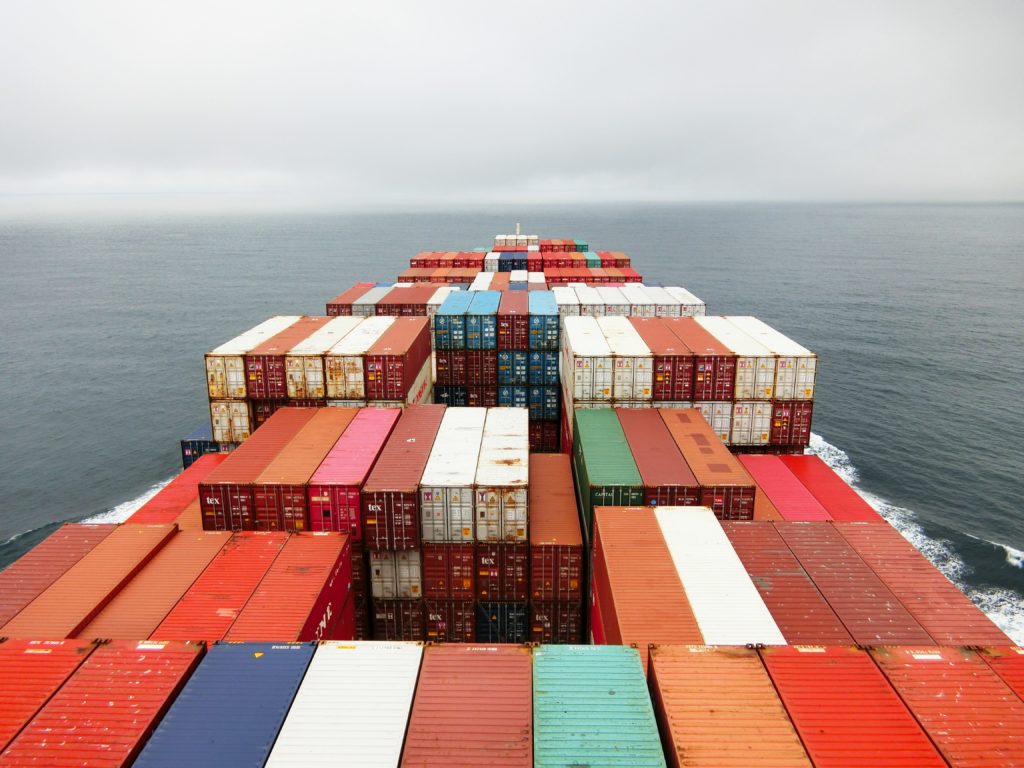
Every shipment undergoes a specific customs process:
Step 1: Pre-Arrival
The importer or forwarder submits electronic entry declaration (ENS) and invoices before goods arrive.
Step 2: Arrival Inspection
Italian customs check documentation and cargo weight.
Step 3: Duty & VAT Calculation
Based on CIF and HS codes, customs apply charges.
Step 4: Release or Hold
If everything is compliant, goods are released; otherwise, customs may inspect further.
Long-tail keywords: EU customs clearance steps, import inspection Italy, customs workflow, import clearance guide.
8. How Long Does Customs Clearance Take in Italy?
The clearance timeline varies depending on the transport mode and documentation accuracy.
| Transport Mode | Average Clearance Time | Potential Delay Reasons |
|---|---|---|
| Air Freight | 1–2 days | Invoice mismatch, duty error |
| Sea Freight | 3–5 days | Port congestion |
| Rail Freight | 2–3 days | Cross-border checks |
| Express Courier | 1 day | Minimal paperwork |
9. What Are Common Challenges in Import Customs from China to Italy?
Importers often encounter:
- Misclassification of HS codes
- Under-declared values triggering audits
- Missing EORI registration
- Incomplete certificates of origin
- VAT payment delays
However, working with professional freight forwarders and customs brokers eliminates these issues through verified compliance management.
Long-tail keywords: customs mistakes, import risk management, compliance audit, trade documentation issues, customs troubleshooting.
10. How to Handle VAT for Imports from China to Italy?
VAT must be paid during customs clearance unless the importer is VAT-registered and eligible for postponed accounting.
| Option | Description | Who Benefits |
|---|---|---|
| Standard VAT Payment | Paid upon import entry | All importers |
| Deferred VAT (Postponed Accounting) | Pay later via VAT return | VAT-registered companies |
| DDP Service | Freight forwarder pays all charges upfront | Buyers preferring all-inclusive pricing |
Long-tail keywords: import VAT Italy, deferred VAT scheme, DDP shipping, customs VAT refund, EU VAT compliance.
Conclusion
Successfully managing import customs China to Italy is vital for cost efficiency and regulatory compliance. Therefore, understanding duty calculation, VAT payment, and documentation requirements helps importers avoid costly errors. Partnering with a trusted freight forwarder like ChinaTopFreight ensures your goods are cleared quickly and legally—saving time, money, and stress.
FAQ
1. How much duty will I pay when importing from China to Italy?
Duties range between 0–12%, depending on your product’s HS code, while VAT is 22% of the total CIF + duty value.
2. Can I import from China to Italy without a customs broker?
Yes, but it’s not recommended. Customs brokers simplify compliance, documentation, and communication with Italian customs authorities.
3. Do I need an import license for all goods?
Not all products require licenses. However, restricted goods like pharmaceuticals, chemicals, or electronics need import approval.
4. How long does it take to clear customs in Italy?
Most shipments clear within 2–5 business days, provided documentation is accurate and duties are paid promptly.
5. What is an EORI number and why is it needed?
The EORI (Economic Operator Registration and Identification) number is required for any company importing or exporting within the EU.