

- By carlie tj
- October 30, 2025
- Tips or Guide, Transport
International trade requires efficient transport options that balance cost, speed, and reliability. Choosing professional rail freight from China to Belgium provides businesses with a strong middle ground between slow sea freight and expensive air cargo. With China Top Freight, importers benefit from secure transit, predictable schedules, and expert customs handling to ensure smooth deliveries across Europe.
1. What Is Rail Freight and Why Is It Important for China–Belgium Trade?
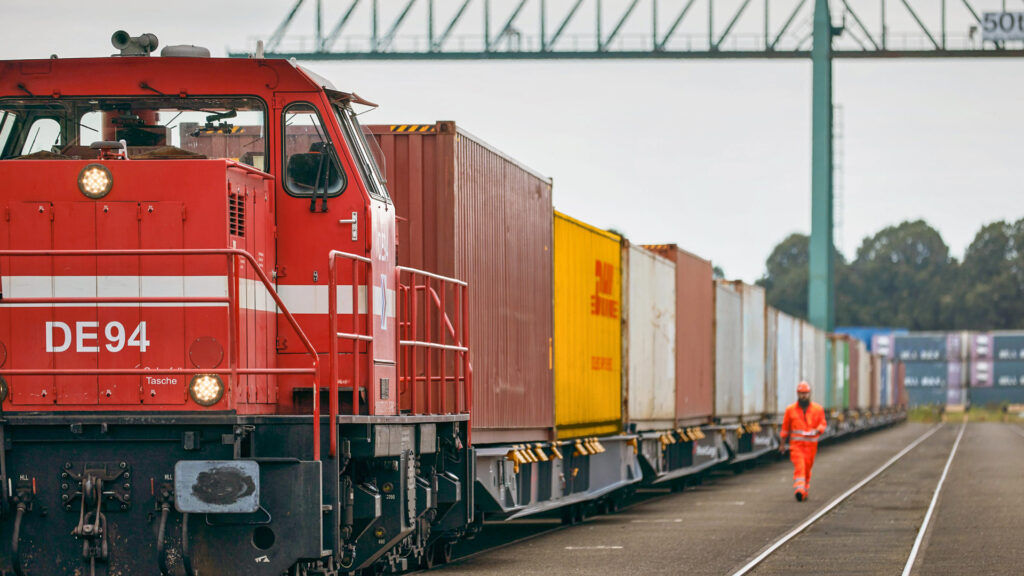
Rail freight leverages the China–Europe railway network, connecting industrial hubs in China with logistics centers in Belgium. It is faster than sea shipping and significantly cheaper than air freight. Moreover, rail freight is eco-friendly, offering reduced carbon emissions compared to other modes, aligning with global sustainability goals.
2. How Does Rail Freight from China to Belgium Operate?
The process typically follows these steps:
- Cargo collection and consolidation at Chinese terminals.
- Containers loaded onto block trains for Europe.
- Transit through Central Asia, Russia, and Eastern Europe.
- Arrival at Belgian rail hubs like Liège or Antwerp.
- Customs clearance and last-mile delivery to consignee.
Additionally, many routes integrate with European trucking networks, ensuring wider coverage beyond Belgium.
3. Why Should You Choose Professional Rail Freight Services?
- Expert coordination: Professionals handle booking, routing, and customs.
- Fewer delays: Knowledgeable providers reduce risks of border holdups.
- Cost transparency: Clear rates for both LCL and FCL shipments.
- Added services: Warehousing, insurance, and multimodal solutions.
Therefore, professional management ensures better reliability compared to ad-hoc shipping.
4. How Much Does Rail Freight from China to Belgium Cost?
Rates vary by season, cargo volume, and service level. Below is a comparison:
| Mode | Cost Estimate | Transit Time | Pros | Cons |
|---|---|---|---|---|
| Rail Freight | $7,000–$9,000 per 40ft | 18–22 days | Fast, secure, eco-friendly | Slightly higher than sea |
| Sea Freight | $2,000–$3,500 per 40ft | 30–40 days | Cheapest for bulk | Long transit times |
| Air Freight | $6–$12 per kg | 5–10 days | Fastest option | Very expensive |
| Express Courier | $7–$15 per kg | 3–7 days | Door-to-door convenience | Not viable for heavy loads |
Note: Prices change due to fuel surcharges, demand, and route conditions.
5. Which Rail Routes Connect China to Belgium?
- Xi’an → Liège: One of the most reliable routes.
- Chongqing → Antwerp: Popular for electronics and machinery.
- Wuhan → Brussels: Strong for industrial goods.
- Yiwu → Liège: Suitable for textiles and consumer products.
Moreover, Belgium serves as a gateway for distribution to France, Netherlands, and Germany.
6. How Is Customs Clearance Managed in Belgium?
Belgium applies EU customs standards. Importers must:
- Declare goods under correct HS codes.
- Pay duties and VAT upon entry.
- Provide quarantine or compliance certificates when required.
- Ensure packaging and labeling meet EU standards.
Therefore, hiring a professional forwarder ensures full compliance and faster release.
7.Conclusion
Opting for professional rail freight from China to Belgium allows businesses to strike the right balance between cost and efficiency. With predictable schedules, customs expertise, and eco-friendly transport, it is a powerful alternative to both sea and air freight. Ultimately, partnering with a professional logistics provider ensures smoother operations, reduced risks, and improved supply chain performance.
8. Request a Quote
China Top Freight offers:
- ✅ Origin and Destination Countries
- ✅ Cargo Type and Volume
- ✅ Preferred Transport Method (Air, Sea, Rail, Road)
- ✅ Delivery Timeline
- ✅ Special Handling Requirements (if any)
9. FAQ
Q1: How often do trains run from China to Belgium?
Rail operators schedule weekly departures from major Chinese cities, ensuring consistent and predictable service for European importers.
Q2: What cargo types are ideal for rail freight?
Rail works best for electronics, textiles, machinery, and automotive goods. Hazardous and perishable cargo often require specialized handling.
Q3: Can rail freight be combined with trucking in Europe?
Yes, rail is frequently paired with trucking to complete door-to-door deliveries across Belgium and surrounding EU countries.
Q4: What is the minimum cargo size for rail shipments?
Most providers require at least one cubic meter, making it affordable for both small and medium-sized shipments.
Q5: How secure is cargo transported by rail?
Containers are sealed and monitored along the route, minimizing risks of theft or damage during international transit.