

- By kelly
- October 30, 2025
- Logistics, Tips or Guide
Professional Rail Freight from Shenzhen to Belgium
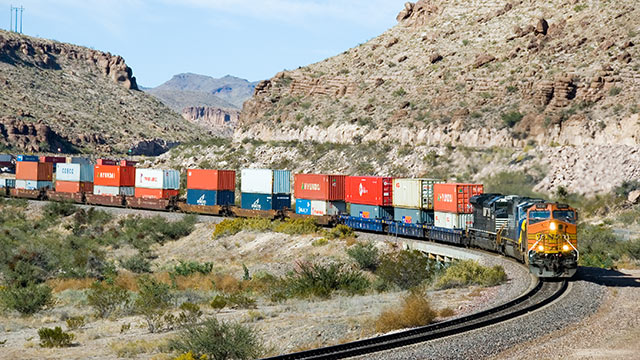
For businesses trading between Asia and Europe, shipping options can significantly influence supply chain performance. Sea freight is economical but slow, while air freight is fast but expensive. Fortunately, the rise of China–Europe rail links offers a balanced alternative. Companies choosing professional rail freight from Shenzhen to Belgium benefit from faster transit times than ocean shipping, lower costs than air, and reliable customs clearance when working with experienced providers.
1. Why Choose Rail Freight for Shipments to Belgium?
Rail freight has become a strategic mode of transport under the Belt and Road Initiative. For Belgian importers and European distributors, it provides:
- Faster transit than sea (18–22 days).
- Lower costs compared to air cargo.
- Sustainability benefits, reducing carbon emissions.
- Strategic entry into Europe via Belgium’s logistics hub.
2. How Long Does Rail Freight from Shenzhen to Belgium Take?
Transit times depend on routing, consolidation, and customs checks.
| Shipping Method | Transit Time (Shenzhen → Belgium) | Clearance Time | Notes |
|---|---|---|---|
| Rail Freight (FCL/LCL) | 18–22 days | 2–4 days | Stable schedules via Yiwu–Duisburg–Antwerp routes |
| Sea Freight | 32–40 days | 3–6 days | Cheaper but slow |
| Air Freight | 5–8 days | 1–2 days | Fastest but costly |
| Express Courier | 3–5 days | 1 day | Limited capacity |
| Multimodal (Rail + Truck) | 20–25 days | 2–4 days | Rail into Europe, last-mile trucking |
3. What Documents Are Required for Rail Freight to Belgium?
Documentation is critical for fast customs clearance under EU regulations.
| Document | Purpose |
|---|---|
| Commercial Invoice | Lists product details, HS codes, and declared values. |
| Packing List | Provides weights, dimensions, and packaging details. |
| Rail Waybill | Proof of carriage via railway network. |
| Certificate of Origin | May reduce duties under trade agreements. |
| Import Licenses | Needed for restricted goods like chemicals or medical supplies. |
| EUR.1 Movement Certificate | Supports preferential tariff rates for eligible products. |
4. How Much Does Rail Freight Cost Compared to Other Modes?
Costs vary depending on cargo type, season, and rail availability.
| Mode | Cost Estimate | Transit Time | Pros | Cons |
|---|---|---|---|---|
| Rail Freight | USD 4–7/kg | 18–22 days | Faster than sea, cheaper than air | Limited routes, less flexible |
| Sea Freight | USD 1,800–3,200/40’ | 32–40 days | Low cost, high capacity | Long lead times |
| Air Freight | USD 5–9/kg | 5–8 days | Fast, reliable | Expensive |
| Express Courier | USD 8–15/kg | 3–5 days | Door-to-door convenience | High cost, limited weight |
5. Why Belgium Is a Key Rail Freight Destination?
Belgium plays a vital role in European logistics:
- Port of Antwerp-Bruges: One of Europe’s largest ports, rail-linked with major hubs.
- Central location: Easy access to Germany, Netherlands, and France.
- Rail terminals: Liege, Genk, and Antwerp support China–Europe trains.
- EU integration: Simplifies customs for intra-European distribution.
6. How Do You Ensure Professional Rail Freight Services?
When selecting a logistics partner for rail freight:
- Confirm experience with China–Europe rail routes.
- Check for customs brokerage expertise in both China and Belgium.
- Look for end-to-end tracking systems.
- Compare FCL and LCL rail options.
- Assess additional last-mile delivery services within the EU.
7. Customs Duties and Taxes for Imports into Belgium
Belgium applies standard EU customs rules.
| Charge Type | Typical Rate | Notes |
|---|---|---|
| Import Duty | 0–12% depending on HS classification | Many goods benefit from low or zero tariffs |
| VAT (BTW/TVA) | 21% standard, 6–12% reduced | Applied on CIF + duty value |
| Broker Fees | €50–200 per shipment | For customs entry and clearance |
| Rail Terminal Charges | €100–250 per container share | Handling and inspection costs |
8. Rail Freight vs Sea vs Air: Which Is Best?
| Mode | Best For | Strengths | Weaknesses |
|---|---|---|---|
| Rail Freight | Medium-volume, time-sensitive cargo | Balanced speed and cost, eco-friendly | Limited network |
| Sea Freight | High-volume, low-cost cargo | Cheapest per unit, high capacity | Long transit |
| Air Freight | Urgent, high-value cargo | Fastest, reliable schedules | Expensive |
| Courier | Small parcels or samples | Simplest, fast customs clearance | Not economical for bulk |
9. What Challenges Exist with Rail Freight?
- Limited capacity during peak seasons.
- Weather disruptions on long transcontinental routes.
- Multiple borders increase customs complexity.
- Higher costs than sea freight for large volumes.
- Terminal congestion in Europe’s busiest hubs.
10. How Can Businesses Avoid Delays with Rail Freight?
- Work with professional forwarders managing EU-bound rail cargo.
- Ensure accurate HS codes and commercial invoices.
- Pre-pay VAT and duties to reduce clearance time.
- Use secure packaging for long-distance rail journeys.
- Monitor shipments with real-time tracking systems.
📦Get a Free Quote
Professional planning makes all the difference in rail freight. By choosing professional rail freight from Shenzhen to Belgium, businesses enjoy a reliable alternative to sea and air shipping. Whether moving electronics, textiles, auto parts, or consumer goods, rail combines speed, cost efficiency, and environmental sustainability. Contact us today for customized rail freight solutions at competitive rates.
❓ Frequently Asked Questions
1. How long does rail freight from Shenzhen to Belgium take?
Usually 18–22 days, depending on route and customs processing at EU entry points.
2. How much does rail freight cost per kilogram?
Between USD 4–7/kg, cheaper than air freight but more expensive than sea freight.
3. Can small shipments use rail freight?
Yes, LCL rail allows smaller loads, ideal for SMEs or trial shipments.
4. Do I need a customs broker in Belgium?
Yes, brokers ensure compliance with EU laws, VAT, and duties for faster clearance.
5. What goods are best suited for rail freight?
Electronics, machinery, textiles, auto parts, and medium-volume consumer products.
Conclusion
The professional rail freight from Shenzhen to Belgium route bridges Asia and Europe with efficiency and reliability. It provides a faster option than sea freight and a more affordable solution than air. With the right documentation, trusted logistics partners, and customs expertise, businesses can streamline supply chains, reduce delays, and deliver cargo to European markets with confidence.