

As supply chains become more time-sensitive and cost-focused, many companies rely on professional rail freight from Shenzhen to Germany to balance efficiency and affordability. Rail freight is faster than sea transport yet cheaper than air freight, making it ideal for businesses needing dependable delivery without excessive costs. With experienced logistics partners, importers benefit from secure handling, predictable schedules, and smooth customs clearance along the China–Europe rail corridor.
1. Why Choose Rail Freight from Shenzhen to Germany?
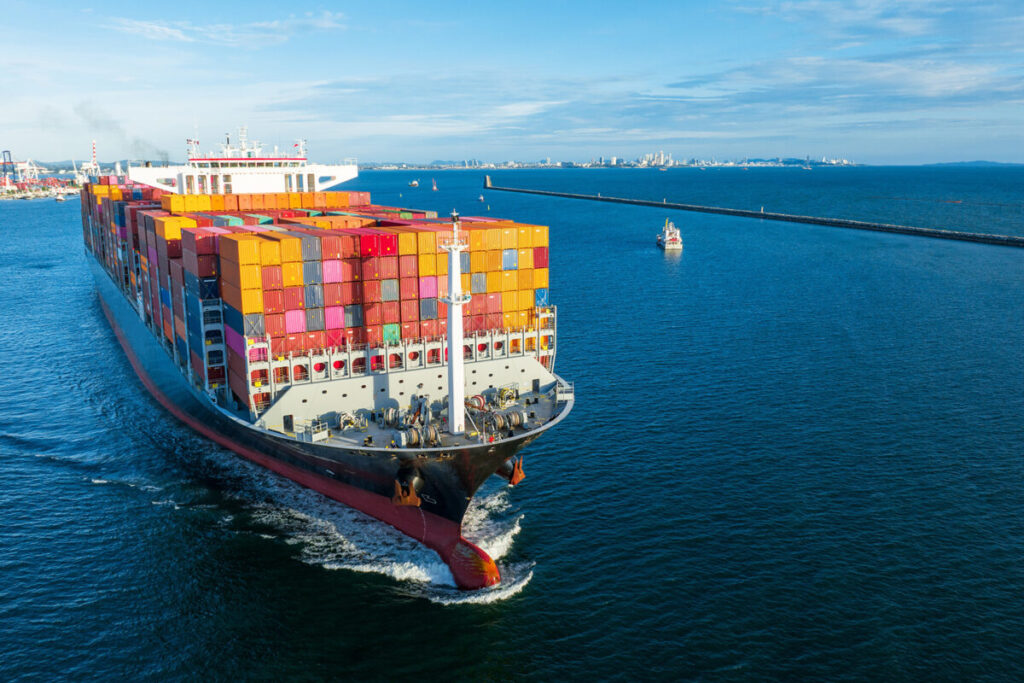
Rail freight offers a strategic middle ground. While sea freight can take over a month, rail connections from China to Germany average only 15–20 days. Moreover, compared to air freight, costs are significantly lower, making it the best choice for companies balancing urgency and budget.
2. How Long Does Rail Freight from Shenzhen to Germany Take?
Transit times vary depending on the exact route and customs processing speed:
| Route Type | Transit Time | Notes |
|---|---|---|
| Standard Rail | 18–22 days | Most cost-effective, slightly longer |
| Express Rail | 15–18 days | Faster delivery, higher cost |
| Air Freight | 5–7 days | Expensive but quickest |
| Sea Freight | 30–40 days | Cheapest, but very slow |
3. What Types of Cargo Suit Professional Rail Freight?
- Electronics and IT equipment
- Automotive components
- Industrial machinery
- Consumer retail goods
- Fashion and textile products
- Medical equipment and pharmaceuticals (special containers available)
Because of reduced handling, rail freight is also ideal for fragile or sensitive goods.
What are you waiting for?
Contact chinatopfreight for a fast, free quote.
Are you ready to book?
Access live instant freight quotes
4. How Much Does Rail Freight Cost from Shenzhen to Germany?
| Container Type | Approximate Cost | Notes |
|---|---|---|
| 20ft FCL | $5,500 – $6,300 | Ideal for smaller loads |
| 40ft FCL | $9,800 – $11,200 | Cost-effective for large shipments |
| LCL Cargo | $90 – $130/CBM | Best for small and medium enterprises |
Prices may vary due to fuel surcharges, seasonal demand, and carrier availability.
5. What Customs Documents Are Required?
| Document | Purpose |
|---|---|
| Commercial Invoice | Declares goods’ value and buyer/seller info |
| Packing List | Provides weight, volume, and cargo details |
| Rail Waybill | Contract of carriage for rail freight |
| Certificate of Origin | Identifies product origin country |
| Import/Export Declaration | Required for customs authorities |
Proper documentation ensures smooth clearance in both China and Germany.
6. How Does Rail Freight Compare with Other Shipping Modes?
| Factor | Rail Freight | Air Freight | Sea Freight |
|---|---|---|---|
| Transit Time | 15–22 days | 5–7 days | 30–40 days |
| Cost | Medium | High | Low |
| Reliability | High | High | Medium |
| Eco Impact | Low emissions | Highest emissions | Moderate emissions |
Therefore, rail freight is considered both environmentally friendly and dependable.
7. Do Peak Seasons Impact Rail Freight Rates?
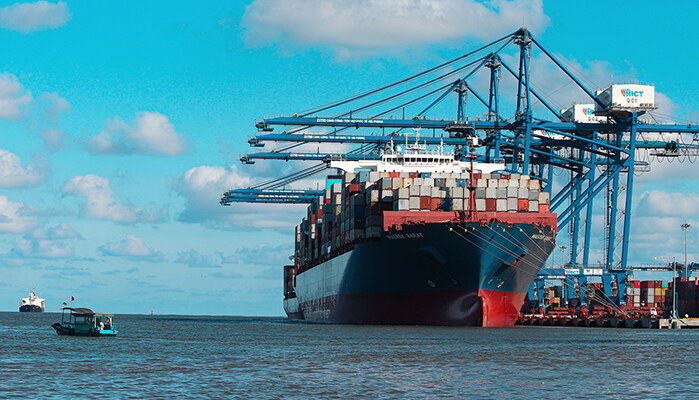
Yes. Just like sea and air freight, demand spikes before Chinese New Year, mid-year sales, and pre-Christmas. Booking early ensures space availability and avoids last-minute surcharges.
8. Can Small Businesses Use Rail Freight Services?
Absolutely. With LCL (Less than Container Load), small companies can share space with others, avoiding the cost of a full container while still enjoying reliable service.
9. What Are the Advantages of Professional Rail Freight?
- Predictable schedules with fewer delays than sea shipping
- Balanced pricing, cheaper than air and faster than sea
- High security with reduced risk of damage
- Environmentally friendly with lower carbon footprint
- Flexible options for FCL and LCL cargo
10. What Are the Challenges of Rail Freight to Germany?
- Higher cost than ocean freight
- Space limitations during peak seasons
- Requires accurate documentation to avoid customs delays
- Limited availability for oversized or hazardous goods
Conclusion
Choosing professional rail freight from Shenzhen to Germany ensures faster delivery than sea freight and lower costs than air shipping. With predictable transit times, reliable customs management, and eco-friendly transport, it is one of the most efficient solutions for importers. By working with experienced freight forwarders, businesses can secure competitive pricing, reduce risks, and maintain smooth supply chains. Rail freight provides the professional reliability needed for consistent China–Germany trade.
FAQ
Q1: Which German destinations are served by rail freight from Shenzhen?
Major hubs include Hamburg, Duisburg, and Munich, from which goods can be distributed across Germany and the rest of Europe.
Q2: Can hazardous goods be transported by rail freight?
Yes, but they require special permits, packaging, and compliance with international safety regulations to ensure safe handling and transportation.
Q3: Is cargo insurance recommended for rail freight shipments?
Yes, insurance protects goods against loss, theft, or damage during transit and provides peace of mind for shippers.
Q4: How does LCL rail freight pricing work?
Charges are based on the cargo’s volume (CBM) or weight, whichever is greater, making it flexible for smaller shipments.
Q5: Are refrigerated containers available for rail freight?
Yes, reefer containers are available for temperature-sensitive goods such as pharmaceuticals, perishable foods, and chemicals.