

When businesses require professional sea freight from China to Australia, they need affordable pricing, reliable carriers, and seamless customs clearance. Partnering with China Top Freight provides importers with customized solutions, contract rates, and expert support, ensuring smooth deliveries from Chinese factories to Australian ports.
1. Why Choose Professional Sea Freight from China to Australia?
Sea freight is the backbone of trade between China and Australia. It is the most economical choice for bulk shipments, offering lower per-unit costs compared to air freight. Moreover, it provides flexibility in container sizes, reliable carrier schedules, and end-to-end supply chain visibility that businesses can depend on.
2. How Long Does Professional Sea Freight from China to Australia Take?
Transit times vary depending on the departure port, destination, and type of cargo.
| Origin Port (China) | Destination Port (Australia) | FCL Transit Time | LCL Transit Time |
|---|---|---|---|
| Shanghai | Sydney | 18–22 days | 22–26 days |
| Shenzhen | Melbourne | 20–24 days | 24–28 days |
| Ningbo | Brisbane | 19–23 days | 23–27 days |
| Qingdao | Perth | 17–21 days | 21–25 days |
Therefore, planning shipments around carrier schedules and seasonal demand is essential for efficiency.
3. What Are the Costs of Professional Sea Freight to Australia?
Pricing depends on cargo size, container type, and seasonality. FCL shipments are more cost-effective for larger loads, while LCL is better for smaller consignments.
| Container Type | Average Cost (USD) | Best Use Case |
|---|---|---|
| 20ft FCL | $1,500 – $2,200 | Small to medium shipments, heavy cargo |
| 40ft FCL | $2,800 – $3,900 | Large-volume, e-commerce or retail stock |
| LCL (per CBM) | $70 – $110 | Smaller shipments consolidated in a container |
Additionally, importers must factor in customs duties, GST (10%), and last-mile trucking fees to calculate final landed costs.
4. Which Shipping Lines Provide Professional Services?
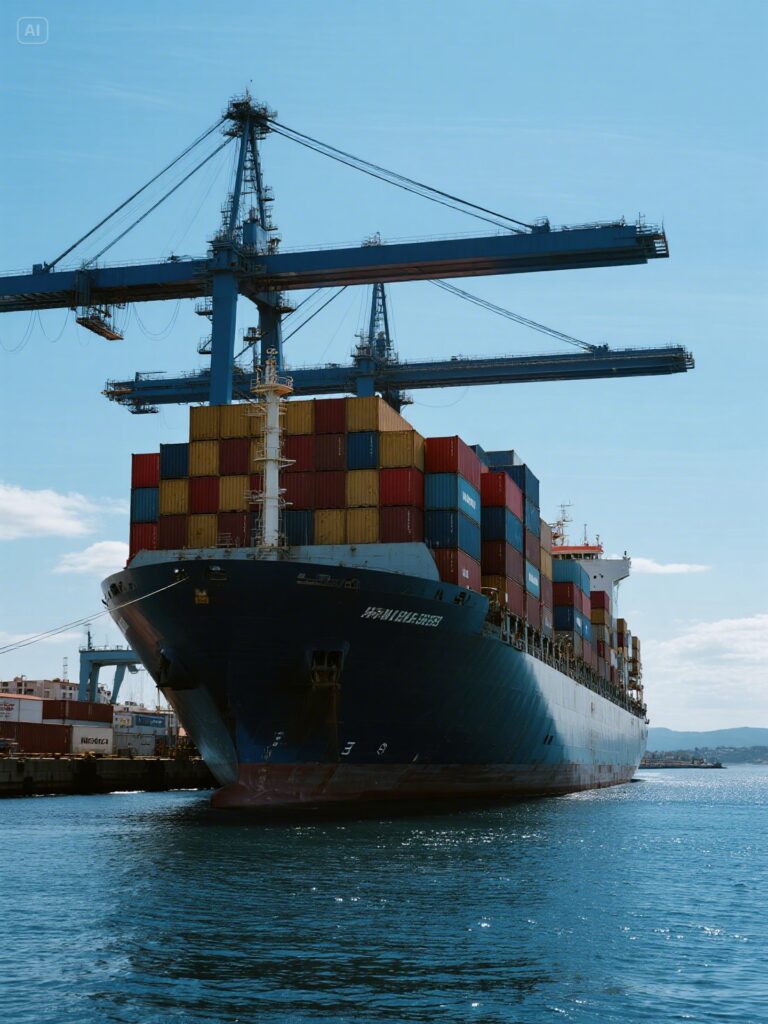
Major carriers such as Maersk, COSCO, MSC, CMA CGM, and OOCL dominate the China–Australia route. They offer reliable schedules and port coverage. Freight forwarders with carrier contracts provide clients with better rates, space priority, and faster problem resolution.
5.How to Reduce Professional Sea Freight Costs?
Importers can adopt several strategies:
- Book shipments early to secure better rates.
- Consolidate smaller shipments for LCL efficiency.
- Optimize packaging to save container space.
- Select optimal Incoterms (FOB vs CIF).
- Work with freight forwarders for contract pricing.
Additionally, monitoring market trends and freight indices helps anticipate rate changes.
6. What Risks Can Affect Transit Times?
Risks include port congestion, customs inspections, and weather conditions. However, proactive planning and digital shipment tracking minimize disruptions. Moreover, working with professional forwarders ensures contingency planning and faster resolution of issues.
7.Conclusion
The professional sea freight from China to Australia option remains the best solution for businesses seeking affordability, efficiency, and reliability. With the right container choice, proper documentation, and expert freight forwarding services, importers can streamline operations and minimize risks. Partnering with China Top Freight ensures smooth, professional, and cost-effective logistics solutions for global trade.
8. Request a Quote
China Top Freight offers:
- ✅ Origin and Destination Countries
- ✅ Cargo Type and Volume
- ✅ Preferred Transport Method (Air, Sea, Rail, Road)
- ✅ Delivery Timeline
- ✅ Special Handling Requirements (if any)
9. FAQ
Q1. What is the typical transit time for professional sea freight from China to Australia?
Transit usually takes 18–28 days depending on ports, carrier schedules, and whether cargo moves as Full Container Load or consolidated LCL.
Q2. How can businesses minimize sea freight costs to Australia?
They can consolidate cargo, negotiate Incoterms, and book shipments early through freight forwarders who secure lower rates and priority carrier space.
Q3. Which Australian ports handle the largest imports from China?
Sydney, Melbourne, Brisbane, and Perth handle most shipments, providing strong customs clearance facilities and nationwide distribution capabilities for importers.
Q4. What duties and taxes apply to imports from China?
Goods are subject to customs duties based on HS codes, and a 10% GST is applied on customs value, duty, and shipping costs.
Q5. Can small importers also benefit from professional sea freight?
Small importers benefit from LCL services, where cargo is consolidated with others, providing cost-effective shipping and simplified customs clearance.