

Finding professional sea freight from China to USA is one of the most critical decisions importers must make. Businesses need solutions that balance cost, speed, and reliability while ensuring compliance with customs regulations. This guide breaks down everything you need to know to optimize your supply chain.

1. What Makes Professional Sea Freight from China to USA the Best Choice?
Shipping by sea is the backbone of global trade. Compared to air freight, it is far more cost-effective for large or heavy shipments. Additionally, professional freight forwarders help manage customs clearance, optimize container use, and ensure reliable delivery schedules.
Moreover, sea freight offers flexibility—whether you choose FCL (Full Container Load) or LCL (Less than Container Load), it adapts to your business needs.
2. How Long Does Sea Freight from China to the USA Take?
Transit times depend on the port of origin and destination.
| Route (Port-to-Port) | Transit Time (Days) | Notes |
|---|---|---|
| Shanghai to Los Angeles (West) | 13–16 | Fastest option for West Coast importers |
| Shenzhen to New York (East) | 28–35 | Longer distance, Panama Canal passage |
| Ningbo to Houston (Gulf Coast) | 26–30 | Good option for Southern U.S. distribution |
| Qingdao to Seattle (West Coast) | 15–18 | Competitive for Northern Pacific routes |
Therefore, choosing the right port pair is essential to balancing time and cost.
3. What Are the Shipping Costs for Sea Freight from China to USA?
Costs vary depending on container size, season, and carrier.
| Container Size | Average Cost (USD) | Best For |
|---|---|---|
| 20ft FCL | $1,800–$2,600 | Small to medium shipments |
| 40ft FCL | $3,000–$4,200 | Standard option for bulk cargo |
| 40ft HQ | $3,300–$4,600 | Larger, lighter cargo needing extra volume |
| LCL (per CBM) | $50–$80 | Small shipments under 15 CBM |
Additionally, importers must account for surcharges like BAF (Bunker Adjustment Factor), customs clearance fees, and inland trucking.
What are you waiting for?
Contact chinatopfreight for a fast, free quote.
Are you ready to book?
Access live instant freight quotes
4. FCL vs LCL: Which is Better for Your Shipment?
| Method | Pros | Cons |
|---|---|---|
| FCL | Lower unit cost, faster transit, secure | Higher upfront cost, requires larger volume |
| LCL | Flexible for small cargo, lower entry | Consolidation delays, higher risk of damage |
Therefore, companies shipping regularly should consider FCL for efficiency, while occasional shippers may prefer LCL.
5. What Customs Documents Are Needed for Importing to the USA?
Professional sea freight services include customs guidance. Importers usually need:
| Document | Purpose |
|---|---|
| Bill of Lading (B/L) | Proof of shipment and ownership |
| Commercial Invoice | Declares cargo value for customs |
| Packing List | Details of goods and packaging |
| Importer Security Filing | Mandatory for U.S. Customs (10+2) |
| Arrival Notice | Issued by carrier before delivery |
Moreover, certain products (e.g., food, medical equipment) may require FDA or USDA clearance.
6. How Does Sea Freight Compare to Air and Rail Shipping?
Thus, sea freight remains the dominant option for balancing budget and volume.
7. Which U.S. Ports Handle the Most Sea Freight from China?
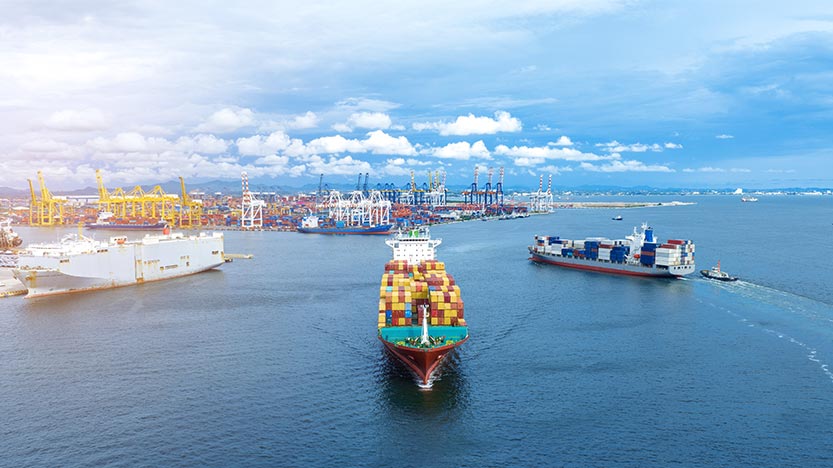
The U.S. has multiple gateway ports for Chinese imports:
- Los Angeles & Long Beach – Ideal for West Coast and nationwide rail connections.
- New York/New Jersey – Handles East Coast demand and major distribution centers.
- Savannah – Growing hub for Southeast U.S. imports.
- Houston – Strategic for Gulf Coast and Central U.S. distribution.
Selecting the right port helps reduce inland transport costs significantly.
8. What Role Do Freight Forwarders Play in Sea Freight?
A professional freight forwarder manages:
- Carrier booking with COSCO, OOCL, MSC, or Maersk.
- Container space allocation at competitive contract rates.
- Customs clearance, ISF filing, and duty payment.
- Cargo insurance and tracking.
- End-to-end logistics solutions including trucking and warehousing.
Therefore, choosing an experienced freight forwarder minimizes risks and ensures supply chain efficiency.
9. How to Reduce Delays and Hidden Costs in Sea Freight?
Importers can save time and money by:
- Booking shipments early during peak seasons.
- Using FCL for consistent cargo flow.
- Preparing accurate customs documentation.
- Choosing a forwarder with strong U.S.–China partnerships.
- Considering bonded warehouses to defer duties.
Additionally, working with digital platforms enables real-time tracking and transparency.
10. Future Trends in Sea Freight from China to USA
The sea freight industry is evolving:
- Green Shipping: LNG-powered and carbon-neutral vessels.
- Digitalization: Blockchain bills of lading and AI-driven logistics.
- Resilience Planning: Diversifying ports to avoid congestion.
- Integrated Supply Chains: End-to-end visibility across ocean, port, and inland transport.
Therefore, importers should stay informed to maintain competitive advantage.
Conclusion
In summary, professional sea freight from China to USA remains the most cost-effective and reliable solution for importers handling bulk shipments. With the right freight forwarder, businesses can reduce transit times, optimize container use, and avoid customs delays. Planning early, preparing accurate documents, and selecting the right shipping mode are key to building a resilient supply chain.
FAQ
Q1: Can I track my sea freight shipment in real time?
Yes, most carriers and forwarders provide online platforms with tracking numbers that allow you to monitor vessel location and estimated arrival times.
Q2: Do I need a customs broker for importing from China to the USA?
Yes, a licensed customs broker is highly recommended to manage compliance, handle duty payments, and prevent costly clearance delays at U.S. ports.
Q3: What is the average customs clearance time in U.S. ports?
Typically, clearance takes 1–3 business days. However, delays may occur during peak seasons or when additional inspections are required.
Q4: How much cargo qualifies for FCL vs. LCL shipping?
Shipments above 15–18 cubic meters are generally more economical under FCL, while smaller loads are better suited to LCL consolidation services.
Q5: Can hazardous materials be shipped by sea from China to the USA?
Yes, but hazardous cargo requires special documentation, labeling, and IMDG-compliant packaging to comply with international safety standards.