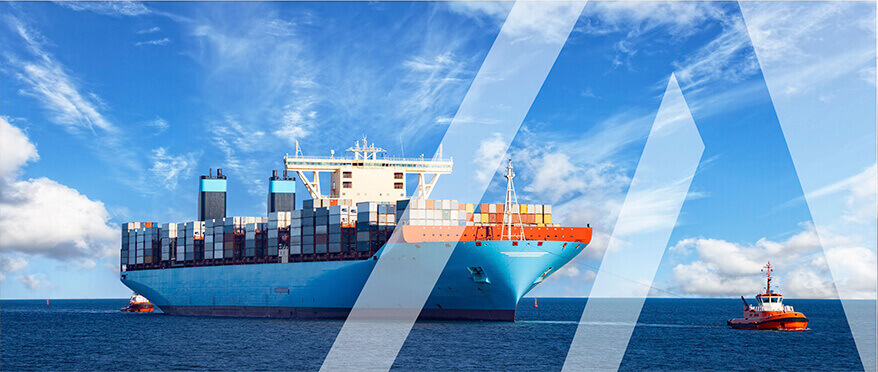
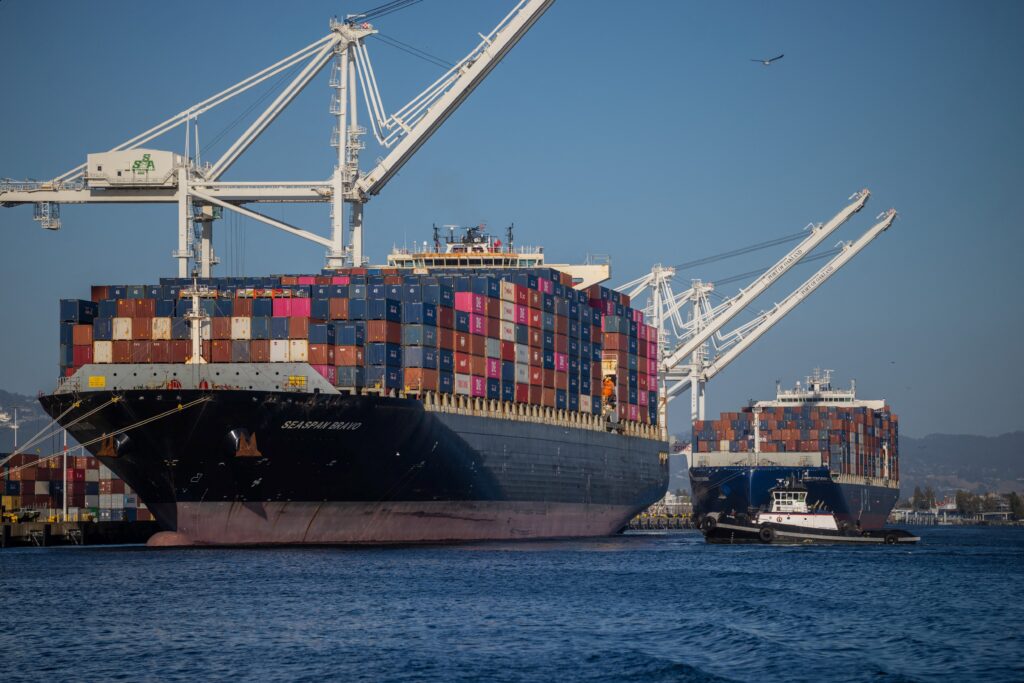
Moving goods between Asia and Europe can be challenging, especially when balancing costs, delivery schedules, and customs compliance. Choosing professional sea freight from Shenzhen to Italy ensures reliable transit, competitive pricing, and seamless logistics support for businesses importing bulk or containerized cargo.
1. Why Is Professional Sea Freight from Shenzhen to Italy a Smart Choice?
Sea freight remains the backbone of global trade. It provides the lowest cost per unit, handles large volumes, and offers flexible options such as FCL (Full Container Load) and LCL (Less than Container Load). Moreover, professional freight services guarantee smooth customs clearance and timely updates.
2. How Long Does Sea Freight from Shenzhen to Italy Take?
Transit time depends on the shipping line and port of entry. On average, shipments take 28–35 days, depending on customs and vessel schedules.
Destination Port in Italy
Average Transit Time
Frequency
Genoa
28–30 days
Weekly
La Spezia
30–32 days
Weekly
Venice
32–35 days
Bi-weekly
Trieste
29–33 days
Weekly
3. What Are the Typical Costs of Sea Freight from Shenzhen to Italy?
Costs vary depending on container size, shipping route, and seasonal fluctuations. However, freight forwarders often secure better contract rates.
LCL (Less than Container Load): Ideal for smaller shipments; however, consolidation may cause slightly longer handling times.
6. How Do Sea Freight Costs Compare with Air and Rail?
Shipping Method
Transit Time
Cost per CBM
Pros
Cons
Sea Freight
28–35 days
$90–$130
Cheapest for bulk
Slowest
Air Freight
5–7 days
$500–$800
Fast & reliable
Expensive
Rail Freight
18–22 days
$150–$200
Balanced speed & cost
Limited routes
7. What Factors Influence Sea Freight Costs?
Several elements impact rates, including:
Fuel surcharges (BAF).
Seasonal demand during peak shipping seasons.
Container shortages or port congestion.
Freight forwarder contract rates.
8. Can Businesses Use Door-to-Door Service?
Yes. Door-to-door service covers pickup in Shenzhen, sea transport, customs clearance at Italian ports, and inland delivery to warehouses across Italy. This solution minimizes logistics stress for businesses.
9. How Does Sea Freight Support SMEs Importing from China?
Small and medium-sized enterprises (SMEs) benefit by:
Accessing LCL services for reduced costs.
Consolidating shipments for predictable delivery.
Minimizing financial risk compared to air freight.
10. What Are the Advantages and Disadvantages of Sea Freight?
Factor
Sea Freight
Air Freight
Rail Freight
Cost
Lowest
Highest
Medium
Cargo Size
Unlimited
Limited
Medium
Transit Speed
Slowest
Fastest
Medium
Environmental Impact
Moderate
High
Low
Reliability
High
Very High
High
11. What Are the Future Trends in Sea Freight to Italy?
Adoption of digital platforms for real-time tracking.
Multimodal transport solutions combining sea and inland trucking.
Increased demand for flexible LCL services supporting SMEs.
Conclusion
In conclusion, professional sea freight from Shenzhen to Italy is the most cost-effective and reliable solution for importers managing bulk or containerized cargo. With flexible FCL/LCL options, competitive rates, and expert customs handling, businesses can ensure smooth trade between China and Italy. By choosing professional freight forwarding, companies strengthen their supply chains and reduce logistics risks.