

Protecting Electronics: 40GP FCL Insurance from China to Germany
Shipping valuable electronics from China to Germany demands careful planning. Protecting your investment with robust freight services and the right insurance is paramount. This guide focuses on 40GP FCL insurance for electronics from China to Germany, outlining critical aspects for secure transit. We aim to help you navigate the complexities of international cargo protection effectively.
✦
What is 40GP FCL Shipping for Electronics?
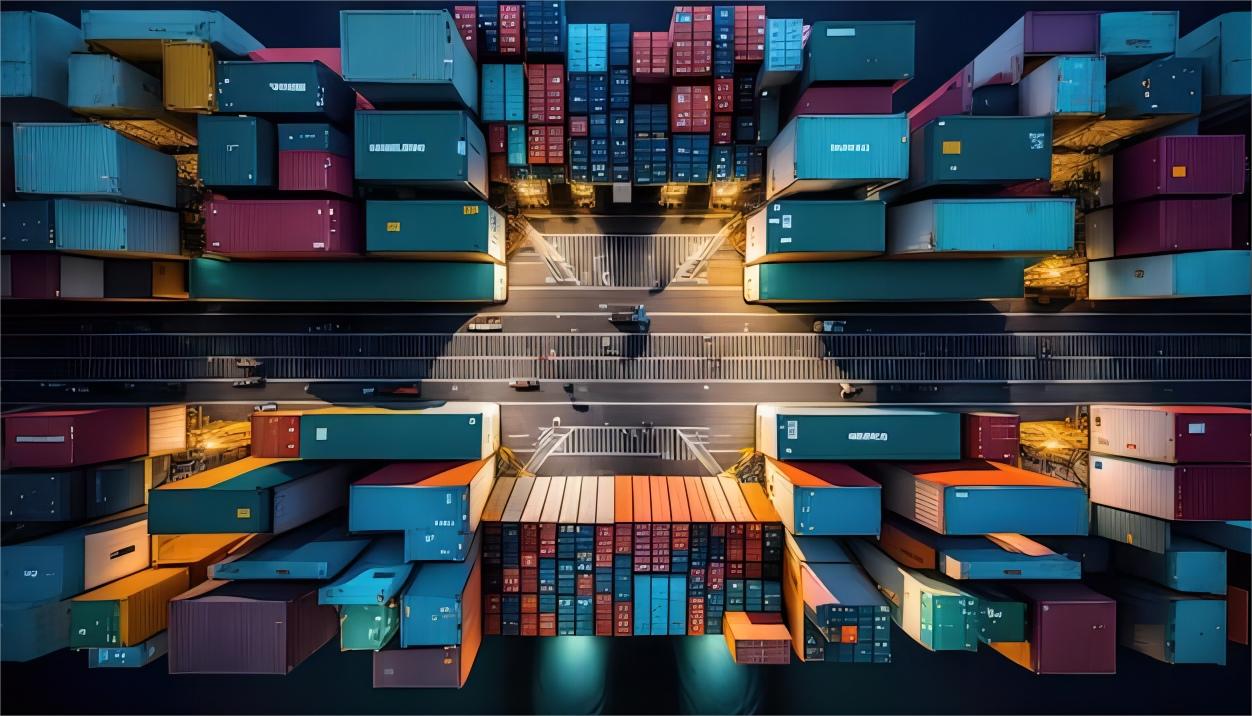
Full Container Load (FCL) shipping involves reserving an entire container for your goods. This method is particularly beneficial for large volumes or high-value items. A 40GP (General Purpose) container is a standard 40-foot unit, ideal for numerous electronics products.
Choosing FCL provides exclusive use of the container. Consequently, your electronics remain isolated from other shippers’ goods, reducing handling and potential damage. This dedicated space offers enhanced security and efficiency for your valuable cargo.
Furthermore, FCL shipments often lead to faster transit times compared to Less than Container Load (LCL). This is because there is no need for consolidation or deconsolidation at various ports. Therefore, it streamlines the logistics process from China to Germany.
Why is Cargo Insurance Critical for Electronics from China to Germany?
Electronics are inherently sensitive and valuable, making them susceptible to damage during transit. The journey from China to Germany involves multiple handling points and environmental variables. Protecting your investment with `cargo insurance for electronics` is not merely an option, but a necessity.
Unexpected events, such as accidents, theft, or natural disasters, can lead to significant financial losses. Without proper coverage, you bear the full cost of lost or damaged goods. This can severely impact your business’s profitability and supply chain continuity.
Moreover, carrier liability is often limited by international conventions. These limits are typically far less than the actual value of electronics. Therefore, relying solely on carrier liability leaves a substantial gap in your financial protection.
Securing `FCL container insurance costs` for your `shipping electronics from China` provides peace of mind. It ensures that your business can recover financially from unforeseen circumstances. This allows you to focus on growth rather than potential losses.
Types of Cargo Insurance for Your 40GP FCL Shipment
Several types of cargo insurance policies cater to different risk appetites and cargo types. Understanding these options is crucial for securing appropriate coverage. Most businesses opt for comprehensive policies when `shipping electronics from China`.
The most common and recommended policy for electronics is ‘All-Risk’ coverage. This broad policy covers all risks of loss or damage to cargo from external causes. However, it typically excludes damages due to war, strikes, riots, or inherent vice of the goods.
Another option is ‘Named Perils’ coverage, which is more restrictive. This policy only covers losses specifically listed in the insurance document. For instance, it might cover fire, collision, or jettison, but not theft or water damage unless explicitly stated. Given the fragility and value of electronics, ‘All-Risk’ is generally preferred.
Specialized policies also exist for unique scenarios. For `electronic components shipping insurance`, you might consider clauses for temperature control or impact protection. Always review the policy details to ensure it aligns with your specific needs and the `damage protection for sensitive cargo` required.
| Insurance Type | Coverage Scope | Best For | Cost Implication |
|---|---|---|---|
| All-Risk | Broadest coverage, all external risks | High-value, sensitive electronics | Higher premium, maximum protection |
| Named Perils | Covers only specified risks (e.g., fire, collision) | Less sensitive, lower-value goods | Lower premium, limited protection |
| Total Loss Only | Covers complete loss of shipment | Bulk, low-value commodities | Lowest premium, minimal protection |
Factors Influencing 40GP FCL Insurance Costs
The cost of `40GP FCL insurance for electronics from China to Germany` varies based on several key factors. Understanding these elements helps in budgeting and selecting the right policy. Each aspect contributes to the overall premium.
Firstly, the declared value of your electronics significantly impacts the premium. Higher value goods naturally require more coverage, leading to increased costs. Accurate valuation is essential to avoid under-insurance and ensure full recovery.
Secondly, the specific type of electronics being shipped plays a role. Highly fragile or high-risk items, such as specialized medical devices or advanced computing equipment, may incur higher rates. This reflects the increased likelihood of damage.
Furthermore, the shipping route and transit time also influence pricing. Longer routes or those passing through areas with known risks (e.g., piracy, extreme weather) can lead to higher premiums. The chosen carrier’s reputation and loss history might also be considered.
Finally, the chosen insurance policy’s terms and conditions, including deductibles and exclusions, affect the final cost. Opting for a higher deductible can lower your premium, but it means you bear more initial risk. Always balance cost with comprehensive protection.
How Does 40GP FCL Sea Freight Compare to Other Shipping Options?
When `shipping electronics from China`, businesses have several transportation options, each with distinct advantages and disadvantages. Comparing `40GP FCL insurance for electronics from China to Germany` against alternatives is vital. Understanding these differences helps in making informed `logistics solutions for high-value goods` decisions.
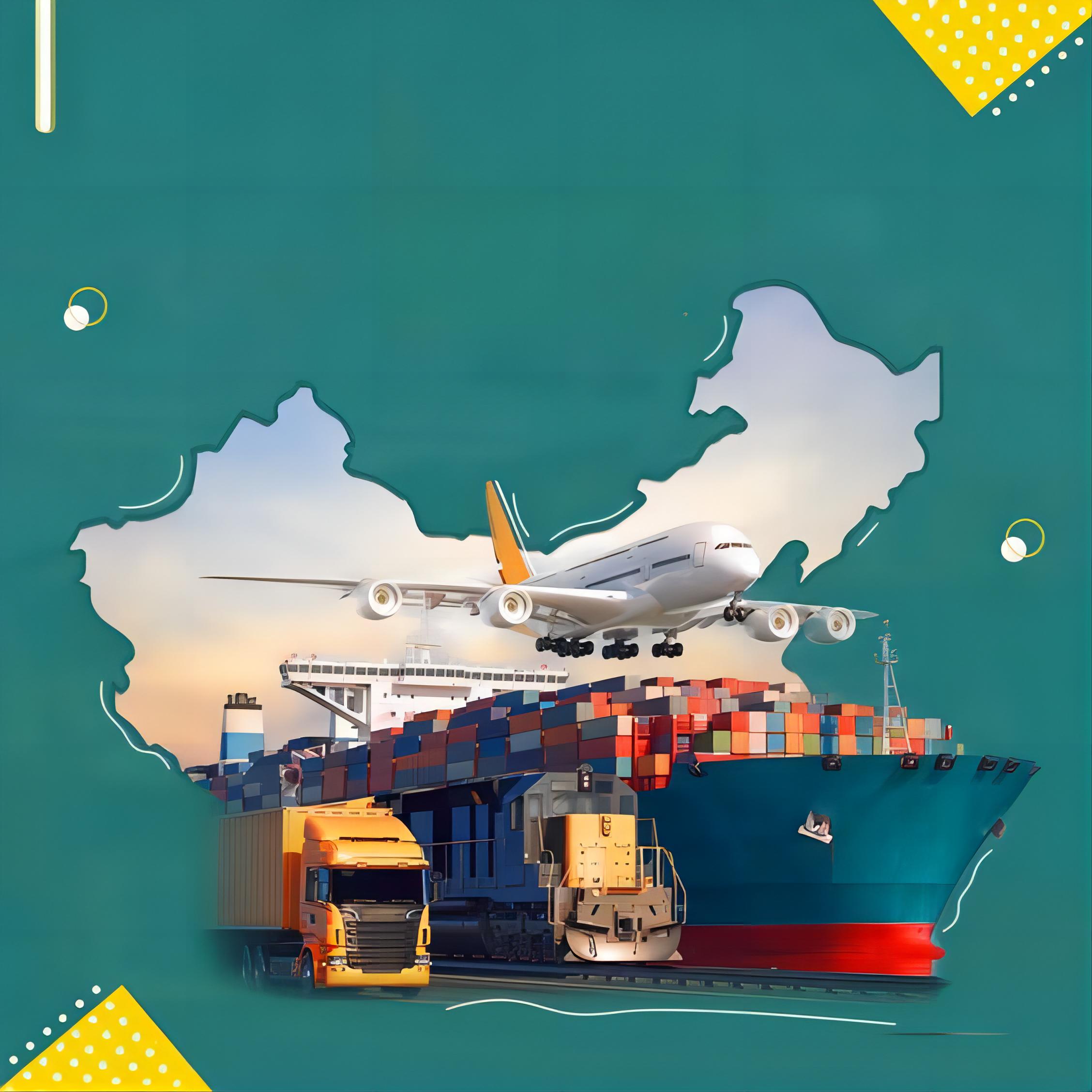
FCL sea freight is generally the most cost-effective method for large volumes. However, it has the longest transit times. Air freight offers speed but comes at a significantly higher price point. Rail freight provides a middle ground in terms of cost and speed for certain routes.
Moreover, the environmental impact also differs. Sea freight typically has a lower carbon footprint per ton-mile compared to air freight. This can be an important consideration for companies prioritizing sustainability in their `supply chain` operations. Each method presents unique trade-offs.
Consider your priorities: budget, speed, and cargo volume. This will guide your decision between FCL sea freight, air cargo, or rail. Each method impacts your overall `delivery schedule` and `freight rates`.
Comparison of Shipping Methods: China to Germany
| Shipping Method | Cost Range (40GP/similar vol) | Transit Time (China to Germany) | Best For | Limitations |
|---|---|---|---|---|
| FCL Sea Freight | $3,000 – $4,200 | 28 – 35 days | Large volumes, cost-efficiency, non-urgent | Slowest, potential port delays |
| Air Freight | $15,000 – $25,000 (equivalent vol) | 5 – 7 days | Urgent, high-value, smaller volumes | Most expensive, size/weight restrictions |
| Rail Freight | $8,000 – $12,000 | 18 – 22 days | Mid-range urgency, good balance of cost/speed | Less flexible routes, capacity can be limited |
Alternatives to FCL Sea Freight
For extremely urgent electronics shipments, air freight is the fastest option. While significantly more expensive, it can save weeks of transit time. This is ideal for time-sensitive product launches or critical component replacements. Air freight offers unparalleled speed.
If your volume doesn’t justify a full container, LCL sea freight is an alternative. It allows you to share container space, reducing costs. However, LCL typically involves more handling and longer transit times due to consolidation processes. It’s suitable for smaller, less urgent shipments.
Another viable option is rail freight, especially for destinations in central Europe. It offers a good balance between cost and speed, faster than sea freight and cheaper than air. This method is gaining popularity for its reliability and efficiency.
Hybrid solutions like sea-air combinations are also emerging. Here, goods travel by sea for the majority of the journey and then switch to air for the final leg. This can optimize both `shipping costs` and `transit time` for specific `delivery schedule` requirements. It offers a flexible approach.
Which Option Should You Choose?
Your decision heavily depends on your specific business needs and priorities. Each shipping method presents a unique set of trade-offs. Carefully evaluate your cargo, budget, and timeline.
If `budget priority` is paramount, FCL sea freight remains the most economical choice. It’s perfect for bulk orders where transit time is less critical. Always consider the `freight rates` and `cargo handling` implications.
For `speed priority`, air freight is unrivaled. This is essential for perishable electronics or meeting tight market deadlines. However, prepare for substantially higher `shipping costs`.
When `cargo type considerations` involve very fragile or high-value items, FCL sea freight offers dedicated space and reduced handling risks. This minimizes potential damage during transit, especially with robust packaging.
Consider `volume thresholds for switching methods`. If your shipment is less than 15 CBM, LCL might be more cost-effective. However, for 20 CBM or more, a 40GP FCL is almost always the better choice. Evaluate the cost per CBM carefully.
Navigating Customs and Import Regulations in Germany
Importing electronics into Germany requires strict adherence to EU customs regulations. Proper documentation and understanding of `import duties electronics Germany` are crucial. Delays at customs can significantly impact your `delivery schedule` and incur additional costs.
Key documents typically include the commercial invoice, packing list, bill of lading (for sea freight), and certificate of origin. Additionally, specific electronics may require CE marking, RoHS compliance, or WEEE registration. These certifications ensure product safety and environmental standards.
Engaging a reliable customs brokerage service is highly recommended. They can help navigate complex tariffs, ensure correct commodity codes (HS codes) are used, and manage the import declaration process. This expertise minimizes potential issues.
Understanding `customs clearance electronics Germany` procedures is vital. Germany’s customs authorities are thorough, and any discrepancies can lead to inspections, penalties, or even rejection of goods. Proper preparation is key to a smooth `import/export` process.
Real-World Scenarios: Insuring Electronics Shipments
Examining real-world case studies helps illustrate the practical aspects of `40GP FCL insurance for electronics from China to Germany`. These examples highlight common challenges and the importance of adequate coverage. They also demonstrate typical `freight rates` and `transit time China Germany FCL`.
These scenarios are based on typical market rates and logistics challenges as of early 2025. Rates can fluctuate due to fuel surcharges, carrier capacity, and seasonal demand. Always obtain a current quote for your specific shipment.
Note: Freight rates are subject to change based on fuel costs, carrier capacity, and seasonal demand. Contact us for a current quote tailored to your specific shipment.
Case Study 1: High-Volume Consumer Electronics
| Detail | Description |
|---|---|
| Route | Shenzhen, China -> Hamburg, Germany |
| Cargo | 10,000 units of smart home devices, 65 CBM, 12,000 kg |
| Container | 40GP FCL |
| Shipping Details | Carrier/Service: COSCO, Port of Loading: Shenzhen, Port of Discharge: Hamburg, Route Type: Direct |
| Cost Breakdown | Ocean Freight: $3,800, Origin Charges: $450, Destination Charges: $550, Customs & Duties (estimated): $1,800, Total Landed Cost: $6,600 |
| Timeline | Booking to Loading: 5 days, Sea Transit: 30 days, Customs Clearance: 3 days, Total Door-to-Door: 38 days |
| Key Insight | Insured for $250,000. During transit, minor water damage affected 2% of units due to a container seal issue. Insurance covered replacement value, mitigating a potential $5,000 loss. |
Case Study 2: Sensitive Industrial Components
| Detail | Description |
|---|---|
| Route | Ningbo, China -> Munich (via Hamburg), Germany |
| Cargo | High-precision electronic sensors for machinery, 50 CBM, 9,000 kg |
| Container | 40GP FCL |
| Shipping Details | Carrier/Service: Maersk, Port of Loading: Ningbo, Port of Discharge: Hamburg, Route Type: Direct, Inland transport to Munich |
| Cost Breakdown | Ocean Freight: $4,000, Origin Charges: $500, Destination Charges: $600, Inland Transport: $700, Customs & Duties (estimated): $2,500, Total Landed Cost: $8,300 |
| Timeline | Booking to Loading: 7 days, Sea Transit: 32 days, Customs Clearance: 4 days, Total Door-to-Door: 45 days |
| Key Insight | Insured for $400,000. A handling mishap at the destination port caused minor impact damage to one pallet. The comprehensive ‘All-Risk’ policy covered repair costs and expedited replacement, preventing production delays. |
Case Study 3: Time-Sensitive Tech Gadgets
| Detail | Description |
|---|---|
| Route | Shanghai, China -> Berlin (via Bremerhaven), Germany |
| Cargo | New model smartphones and accessories, 60 CBM, 11,000 kg |
| Container | 40GP FCL |
| Shipping Details | Carrier/Service: MSC, Port of Loading: Shanghai, Port of Discharge: Bremerhaven, Route Type: Transshipment via Singapore |
| Cost Breakdown | Ocean Freight: $3,500, Origin Charges: $400, Destination Charges: $500, Customs & Duties (estimated): $2,000, Total Landed Cost: $6,400 |
| Timeline | Booking to Loading: 6 days, Sea Transit: 35 days, Customs Clearance: 3 days, Total Door-to-Door: 44 days |
| Key Insight | Insured for $300,000. During transshipment, a minor container fire occurred, damaging a portion of the cargo. Insurance facilitated a swift claim, allowing for rapid re-shipment of replacement units via express service to meet launch deadlines. |
Optimizing Your Supply Chain and Mitigating Risks
Effective `supply chain risk management electronics` involves more than just insurance. It encompasses strategic planning and robust logistics partnerships. Proactive measures can significantly reduce the likelihood of incidents during transit.
Firstly, thorough supplier vetting in China is crucial. Ensure they use appropriate packaging for export, especially for sensitive electronics. Proper packaging is the first line of defense against damage.
Secondly, choose experienced freight forwarders with a proven track record for `shipping electronics from China`. A reputable forwarder understands the nuances of `cargo handling` and route selection. They can advise on optimal `logistics trends` and solutions.
Consider implementing real-time tracking for your 40GP FCL shipments. This provides visibility into your cargo’s location and status, allowing for quick responses to potential delays or issues. Enhanced visibility supports better `delivery schedule` management.
Finally, review your insurance policy regularly to ensure it aligns with your evolving needs. As your product lines or shipping volumes change, your coverage requirements may also shift. Adaptability is key in managing `marine insurance for 40GP containers` effectively.
Choosing the Right Logistics Partner for `Door-to-Door` Service
Selecting the right freight forwarder is paramount for successful international shipping. A reliable partner can streamline the entire process from origin to final destination. This is especially true for complex `door-to-door shipping electronics` operations.
Look for a company with extensive experience in the China-Germany corridor. They should possess strong relationships with carriers and a deep understanding of both origin and destination logistics. Expertise in `shipping electronics from China` is a significant advantage.
A comprehensive service provider like China Top Freight offers end-to-end solutions. This includes not only freight but also customs clearance, warehousing, and local delivery. Such integrated services simplify your `supply chain`.
Evaluate their communication channels and responsiveness. Timely updates and clear communication are vital for managing expectations and addressing unforeseen challenges. A proactive partner can make a substantial difference in your shipping experience. They also offer services like Amazon FBA preparation.
Ensuring Secure Transit for Your Electronics
Navigating the complexities of international shipping requires meticulous attention to detail, especially for sensitive electronics. Securing robust `40GP FCL insurance for electronics from China to Germany` is a non-negotiable aspect of successful logistics. It safeguards your investment against unforeseen risks and provides crucial peace of mind.
By understanding the types of insurance, key cost factors, and comparing shipping methods, you can make informed decisions. Partnering with an experienced freight forwarder further enhances security and efficiency. Ultimately, a well-insured and well-managed shipment protects your bottom line and strengthens your supply chain resilience.