

Businesses looking for stable transit time and competitive shipping costs increasingly rely on rail freight China to Spain. Many importers struggle with long sea freight routes, high air freight costs, and unpredictable delivery schedules. However, rail freight provides a balanced solution—faster than sea, cheaper than air, and more stable than traditional supply chain channels.

What Is Rail Freight Shipping from China to Spain?
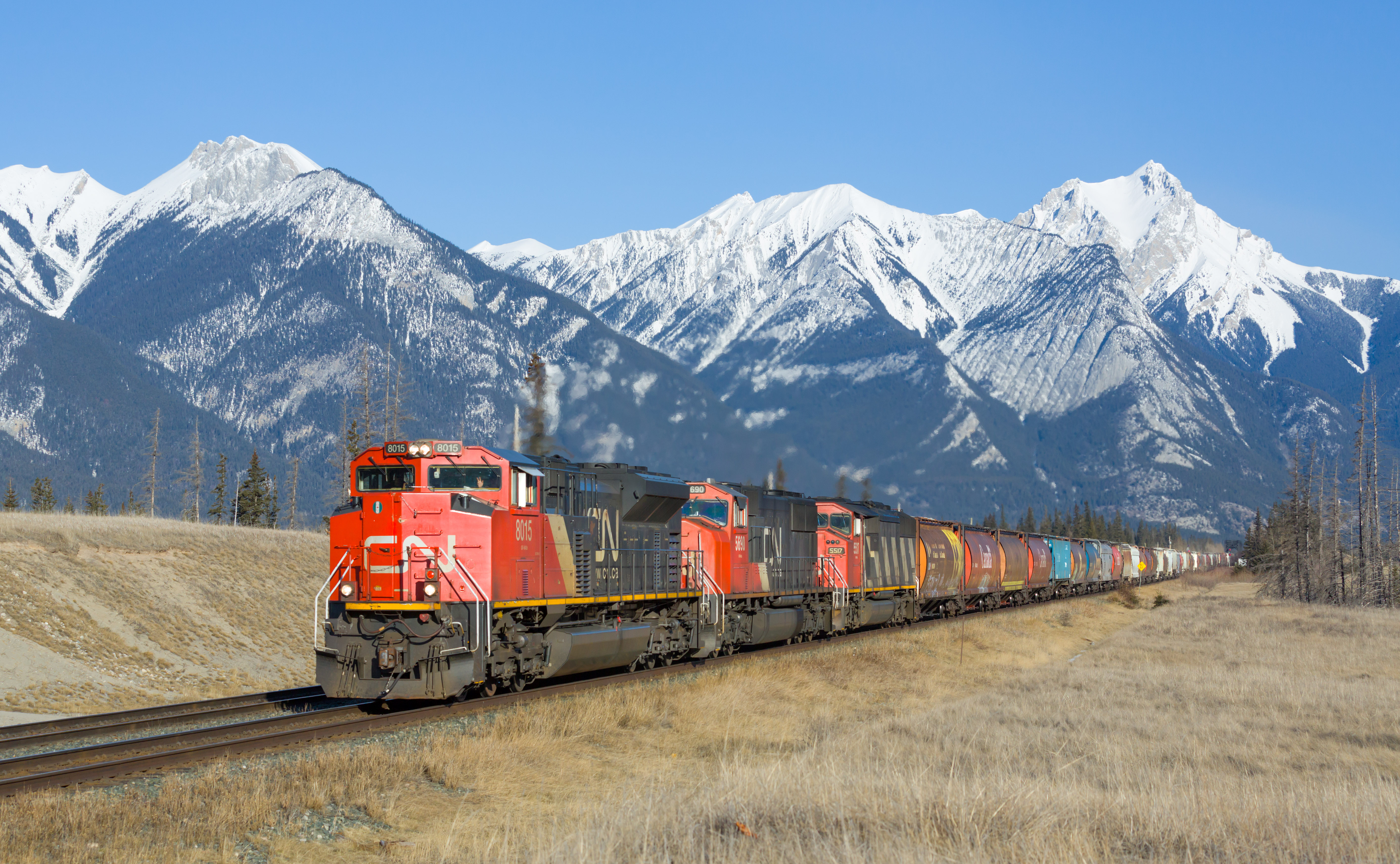
Rail freight between China and Spain refers to transporting goods across Eurasia using the China–Europe Railway Network. This service connects major Chinese cities with European hubs like Madrid, Valencia, Zaragoza, and Barcelona through a seamless cross-border logistics system. Additionally, it offers predictable schedules and fewer disruptions compared to ocean freight.
How Does Rail Freight China to Spain Work Step by Step?
The journey across Eurasia involves multiple railway lines, customs checkpoints, and consolidation hubs, yet the process is highly efficient when managed by a professional forwarder.
Typical Workflow
- Supplier prepares goods
- Forwarder collects and transports to the rail terminal
- Export customs clearance in China
- Rail journey via Kazakhstan, Russia, Poland, Germany, France
- Import customs clearance at Spain border
- Distribution to Spanish cities
- Final delivery to warehouses, retail centers, Amazon centers, or factories
Moreover, each stage is optimized to reduce transit variations and ensure timely arrival.
Why Choose Rail Freight for Shipping Between China and Spain?
Rail logistics offers the perfect middle ground between cost and speed. Furthermore, European businesses benefit from improved reliability and reduced carbon emissions.
Key Reasons to Choose Rail Freight
- Much faster than sea freight
- Cheaper than air freight
- Stable transit time of 14–25 days
- Lower carbon footprint
- Ideal for medium-volume shipments
- Good for e-commerce and B2B distribution
- Fewer port delays
What are you waiting for?
Contact chinatopfreight for a fast, free quote.
Are you ready to book?
Access live instant freight quotes
What Are the Main Rail Routes from China to Spain?
With China’s Belt and Road Initiative, multiple routes are available. These routes connect China to Europe through Central Asia, offering extensive coverage.
Most Popular Rail Routes
- Chongqing → Madrid
- Yiwu → Madrid
- Chengdu → Zaragoza
- Wuhan → Madrid
- Zhengzhou → Valencia
- Guangzhou/Shenzhen → Barcelona
These routes are strategically designed to shorten lead times and improve supply chain efficiency.
How Fast Is Rail Freight from China to Spain?
Rail freight offers one of the most consistent transit times in Eurasian logistics. Although minor variations happen due to weather or customs delays, the schedule remains stable.
| China Origin | Spain Destination | Estimated Transit Time |
|---|---|---|
| Chongqing | Madrid | 16–20 days |
| Yiwu | Madrid | 18–22 days |
| Zhengzhou | Valencia | 18–24 days |
| Chengdu | Zaragoza | 15–20 days |
| Shenzhen | Barcelona | 20–25 days |
The route covers more than 13,000 km across multiple countries, yet remains faster than sea freight.
How Much Does Rail Freight from China to Spain Cost?
Rail freight pricing depends on weight, cargo size, destination, and season. Moreover, fuel surcharge, railway congestion, and customs inspection fees may influence final cost.
| Cargo Type | Estimated Cost | Notes |
|---|---|---|
| LCL (Less than Container Load) | $160–$250 per CBM | Best for small cargo |
| FCL 20GP | $4,200–$6,000 per container | Route-dependent |
| FCL 40HQ | $6,500–$9,300 per container | Best for large shipments |
| Rail DDP | $3.5–$5.5 per kg | Duties included |
These figures vary, but they remain significantly cheaper than air freight and much faster than ocean freight.
Which Industries Benefit Most from Rail Freight?
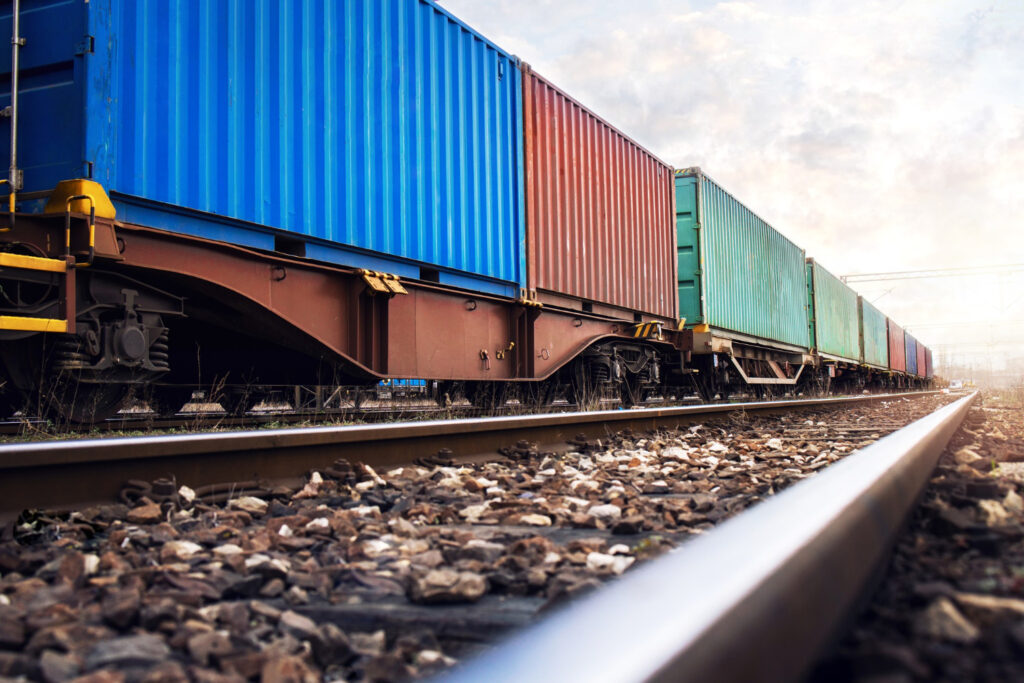
Because rail offers a balance of speed and affordability, it fits a wide range of industries. Additionally, manufacturers with strict delivery schedules prefer the reliability rail offers.
Industries Using Rail Freight
- Electronics
- Auto parts
- Apparel
- Machinery components
- Household goods
- Raw materials and metals
- E-commerce fulfillment
- Industrial equipment
What Documents Are Required for Rail Freight China to Spain?
Proper documents ensure seamless customs clearance along the route. Although forwarders handle most paperwork, accuracy is crucial.
| Document | Purpose |
|---|---|
| Commercial Invoice | Declares cargo value |
| Packing List | Shows weight & dimensions |
| Rail Bill of Lading | Evidence of transport |
| HS Codes | Determines tariff & taxes |
| Certificate of Origin | Required for certain goods |
| CE Certificates | Needed for electronics/machinery |
| EORI Number | Required for Spanish importers |
| Insurance Certificate | Optional but recommended |
How Does Rail Freight Compare with Air and Sea Shipping?
To understand the advantages clearly, compare speed, cost, and reliability.
| Method | Cost | Speed | Reliability | Best For | Pros | Cons |
|---|---|---|---|---|---|---|
| Rail Freight | Medium | 14–25 days | High | Medium cargo | Affordable & fast | Limited space |
| Air Freight | High | 5–9 days | High | Urgent cargo | Fastest | Expensive |
| Sea Freight | Low | 30–45 days | Medium | Bulk cargo | Lowest cost | Slowest |
Rail freight emerges as the ideal balance, especially for stable delivery schedules.
What Factors Influence Rail Freight Transit Time and Cost?
Several elements can affect rail freight performance.
Key Factors
- Customs inspections along Transit Countries
- Weather conditions in Central Asia
- Train capacity and peak season congestion
- Distance between origin and destination
- Weight, volume, and cargo category
- Train schedule frequency (weekly or biweekly)
Nevertheless, rail remains more predictable compared to sea freight.
Conclusion
Choosing rail freight China to Spain provides businesses with a powerful logistics solution that balances speed, affordability, and reliability. With consistent transit time, lower shipping costs than air freight, and faster delivery than sea freight, rail freight strengthens supply chain performance across Europe. By preparing accurate documentation, optimizing packaging, and selecting a professional forwarder, companies can ensure smooth customs clearance and stable delivery schedules. For long-term success and predictable supply chain planning, rail freight remains one of the best transport choices between China and Spain.
FAQ
1. How long does rail freight from China to Spain usually take?
Rail freight typically takes 14–25 days, depending on the departure city, customs inspections, and the specific Eurasian route used by the freight operator.
2. Is rail freight cheaper than air freight from China to Spain?
Yes, rail freight is significantly cheaper while still being faster than sea freight. It provides a balanced cost-speed solution for medium-volume shipments.
3. What goods cannot be shipped by rail from China to Spain?
Dangerous goods, highly flammable materials, liquid chemicals, and some battery products may be restricted. A forwarder can confirm eligibility based on HS codes.
4. Do I need an EORI number to import rail cargo into Spain?
Yes, importers must have a valid EORI number for customs clearance. However, if using DDP rail shipping, the forwarder may handle this requirement.
5. Are there weight limits for rail freight shipments?
Rail shipments accept large volumes, but each container has maximum weight limits, typically 22–29 tons depending on container type and route regulations.