

Rail Freight from China to Central Asia: Your Ultimate Guide
Navigating the complex logistics landscape between China and the landlocked nations of Central Asia presents unique challenges for businesses. While traditional shipping methods have their place, China Top Freight understands that efficient and cost-effective solutions are paramount for growing trade. This comprehensive guide explores the benefits and intricacies of choosing rail freight from China to Central Asia, offering insights into optimizing your supply chain for speed and reliability.
Why Choose Rail Freight from China to Central Asia?
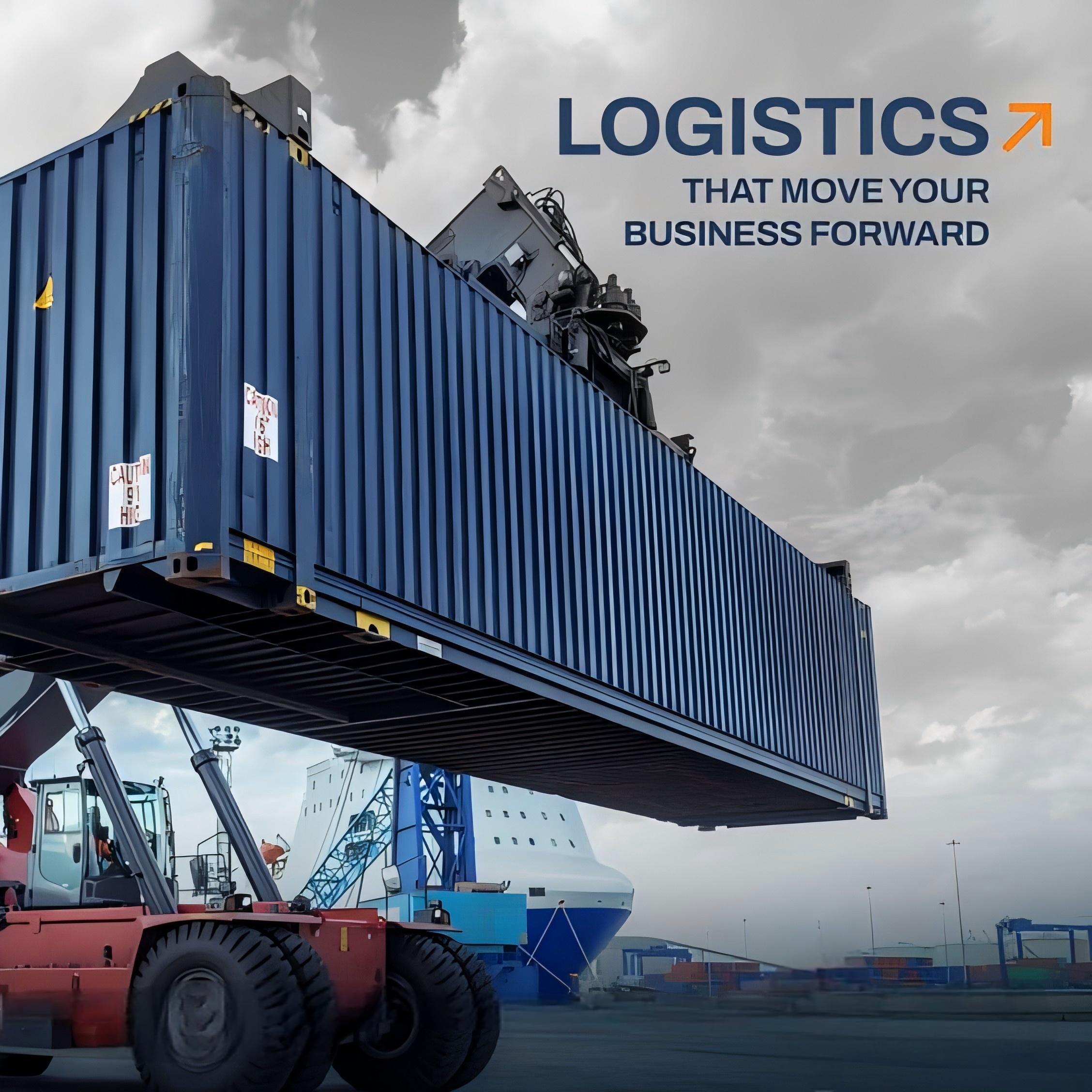
For businesses engaged in cross-border trade, selecting the right shipping method is crucial. Indeed, rail freight offers a compelling balance between speed and cost, making it an increasingly popular option for the China-Central Asia corridor. This method bridges the gap between slower sea freight and more expensive air cargo.
Furthermore, the New Silk Road has significantly boosted rail connectivity. Consequently, transit times for `China-Central Asia trade routes` have dramatically improved. This enhancement directly supports timely delivery schedules for a wide array of goods, reinforcing its role in modern `supply chain` strategies.
Understanding Key Rail Routes and Hubs for Central Asian Freight
The primary rail routes connecting China to Central Asia traverse through key border crossings like Alashankou and Khorgos in Xinjiang province. These gateways are vital arteries for goods moving into Kazakhstan, Uzbekistan, Kyrgyzstan, Tajikistan, and Turkmenistan. Without a doubt, these routes are the backbone of regional commerce.
From these entry points, cargo proceeds to major distribution hubs across Central Asia. For example, cities such as Almaty and Tashkent serve as crucial logistics centers. These hubs then facilitate onward distribution throughout the region, streamlining `China-Kazakhstan freight` and other country-specific movements.
| Origin City (China) | Key Border Gate | Destination Country | Typical Transit Time |
|---|---|---|---|
| Xi’an/Chongqing | Alashankou/Khorgos | Kazakhstan (Almaty) | 10-14 days |
| Zhengzhou/Lianyungang | Alashankou/Khorgos | Uzbekistan (Tashkent) | 14-18 days |
| Chengdu/Urumqi | Khorgos | Kyrgyzstan (Bishkek) | 12-16 days |
| Multiple Chinese Cities | Alashankou/Khorgos | Tajikistan/Turkmenistan | 18-22 days |
How Does Rail Freight Compare to Other Shipping Options?
When planning your `import/export` operations, evaluating different freight methods is essential. For shipments from China to Central Asia, rail freight stands as a robust alternative to both air and sea transport. Each method offers distinct advantages and disadvantages, depending on your priorities.
Conversely, air freight provides unparalleled speed but comes at a significantly higher cost. Meanwhile, sea freight, while economical for large volumes, is simply not a direct option for landlocked Central Asian nations, requiring additional rail or road legs from Black Sea or Baltic ports. Therefore, combining sea with rail or road is often a necessity, increasing complexity and transit time.
| Shipping Method | Cost Range (per TEU) | Transit Time (China to CA) | Best For | Limitations |
|---|---|---|---|---|
| Rail Freight | $4,000 – $7,000 | 10-22 days | Mid-size to large shipments, time-sensitive but not urgent | Limited capacity compared to sea, potential border delays |
| Air Freight | $8,000 – $15,000+ | 3-7 days | Urgent, high-value, small volume goods | High cost, weight/volume restrictions, environmental impact |
| Sea-Rail/Road (Combined) | $3,500 – $6,000 | 30-45+ days | Very large volumes, less time-sensitive cargo | Long transit, multiple transshipments, increased risk of damage/delays |
| Road Freight | $5,000 – $9,000 | 15-25 days | Specific regional routes, door-to-door flexibility | Higher risk, weather dependency, limited cargo size, often used for final leg |
Key Factors Influencing Rail Freight Costs and Transit Times
Several variables significantly impact the overall `shipping costs` and `delivery schedule` for rail freight from China to Central Asia. Understanding these factors allows businesses to better budget and plan their logistics operations. Indeed, precise planning can lead to substantial savings.
The type of cargo, its volume, and the specific container needed (e.g., 20GP, 40HQ) are primary cost drivers. Moreover, `freight rates` can fluctuate based on seasonality, with peak shipping periods often incurring higher charges. Fuel surcharges also play a role, reflecting global energy market conditions.
Note: Freight rates are subject to change based on fuel costs, carrier capacity, and seasonal demand. Contact us for a current quote tailored to your specific shipment.
Navigating Customs and Documentation for Central Asian Shipments
Successful `import/export` to Central Asian countries requires meticulous attention to `customs` procedures and documentation. Each country has its own specific regulations, which can be complex and vary. Therefore, understanding these requirements upfront is crucial to avoid delays.
Typically, essential documents include the commercial invoice, packing list, bill of lading (or CIM/SMGS consignment note for rail), and various certificates. For instance, certificates of origin or quality may be required depending on the goods. Working with an experienced customs brokerage is highly recommended to streamline this process.
Real-World Scenarios: Successful Rail Freight Shipments
Explore these practical examples demonstrating the effectiveness and typical parameters of rail freight from China to Central Asia. These cases highlight diverse cargo types and routes, reflecting common shipping patterns.
Case Study 1: High-Value Electronics to Uzbekistan
This scenario illustrates shipping sensitive electronics requiring a balance of speed and security for a successful delivery.
Based on Q4 2024 market rates.
| Detail | Value |
|---|---|
| Route | Urumqi, China -> Tashkent, Uzbekistan |
| Cargo | Consumer electronics, 28 CBM, 4,500 kg |
| Container | 40HQ |
| Shipping Details | Carrier: China Railway Express, Loading: Urumqi, Discharge: Tashkent (via Khorgos), Route: Direct |
| Cost Breakdown | Rail: $5,800; Origin: $450; Destination: $300; Customs (est.): $1,200 |
| Total Landed Cost | $7,750 |
| Timeline | Booking: 3 days; Transit: 16 days; Customs: 3 days |
| Total Door-to-Door | 22 days |
| Key Insight | Direct rail offered quick, secure option, bypassing sea-road transshipment risks. |
Case Study 2: Industrial Machinery to Kazakhstan
This example focuses on heavy machinery, where containerized rail transport offers robust protection and efficient delivery.
Typical rates as of early 2025.
| Detail | Value |
|---|---|
| Route | Xi’an, China -> Almaty, Kazakhstan |
| Cargo | Small industrial machinery, 15 CBM, 8,000 kg |
| Container | 20GP |
| Shipping Details | Carrier: Major rail operator, Loading: Xi’an, Discharge: Almaty (via Alashankou), Route: Direct |
| Cost Breakdown | Rail: $4,200; Origin: $380; Destination: $250; Customs (est.): $950 |
| Total Landed Cost | $5,780 |
| Timeline | Booking: 4 days; Transit: 12 days; Customs: 2 days |
| Total Door-to-Door | 18 days |
| Key Insight | Rail proved cost-effective and faster than combined sea-road for heavy, non-urgent machinery. |
Case Study 3: Textiles and Apparel to Kyrgyzstan (LCL)
Even for smaller volumes, Less than Container Load (LCL) rail freight can be an efficient option, as shown in this textile shipment.
Based on Q1 2025 market rates.
| Detail | Value |
|---|---|
| Route | Yiwu, China -> Bishkek, Kyrgyzstan |
| Cargo | Apparel and textiles, 8 CBM, 1,500 kg |
| Container | LCL (Less than Container Load) |
| Shipping Details | Carrier: Consolidated rail service, Loading: Yiwu, Discharge: Bishkek (via Khorgos), Route: Consolidated Rail |
| Cost Breakdown | Rail (per CBM): $450 (Total: $3,600); Origin: $280; Destination: $200; Customs (est.): $700 |
| Total Landed Cost | $4,780 |
| Timeline | Booking: 5 days; Transit: 15 days; Customs: 4 days |
| Total Door-to-Door | 24 days |
| Key Insight | LCL rail freight offered a viable and economical solution for smaller, regular shipments, avoiding high air freight costs. |
Optimizing Your Rail Freight Strategy: Which Option Should You Choose?
Making an informed decision about your logistics strategy involves weighing various factors against your business objectives. Determining the optimal `rail freight from China to Central Asia` solution depends heavily on your specific needs. Indeed, a tailored approach is always best.
If `budget priority` is paramount, LCL rail or even combined sea-rail might be more suitable for non-urgent goods. Conversely, if `speed priority` is the main concern, full container load (FCL) rail freight offers a faster alternative to sea. For urgent, smaller items, express service might even be considered.
Consider your `cargo type considerations`; fragile or high-value goods might benefit from dedicated containers and secure rail routes. Furthermore, `volume thresholds` play a role; FCL rail becomes more cost-effective as shipment size increases. Ultimately, our rail freight experts can guide you.
Ensuring Smooth Delivery with End-to-End Solutions
Beyond the main rail journey, the success of your shipment hinges on efficient `cargo handling` and last-mile delivery. An end-to-end solution ensures that goods are seamlessly transported from the factory floor in China to their final destination in Central Asia. Without a doubt, this integrated approach minimizes stress and potential delays.
Our comprehensive door to door service covers all stages of the shipping process. This includes pickup, customs clearance at both ends, rail transport, and final delivery. Consequently, businesses can focus on their core operations, confident in their supply chain efficiency.
Common Challenges and Solutions in Rail Freight
While highly beneficial, `rail freight from China to Central Asia` can present certain challenges that require proactive management. These often include infrastructure limitations, varying rail gauges, and potential border delays. Addressing these head-on is vital for smooth operations.
One significant challenge is the change in rail gauge at the China-Central Asia border. This necessitates transshipment, which can add to `transit time` and handling costs. Moreover, political stability in certain regions can occasionally impact `delivery schedule` reliability. Indeed, proactive risk management is key.
Conclusion: Streamlining Your Central Asian Trade with Rail Freight
In summary, `rail freight from China to Central Asia` offers a powerful and increasingly popular solution for businesses seeking a balance of speed, cost-effectiveness, and reliability. Leveraging the expanding rail network can significantly enhance your supply chain efficiency and market reach. Indeed, it’s a strategic advantage.
By understanding the routes, managing customs, and choosing the right logistics partner, companies can successfully navigate this vital trade corridor. Ultimately, optimizing your `import/export` operations with rail freight positions your business for sustained growth and success in the dynamic Central Asian market.
Need a tailored shipping solution?
Ready to optimize your `rail freight from China to Central Asia`? Contact China Top Freight today for a personalized consultation and a competitive quote. Our experts are prepared to help you navigate the complexities of international shipping and ensure your cargo arrives efficiently and securely. Visit chinatopfreight.com to learn more.