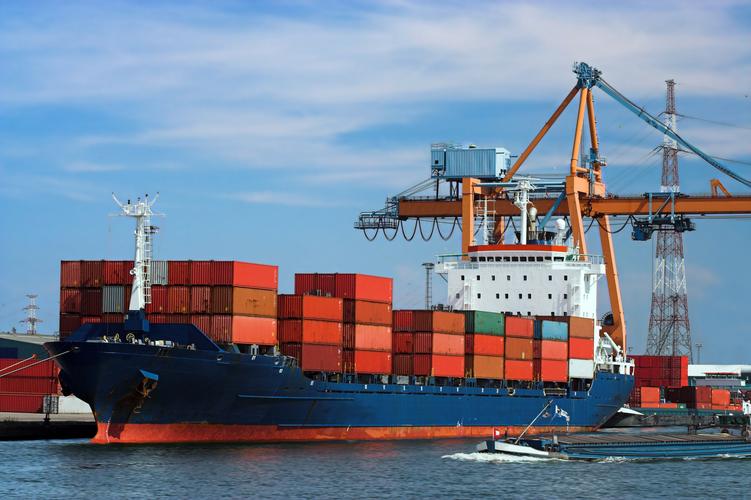

n the era of global trade expansion, many businesses are now considering rail freight to China for efficient, reliable logistics. A rail freight to China quotation offers a clear breakdown of costs and services, enabling shippers to budget thoughtfully and streamline international transport. With fast transit, cost advantages, and environmental gains, rail freight to China has become an increasingly important logistics option.

1. Understanding the Rail Freight to China Term

A quotation outlines the cost and services required to ship goods by rail into China. This includes transportation fees, handling charges, customs procedures, and inland delivery. A quotation helps businesses compare transport modes, reducing uncertainty.

📌 2. Why Request a Rail Freight to China Quote?

Requesting a quote gives clear insight into total logistics costs versus alternative modes like air or sea. Businesses can optimize schedules, balance costs and timing, and align transport strategy based on the estimate.

rail freight to China

3. How Rail Freight to China Quotes Are Calculated

Quotes consider cargo weight and volume, container type, origin and final delivery points, customs duties, and inland drayage. Route-specific factors such as intermodal transfers or gauge transitions are incorporated in quotes, which may also adjust for fuel surcharges or seasonal demand.

📌4. Transportation Insights for Rail Freight to China

rail freight to China

  • Loading containers onto trains at border terminals marks the beginning of transportation — an essential focus in any quote.
  • Transit across Eurasia, including possible breaks for gauge swaps, forms a critical transportation segment integral to quotes.
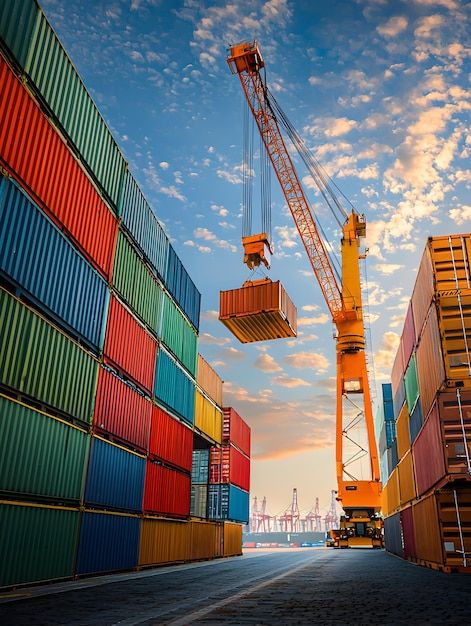
5. Benefits Highlighted in a Rail Freight to China Quote


BenefitDescription
Cost EfficiencyTypically lower per-ton rates compared to air freight.
SpeedRail transit is faster than sea shipping.
EnvironmentalRail emits less carbon than road or air transport.
rail freight to China

6. Common Limitations Noted in a Quote

Quotes may include charges for container transshipments, customs delays, or infrastructure limitations—especially where gauge differences or limited rail access exist.


7. Request a Quote

 China Top Freight offers:

  • ✅ Origin and Destination Countries
  • ✅ Cargo Type and Volume
  • ✅ Preferred Transport Method (Air, Sea, Rail, Road)
  • ✅ Delivery Timeline
  • ✅ Special Handling Requirements (if any)

💬8. FAQ

Q. How long does transit take?

Answer: Typically 15–21 days, depending on route and border processing.

Answer: Yes. Rail is generally quicker than maritime shipping.

Answer: Sometimes. Quotes may itemize them separately based on market changes.

Answer: Often yes. Forwarders may revise fees for container haulage or customs handling.

Post a Comment