

- By kelly
- September 22, 2025
- Logistics, Tips or Guide
Rail Freight Transport from China to Europe: Costs, Transit Times, and Logistics Guide
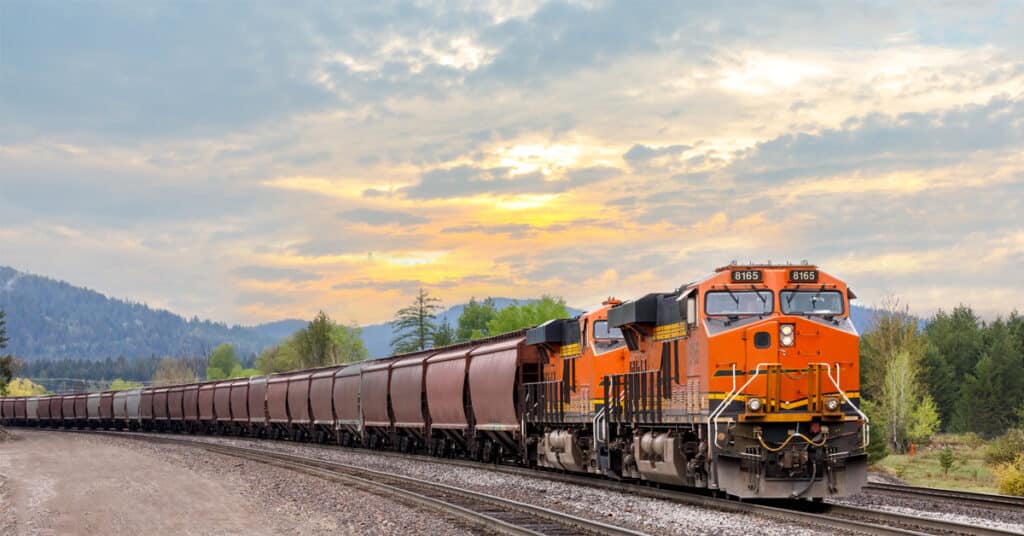
Rail freight transport from China to Europe has grown rapidly as an efficient middle-ground solution for international trade. Many importers and exporters struggle with the unpredictability of ocean shipping and the high expense of air freight. However, rail freight combines speed, affordability, and sustainability, making it an increasingly attractive choice for businesses seeking supply chain stability.
What Is Rail Freight Transport from China to Europe?
Rail freight transport refers to moving goods via railway networks that connect Chinese industrial hubs with European distribution centers. Moreover, these services operate through the Belt and Road Initiative (BRI), providing reliable routes across Central Asia, Russia, and Eastern Europe before reaching final destinations.
| Feature | Details | Notes |
|---|---|---|
| Transit Time | 12–20 days | Faster than sea, slower than air |
| Cost | $4,500–$8,000 per 40ft container | 40–60% cheaper than air |
| Cargo | Electronics, machinery, automotive, textiles | Both FCL and LCL options |
| Destinations | Germany, Poland, UK, Spain | Key hubs: Duisburg, Warsaw, Madrid |
How Much Does Rail Freight from China to Europe Cost?
Rail freight pricing depends on container size, route, and type of goods. While FCL offers economies of scale, LCL is suitable for smaller loads.
| Container Type | Average Cost | Transit Time | Best For |
|---|---|---|---|
| FCL 20ft | $4,500–$6,000 | 12–18 days | Medium shipments |
| FCL 40ft | $6,500–$8,000 | 15–20 days | Large shipments |
| LCL | $200–$350 per CBM | 15–22 days | SMEs & small loads |
Why Choose Rail Freight Transport Over Air or Sea?
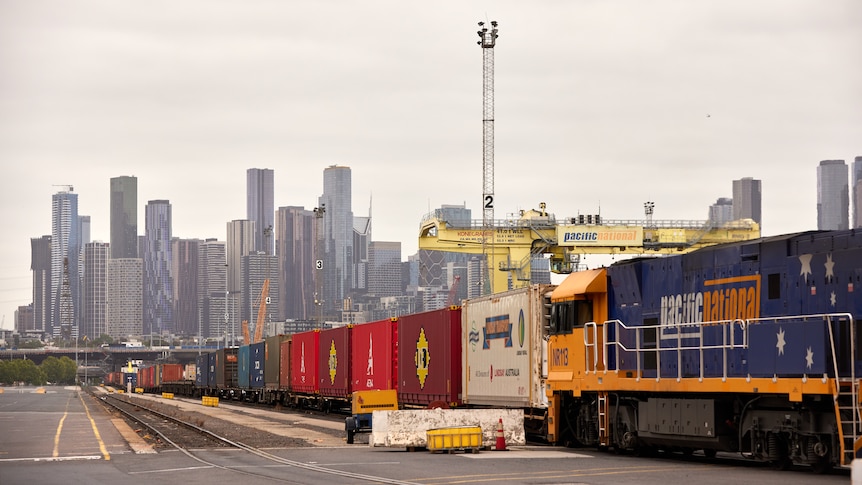
What Are the Main Routes for Rail Freight Transport from China to Europe?
Several established corridors connect Chinese cities with European hubs.
| Route | Cities | Transit Time | Notes |
|---|---|---|---|
| Northern | Xi’an → Moscow → Duisburg | 15–18 days | Electronics, consumer goods |
| Central | Chongqing → Kazakhstan → Warsaw | 17–20 days | Machinery, chemicals |
| Southern | Chengdu → Turkey → Spain | 18–22 days | Textiles, fast fashion |
What Documents Are Required for Rail Freight Transport?
Accurate paperwork ensures smooth customs clearance across multiple jurisdictions.
| Document | Purpose |
|---|---|
| Bill of Lading | Proof of shipment |
| Commercial Invoice | Declares value |
| Packing List | Quantity and dimensions |
| Certificate of Origin | Proves manufacturing source |
| Transit Customs Declaration | For cross-border shipping |
| Import License | Required for restricted items |
How Long Does Rail Freight Take from China to Europe?
Transit times vary by route and destination. Moreover, customs clearance and seasonal factors can extend delivery schedules.
| Destination | Transit Time | Notes |
|---|---|---|
| Germany | 12–16 days | Duisburg hub |
| Poland | 13–18 days | Warsaw hub |
| Spain | 18–22 days | Longer southern route |
| UK | 15–20 days | Includes cross-channel transfer |
How Has the Belt and Road Initiative Influenced Rail Freight?
Can Rail Freight Reduce Supply Chain Risks?
Yes, rail freight helps mitigate risks common in ocean shipping such as port congestion and unpredictable weather. Moreover, it provides fixed schedules and fewer handling points, reducing delays and cargo damage.
| Risk | Rail Mitigation | Advantage |
|---|---|---|
| Port congestion | Rail bypasses seaports | Reliable transit |
| Weather | Land-based stability | Less disruption |
| Security | Enclosed containers | Reduced theft risk |
How Do Businesses Optimize Rail Freight Transport from China to Europe?
- Book early to lock in rates.
- Consolidate shipments for efficiency.
- Use strategic hubs for distribution savings.
- Leverage tracking technology for visibility.
- Partner with experienced freight forwarders to simplify customs.
📦Get a Free Quote
Rail freight transport from China to Europe is a cost-efficient and sustainable alternative that helps companies achieve faster delivery times and greater supply chain resilience. Contact our logistics team today for competitive rates and tailored freight solutions.
❓ Frequently Asked Questions
1. How long does rail freight transport from China to Europe take?
Transit time is usually 12–20 days depending on route, destination, and customs clearance efficiency.
2. Is rail freight cheaper than air freight?
Yes. Rail is typically 40–60% less expensive than air while much faster than sea shipping.
3. What cargo types are suitable for rail transport?
Electronics, textiles, machinery, automotive parts, and consumer goods are commonly shipped by rail.
4. Can small businesses use rail freight?
Yes. LCL services allow SMEs to share containers and save on costs.
5. What documents are needed for customs clearance?
Essential documents include Bill of Lading, invoice, packing list, certificate of origin, and customs declaration.
Conclusion
Rail freight transport from China to Europe offers businesses an efficient alternative to ocean and air shipping. While slower than air, it is significantly faster than sea freight and more affordable. Moreover, with predictable schedules, lower carbon emissions, and growing infrastructure, rail freight is shaping the future of global logistics. Therefore, companies should integrate rail freight into their supply chain strategies to reduce risks, cut costs, and improve delivery performance.