

- By carlie tj
- August 29, 2025
- Tips or Guide, Transport
The Belt and Road Initiative has transformed trade between Asia and Europe, and rail transport China Europe is now one of the most competitive logistics options for businesses. Importers and exporters value it for its balance between cost and speed, offering a middle ground between slower sea freight and expensive air freight.
Every year, thousands of containers move through corridors like Chongqing–Duisburg, Yiwu–Madrid, and Chengdu–Łódź. For companies shipping machinery, electronics, textiles, and automotive parts, rail freight provides reliability and efficiency.
This guide will explore rail shipping routes, costs, delivery times, customs procedures, and how businesses can use this method to cut costs while staying flexible.
👉 For tailored rail freight solutions, visit our China Top Freight Homepage and request a free quote today.
1. Rail Freight from China to Europe – Main Routes and Hubs
- Chongqing → Duisburg (Germany)
- Yiwu → Madrid (Spain)
- Chengdu → Łódź (Poland)
- Zhengzhou → Hamburg (Germany)
Table 1 – Major Rail Routes & Transit Times
| Route | Transit Time | Distance | Notes |
|---|---|---|---|
| Chongqing–Duisburg | 14–16 days | 11,000 km | Most frequent service |
| Yiwu–Madrid | 18–20 days | 13,000 km | Longest rail route |
| Chengdu–Łódź | 14–17 days | 10,800 km | Key for Central Europe |
| Zhengzhou–Hamburg | 15–18 days | 11,200 km | Stable schedules |
2. Rail Transport Costs China Europe – How Prices Compare
- Rail is 30–50% cheaper than air freight
- Faster than sea freight (14–20 days vs. 30–40 days)
- Rates typically range $6,000–$8,000 per 40ft container
3. FCL vs. LCL Rail Shipping – Which Is Better?
- LCL: Best for small shipments, cost shared with other shippers.
- FCL: Recommended for full loads, offering security and faster handling.
Transition sentence: As your business grows, shifting from LCL to FCL can reduce unit costs and streamline logistics efficiency.
4. Rail vs. Sea Freight – Which to Choose for Europe Imports
| Mode | Transit Time | Cost (40ft) | Best For |
|---|---|---|---|
| Rail | 14–20 days | $6,000–$8,000 | Balanced cost & speed |
| Sea | 30–40 days | $2,000–$3,000 | Cheapest, bulk cargo |
| Air | 5–9 days | $15,000–$20,000 | Urgent, high-value goods |
5. Customs Clearance for Rail Transport China Europe
- Requires export declaration in China
- Import clearance in EU (based on HS code)
- Documents: invoice, packing list, rail waybill, certificate of origin
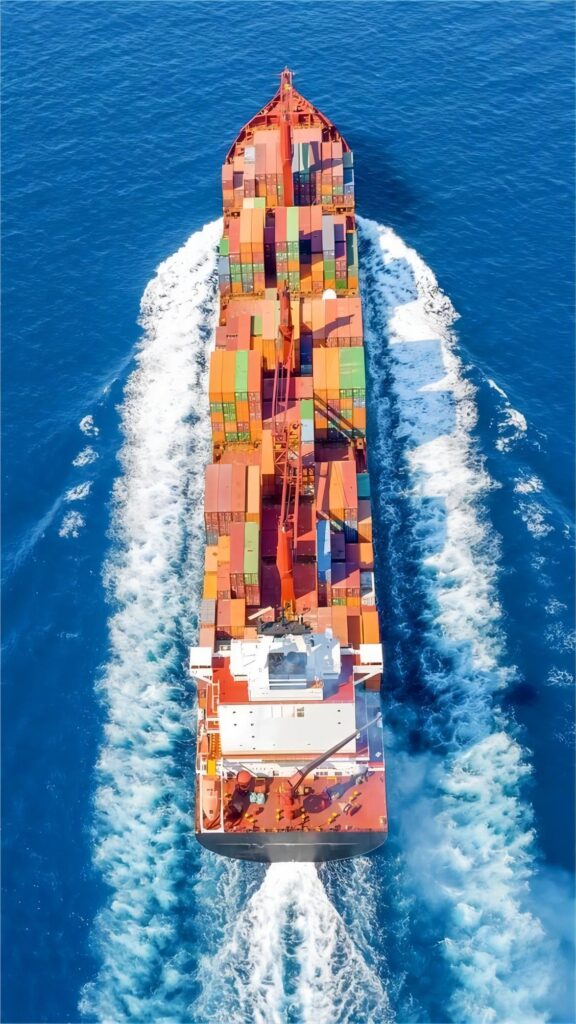
6.When to Switch from Sea to Rail
Businesses usually start with sea freight for cost savings. But when faster inventory turnover is needed, switching to rail reduces cash-flow risks without the heavy cost of air freight.
👉 Many importers adopt a hybrid strategy: rail for urgent restocks, sea for regular replenishment.
7.Conclusion
Rail transport China Europe is no longer a niche option — it’s a strategic logistics solution bridging cost and speed. By comparing it with sea and air freight, preparing customs documents properly, and working with the right forwarder, importers can streamline operations and reduce costs.
8. Request a Quote
China Top Freight offers:
- ✅ Origin and Destination Countries
- ✅ Cargo Type and Volume
- ✅ Preferred Transport Method (Air, Sea, Rail, Road)
- ✅ Delivery Timeline
- ✅ Special Handling Requirements (if any)
9. FAQ
1. How can I track my rail shipment in real time?
Most operators now provide digital tracking portals. Using them helps businesses plan inventory and customer deliveries more accurately.
2. What happens if my goods are delayed at a border?
Forwarders usually work directly with customs to resolve checks. Preparing documents early reduces the chance of extended delays.
3. Can I ship hazardous goods by rail?
Yes, but only under strict international rail regulations. Shippers must provide MSDS and packaging that meets safety standards.
4. How do businesses protect goods on long rail routes?
Use reinforced pallets, secure wrapping, and consider GPS-enabled seals for containers. Cargo insurance is also recommended.
5. Are rail freight rates negotiable?
Yes. Companies shipping regularly can often negotiate better prices, especially when booking space through a forwarder’s consolidation program.