

As global trade evolves, many importers increasingly choose railway shipping china to europe because it offers faster transit than sea freight and significantly lower costs than air freight. Moreover, rail freight provides predictable schedules, stable capacities, and reliable service for a wide range of goods, making it a strategic logistics option for businesses needing balance between speed and cost.

What Is Railway Shipping China to Europe and How Does It Work?
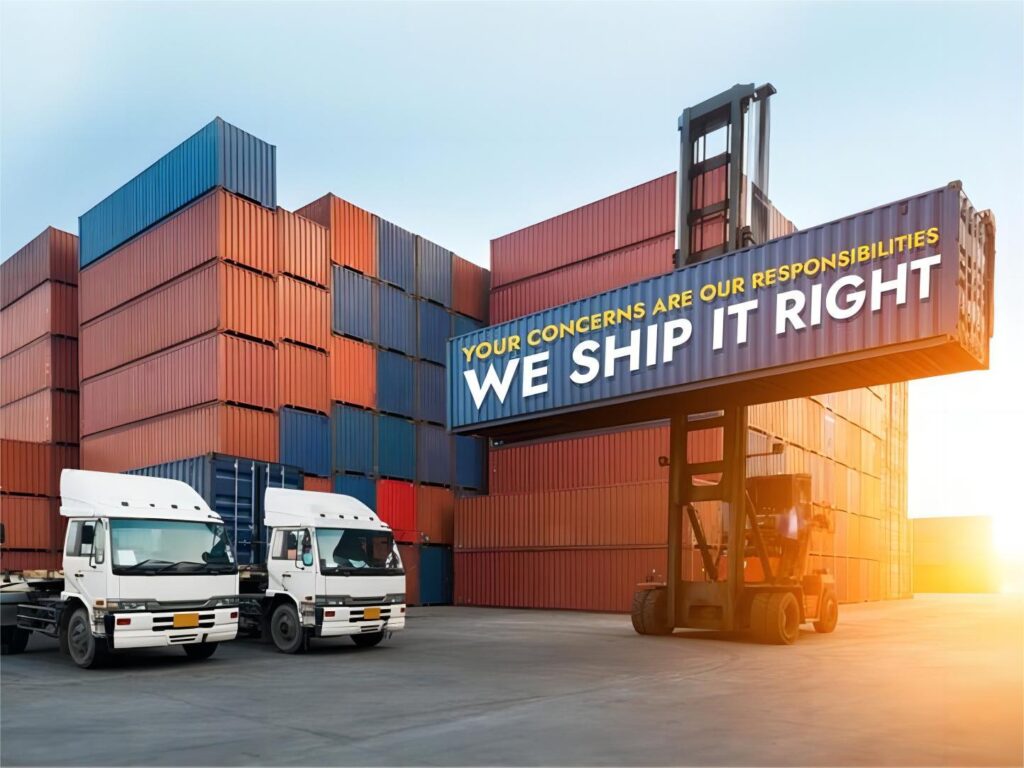
Rail freight connects major Chinese manufacturing hubs with European destinations through well-structured corridors such as the China–Europe Railway Express. Additionally, the service supports FCL, LCL, and palletized cargo options, offering versatile solutions for various supply-chain needs.
Key Features of China–Europe Rail Freight
- Faster than ocean freight
- More affordable than air freight
- Stable delivery schedules
- Suitable for electronics, machinery, apparel, automotive parts
- Environmentally friendly transport method
Why Choose Railway Shipping China to Europe Over Air or Sea Freight?
Many importers prefer railway shipping china to europe for its balance between speed, affordability, and reduced carbon footprint. Additionally, rail freight avoids long port congestion delays that often affect sea shipments.
| Method | Transit Time | Cost Level | Best For | Pros | Cons |
|---|---|---|---|---|---|
| Sea Freight | 25–40 days | Low | Large, non-urgent cargo | Cheapest | Slow & congested |
| Rail Freight | 15–25 days | Medium | Medium-large shipments | Fast & reliable | Limited hazardous cargo |
| Air Freight | 3–7 days | High | Urgent goods | Fastest | Expensive |
How Much Does Railway Shipping Cost from China to Europe?
Rail freight pricing depends on cargo weight, volume, route, and season. Nevertheless, it remains consistently cheaper than air freight while providing faster service compared to sea.
| Cargo Size | Estimated Cost (USD) | Notes |
|---|---|---|
| 1–3 CBM | $280–$480 | Small shipments |
| 5–12 CBM | $600–$1,100 | Medium shipments |
| 20ft Container | $4,000–$6,000 | Regular rail rates |
| 40ft Container | $6,500–$9,500 | Faster than sea |
Rates vary depending on origin city (Chongqing, Xi’an, Yiwu, Zhengzhou) and destination (Germany, Poland, France, Spain).
What are you waiting for?
Contact chinatopfreight for a fast, free quote.
Are you ready to book?
Access live instant freight quotes
What Are the Transit Times for Railway Shipping China to Europe?
Transit time varies by route, customs, and terminal processing speed.
| Destination | Transit Time |
|---|---|
| Germany | 14–18 days |
| Poland | 12–16 days |
| France | 16–20 days |
| Italy | 18–24 days |
| Spain | 18–25 days |
| Netherlands | 15–20 days |
Additionally, consolidation may add 2–4 extra days for LCL shipments.
What Goods Are Suitable for Railway Shipping from China to Europe?
Rail freight is ideal for goods needing balanced speed and cost.
Product Categories That Fit Rail
- Electronics and high-value components
- Automotive parts
- Clothing and textiles
- Home appliances
- Machinery and tools
- Consumer products
- E-commerce goods
- Industrial equipment
Products requiring low vibration, stable temperature, or quick replenishment benefit significantly.
What Documents Are Required for Railway Shipping China to Europe?
Documentation accuracy is essential to avoid customs delays at both ends.
| Document | Purpose |
|---|---|
| Commercial Invoice | Declares value |
| Packing List | Cargo dimensions |
| Rail Waybill | Transport proof |
| Export Declaration | China customs requirement |
| HS Codes | Duty classification |
| Certificate of Origin | Claims tariff benefits |
| CE/RoHS Certificates | Required for certain products |
| Insurance Certificate | Cargo protection |
How Does the China–Europe Rail Shipping Process Work?
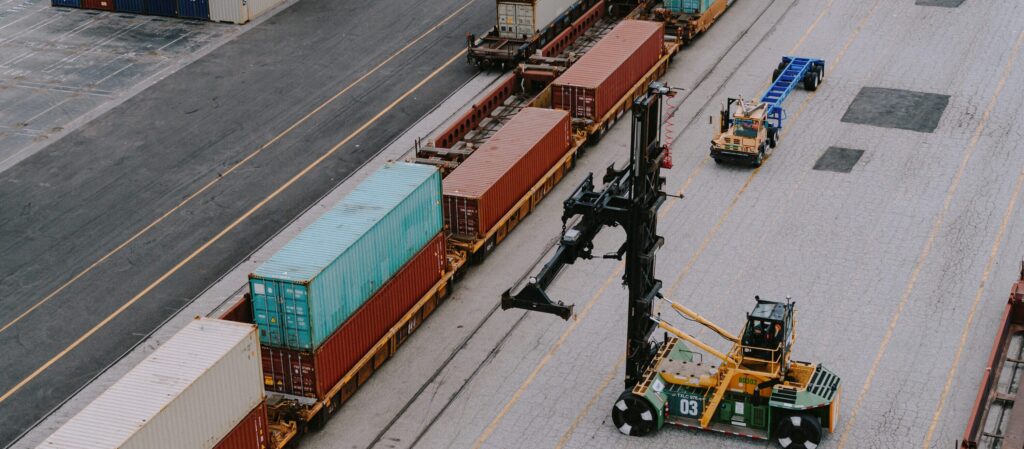
A clear logistics workflow improves efficiency and reduces delay risks.
Step-by-Step Rail Shipping Process
- Cargo prepared and packaged at supplier
- Shipment delivered to rail terminal or warehouse
- Cargo consolidated (LCL only)
- Export customs clearance
- Train departure from China hub
- Border customs at Kazakhstan / Russia / Belarus
- Arrival in Europe terminal
- EU customs clearance
- Final delivery by truck to warehouse
Moreover, accurate documentation helps reduce border inspection delays.
How to Choose Between FCL and LCL for Railway Shipping?
| Factor | FCL Rail | LCL Rail |
|---|---|---|
| Cost Efficiency | Best for 12+ CBM | Best for 1–10 CBM |
| Transit Time | Faster | Slightly slower |
| Handling Risk | Lowest | Higher |
| Customs | Easier | More inspections |
FCL is recommended for sensitive or high-value goods.
What Are the Advantages and Disadvantages of Railway Shipping?
| Pros | Cons |
|---|---|
| Faster than ocean freight | Not suitable for DG cargo |
| Lower cost than air freight | Capacity limits in peak seasons |
| Reliable schedules | Route restrictions |
| Lower carbon emissions | Additional truck delivery needed |
Rail freight is often the ideal middle-ground option for European importers.
How to Reduce Costs for Railway Shipping from China to Europe?
Cost Reduction Strategies
- Ship during off-peak seasons
- Consolidate smaller shipments
- Use strategic rail terminals
- Optimize packaging for CBM reduction
- Choose stable long-term contracts
- Verify HS codes for correct duty
Additionally, early booking improves rate stability.
Conclusion
In conclusion, railway shipping china to europe provides a powerful middle-ground freight solution, offering faster transit than ocean shipping and lower costs than air freight. With correct documentation, optimized packing, and a reliable logistics partner, businesses can achieve smoother customs clearance, reduced lead times, and stable supply-chain performance. Ultimately, railway freight supports long-term growth for companies exporting from China to Europe.
FAQ
1. What types of goods are best suited for railway shipping from China to Europe?
Rail freight is ideal for electronics, textiles, machinery, automotive parts, and e-commerce goods needing a balance between speed, cost, and predictable transit times.
2. Is rail shipping faster than sea freight?
Yes. Railway transport typically takes 15–25 days, which is significantly faster than ocean freight’s 25–40 days, making it ideal for semi-urgent inventory needs.
3. Are there customs checks during railway shipping?
Yes. Trains undergo customs inspections at departure, border crossings, and arrival terminals. Accurate documents reduce delays and prevent unnecessary examinations
4. Does rail freight allow hazardous materials?
Generally no. Many dangerous goods are restricted or require specialized approval because of safety regulations across multiple border checkpoints on the rail route.
5. How do I track a railway shipment from China to Europe?
Tracking is available through container numbers, waybill numbers, or forwarder portals, providing real-time updates for each checkpoint along the rail corridor.