

- By kelly
- October 22, 2025
- Logistics Guide
Railway Shipping China to Germany: Complete Guide to Costs, Transit & Customs
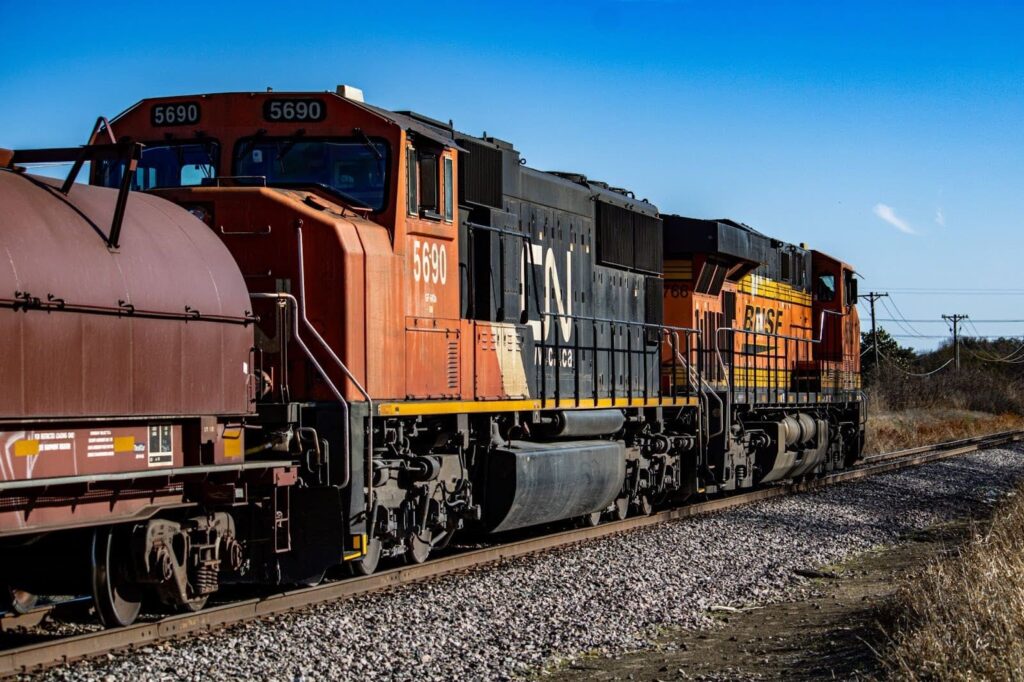
For many businesses, railway shipping China to Germany has become a strategic alternative to air and sea freight. It offers faster transit than ocean shipping while being more cost-effective than air freight. However, importers often face challenges such as customs clearance, documentation, and varying shipping costs. This guide provides everything you need to know to streamline your logistics between China and Germany.
1. What Is Railway Shipping from China to Germany?
Railway shipping refers to transporting goods via freight trains along the China-Europe Railway Express, a key component of the Belt and Road Initiative.
It connects major Chinese hubs such as Chengdu, Chongqing, Xi’an, and Shenzhen to German logistics centers including Duisburg, Hamburg, and Munich.
Unlike sea or air freight, rail transport balances speed, reliability, and cost-efficiency—making it popular for European importers.
2. How Long Does Railway Shipping from China to Germany Take?
Railway shipping is significantly faster than sea freight but slower than air freight.
| Shipping Method | Average Transit Time | Best Use Case |
|---|---|---|
| Air Freight | 5–9 days | Urgent, lightweight cargo |
| Railway Freight | 18–25 days | Mid-speed, cost-sensitive shipments |
| Sea Freight | 30–45 days | Bulk, non-urgent goods |
Therefore, railway shipping is ideal for companies needing reliable mid-range transit times while maintaining lower costs.
3. How Much Does Railway Shipping from China to Germany Cost?
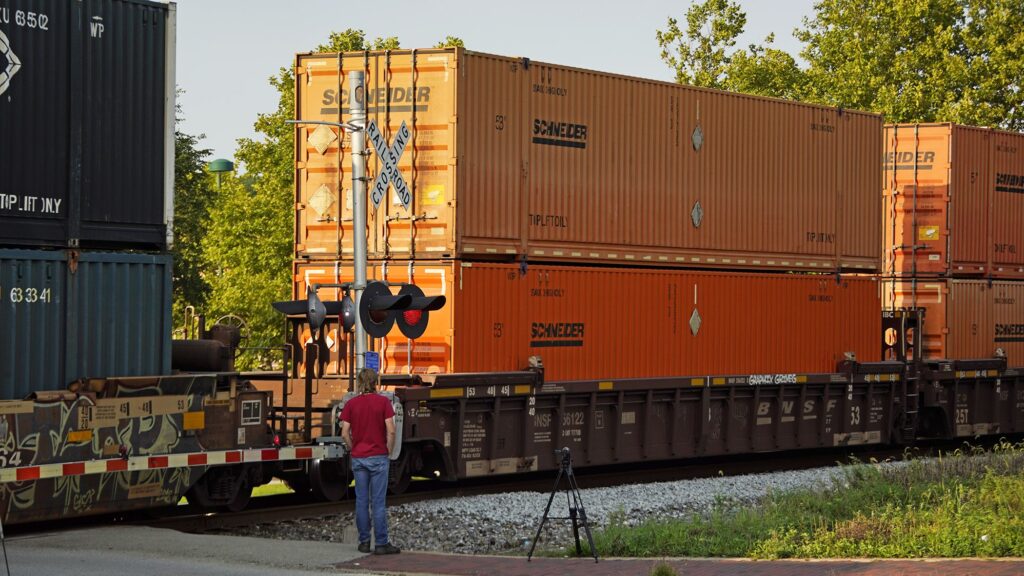
Rail freight pricing depends on volume, container size, and cargo type.
| Shipping Method | Typical Cost (per container) | Pros | Cons |
|---|---|---|---|
| Air Freight | $6,000–$9,000 / ton | Fastest delivery | High cost per kg |
| Railway Freight (40ft) | $6,000–$8,000 | Balance of cost and speed | Limited cargo types |
| Sea Freight (40ft) | $2,500–$4,000 | Lowest cost per unit | Longest transit |
Moreover, costs may fluctuate during peak seasons or due to fuel surcharges.
4. Why Choose Railway Shipping over Air or Sea Freight?
| Method | Advantages | Disadvantages |
|---|---|---|
| Air Freight | Fast, reliable | High costs, weight restrictions |
| Sea Freight | Cheapest for bulk, stable | Long transit times, port congestion |
| Rail Freight | Eco-friendly, faster than sea, cheaper than air | Limited dangerous goods, fewer routes |
Rail freight therefore represents the middle ground, making it an attractive solution for European importers.
5. Which Products Are Best Suited for Railway Shipping?
Rail transport is well-suited for:
- Electronics and consumer goods
- Automotive parts and machinery
- Fashion and textiles
- Medical equipment and pharmaceuticals
- Seasonal retail items requiring mid-fast delivery
However, dangerous goods, oversized cargo, or liquids may face restrictions.
6. What Customs Documents Are Required for Railway Shipping to Germany?
Importers must ensure all documents are prepared correctly to avoid customs delays.
| Document | Purpose |
|---|---|
| Commercial Invoice | Declares product value |
| Packing List | Details cargo content |
| Rail Waybill | Proof of shipment by rail |
| Certificate of Origin | Confirms manufacturing country |
| Import License | Required for restricted items |
| EORI Number | Mandatory for EU customs clearance |
Additionally, Germany enforces strict compliance on VAT, product standards, and safety certifications.
7. What Are the Main Railway Routes from China to Germany?
- Chongqing – Duisburg (fastest, 16–20 days)
- Xi’an – Hamburg (popular for electronics)
- Chengdu – Munich (balanced cost and time)
- Wuhan – Duisburg (industrial goods focus)
These routes serve as key arteries for China-Europe trade, connecting manufacturing hubs directly to European distribution centers.
8. How Does Railway Shipping Impact Your Supply Chain?
Railway shipping enhances supply chain resilience by:
- Reducing dependency on congested sea routes.
- Offering stable schedules compared to volatile air freight.
- Lowering carbon emissions compared to both air and sea.
- Allowing multimodal shipping (rail-sea or rail-truck combinations).
Therefore, it creates more balanced logistics strategies for importers.
9. How to Reduce Railway Shipping Costs from China to Germany?
- Book early: Avoid peak-season surcharges.
- Consolidate shipments: Use LCL (Less than Container Load) to share space.
- Negotiate Incoterms: Clarify responsibility between buyer and seller.
- Choose flexible routes: Different departure hubs may have better rates.
- Work with a freight forwarder: Leverage volume discounts.
10. How Does Railway Freight Compare in Environmental Impact?
Rail freight produces significantly lower CO₂ emissions than air and sea freight.
| Method | CO₂ Emissions (per ton/km) |
|---|---|
| Air Freight | 500 g |
| Sea Freight | 10–40 g |
| Rail Freight | 20–25 g |
This makes railway shipping a sustainable logistics solution for businesses focused on reducing carbon footprints.
11. Can Small and Medium Businesses Use Railway Shipping?
Yes, SMEs benefit from LCL rail freight, which allows multiple shippers to share container space. This reduces cost while still ensuring faster delivery compared to sea freight.
12. Pros and Cons of Railway Shipping China to Germany
| Pros | Cons |
|---|---|
| Faster than sea freight | More expensive than sea freight |
| Cheaper than air freight | Limited cargo restrictions |
| Environmentally friendly | Fewer departure hubs |
| Stable schedules | Seasonal demand surcharges |
📦Get a Free Quote
Choosing railway shipping from China to Germany gives you a competitive advantage—faster than ocean transport, cheaper than air freight, and more sustainable overall. Partnering with an experienced logistics provider ensures compliance, smooth customs clearance, and cost-effective solutions.
❓ Frequently Asked Questions
1. What is the average transit time for railway shipping China to Germany?
Rail freight usually takes 18–25 days, offering a faster option than sea freight but slower than air freight.
2. Is railway shipping cheaper than air freight from China to Germany?
Yes, rail is typically 40–60% cheaper than air freight, making it more cost-effective for medium-volume shipments.
3. Can I ship small cargo by rail from China to Germany?
Yes, LCL railway shipping allows small and medium businesses to consolidate cargo into shared containers.
4. Which German cities receive direct rail freight from China?
Key destinations include Duisburg, Hamburg, and Munich, serving as major logistics hubs for distribution.
5. How eco-friendly is railway freight compared to sea and air?
Rail freight generates lower carbon emissions, making it an environmentally sustainable choice for international trade.
Conclusion
Railway shipping China to Germany has emerged as a powerful logistics solution—balancing cost, speed, and sustainability. While air freight remains the fastest and sea freight the cheapest, rail offers the best of both worlds. With reliable schedules, eco-friendly advantages, and growing route networks, it is an excellent choice for businesses seeking efficient trade between Asia and Europe.
By working with a trusted freight forwarder, importers can ensure smooth customs clearance, competitive rates, and optimized supply chain management for consistent success in international trade.