

Shipping high-value or moisture-sensitive furniture requires stable temperatures, controlled humidity, and reliable routing. Therefore, choosing the Reefer FCL best route for furniture from China to Texas is a crucial decision for importers who want to protect product quality, ensure reliable transit time, and avoid costly cargo damage. Because furniture is easily affected by mold, warping, and condensation, using reefer containers with the right route planning significantly reduces risk and improves supply chain efficiency.
This article explains the best routes, cost considerations, transit times, required documents, and practical strategies to ensure successful deliveries across Texas’s major distribution hubs, including Houston, Dallas, and Austin.
1. What Factors Determine the Reefer FCL Best Route for Furniture from China to Texas?
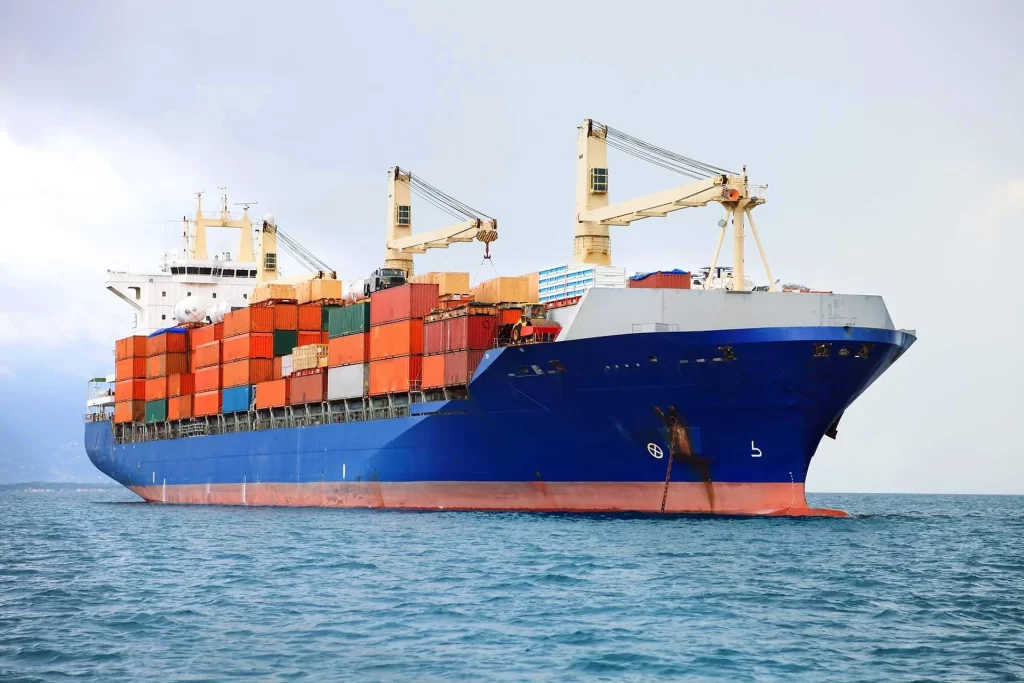
Selecting the optimal route involves evaluating multiple logistics variables. Moreover, because reefer container availability is limited, especially during peak seasons, understanding route performance helps prevent delays and unexpected charges.
Key factors include:
- Port congestion levels
- Reefer equipment availability
- Carrier reliability
- Transshipment points
- Seasonal demand
- Terminal reefer plug-in capacity
- Fuel adjustments and shipping costs
- Cargo type (solid wood, leather, high-value furniture)
Because Texas is inland from the Gulf Coast, importers must also consider inland trucking or rail distances.
2. What Are the Main Route Options for Reefer FCL Shipments to Texas?
There are three primary routing options for reefer containers traveling from major Chinese ports to Texas. Each offers distinct advantages depending on transit time, cargo urgency, and cost structure.
Comparison Table – Reefer FCL Best Route Options
| Route Option | China Origin | Final Port | Strengths | Considerations |
|---|---|---|---|---|
| Route A – South China → Houston (Direct) | Shenzhen, Guangzhou | Houston | Fastest arrival, reduced transship risk | Higher peak-season demand |
| Route B – East China → Houston via Transshipment | Shanghai, Ningbo | Houston | Stable schedules | Longer transit time |
| Route C – All China → Los Angeles → Texas | Any port | LA → Texas inland | Good during Gulf congestion | Higher inland trucking cost |
For the majority of furniture importers, Route A is considered the Reefer FCL best route due to short transit time and reliable reefer capacity.
3. Why Is the South China → Houston Route Considered the Reefer FCL Best Route?
The South China export region produces large volumes of furniture. Therefore, major carriers prioritize sailing schedules from Shenzhen and Guangzhou to Houston.
Advantages of This Route
- Shorter ocean transit time
- Higher reefer container availability
- Fewer transshipment points
- Better protection for humidity-sensitive cargo
- Direct service reduces risk of cargo mishandling
Because Houston is one of the largest ports in the Gulf of Mexico, it offers excellent reefer plug-in infrastructure and fast customs processing.
4. What Are the Estimated Transit Times for Reefer FCL Routes to Texas?
Transit time varies based on China’s origin port and the chosen route. However, direct sailings remain the fastest option.
Transit Time Table (Reefer FCL: China → Texas)
| China Port | Texas Destination | Route Type | Transit Time |
|---|---|---|---|
| Shenzhen/Yantian | Houston | Direct | 24–29 days |
| Guangzhou/Nansha | Houston | Direct | 25–30 days |
| Shanghai | Houston | Transshipment | 28–34 days |
| Ningbo | Houston | Transshipment | 29–36 days |
| Qingdao | Houston | Transshipment | 31–38 days |
| Shanghai | Los Angeles → Texas | West Coast + Inland | 20–24 days + inland |
Although the West Coast route is faster for ocean transit, inland trucking or rail to Texas can add significant cost and time.
5. What Additional Costs Should Importers Expect for Reefer FCL Shipments?
Reefer shipments incur more charges than dry containers due to energy use, monitoring, and equipment shortages. Therefore, importers must account for all cost components to plan budgets.
Reefer FCL Cost Breakdown Table
| Cost Item | Description | Estimated Cost |
|---|---|---|
| Ocean Freight | Base rate for reefer FCL | $5,800–$8,500 |
| Reefer Equipment Surcharge | Cooling unit usage | $300–$500 |
| Plug-In Fee | Terminal power supply | $60–$120/day |
| Monitoring Fee | Reefer temperature checks | $45–$90 |
| THC (Origin/Destination) | Terminal handling charges | $200–$350 per side |
| ISPS | Port security fee | $15–$35 |
| Customs Clearance | Import paperwork | $120–$180 |
| Bond Fee (U.S.) | Required for entry | $50–$80 |
Because furniture is sensitive to temperature and humidity, maintaining controlled settings throughout the route is essential.
Are you ready to book?
Access live instant freight quotes
6. How Does Furniture Type Influence Route Selection?
Different furniture materials respond differently to humidity and shipping conditions. Therefore, the reefer settings and ideal routes vary.
Influence of Furniture Type
- Solid wood furniture: Highly sensitive to humidity; needs faster routes.
- Leather sofas/chairs: Moisture damage risk; direct routes recommended.
- High-value luxury furniture: Best transported via shortest transit time.
- Flat-pack furniture: More flexible but still benefits from humidity control.
Choosing the correct route reduces claims, mold risk, and warping.
7. What Documentation Is Required When Shipping Furniture in a Reefer FCL to Texas?
Documents must be prepared accurately to avoid customs delays. Additionally, U.S. customs requires detailed cargo descriptions to identify wood products.
Customs Documents Checklist
| Document | Purpose |
|---|---|
| Commercial Invoice | Declares value and sales details |
| Packing List | Detailed item breakdown |
| Bill of Lading | Contract of carriage |
| Fumigation Certificate | Required for wood items |
| ISPM-15 Pallet Certificate | Mandatory for wooden pallets |
| HS Code Declaration | Duty classification |
| Insurance Policy | Cargo coverage |
| Importer Security Filing (ISF) | Mandatory for U.S. import |
Late ISF filings result in significant penalties, so importers must complete them at least 24 hours before loading at origin.
8. How Do Different Routes Impact Furniture Condition and Safety?
Humidity is the biggest threat to furniture. Moreover, long transshipment routes increase risk because refrigerated units may undergo power changes during terminal moves.
Route Impact Comparison
| Route | Safety Level | Humidity Stability | Risk Factors |
|---|---|---|---|
| Direct South China → Houston | Highest | Very Stable | Minimal handling |
| East China → Houston (TS) | High | Stable | More handling |
| West Coast → Texas | Medium | Moderate | Long inland transport |
For delicate or premium furniture, minimizing handling events is essential.
9. What Are the Pros and Cons of Using Reefer FCL for Furniture Transport?
Reefer containers offer significant benefits, but they also require careful planning.
Pros and Cons Table
| Pros | Cons |
|---|---|
| Humidity + temperature control | Higher shipping rates |
| Reduced mold and warping risk | Limited reefer availability |
| Ideal for high-value furniture | Additional monitoring costs |
| Lower claims and returns | Advance booking required |
Despite higher costs, reefer FCL provides unmatched protection for sensitive furniture.
10. How Should Importers Prepare Furniture for Reefer FCL Shipping?
Proper preparation is essential for successful shipment.
Best Practices Checklist
- Use breathable yet protective wrapping
- Add silica gel or moisture absorbers
- Use wooden crates for fragile pieces
- Avoid airtight plastic for varnished wood
- Ensure cargo is palletized evenly
- Allow ventilation space around cargo
Additionally, avoid overloading, as dense loading restricts air circulation.
Conclusion
Choosing the Reefer FCL best route for furniture from China to Texas ensures consistent humidity control, better cargo protection, and predictable delivery performance across Texas’s major markets. Although reefer shipments cost more than dry FCL, the investment protects valuable furniture from mold, warping, and moisture damage. By understanding route options, transit times, documentation requirements, and packing strategies, importers can make smarter logistics decisions and maintain product quality.
Working with experienced reefer forwarders further enhances routing efficiency, improves schedule reliability, and reduces supply chain risks—ensuring every furniture shipment arrives safely and ready for distribution.
FAQ
1. Why is a reefer container necessary for wooden furniture shipments?
Wooden furniture absorbs moisture easily, and reefer containers maintain controlled humidity and temperature, preventing mold growth, cracking, and long-term material damage during transit.
2. What is the most reliable port of entry for reefer furniture shipments into Texas?
Houston is the most dependable gateway, offering strong reefer infrastructure, quicker customs clearance, and stable sailing schedules from major Chinese export ports.
3. How early should reefer containers be booked from China?
Booking at least two to three weeks ahead ensures equipment availability, especially during peak export seasons when reefer containers face higher demand and scarcity.
4. Do all furniture types require humidity-controlled transport?
Not all, but solid wood, leather, and luxury furniture benefit significantly from controlled conditions that prevent condensation, mold formation, and warping.
5. Are transshipment routes risky for reefer furniture cargo?
They increase handling events and may result in temporary power disconnection, though major terminals typically maintain stable reefer plug-in monitoring for safety.