

- By kelly
- December 4, 2025
- Logistics, Tips or Guide
Reefer FCL Booking Process for Solar Panels from China to Texas
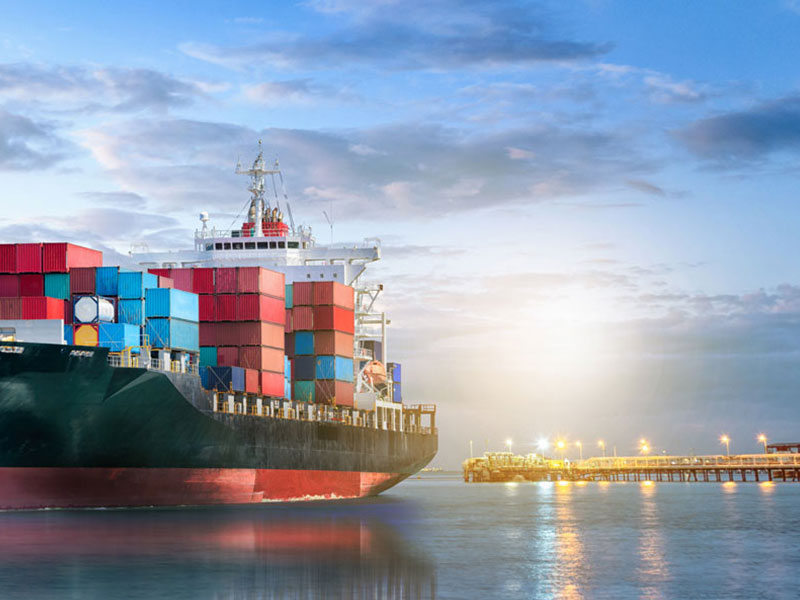
Shipping solar panels requires careful planning, especially when temperature stability is essential. For those exporting from China to Texas, understanding the Reefer FCL booking process for solar panels is key to avoiding cargo damage and ensuring smooth delivery. At ChinaTopFreight, we help streamline this process with tailored solutions for sensitive equipment.
1. Why Use Reefer FCL for Solar Panels to Texas?
Solar panels are sensitive to extreme heat, humidity, and moisture—especially during ocean transit. Therefore, Reefer (refrigerated) containers provide a stable environment for safe delivery.
Moreover, Texas’ climate variations demand consistent temperature regulation, making Reefer FCL containers the most reliable option for high-value shipments like solar equipment.
2. What Is the Reefer FCL Booking Process Step-by-Step?
Understanding each phase of the Reefer FCL shipping process helps avoid common delays and ensures temperature-sensitive cargo arrives intact.
| Step | Booking Action | Details |
|---|---|---|
| 1 | Cargo Readiness Check | Confirm solar panels are properly packaged and ready for loading. |
| 2 | Carrier & Equipment Selection | Choose a reliable shipping line with reefer container availability. |
| 3 | Temperature Setting Configuration | Set temperature/humidity as per cargo requirements (e.g., 20–25°C). |
| 4 | Document Submission | Submit bill of lading, commercial invoice, packing list, MSDS (if needed). |
| 5 | Container Loading & Sealing | Load under supervision, seal container, and prepare for port transfer. |
| 6 | Customs Clearance & VGM Filing | Complete China export formalities and verify gross mass. |
| 7 | Ocean Transit & Reefer Monitoring | Monitor temperature remotely during voyage to Texas. |
| 8 | Port Handling & Delivery | Arrange clearance and delivery to destination in Texas. |
3. How Long Does Transit Take from China to Texas?

Transit time varies based on port and carrier schedules. On average:
| Origin Port | Destination Port (Texas) | Estimated Transit Time (Days) |
|---|---|---|
| Shanghai | Houston | 26–30 |
| Ningbo | Houston | 27–32 |
| Shenzhen | Houston | 24–28 |
| Qingdao | Houston | 30–35 |
Transit times may fluctuate due to seasonal port congestion or customs delays. However, advance planning helps mitigate risks.
4. What Are the Required Documents for Export and Import?
Shipping solar panels involves both general export paperwork and special documentation for reefer cargo.
| Document | Purpose |
|---|---|
| Bill of Lading | Official contract for shipping the cargo. |
| Commercial Invoice | Declares value of the goods for customs. |
| Packing List | Details cargo contents and weight. |
| HS Code Classification | Ensures correct tariff classification. |
| Certificate of Origin | Required for duty preference (e.g., under US-China trade agreements). |
| Temperature Instruction Form | Specifies the exact reefer settings for ocean carriers. |
5. How Much Does Reefer FCL Shipping Cost?
Reefer containers cost more than standard dry FCL containers due to energy use and cooling systems.
| Container Type | From China to Texas (Avg. Cost) | Notes |
|---|---|---|
| 20’ Reefer FCL | $5,000–$6,200 | Suitable for medium-sized solar panel shipments. |
| 40’ Reefer FCL | $7,500–$9,000 | Preferred for large-volume or palletized goods. |
Costs depend on seasonality, fuel surcharges, and equipment availability. Booking early ensures better pricing and space.
6. What Are the Pros and Cons of Reefer FCL vs. Dry FCL?
| Criteria | Reefer FCL | Dry FCL |
|---|---|---|
| Temperature Control | ✓ Yes – Controlled environment | ✗ No – Susceptible to ambient conditions |
| Suitable for Solar Panels | ✓ Ideal for sensitive equipment | ✗ Not recommended |
| Cost | Higher due to refrigeration | Lower base rate |
| Availability | Limited, especially during peak season | Widely available |
| Risk of Moisture Damage | Low, controlled humidity | High, especially in tropical sea routes |

7. How to Prevent Delays in the Reefer FCL Booking Process?
To reduce demurrage, detention, or port delays:
- Book 2–3 weeks in advance to secure reefer availability.
- Confirm port and warehouse readiness before dispatch.
- Ensure customs documents are error-free.
- Use pre-clearance if shipping regularly to Houston.
- Monitor reefer settings using GPS temperature tracking tools.
These actions significantly reduce shipping risks, especially for time-sensitive solar panel deliveries.
8. Can You Combine Reefer FCL with Other Services?
Absolutely. Combining services improves efficiency:
- Door-to-door delivery: From Chinese factory to Texas warehouse.
- Insurance coverage: Protect high-value cargo from transit risks.
- Customs clearance service: Faster clearance and reduced fines.
- Palletizing & fumigation: Essential for smooth US customs entry.
- Return container handling: Avoids costly detention charges post-delivery.
ChinaTopFreight helps integrate these services into a single logistics solution.
9. Should You Insure Solar Panels During Reefer FCL Shipping?
Yes, you should always insure reefer shipments—especially when transporting high-value electronics like solar panels. While reefer containers provide protection, unexpected equipment failures or shipping incidents can occur.
Recommended coverage:
- All-risk cargo insurance up to CIF value.
- Reefer malfunction clauses to cover temperature deviations.
- Delay in transit coverage for project-sensitive deliveries.
10. What Trends Impact Reefer FCL Shipping from China to the U.S.?
Several supply chain trends affect reefer shipping:
- Rising energy costs: Increasing reefer container charges.
- Port automation: Faster handling but stricter cut-off times.
- Carbon footprint regulations: Push toward eco-friendly reefer tech.
- Peak season shortages: Space crunch during July–October.
- Trade compliance tightening: Customs delays if documentation is lacking.
Staying informed helps optimize your logistics planning.
📦Get a Free Quote
Partner with ChinaTopFreight for your Reefer FCL booking process for solar panels from China to Texas. Our expert team offers seamless booking, compliance support, and real-time reefer tracking to ensure safe and timely delivery.
Ready to streamline your next shipment of solar panels? Contact us today for a free quote and professional shipping support.
❓ Frequently Asked Questions
1. What is Reefer FCL shipping for solar panels?
It’s a refrigerated container service used to transport solar panels with temperature-sensitive protection from China to Texas.
2. How early should I book a Reefer FCL?
At least 2–3 weeks in advance, especially during peak shipping seasons or equipment shortages.
3. What’s the average cost of Reefer FCL to Texas?
A 20’ reefer costs around $5,000–$6,200, and a 40’ reefer ranges from $7,500–$9,000 depending on season.
4. Is insurance necessary for solar panel shipments?
Yes, cargo insurance is highly recommended due to the high value and sensitivity of solar panels in transit.
5. What temperature should Reefer FCL be set at?
Typically 20–25°C for solar panels, but always confirm with your equipment manufacturer for ideal ranges.
Conclusion
Shipping solar panels via refrigerated full container load from China to Texas ensures safety, reliability, and compliance. From temperature-controlled environments to detailed documentation and customs support, the Reefer FCL booking process for solar panels from China to Texas plays a critical role in protecting your investment. With ChinaTopFreight, you benefit from expert logistics, real-time visibility, and complete service integration.
Let us handle your next solar shipment with precision—get started today.