

- By kelly
- November 27, 2025
- Tips or Guide
Reefer FCL Booking Process for Auto Parts from China to Poland
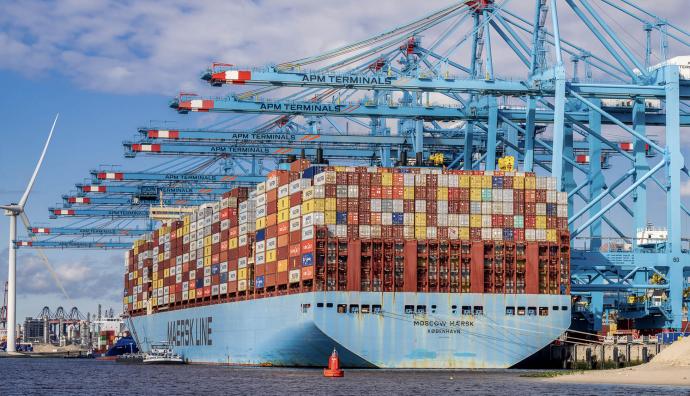
Shipping temperature-sensitive auto parts via full container load (FCL) reefer containers is vital for businesses exporting from China to Poland. The reefer FCL booking process for auto parts from China to Poland requires attention to detail, proper documentation, and optimized transit planning. This guide simplifies the steps, addresses key challenges, and outlines proven solutions to prevent costly delays or damage.
1. What Is a Reefer FCL and Why Use It for Auto Parts?
A reefer container is a refrigerated container used to maintain a specific temperature range during transit. When booking an FCL (Full Container Load), the entire container is reserved for your cargo.
Why use reefer FCL for auto parts?
Some high-tech or rubberized automotive components—like sensors, batteries, adhesives, or sealants—are temperature-sensitive. Reefer FCL ensures climate control, reduces exposure risks, and allows uninterrupted transit through long sea journeys.
2. How to Initiate the Reefer FCL Booking Process from China?
The first step is selecting a qualified freight forwarder with experience in reefer logistics. Here’s a step-by-step breakdown:
- Request a Quote: Provide details like cargo weight, temperature requirements, origin/destination ports.
- Confirm Container Type: Ensure the reefer container meets specific specs for your auto parts.
- Book Space in Advance: Reefer space is limited and requires early booking, ideally 2–3 weeks prior.
- Prepare Documents: Commercial invoice, packing list, MSDS (if needed), temperature compliance certificate.
3. What Documents Are Required for Reefer FCL Export?
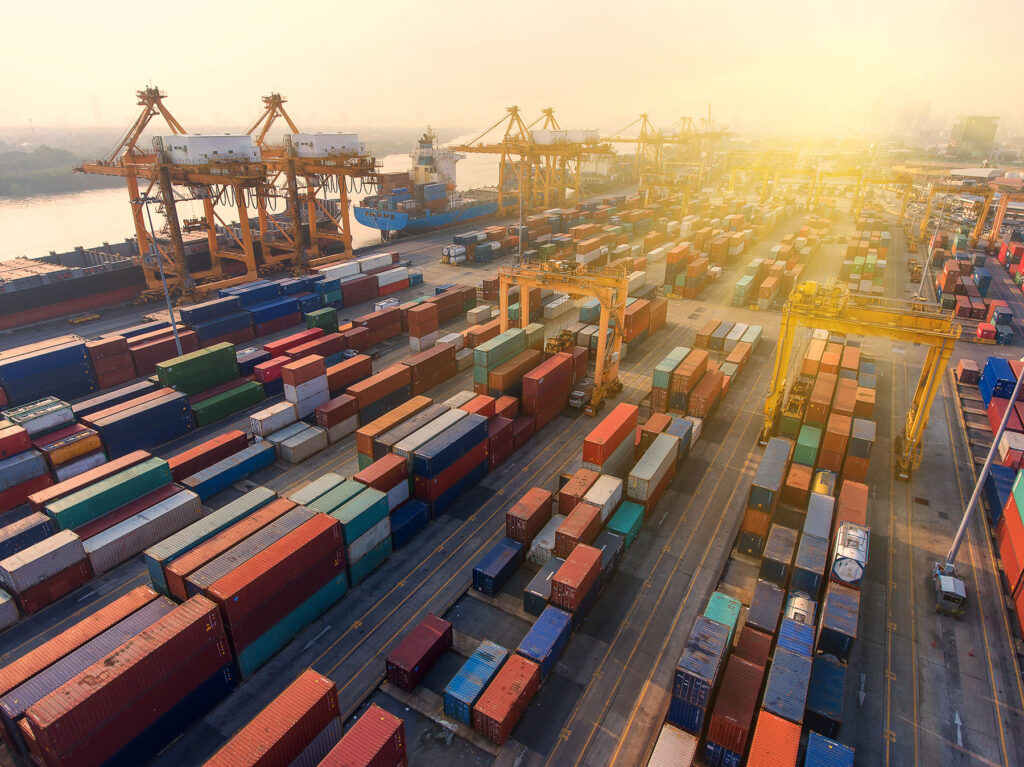
Shipping auto parts from China to Poland demands meticulous paperwork. A customs delay can lead to demurrage and product spoilage.
Required documents checklist:
| Document | Purpose |
|---|---|
| Commercial Invoice | Declares value of goods for customs |
| Packing List | Lists item details and container breakdown |
| Bill of Lading | Legal contract of carriage |
| Certificate of Origin | Proves country of manufacture |
| Temperature Compliance Form | Ensures cargo is suitable for reefer transit |
| MSDS (if applicable) | For hazardous or chemical-based components |
4. What Are the Costs of Reefer FCL for This Route?
Pricing depends on container type, destination, seasonality, and value-added services like plug-in charges or inland haulage.
Typical cost ranges:
| Item | Estimated Cost (USD) |
|---|---|
| 20FT Reefer FCL Ocean Freight | $5,500 – $6,800 |
| Inland Haulage (China side) | $150 – $300 |
| Plug-in Charges (Port storage) | $40 – $100/day |
| Customs & Documentation Fees | $150 – $250 |
Note: Prices fluctuate due to demand, fuel prices, and reefer availability.
5. What Are the Transit Times from China to Poland via Reefer FCL?
Transit time varies by departure port and route (via Gdańsk, Gdynia, or inland depots).
Transit time breakdown:
| Origin Port | Destination (Poland) | Estimated Transit Time |
|---|---|---|
| Shanghai | Gdańsk | 34–38 days |
| Shenzhen | Gdynia | 33–36 days |
| Ningbo | Warsaw (via Gdańsk Rail) | 40–45 days total |
6. How Can You Prevent Demurrage on Reefer FCL Shipments?
Demurrage is a major cost concern in reefer shipping. It occurs when containers exceed free storage time at terminals.
Prevention strategies include:
- Early Document Submission: Avoid customs clearance delays.
- Pre-arrange Delivery: Confirm trucking and rail schedules before ETA.
- Monitor Port Congestion: Select less congested Polish ports.
- Partner with Experienced Forwarders: Professionals can expedite customs release and terminal handling.
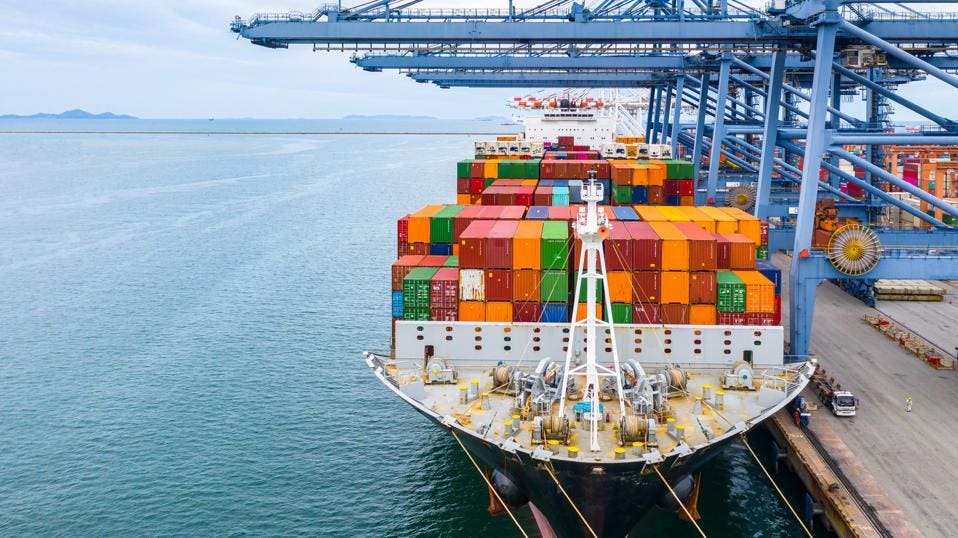
7. What Are the Key Challenges in Reefer FCL Shipping for Auto Parts?
Despite its benefits, reefer FCL comes with specific logistics challenges:
Common obstacles:
- Temperature Deviations: Risk of malfunction during long voyages.
- Customs Delays: Misclassified auto parts can trigger inspections.
- Limited Plug-in Points: Especially in congested terminals.
- Reefer Shortage: High demand during peak seasons.
Solutions: Use pre-trip inspections, real-time reefer tracking, and customs brokers familiar with automotive HS codes.
8. Should You Consider Multimodal Reefer Shipping (Sea + Rail)?
For urgent cargo or inland Polish destinations, combining sea and rail can cut costs and reduce delays.
Pros and Cons:
| Mode | Pros | Cons |
|---|---|---|
| Sea Only | Cost-effective, widely available | Longer delivery to inland cities |
| Sea + Rail | Faster inland delivery, eco-friendly | Slightly higher cost, requires coordination |
9. Can You Track Reefer FCL in Real-Time?
Yes. Most reefer containers offer GPS-based tracking with temperature monitoring. These systems alert operators if temperature falls outside preset ranges, helping protect auto parts in transit.
10. What Are the Best Practices for Reefer FCL Booking to Poland?
- Book Early: Reefer availability is tight, especially in winter.
- Specify Cargo Type Clearly: Not all reefer containers are alike.
- Pre-cool Containers: Avoid temperature shocks.
- Check Incoterms: Use CIF or DDP for full-service convenience.
- Review Polish Import Rules: Avoid customs surprises.
11. How Does Reefer FCL Compare with Air or Rail for Auto Parts?
| Mode | Transit Time | Cost | Suitability |
|---|---|---|---|
| Air Freight | 3–7 days | Very High | Urgent deliveries, small volumes |
| Reefer FCL Sea | 33–45 days | Moderate | Bulk shipments, stable demand |
| Reefer Rail | 18–25 days | Medium-High | Time-sensitive, high-value components |
📦Get a Free Quote
Looking to streamline your reefer FCL booking process for auto parts from China to Poland? Our expert logistics team can ensure safe, timely, and cost-effective deliveries—no matter the season. Request your tailored quote today and protect your sensitive cargo across the entire cold-chain journey.
❓ Frequently Asked Questions
1. What temperature range do reefer containers offer for auto parts?
Most reefer containers can maintain temperatures between -25°C and +25°C, adjustable depending on auto part specifications.
2. How early should I book a reefer FCL from China?
Ideally, book at least 2–3 weeks in advance due to limited reefer availability and longer handling procedures.
3. What Incoterms are best for reefer FCL to Poland?
CIF and DDP are commonly used for reefer shipments, ensuring smoother customs clearance and door-to-door delivery options.
4. Can I consolidate auto parts from different suppliers in one reefer?
Yes, with proper temperature compatibility and documentation, consolidation is possible to reduce cost per unit.
5. What is the average demurrage-free period in Poland ports?
Typically, 5–7 calendar days are free. Beyond that, fees range from $100–$200 per day for reefer units.
Conclusion
In the automotive supply chain, maintaining product integrity is critical. The reefer FCL booking process for auto parts from China to Poland ensures your temperature-sensitive components arrive intact, on time, and without penalty. From document preparation to multimodal routing, every step matters. By planning ahead, working with experienced freight partners, and leveraging reefer tracking technology, you can gain a competitive edge in the global auto parts trade.