

As global demand for high-quality toys grows, importers must manage international logistics with precision. Fragile or temperature-sensitive toy materials, compliance regulations, and strict project schedules make planning essential. The Reefer FCL booking process for toys from China to New York helps ensure product safety, stability, and consistent delivery performance. This comprehensive guide outlines each step of the booking workflow and provides practical strategies to handle customs, container availability, freight rates, and seasonal demand.
1. What Does the Reefer FCL Booking Process for Toys Involve?
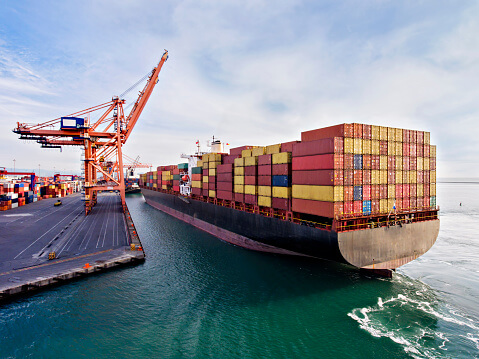
The reefer FCL booking process involves securing a refrigerated container, arranging documentation, coordinating cargo preparation, and managing ocean freight schedules. Although many toys are not temperature-sensitive, certain foam materials, electronics, or coatings can degrade under excessive heat. Therefore, reefer equipment ensures better climate control for premium toy shipments.
Key Components
- Container reservation
- Temperature setting request
- Cargo readiness coordination
- Customs and documentation filing
- Export clearance at origin
- Vessel loading and transit to New York
Moreover, early planning helps avoid peak-season shortages.
2. Why Would Toys Require a Reefer Container?
While most people associate reefer units with food, some toy materials require temperature stability to avoid warping, discoloration, or surface defects.
Toys Likely to Benefit from Reefer Shipment
- Plastic toys vulnerable to heat expansion
- Vinyl or rubber products
- Battery-operated toys
- Electronics-based educational toys
- Premium dolls with delicate coatings
- High-value collectibles needing controlled environments
Additionally, reefer units reduce the risk of damage during long transit across varying climates.
3. What Are the Steps in the Reefer FCL Booking Process for Toys?
Booking a reefer container requires meticulous preparation and coordination with shipping agents and suppliers.
Core Booking Steps
- Identify toy product requirements
- Confirm temperature and humidity needs
- Request reefer container availability
- Submit booking details to the freight forwarder
- Provide cargo dimensions and weight
- Complete documentation
- Arrange factory stuffing and pre-cooling
- Deliver container to port
- Clear export customs
- Load onto the selected vessel
- Track shipment transit toward New York
Furthermore, each step demands timely communication to avoid delays.
What are you waiting for?
Contact chinatopfreight for a fast, free quote.
Are you ready to book?
Access live instant freight quotes
4. What Documents Are Required for Toy Shipments from China to New York?
Correct documentation ensures smooth customs clearance at both origin and destination.
Table: Required Documentation Checklist
| Document | Mandatory | Notes |
|---|---|---|
| Commercial Invoice | Yes | Accurate HS codes for toy categories |
| Packing List | Yes | Show carton count, dimensions, materials |
| Bill of Lading | Yes | Must match other documents |
| ISF Filing | Yes | Required 24 hours before loading |
| Product Safety Certificate | Sometimes | For electronic toys |
| Factory Inspection Report | Conditional | Needed for certain retailers |
| Certificate of Origin | Optional | If importer claims preference |
| EPA/CBP Compliance Docs | Conditional | Based on material types |
Additionally, incomplete documentation is a major cause of port delays in New York.
5. How Long Is the Transit Time from China to New York for Reefer Containers?
Transit time varies by carrier, routing, and origin port. Reefer containers sometimes receive priority to reduce exposure times.
Table: Transit Time by Major China Ports
| Origin Port | Destination: New York | Avg Transit Time | Notes |
|---|---|---|---|
| Shanghai | New York | 30–35 days | Most stable schedule |
| Ningbo | New York | 32–36 days | Suitable for large toy exporters |
| Shenzhen | New York | 28–32 days | Fastest South China route |
| Qingdao | New York | 33–38 days | Ideal for electronics-based toys |
| Tianjin | New York | 35–42 days | Longer for inland transport |
Moreover, winter storms on the U.S. East Coast may occasionally extend transit times.
6. How Much Does It Cost to Ship Toys in a Reefer FCL to New York?
Costs vary by season, carrier choice, and reefer availability.
Table: Estimated Reefer FCL Pricing Breakdown
| Cost Component | Estimated Range (USD) | Notes |
|---|---|---|
| Base Freight | $5,000–$7,500 | Higher than dry containers |
| Origin THC | $180–$260 | Reefer handling premium applies |
| Destination THC | $250–$350 | Extra plug-in charges possible |
| Documentation | $60–$120 | BL, AMS, ISF fees |
| Customs Clearance | $120–$220 | Depends on toy category |
| Reefer Monitoring Fee | $60–$150 | Charged at ports |
| Inland Trucking | $200–$450 | Depends on NY/NJ warehouse |
Additionally, peak holiday toy season often increases equipment demand and pricing.
7. What Temperature Settings Are Typically Used for Toy Shipments?
Temperature settings vary depending on packaging and material type.
Common Temperature Ranges
- 15°C–25°C for electronics
- 10°C–20°C for rubber-based toys
- 5°C–15°C for collectibles or specialty items
- Ambient-controlled reefer mode for general toys
Moreover, humidity control helps prevent fungal growth on packaging.
8. How Do You Ensure Proper Loading of Toys into Reefer Containers?
Proper loading prevents cargo shifting, damage, or exposure to incorrect temperatures.
Loading Guidelines
- Pre-cool the container before stuffing
- Use pallets for even weight distribution
- Apply shock-resistant packaging materials
- Avoid blocking air circulation vents
- Separate electronic and non-electronic items
- Use moisture absorbers for sensitive packaging
Additionally, photos of loading and sealing help validate insurance claims if necessary.
9. What Are the Main Challenges in the Reefer FCL Booking Process for Toys?
Shipping toys with reefer equipment involves unique challenges that importers must prepare for.
Common Challenges
- Reefer shortage during peak season
- Temperature misconfiguration
- Port plug-in availability
- Rising electricity surcharges
- Customs delays due to packaging materials
- Incorrect HS classification for toy categories
Moreover, specific retailers may impose strict compliance standards.
10. How Does Reefer Booking Compare with Dry Container Shipping for Toys?
Importers often compare reefer and dry container shipping to evaluate cost-to-risk benefits.
Table: Shipping Method Comparison
| Method | Cost | Transit Time | Best Use Case | Pros | Cons |
|---|---|---|---|---|---|
| Reefer FCL | $$$ | 28–40 days | Sensitive or high-value toys | Temperature control | Higher cost |
| Dry FCL | $$ | 28–40 days | General toys | Cheapest method | Heat exposure risk |
| Air Freight | $$$$ | 3–7 days | Urgent shipments | Fastest option | Very expensive |
| Rail Freight | $$–$$$ | 18–25 days | Electronics-based toys | Faster than ocean | Not suitable for all cargo |
Additionally, reefer units reduce temperature-related product defects during long transit.
Conclusion
The Reefer FCL booking process for toys from China to New York requires careful coordination, accurate documentation, and proactive temperature management. Moreover, importers must prepare early for container shortages, seasonal demand spikes, and compliance regulations. By following best practices—such as meticulous packing, timely bookings, and digital tracking—shippers can protect toy quality, reduce delays, and achieve smooth supply chain operations from China to New York.
FAQ
1. Why would toys require temperature-controlled shipping?
Some toys contain electronics, rubber, or foam materials that degrade in extreme heat. Controlled reefer environments prevent warping, damage, and packaging defects.
2. How early should I book a reefer container for toy shipments?
Booking two to three weeks in advance reduces the risk of equipment shortages and ensures accurate temperature configuration before loading.
3. Does New York handle reefer containers efficiently?
Yes. New York/New Jersey ports have strong reefer infrastructure, including plug-in points, monitoring systems, and trained handlers for sensitive cargo.
4. Can I mix different toy types in one reefer container?
Yes, as long as their temperature requirements are compatible. Proper packaging and pallet separation ensure stability and safety during shipping.
5. How can I avoid customs delays in New York?
Ensure accurate HS classification, submit ISF filings early, and prepare safety certificates or compliance reports needed for certain toy categories.