

- By kelly
- November 24, 2025
- Tips or Guide, Transport
Reefer FCL Detention Prevention for Lighting from China to New York
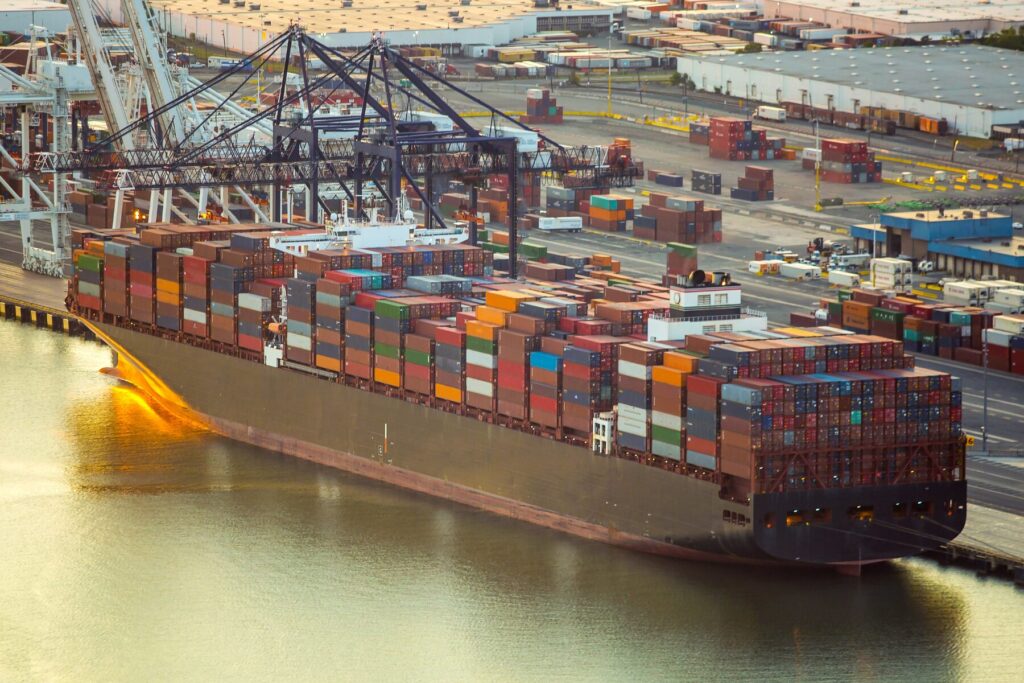
Managing reefer FCL detention prevention for lighting from China to New York is critical for importers who want to avoid unnecessary storage fees, delays, and disruptions in their supply chain. Since lighting products can be sensitive to humidity, temperature variances, and long port waits, preventing detention and demurrage is essential to protecting profits and delivery schedules. This guide explains costs, timelines, required documents, and proven strategies to avoid reefer container detention effectively.
1. What Is Reefer FCL Shipping and Why Is It Used for Lighting?
A reefer FCL (refrigerated full container load) provides controlled-temperature protection, making it ideal for humidity-sensitive lighting goods such as LED panels, smart bulbs, outdoor fixtures, and high-value components.
Moreover, lighting products—although not frozen cargo—often require stable ambient temperature to prevent condensation, corrosion, and electronic degradation during the long China–US transit.
2. Why Is Detention Prevention Important for Lighting Shipments to New York?
Additionally, lighting shipments are often part of construction schedules, retail inventory plans, or seasonal orders, meaning delays can cause significant downstream impact.
3. What Are the Typical Transit Times for Reefer FCL Shipping from China to New York?
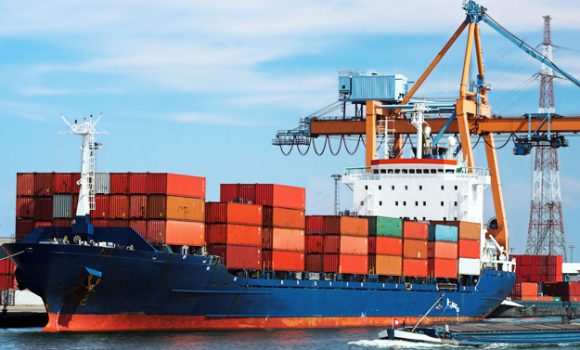
Transit time patterns vary depending on vessel routing and port operations.
Table: Transit Time Overview (Reefer FCL)
| China Port | New York Port | Transit Time | Notes |
|---|---|---|---|
| Shanghai | New York (NY/NJ) | 28–33 days | Most stable route |
| Ningbo | New York (NY/NJ) | 29–35 days | High reefer availability |
| Shenzhen | New York | 32–38 days | Slightly slower |
| Qingdao | New York | 30–36 days | Strong electronics-export route |
However, transit time does not include customs inspection, port congestion, or trucking delays, which can increase detention risk if not well-planned.
4. What Causes Reefer Detention Charges for China–New York Shipments?
Common causes include:
- Late container return to the carrier yard
- Customs holds such as VACIS, X-ray, or intensive exams
- Incomplete import documents delaying clearance
- Unplanned trucking delays
- Port congestion at New York/New Jersey terminals
- Incorrect delivery appointment scheduling
Lighting shipments are especially sensitive because they often involve large SKU counts, which can slow down inspection and handling.
5. What Are the Average Detention and Demurrage Costs for Reefer Containers?
Reefer charges are higher due to energy usage and special container equipment.
Table: Average Reefer D&D Charges (New York)
| Fee Type | Cost Range per Day | Notes |
|---|---|---|
| Demurrage | $250–$350/day | Charged inside port |
| Detention | $200–$300/day | Charged outside port |
| Reefer Plug-in Fee | $80–$150/day | Electricity usage |
| Reefer Monitoring Fee | $40–$75/day | Temperature checks |
Therefore, detention prevention can save thousands of dollars per container.
6. What Documents Are Required for Lighting Imports to the US?
A complete document set plays a major role in detention prevention.
Customs Documents Checklist
| Document | Purpose |
|---|---|
| Commercial Invoice | Declares value & HS codes |
| Packing List | Details LED and lighting content |
| Bill of Lading | Carrier-issued shipment contract |
| ISF Filing | Mandatory before vessel departure |
| Arrival Notice | Provided by carrier |
| Customs Clearance Entry | Required for US release |
| FCC/UL Certificates (if required) | For electronic compliance |
Missing any of these can trigger customs hold and increase detention risk.

7. How Much Does Reefer FCL Shipping for Lighting Cost?
Costs vary by route, season, and carrier.
Table: Approximate Reefer FCL Costs
| Origin Port | Destination | Reefer FCL Cost | Notes |
|---|---|---|---|
| Shanghai | New York | $6,500–$8,500 | Most competitive |
| Ningbo | New York | $6,800–$8,700 | Stable reefer capacity |
| Shenzhen | New York | $7,000–$9,000 | Southern route premium |
| Qingdao | New York | $6,700–$8,900 | Electronics-heavy port |
Because lighting cargo is not high-temperature-sensitive, some importers use reefer containers primarily for moisture protection rather than actual cooling.
8. How Does Reefer Sea Freight Compare to Air and Rail Transport?
Shipping Method Comparison
| Mode | Cost | Transit Time | Pros | Cons |
|---|---|---|---|---|
| Reefer Sea FCL | Low–Medium | 28–38 days | Best for volume and protection | Slowest |
| Air Freight | High | 3–7 days | Fastest for urgent lighting components | Very expensive |
| Rail Freight | Not available to US | — | — | Not applicable |
Sea freight remains the logical option for bulk lighting shipments.
9. What Supply Chain Trends Impact Reefer Detention Prevention?
- Digital port operations at NY/NJ terminals
- AI-assisted reefer temperature monitoring
- Increased US customs enforcement
- Seasonal congestion related to retail and construction demand
- Carbon-neutral shipping initiatives affecting routes
These logistics trends require importers to plan more precisely to avoid detention.
📦Get a Free Quote
To protect your lighting shipments and avoid costly delays, our professionals provide end-to-end reefer FCL detention prevention for lighting from China to New York. Contact us today for real-time rate updates, customs assistance, and professional reefer handling services.
❓ Frequently Asked Questions
1. How can I avoid reefer detention charges in New York?
Plan early, complete customs documents, schedule trucking in advance, and unload containers quickly to meet carrier deadlines efficiently.
2. Why do lighting products require reefer FCL shipping?
Lighting components are sensitive to humidity and condensation, making temperature-controlled reefer containers ideal for preventing moisture-related damage.
3. What are typical reefer detention fees in New York?
Importers may pay $200–$300 per day, with additional plug-in and monitoring fees increasing total detention costs.
4. Can customs delays cause reefer detention?
Yes. Missing documents, incorrect HS codes, or random inspections can extend clearance time and increase detention risk.
5. How long is the reefer FCL transit time from China to New York?
Most shipments take 28–38 days, depending on port pair, routing, and vessel reliability.
Conclusion
Effective reefer FCL detention prevention for lighting from China to New York can save importers thousands of dollars in unnecessary costs while maintaining product integrity and delivery efficiency. Since reefer detention fees are significantly higher than standard container charges, preparing documents early, coordinating trucking schedules, and monitoring cargo proactively are essential. For streamlined logistics, professional assistance, and optimized reefer handling, partnering with an experienced freight forwarder ensures the safest and most cost-effective results.