

- By kelly
- December 2, 2025
- Tips or Guide, Transport
Reefer FCL Detention Prevention for Medical Equipment from China to Los Angeles
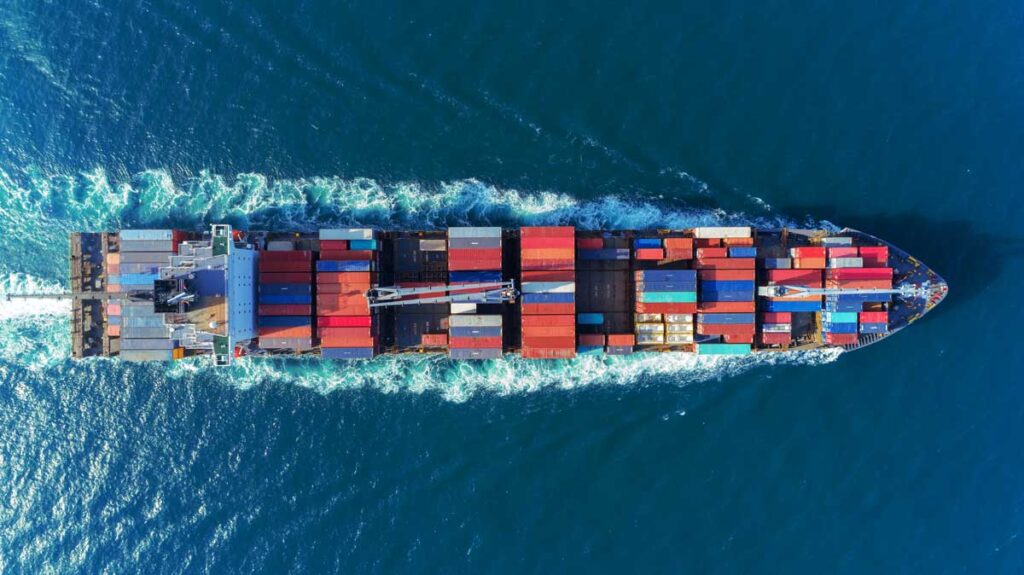
Shipping sensitive medical equipment from China to Los Angeles using Reefer FCL (Full Container Load) requires careful handling and timing. Failure to manage detention properly can lead to serious cost overruns. This guide explains how to ensure smooth delivery, minimize risks, and avoid costly delays.
1. Why Is Detention a Critical Issue for Reefer FCL Shipments?
Reefer containers have limited power autonomy and require rapid clearance. Detention charges accumulate when containers are held beyond the allowed free time. With temperature-sensitive goods like medical equipment, detention not only raises costs but also risks product degradation.
Key risks include:
- Extra port storage charges
- Power failure or temperature fluctuation
- Customs inspection delays
- Equipment damage due to time mismanagement
2. What Types of Medical Equipment Require Reefer FCL Shipping?
Some high-value or temperature-sensitive medical equipment must remain in controlled environments during shipping. Common examples include:
- Diagnostic machines (MRI, CT)
- Lab analyzers and centrifuges
- Vaccine storage fridges
- Surgical tools with sterilization requirements
- Blood storage units
These items are highly regulated and require stable temperatures, minimal vibration, and reliable transit.
3. How Can Detention Charges Be Prevented at the Port of Los Angeles?
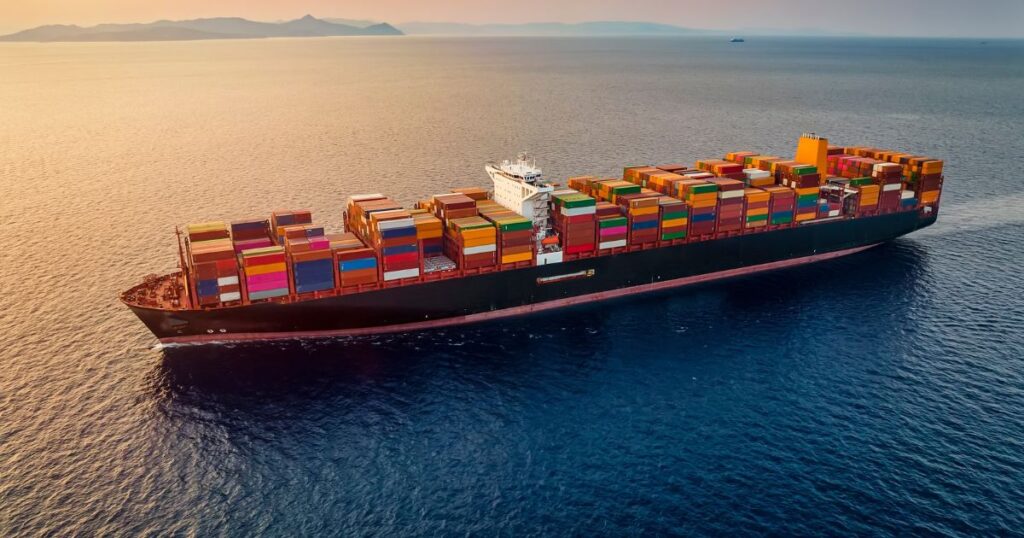
To avoid detention penalties, implement a coordinated strategy that includes:
- Pre-clearance of customs before container arrival
- Timely truck appointment scheduling
- Buffer time for unexpected delays
- Collaboration with an experienced freight forwarder
- Using off-dock depots when port congestion rises
These steps ensure the container spends the least amount of time idle at the terminal.
4. What Is the Standard Free Time for Reefer FCL at LA Ports?
Reefer containers typically have shorter free time than dry containers. Here’s a quick overview:
Free Time & Detention Charges – Los Angeles (Estimated)
| Container Type | Free Time at Terminal | Detention Charges (Per Day) |
|---|---|---|
| Reefer FCL | 2–3 days | $150–$350 |
| Dry FCL | 5–7 days | $75–$125 |
Moreover, many terminals have stricter policies for refrigerated units, including power supply surcharges.
5. What Documents Are Needed to Avoid Clearance Delays?
Missing or inaccurate documentation is a leading cause of detention. Always ensure you have:
Essential Customs Documents Checklist
| Document | Description |
|---|---|
| Commercial Invoice | Detailed product and value declaration |
| Packing List | Shipment contents and dimensions |
| Bill of Lading | Carrier-issued transport document |
| Certificate of Origin | Required for customs verification |
| FDA Import Clearance | Mandatory for medical equipment imports |
| HS Codes & Technical Specs | For classification and compliance |
Correct and complete documentation expedites customs clearance significantly.
6. What Are the Best Practices for Reefer FCL Route Planning?
Choosing the best route means balancing speed, cost, and customs efficiency. From China to Los Angeles, ports like Shanghai, Ningbo, and Shenzhen offer direct and frequent reefer routes.
Sample Transit Times by Origin Port
| Port of Origin | Transit Time (Days) | Recommended for Medical Equipment? |
|---|---|---|
| Shanghai | 15–18 | ✔ Yes |
| Shenzhen | 14–17 | ✔ Yes |
| Ningbo | 16–19 | ✔ Yes |
| Qingdao | 20–23 | ⚠ Longer delays possible |
Shenzhen and Shanghai are preferred due to shorter transit and well-equipped reefer handling.
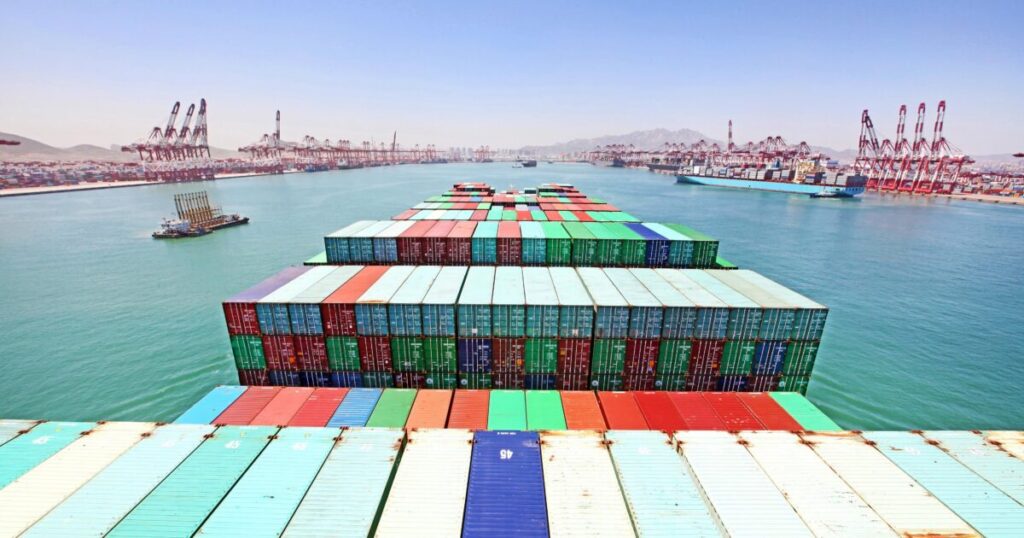
7. How Do Reefer Container Rates Compare to Other Shipping Methods?
Sea freight is still the most cost-effective for large volumes of medical equipment, but reefer FCL has added power and monitoring costs.
Shipping Method Comparison
| Method | Cost | Transit Time | Pros | Cons |
|---|---|---|---|---|
| Reefer FCL | $$–$$$ | 14–20 days | Large capacity, temperature control | High detention risk |
| Air Freight | $$$$ | 1–4 days | Fast, ideal for emergencies | Very expensive per kg |
| LCL Reefer | $–$$ | 18–25 days | Shared cost, flexible volume | Longer delays, limited space |
Reefer FCL offers a good balance for bulk medical equipment when managed properly.
8. Can Supply Chain Digitization Help Prevent Detention?
Yes. Modern logistics solutions can monitor cargo, predict port congestion, and automate document submission. Features like:
- Real-time reefer container tracking
- Predictive arrival tools
- Smart alert systems for clearance deadlines
- API integration with customs databases
- These tools offer better control over every stage of the shipment.
9. Should You Work with a Specialist Freight Forwarder?
Absolutely. A professional freight forwarder with reefer and medical logistics experience will:
- Pre-book container space during peak seasons
- Prepare complete customs documentation
- Monitor delivery milestones
- Offer door-to-door delivery from China to Los Angeles
This reduces both detention risk and operational stress for your supply chain team.
10. What Are the Current Trends in Reefer Shipping to the US?
The demand for reefer containers has surged due to global cold chain growth. Key trends include:
- Port congestion in California increases detention risk
- Higher reefer container leasing rates in Q4 each year
- US FDA regulations tightening on medical imports
- Growing use of smart reefer containers with IoT tracking
Staying ahead of these changes ensures better planning and fewer surprises.
11. What Additional Tips Ensure Reefer FCL Detention Prevention?
Here are some pro-level strategies:
- Arrange pre-pull of containers from port to avoid last-minute delays.
- Use bonded warehouses near LA for faster transfer.
- Track reefer plug-in/disconnect charges for accurate billing.
- Select carriers with strong on-time delivery performance.
- Always verify your consignee’s readiness for cargo reception.
Small planning details often make the biggest difference in avoiding fees.
📦Get a Free Quote
If you’re shipping medical equipment in Reefer FCL from China to Los Angeles, let our logistics experts help you avoid detention costs. At ChinaTopFreight, we specialize in temperature-controlled freight and medical supply chain efficiency. Request a free quote today and secure your delivery success.
❓ Frequently Asked Questions
1. What causes Reefer FCL detention for medical equipment in Los Angeles?
Delays in customs clearance, late trucking, port congestion, and incomplete documents often result in detention charges for reefer containers.
2. How much is the average reefer container detention fee?
Detention fees for reefer FCL can range from $150 to $350 per day, depending on port policies and container power usage.
3. Can I extend reefer container free time at LA port?
Yes, but it must be negotiated in advance with the shipping line or terminal. Extra charges may apply for extended reefer plug-in service.
4. How long does it take to ship medical equipment from China to Los Angeles?
On average, reefer FCL shipments take 14 to 20 days depending on the origin port, customs efficiency, and weather conditions.
5. Which is the best Chinese port for reefer shipments to LA?
Shanghai and Shenzhen are top choices due to high sailing frequency, advanced reefer handling facilities, and shorter transit times.
Conclusion
Preventing detention in Reefer FCL shipping for medical equipment from China to Los Angeles demands proactive logistics planning, reliable partners, and the right documentation. From optimizing port selection to real-time tracking, every step contributes to a smooth, cost-effective delivery. For seamless reefer logistics tailored to medical needs, trust ChinaTopFreight to deliver precision and peace of mind.