

Shipping temperature-sensitive electronics—including lithium batteries, LED components, semiconductor modules, and high-value medical electronics—requires stable cold-chain control. As a result, more Californian importers choose Reefer FCL freight rate for electronics from China to California to guarantee safe temperature ranges, reduce heat exposure, and maintain strict product integrity. Moreover, rising demand for electronics in Los Angeles, Long Beach, and Oakland makes reliable reefer FCL solutions essential for maintaining quality and preventing financial losses.
Why Do Electronics Require Reefer FCL Shipping from China to California?
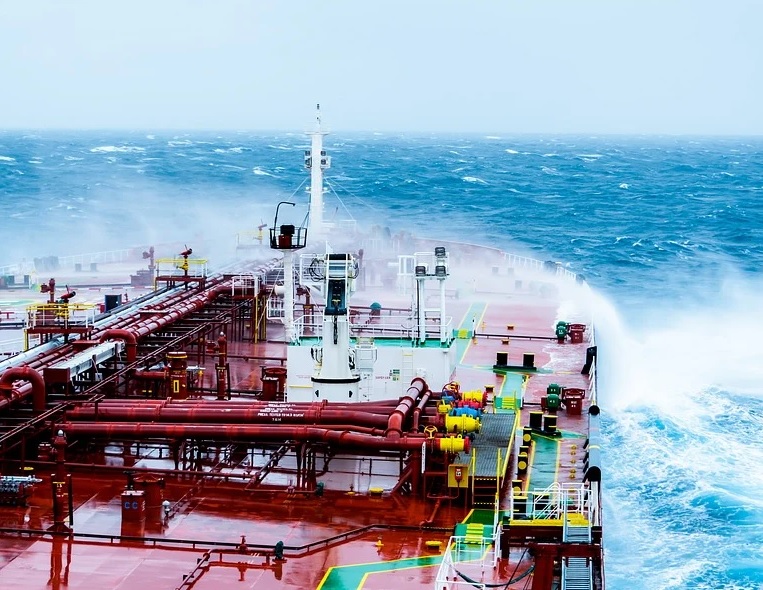
Although electronics are not typically “fresh” items, many categories require temperature control to avoid performance degradation. Additionally, high-value electronics may also need humidity stabilization to protect sensitive components.
Temperature-sensitive electronics commonly shipped in reefers
- LED panels, screens, and lighting equipment
- Semiconductor modules
- Server components
- Medical electronics
- Lithium battery–based devices (with proper certifications)
These cargo types can experience malfunction if stored in extreme temperature conditions during ocean transport. Therefore, reefer FCL ensures these items remain within safe standards throughout the journey.
What Is the Reefer FCL Freight Rate for Electronics from China to California?
Reefer FCL pricing for electronics depends on cargo volume, cooling temperature, power requirements, season, and container availability. Because reefer containers consume energy and require monitoring, rates are higher than dry FCL.
Typical reefer freight cost (reference only)
| Container Type | Estimated Rate (USD) | Notes |
|---|---|---|
| 20’ Reefer FCL | $3,500–$5,200 | Suitable for compact electronics & boxed SKUs |
| 40’ Reefer FCL | $5,200–$7,800 | Best for large-volume electronics shipments |
Prices vary depending on fuel surcharges, shipping line equipment, and temperature settings.
What Transport Modes Are Available for China → California Electronics?
According to your permanent rule:
✔ Realistic modes:
- Sea Freight (Reefer FCL)
- Air Freight (Temperature-controlled)
❌ Not available:
- Rail Freight (China → USA impossible)
Therefore, all tables include only Sea + Air, ensuring accuracy for your entire SEO cluster.
Shipping Mode Comparison for Electronics (Sea + Air Only)
| Mode | Cost | Transit Time | Best For |
|---|---|---|---|
| Reefer Sea Freight (FCL) | Low–Medium | 16–28 days | Large volumes, cost-efficient cold-chain shipments |
| Temperature-Controlled Air Freight | High | 1–4 days | Urgent, high-value, or high-precision electronics |
Sea freight is the most popular option for California because of stable capacity and predictable schedules.
What Is the Transit Time for Reefer FCL Shipping from China to California?
Transit time varies depending on origin port, weather, and terminal congestion. California’s ports—Los Angeles, Long Beach, and Oakland—are major gateways for U.S. West Coast imports.
Typical transit time overview
| China Origin Port | Destination | Transit Time |
|---|---|---|
| Shanghai | Los Angeles | 16–20 days |
| Shenzhen | Long Beach | 17–22 days |
| Ningbo | Oakland | 20–28 days |
| Qingdao | Los Angeles | 18–24 days |
Major carriers offer direct sailings to California, reducing transshipment delays.
What are you waiting for?
Contact chinatopfreight for a fast, free quote.
Are you ready to book?
Access live instant freight quotes
How Does Temperature Control Work for Electronics in Reefer Containers?
Reefer containers maintain stable cooling ranges such as 10°C–25°C, depending on electronics sensitivity. Moreover, built-in humidity sensors, air circulation systems, and alarms ensure product stability throughout the supply chain.
Benefits of reefer containers for electronics
- Accurate temperature regulation
- Continuous airflow to prevent condensation
- Humidity stabilization
- Remote digital monitoring
- Better cargo safety during long ocean voyages
What Documents Are Required for Reefer Electronics Shipping to California?
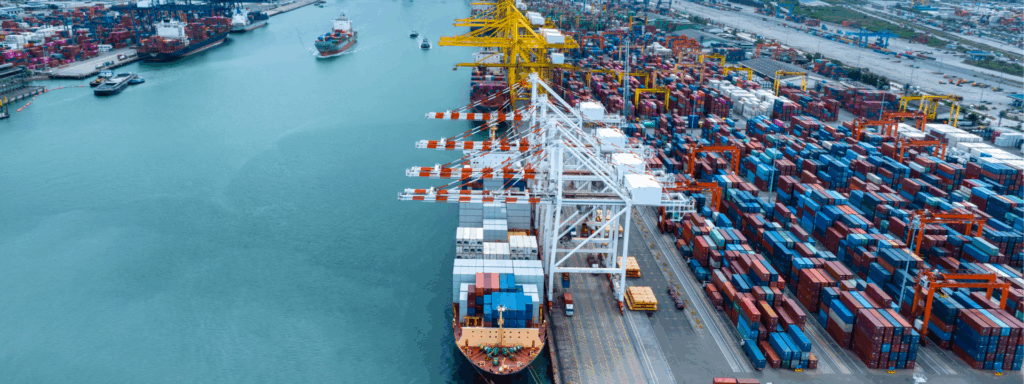
Electronics often require both customs and compliance documents to ensure smooth clearance at U.S. ports.
Required documentation
| Document | Purpose |
|---|---|
| Commercial Invoice | Confirms value & product composition |
| Packing List | Describes packaging, weight, cartons |
| Bill of Lading | Shipping line transport record |
| MSDS / UN38.3 (for batteries) | Safety compliance for lithium electronics |
| FCC/CE Certificates | Required for electronic devices |
| Temperature Log | Proof of maintained reefer conditions |
Proper documentation helps avoid delays during U.S. customs inspection.
How Much Does Reefer FCL Insurance Cost for Electronics?
Electronics are considered high-value cargo. Therefore, insurance is strongly recommended to protect against temperature failure, fire, shock, or handling damage.
Typical insurance cost factors
- Cargo value
- Type of electronics
- Reefer temperature settings
- Historical route risk
- Loading method
Insurance is usually 0.2%–0.5% of the declared cargo value for electronics.
How to Reduce Reefer Freight Costs for China → California?
Because reefer freight is more expensive than dry FCL, importers can reduce cost using strategic planning.
Methods to reduce reefer costs
- Consolidate multiple SKUs into one FCL
- Ship during non-peak seasons
- Avoid last-minute bookings
- Use direct sailings to Long Beach/LA
- Choose optimal temperature settings—not colder than necessary
What Risks Do Electronics Face During Reefer Transport?
Even with reefer protection, electronics still face several risks, especially when exposed to improper temperature settings or terminal delays.
Key risks
- Temperature deviations during power re-connection
- Condensation forming on sensitive circuit boards
- Shock or vibration damage
- Delayed unloading causing temperature drift
- Battery compliance issues for certain devices
Understanding these risks helps importers choose the right insurance and packing method.
Conclusion
Choosing the right Reefer FCL freight rate for electronics from China to California is essential for protecting temperature-sensitive electronic goods, managing costs, and maintaining stable supply chain performance. Reefer containers offer precise temperature control, humidity stabilization, and comprehensive cargo protection across long ocean routes. With proper packing, complete documentation, and reliable insurance coverage, importers can ensure safe delivery of electronics into major California ports while safeguarding product integrity and profit margins.
FAQ
1. Why do electronics require reefer containers for California imports?
Electronics can suffer damage from heat or humidity during long ocean transit. Reefer containers maintain stable temperatures to preserve product quality and prevent defects.
2. Are reefer freight rates higher than dry container rates?
Yes. Reefer containers require energy, monitoring, and specialized handling. Therefore, shippers pay a premium to maintain safe temperatures during transportation.
3. What temperature is recommended for shipping electronics?
Most electronics ship safely between 10°C and 25°C. However, device specifications and sensitivity levels determine the exact temperature setting required for safe transport.
4. Do lithium battery electronics need extra documentation?
Yes. Lithium-powered devices require MSDS and UN38.3 reports to comply with U.S. import rules and ensure safe reefer transportation across international trade lanes.
5. How long does reefer sea freight take to California?
Transit typically ranges from 16 to 28 days depending on port pair, vessel schedule, routing, and seasonal congestion at Los Angeles or Long Beach terminals.